

If you’re dealing with IBS, figuring out which low FODMAP vegetables you can eat feels overwhelming. I’ve been there, standing in the produce section, second-guessing every vegetable, thinking which ones will cause pain and which ones are actually safe.
The constant confusion about food choices makes eating stressful rather than enjoyable. You absolutely can enjoy vegetables without triggering symptoms. I’ll break down exactly which vegetables are safe at any serving size, which ones need careful portion control, and how to use them confidently in your daily meals.
It’s all simple, practical, and focused on helping you feel confident again. No complex medical jargon, just clear answers based on what I’ve learned witnessing the IBS symptoms successfully.
What “Low FODMAP” Means for Vegetables
FODMAP stands for Fermentable Oligosaccharides, Disaccharides, Monosaccharides, and Polyols, carbohydrates that your gut struggles to absorb properly. When you eat high-FODMAP vegetables, these carbs ferment in your intestines, causing bloating, gas, cramps, and bathroom urgency that disrupt your day.
Not every vegetable affects you the same way, which is why this gets confusing. Some are naturally low in FODMAPs and safe in normal servings. Others contain moderate amounts, so portion size is critical to avoiding symptoms. A small serving might be fine, but a large one triggers problems.
Understanding this difference helps you build meals that nourish your body without causing pain or discomfort. The key is knowing which vegetables work for your gut and how much you can tolerate comfortably.
Vegetables that are Always Low FODMAP
I love this category because it gives you freedom. These vegetables are safe at normal serving sizes, meaning you can include them in meals without constant worry. When I first started eating a low-FODMAP diet, I relied heavily on these vegetables to build my foundation.
1. Leafy Greens
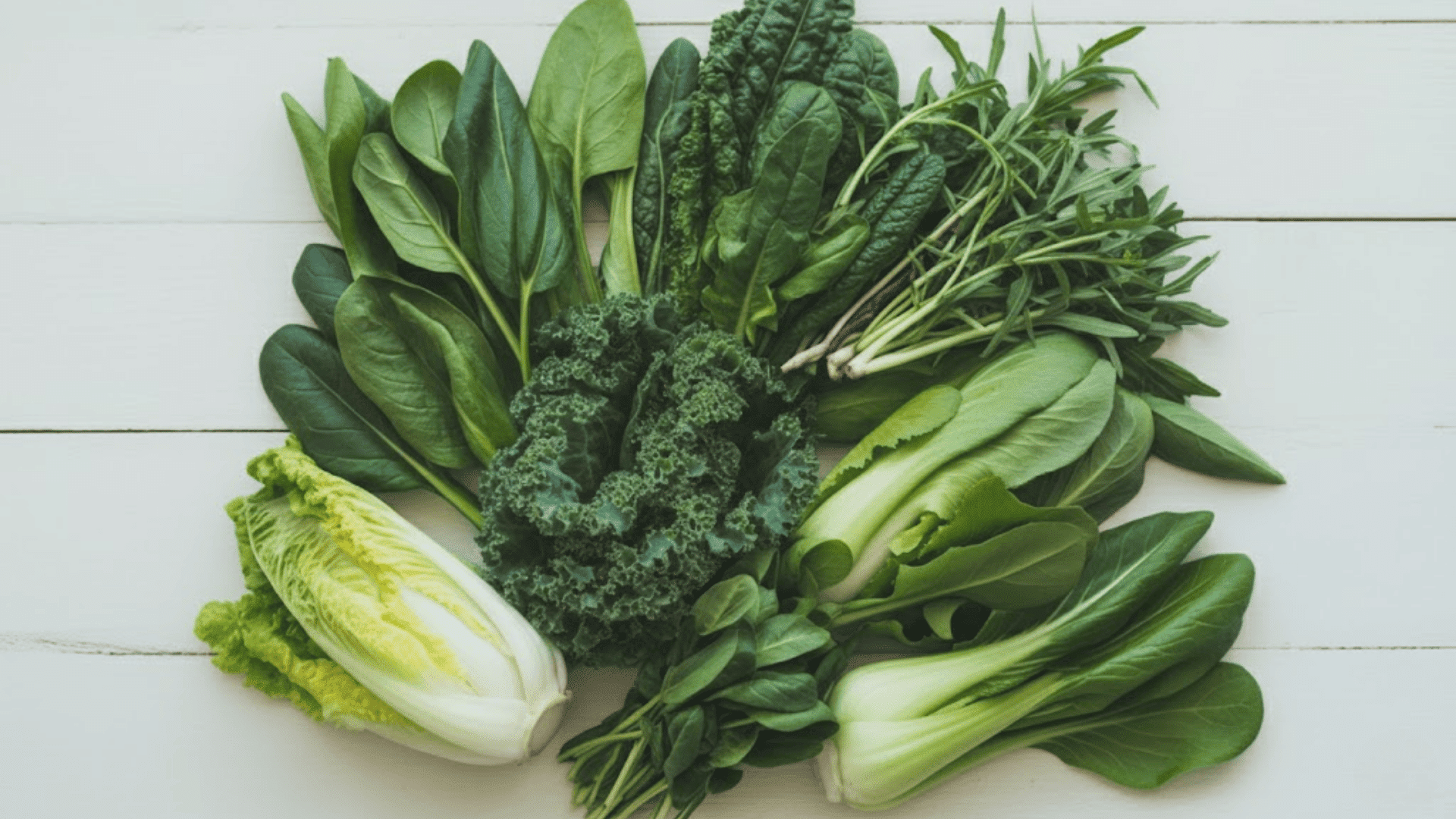
Leafy greens are my go-to vegetables because they’re gentle, nutritious, and available year-round. I eat them almost daily in various forms without any digestive issues. Here are some suggestions:
- Spinach works perfectly in smoothies, salads, or sautéed dishes daily
- Kale handles roasting well and adds nutrients without digestive stress
- Lettuce varieties, including romaine, butter, and iceberg, are all safe
- Arugula brings peppery flavor to salads and sandwiches without issues
- Bok choy cooks quickly and pairs beautifully with Asian-inspired meals
Keep pre-washed options on hand for quick meal prep. They’re versatile enough to work in any meal, from breakfast smoothies to dinner sides.
2. Root Vegetables
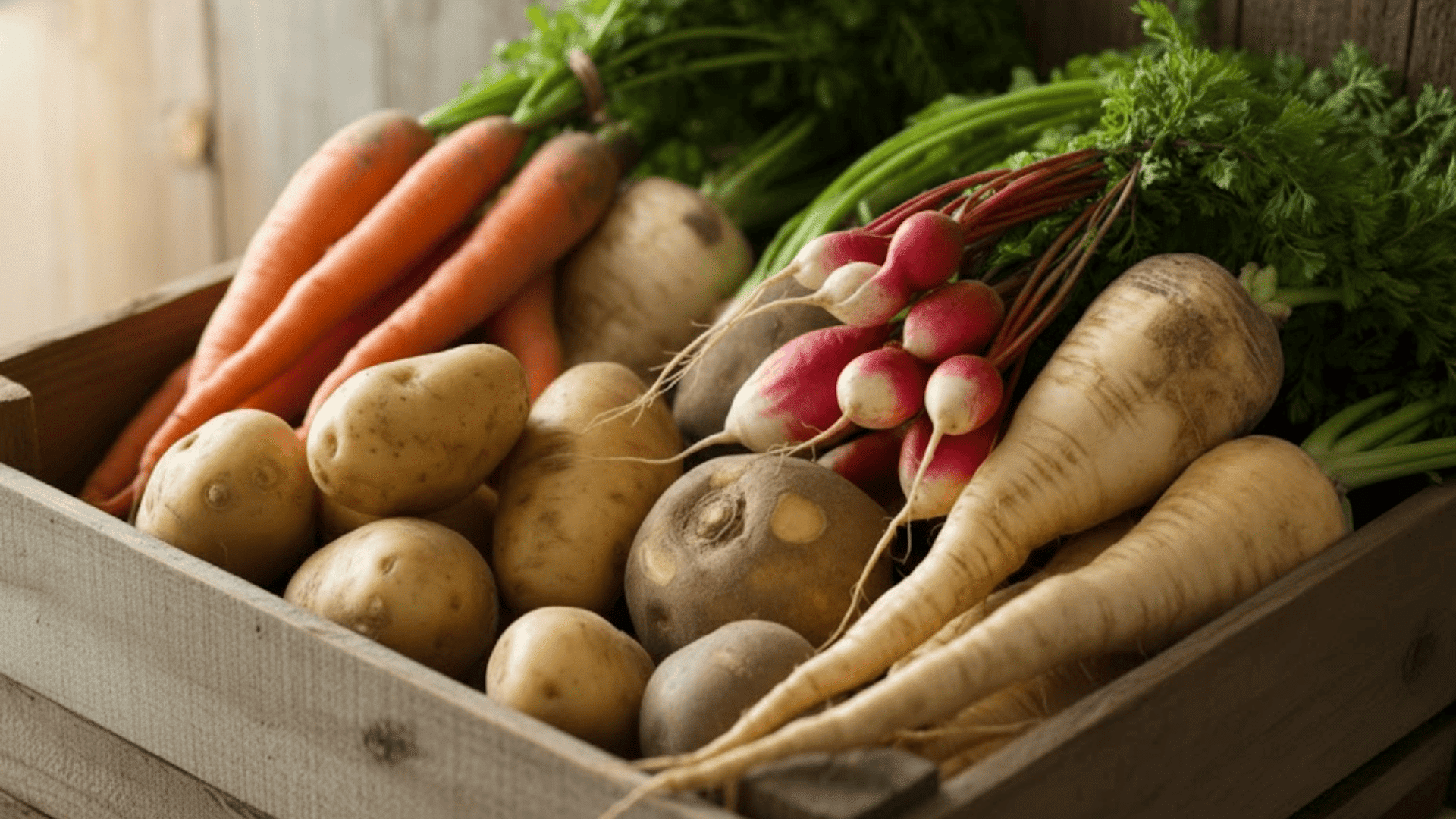
Root vegetables provide substance and comfort when you need filling meals. I roast them weekly because they reheat well and actually taste better the next day, in my experience. Here are some suggestions:
- Carrots roast beautifully and add natural sweetness to any plate
- Potatoes, including white and red varieties, are completely safe options
- Radishes provide crunch and spice to salads without triggering symptoms
- Turnips mash well as a substitute for higher FODMAP options
- Parsnips roast into sweet, caramelized side dishes that satisfy cravings
These vegetables are substantial enough to be the main course, not just sides. They’re comforting and filling without causing the discomfort you’re trying to avoid.
3. Common Everyday Vegetables
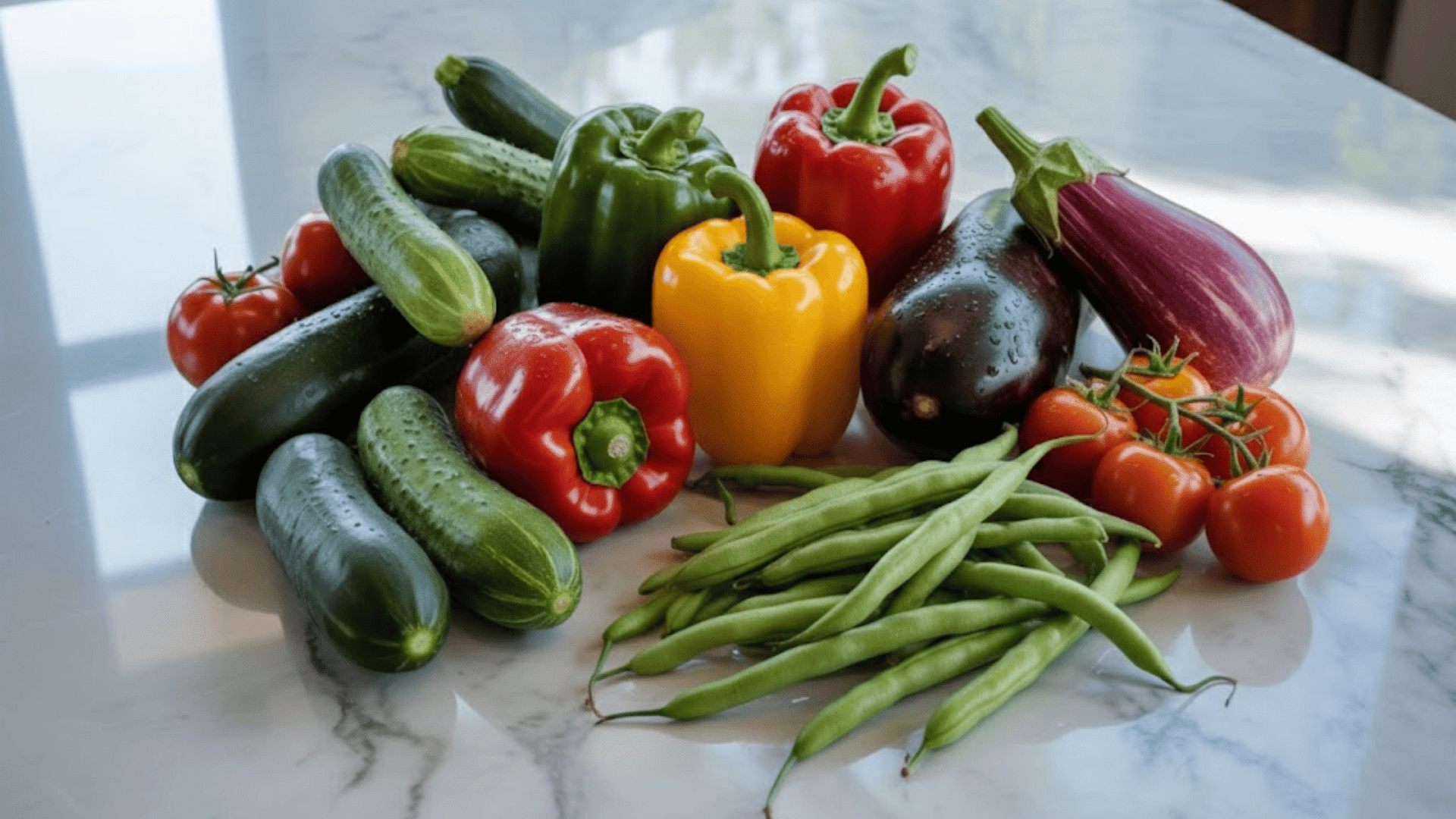
These vegetables form the backbone of my weekly meals because they’re versatile and widely available. I keep several varieties prepped in my fridge for quick meal assembly throughout the week. Here are some suggestions:
- Bell peppers in all colors add crunch and vitamins safely
- Cucumbers hydrate and refresh without any digestive discomfort whatsoever
- Zucchini grills, roasts, or spiralizes into noodles without problems
- Eggplant absorbs flavors beautifully in Mediterranean and Asian dishes
- Tomatoes brighten meals and provide lycopene when fully ripened
- Green beans steam or roast quickly for easy weeknight sides
You’ll find yourself reaching for these repeatedly because they’re consistently safe. They work in almost any cuisine, making meal planning simpler when you’re already managing dietary restrictions.
Vegetables That Are Low FODMAP Only in Small Portions
Some vegetables fall into a middle zone where you can eat them, but portion control matters significantly. I measure these carefully to avoid exceeding safe limits and triggering symptoms. Here’s a clear breakdown:
| Vegetable | Safe Serving Size | What to Know |
| Broccoli (heads only) | ¾ cup or 75g | Stems contain higher FODMAPs; stick to florets |
| Sweet potato | ½ cup or 70g | Larger portions push into moderate FODMAP territory |
| Pumpkin | ¼ cup or 40g | Surprisingly FODMAP-sensitive; measure carefully |
| Green cabbage | ¾ cup or 75g | Red and savoy varieties are higher; choose green |
I treat these vegetables as accent ingredients rather than main components. Pair them with always-safe vegetables to bulk up meals while enjoying variety without exceeding limits.
Cooking Tips That Help Reduce IBS Symptoms
How you prepare vegetables matters almost as much as which ones you choose. I’ve learned these methods through years of trial and error with my own gut. Here are some tips:
- Cooking vegetables thoroughly softens fiber and makes digestion easier overall
- Garlic-infused oil delivers flavor without the FODMAPs garlic contains
- Roasting concentrates natural sweetness while keeping portions visually clear
- Steaming preserves nutrients and creates gentle textures for sensitive guts
- Grilling adds smokiness without needing high FODMAP seasonings or sauces
Cooked vegetables changed everything for me compared to eating raw ones. Don’t be afraid to cook your vegetables thoroughly; you’re gaining comfort without losing significant nutritional value in the process.
How to Use This List in Daily Life
Practical application matters more than perfect knowledge when managing IBS symptoms day-to-day. I keep a short list of my favorite low FODMAP vegetables on my phone for grocery shopping, so I don’t have to guess in the store.
At restaurants, I order simple grilled vegetables and ask which varieties they’re using before committing to a dish. When cooking at home, I prep three to four safe vegetables on Sundays and store them in containers for the week ahead. This strategy helps me avoid getting overwhelmed when hunger hits and decision-making feels hard.
Having ready-to-eat options prevents desperate food choices that might trigger symptoms. Meal planning becomes simpler when you work from a foundation of vegetables you trust completely. Building this routine takes initial effort, but it reduces daily stress and consistently protects your gut health.
Final Thoughts for IBS-Friendly Vegetable Eating
You deserve to eat vegetables without fear or discomfort. I know how frustrating it feels when foods that should be healthy cause pain instead. Start with the always-safe options I’ve outlined, measure portions carefully for the moderate category, and give your body time to adjust.
Pay attention to how you feel after meals, and remember that everyone’s tolerance varies slightly. This list gives you a solid foundation, but your experience matters most.
As you build confidence, you’ll develop your own favorites and cooking methods. Trust your gut, literally. Drop a comment below and tell me which vegetables work best for you or which ones you’re excited to try now that you know they’re safe.