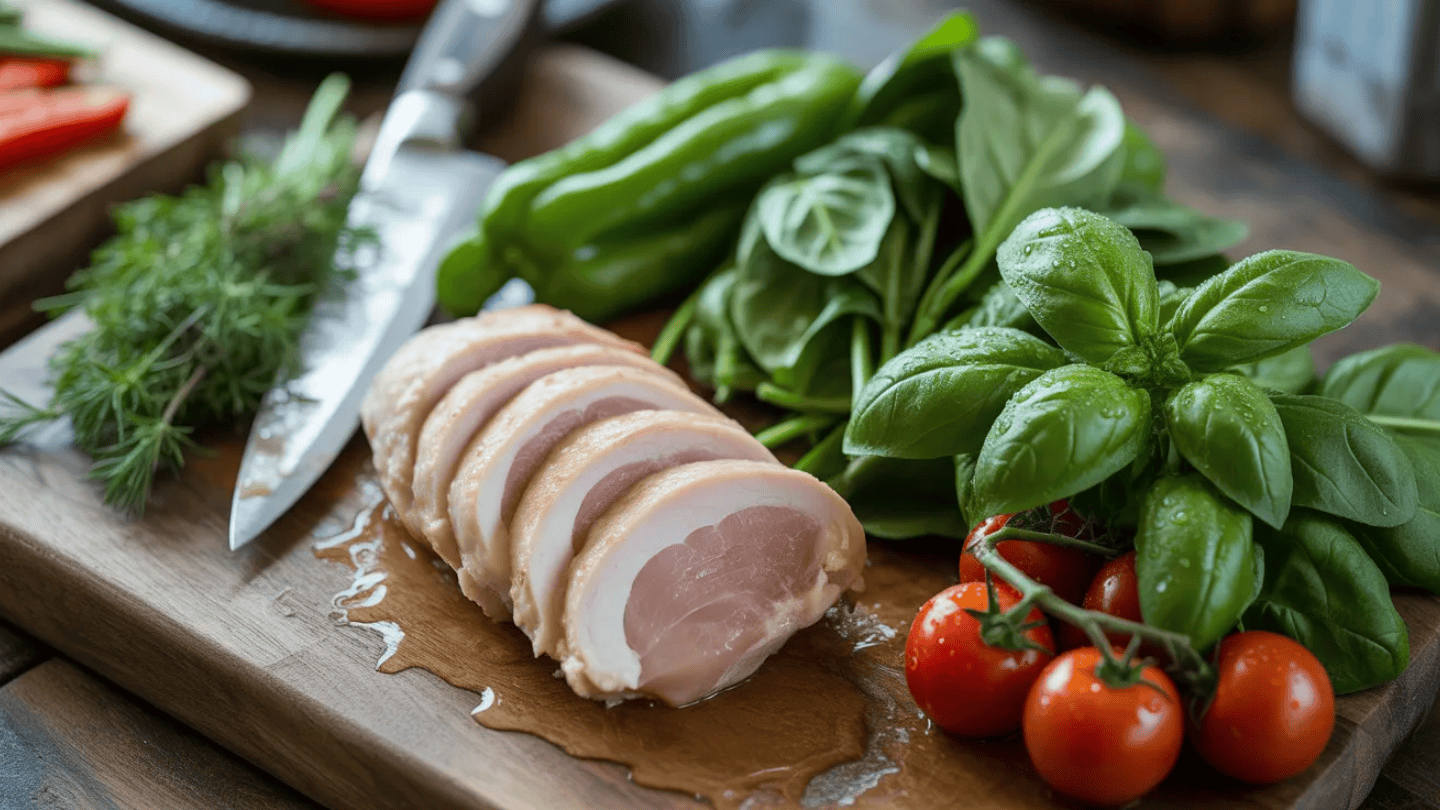


Are you confused about which low-carb diet actually works best for your body and goals? The keto vs carnivore debate has exploded lately as both diets gain massive popularity worldwide.
I spent months researching both approaches before making my own choice between them. Each diet promises incredible results, but it works in completely different ways for your health.
You might wonder if eating only meat sounds too extreme or if keto offers enough variety. Understanding the real differences helps you pick the right path for sustainable success long-term.
Both diets change how your body burns fuel and processes food dramatically every day. Learn which eating style works better for your goals.
This content is for educational and informational purposes only and does not replace professional medical advice. Consult your doctor before starting any new diet or health plan.
What is Keto Diet?
The keto diet is a low-carb eating plan that changes how your body gets energy. It shifts your body to burn fat instead of carbs for fuel throughout the day.
You eat lots of healthy fats, moderate amounts of protein, and very few carbohydrates daily. Most people aim for around seventy percent fat, twenty-five percent protein, and only five percent carbs.
This drastic reduction in carbs puts your body into a state called ketosis naturally. During ketosis, your liver turns fat into ketones that your brain uses for energy.
The main goal is teaching your body to become fat-adapted over time consistently. This metabolic state changes how your body processes food and creates fuel for activities.
What is Carnivore Diet?
The carnivore diet is an all-meat-eating plan that eliminates plant foods from your meals. You only eat animal products like meat, fish, eggs, and sometimes dairy every single day.
This diet contains zero or near-zero carbs since animal foods naturally lack carbohydrates. Your meals focus heavily on protein and fat from various animal sources throughout the day.
People following this plan avoid all vegetables, fruits, grains, nuts, seeds, and legumes entirely. The main goal is to remove all plant compounds and fibers from your digestive system completely.
This creates extreme dietary simplicity since you only choose from animal-based food options. The approach represents one of the most restrictive eating styles available today.
Keto vs. Carnivore: Key Differences
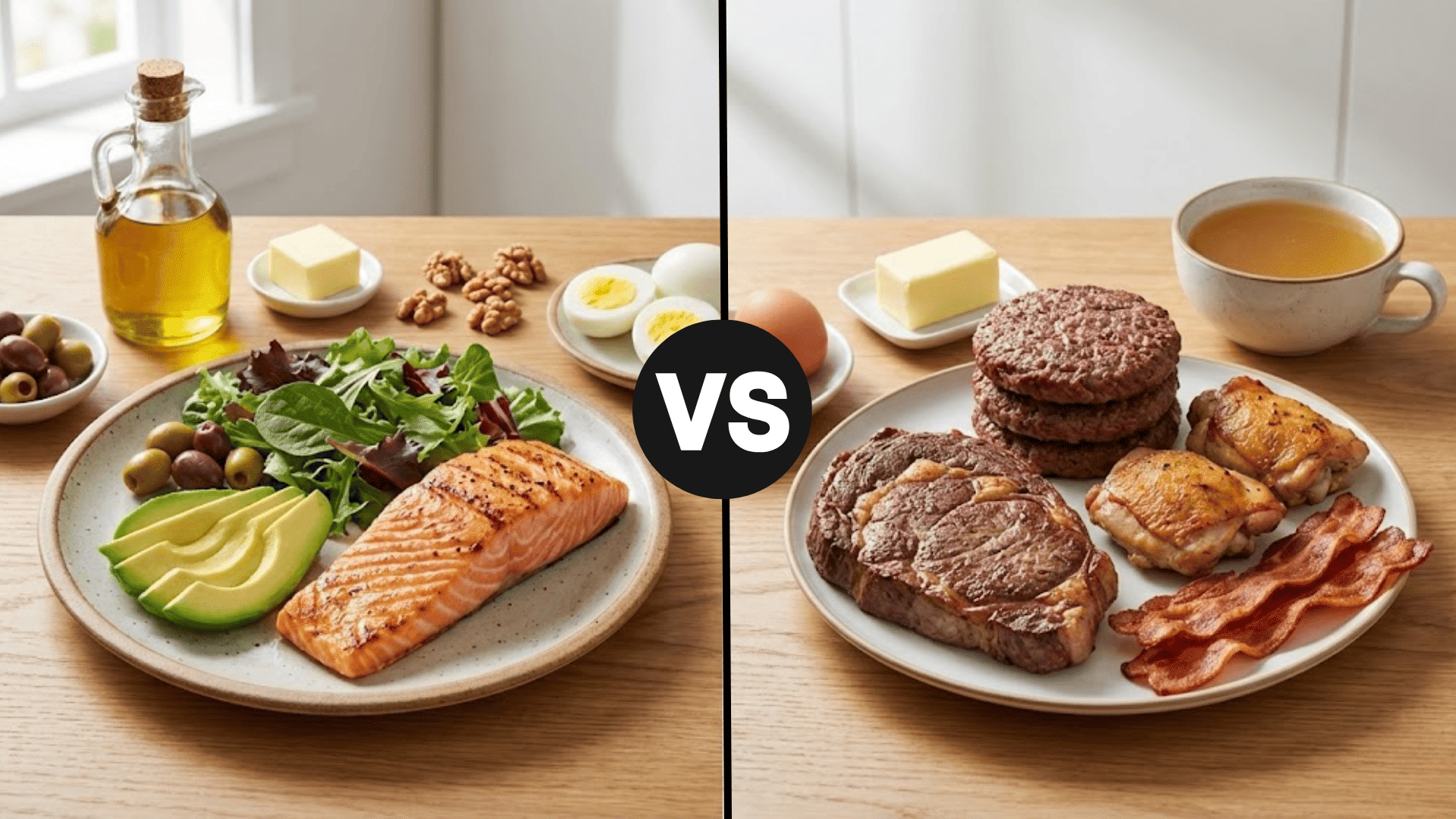
I noticed these two diets share some similarities but differ in major ways that affected my daily eating. Understanding these key differences helped me choose which approach fits my lifestyle and goals better. Here’s how keto and carnivore stack up against each other:
1. Carb Intake Differences
Keto allows you to eat small amounts of carbs from vegetables and low-sugar fruits daily. Most keto followers aim for twenty to fifty grams of carbs per day maximum.
Carnivore eliminates carbs almost entirely since you only eat animal products without plants. Your carb intake on carnivore stays at zero or close to zero every day. This makes the carnivore diet more restrictive regarding what foods you can choose from each meal.
2. Food Variety and Flexibility
Keto offers much more food variety since you can eat vegetables, nuts, seeds, and berries. You enjoy different flavors and textures from both plant and animal sources on keto. Carnivore restricts you to only meat, fish, eggs, and possibly dairy products each day.
Your meal options become very limited, with only animal foods allowed on your plate. Keto provides far more flexibility when dining out or cooking meals at home regularly.
3. Protein Intake Comparison
Keto keeps protein intake moderate at around 20-25% of daily calories. Eating too much protein on keto can potentially kick you out of ketosis temporarily. Carnivore naturally leads to much higher protein consumption since meat is your primary food.
Your protein intake often reaches 50% or more of total daily calories easily. This higher protein intake fills you up faster and supports muscle maintenance better overall.
4. Fat Sources Compared
Keto allows fat from both plant sources, like avocados, nuts, and oils, plus animal sources. You can enjoy olive oil, coconut oil, butter, and fatty fish on keto freely. Carnivore limits you strictly to animal fats from meat, eggs, butter, and dairy only.
Plant-based fats and oils are completely off-limits on the carnivore approach. This restriction means carnivore followers rely heavily on fatty cuts of meat for energy.
Keto vs. Carnivore for Weight Loss

Both diets can help you lose weight, but they work in slightly different ways. Keto controls your appetite by keeping insulin levels low and burning fat through ketosis.
Your body uses stored fat for energy instead of relying on carbs throughout the day. Research from the National Institutes of Health shows that ketogenic diets produce significant weight loss over extended periods.
Carnivore supports weight loss through extreme simplicity that removes all tempting processed foods altogether.
Eating only meat naturally reduces your calorie intake because protein fills you up fast. Most people feel satisfied after smaller portions when eating just animal products alone.
Carnivore often works faster initially since it eliminates more foods and creates bigger calorie deficits. Keto provides steadier weight loss over time with more food variety and flexibility daily.
Keto vs. Carnivore for Health Benefits
I researched both diets extensively to understand their unique health benefits beyond just weight loss. Each approach offers distinct advantages depending on your specific health goals and conditions. Here’s how keto and carnivore compare for various health benefits:
| Keto Diet | Carnivore Diet |
|---|---|
| Lowers blood sugar by limiting carbs. Reduces insulin spikes. | Eliminates blood sugar fluctuations. Keeps insulin at baseline. |
| Improves insulin sensitivity through low-carb intake. | Maximizes insulin sensitivity by removing all carbs. |
| Reduces inflammation through ketones and eliminates processed foods. | Removes plant irritants and inflammatory compounds completely. |
| Provides fiber from vegetables, supporting gut bacteria. | Eliminates fiber and plant compounds, causing digestive distress. |
| Ketones provide steady brain fuel, improving focus. | High protein and fat support brain function consistently. |
Both diets deliver significant health improvements, but work through different mechanisms in your body. Choose the approach that best matches your specific health concerns and lifestyle preferences.
Keto vs. Carnivore: Risks and Downsides
Both diets come with potential risks and challenges that you need to understand before starting. Every eating plan has downsides that might affect certain people more than others. Here’s what you should know about the risks of each diet:
| Keto Diet Risks | Carnivore Diet Risks |
|---|---|
| Electrolyte imbalances cause headaches, fatigue, and muscle cramps. | Potential vitamin C and micronutrient deficiencies from zero plants. |
| Keto flu symptoms during transition include nausea and weakness. | Lack of fiber causes digestive issues and constipation. |
| May increase LDL cholesterol, requiring regular blood work monitoring. | High saturated fat raises heart health concerns significantly. |
| Nutrient deficiencies from eliminating entire food groups long-term. | No research on long-term safety beyond short periods. |
I learned that both diets require careful planning and aren’t suitable for everyone who tries them. You should consult a doctor before starting either approach, especially if you have existing health conditions.
Can You Transition Between Keto and Carnivore?
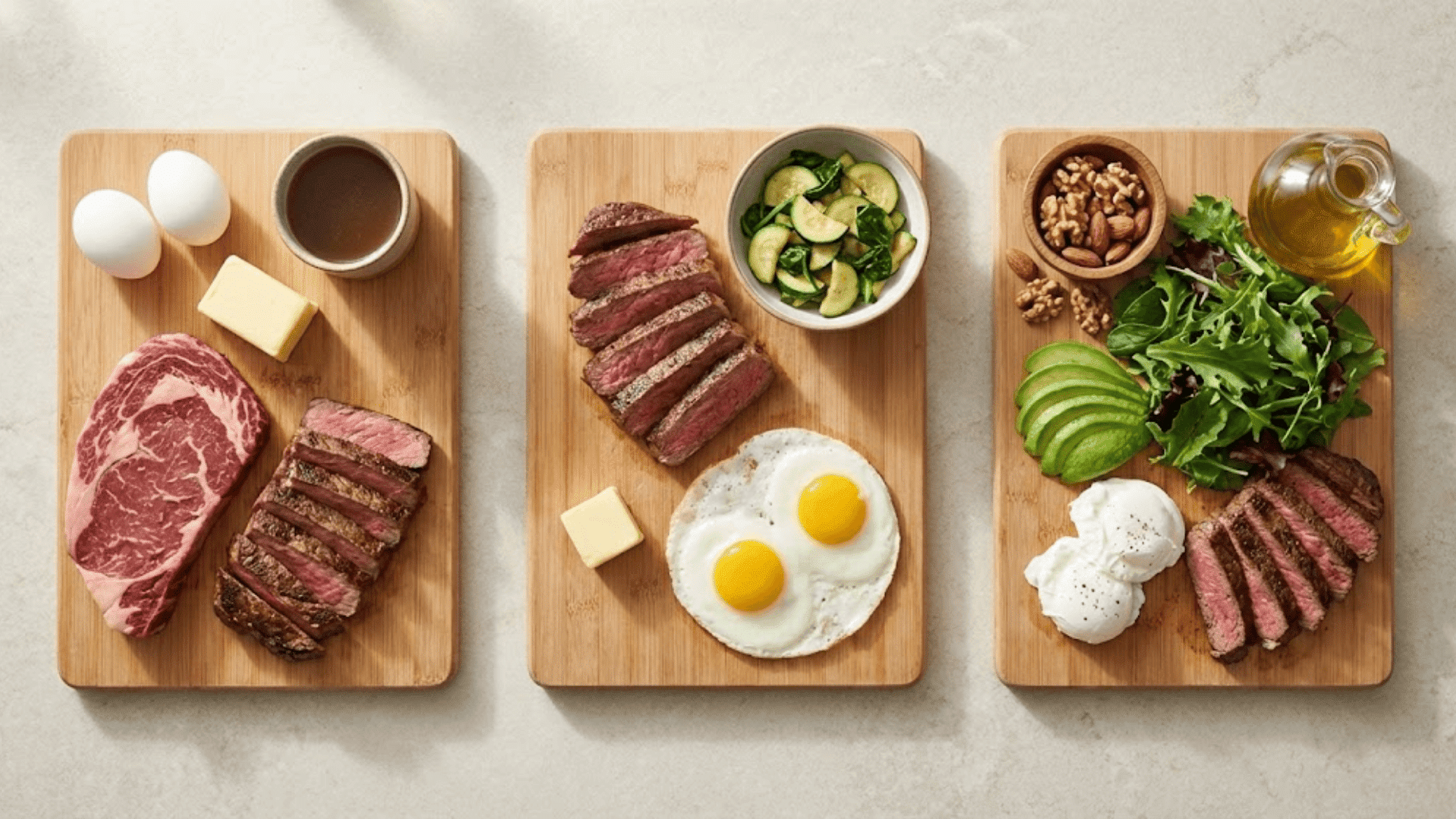
I learned that switching between these two diets is possible but requires careful planning and gradual adjustments. Here’s how people successfully transition between keto and carnivore diets:
Going from Keto to Carnivore
People switch from keto to carnivore seeking more simplicity or to eliminate remaining digestive issues. Some want to remove all plant compounds that might cause inflammation or sensitivities.
The transition involves gradually reducing and then eliminating all vegetables, nuts, seeds, and plant oils. Start by removing vegetables first, then nuts and seeds, and finally plant-based fats last.
Your body adapts within one to two weeks as you increase meat portions. Most people feel fine during the switch since both diets already keep carbs low.
Going from Carnivore to Keto
Reintroducing plant foods after a carnivore diet requires starting slowly with small portions of vegetables only. Begin with well-cooked, easy-to-digest vegetables like zucchini, cucumbers, and leafy greens first.
Your digestive system needs time to produce enzymes for breaking down plant fibers again. Add one new vegetable every few days to monitor how your body reacts.
Some people experience temporary bloating or gas when reintroducing fiber after months without it. Gradually increase plant variety and portions over several weeks until reaching your desired keto balance.
Keto vs. Carnivore: Who Should Choose Which Diet?
Keto works better if you want more food variety and flexibility in your daily meals. This diet suits people who enjoy vegetables, nuts, and different cooking options regularly.
You get balanced restriction without eliminating entire food groups from your plate entirely. Carnivore works better if you prefer extreme simplicity and elimination-based eating without choices.
This approach helps people with severe food sensitivities or autoimmune conditions, who experience dramatic improvement.
You eliminate all potential irritants by eating only animal products every single day. Choose keto if you value food diversity and social flexibility when dining out. Choose carnivore if you want the most straightforward possible approach with zero plant foods.
Final Words
Now you have all the facts about keto vs carnivore and how they compare. I hope this breakdown helps you make an informed decision about your diet ahead.
You found the key differences in carbs, protein, fat sources, and health effects clearly. Both approaches work incredibly well for weight loss when followed correctly and consistently.
Remember that individual results vary based on your body type and health conditions. Listen to your body’s signals and adjust your approach based on how you feel.
Start slowly with whichever diet appeals more to your lifestyle and food preferences today. Share which diet you plan to try first in the comments below right now!