

When someone asks me whether lard is healthy, I know they’ve probably spent hours reading contradictory articles, some calling it a comeback superfood, others labeling it an artery-clogging danger.
The truth lives somewhere between those extremes, and I’m here to cut through the noise. In this guide, I’ll walk through what lard actually is, break down its nutrition without hype.
Also, compare it honestly against other cooking fats, and help you figure out when using lard makes sense and when it doesn’t.
I’ll also tackle the myths floating around and explain who should be more cautious. By the end, you’ll have a clear, practical answer rooted in context instead of headlines.
What is Lard?
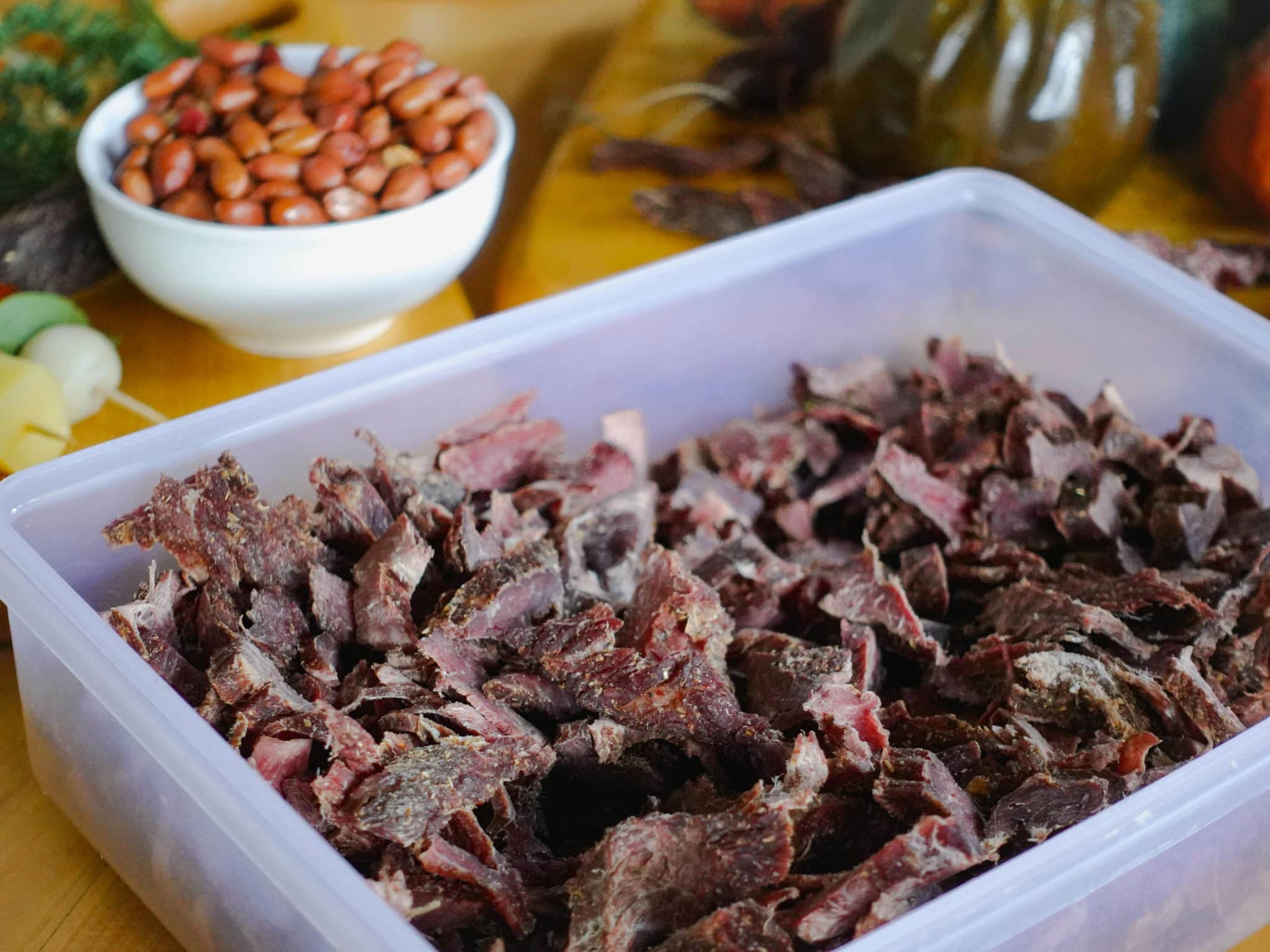
Lard is rendered pork fat, created by slowly heating pork fat until it melts and separates from connective tissue. The liquid is strained and cooled into a soft, spreadable consistency.
Two main types appear in stores: leaf lard from around the kidneys offers mild flavor ideal for baking, while regular lard from other areas carries a slightly stronger taste.
Some versions sit shelf-stable due to processing; others need refrigeration. These differences affect cooking performance and flavor more than nutrition.
The question of whether lard is healthy depends less on which type is chosen and more on how often it’s used and what it replaces in the overall diet.
Lard Nutrition at a Glance
Lard is pure fat, which means it’s calorie-dense and nutrient-sparse beyond its fatty acid profile. Here’s what one tablespoon contains.
| Nutrient | Per Tablespoon (13g) |
|---|---|
| Calories | 115 |
| Total Fat | 13g |
| Saturated Fat | 5g (39%) |
| Monounsaturated Fat | 6g (46%) |
| Polyunsaturated Fat | 1.5g (12%) |
| Cholesterol | 12mg |
| Smoke Point | 370°F (188°C) |
Lard contains trace vitamin D, but amounts are too minimal to consider it a meaningful source in the context of daily needs.
Is Lard Bad for You: The Real Pros and Cons

Lard sits in a gray zone that online debates tend to oversimplify. The answer depends on context, frequency, and what else fills the plate.
Pros: Heat Stability and Culinary Performance
Lard withstands high heat better than polyunsaturated oils, which break down during frying or sautéing. This makes it ideal for methods like shallow frying or roasting.
It also adds richness and satisfying texture to dishes like roasted vegetables or pie crusts. Used sparingly, lard intensifies flavor without additives or stabilizers found in some shortenings.
Cons: Saturated Fat Load Without Heart Benefits
Lard contains about 39% saturated fat, with 5 grams per tablespoon, almost a quarter of daily limits, plus 115 calories, leading to quick, easy overconsumption.
Unlike healthier oils, it offers no heart benefits and can raise LDL cholesterol in some people.
The Bottom Line: What It Replaces Matters Most
Lard’s health effects depend on what it replaces. Swapping hydrogenated shortening for lard is neutral or better. Replacing olive oil with lard sacrifices heart-healthy fats.
Overall diet quality and fat intake matter more than any single fat. Context determines health impact.
Cooking With Lard: When It Makes Sense and When It Doesn’t
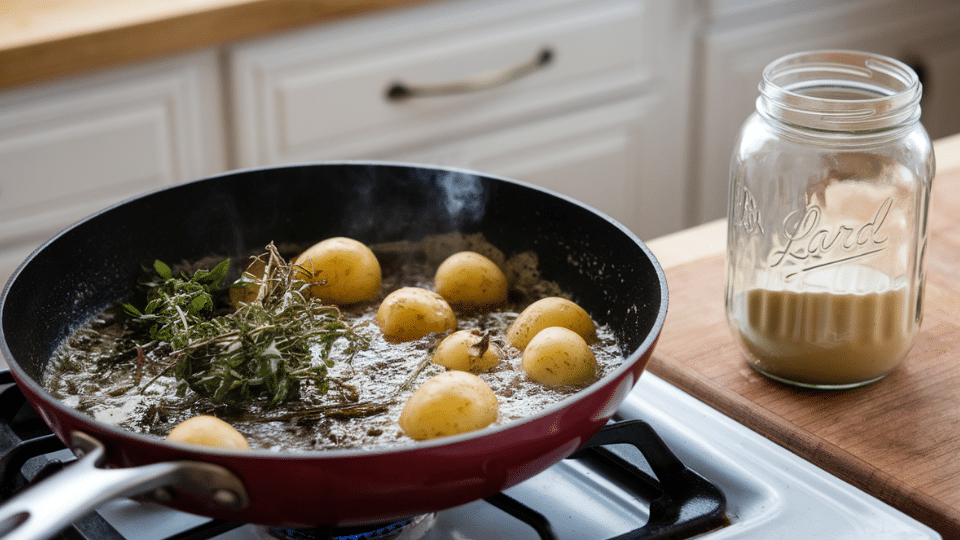
Lard shines in specific cooking scenarios but falters in others. Understanding smoke point, flavor impact, and heat tolerance prevents waste and disappointment.
Best Uses: High-Heat Cooking and Savory Dishes
Lard shines when you want steady heat, crisp edges, and savory richness, making it a smart pick for hearty, high-heat meals and comfort classics.
- Heat stability: With a 370°F smoke point, lard handles sautéing, shallow frying, and roasting without breaking down as quickly as polyunsaturated oils.
- Ideal Combinations: Works best for crispy potatoes, seared meats, roasted vegetables, and flaky biscuits where richness enhances the dish.
- Neutral-to-savory flavor: Complements whole foods without overpowering delicate tastes, adding function and depth to savory recipes.
- Deep frying capability: Performs adequately for deep frying when temperature is carefully monitored to avoid overheating and degradation.
When to Avoid Lard in Cooking
Skip lard when you need bright, delicate flavors or a buttery aroma, especially in sweets and low-heat dishes where lighter oils or butter work better.
- Delicate baking: Cookies, cakes, and pastries taste flat or greasy when lard fully replaces butter. Blend half lard with half butter to keep the texture without losing flavor.
- Light cooking methods: Salad dressings and light sautés work better with unsaturated oils that deliver health benefits without compromising taste or texture.
- High-temperature risks: Overheating lard past its 370°F smoke point creates off-flavors and potentially harmful compounds. Precise temperature control matters.
- Daily default use: Lard works as a tool for specific tasks, not a replacement for every cooking fat in your kitchen.
Lard vs Other Common Cooking Fats
Cooking with lard often raises the question of how it stacks up against butter, olive oil, and other animal fats. Each brings different strengths depending on the task.
| Fat Type | Saturated Fat % | Best Uses | Key Difference from Lard |
|---|---|---|---|
| Lard | ~39% | High-heat sautéing, frying, savory baking | Neutral flavor, moderate saturated fat |
| Butter | ~63% | Baking, low-heat cooking, flavor finishing | Richer taste, lower smoke point (350°F), higher saturated fat |
| Olive Oil | ~14% | Dressings, light sautéing, roasting | Much lower saturated fat, heart-health linked unsaturated fats |
| Tallow (Beef Fat) | ~50% | Deep frying, high-heat roasting | Stronger flavor, higher smoke point (400°F), more saturated fat |
No single fat wins across all scenarios. Treat fats as situational tools: lard for certain tasks, unsaturated oils for daily use, butter when flavor matters most.
How Much Lard Is Reasonable?
The question of whether lard is healthy becomes clearer with a practical self-check before cooking.
What does the rest of your day look like?
If breakfast included bacon and lunch featured cheese, adding lard at dinner pushes saturated fat past healthy limits.
How often are you reaching for it?
Occasional use in specific recipes fits most diets. Regular use as a primary cooking fat displaces healthier unsaturated oils and makes it harder to stay within the recommended 10% saturated fat limit (roughly 22 grams daily for a 2,000-calorie diet). One tablespoon of lard takes nearly a quarter of that.
Who Should Be More Cautious With Lard
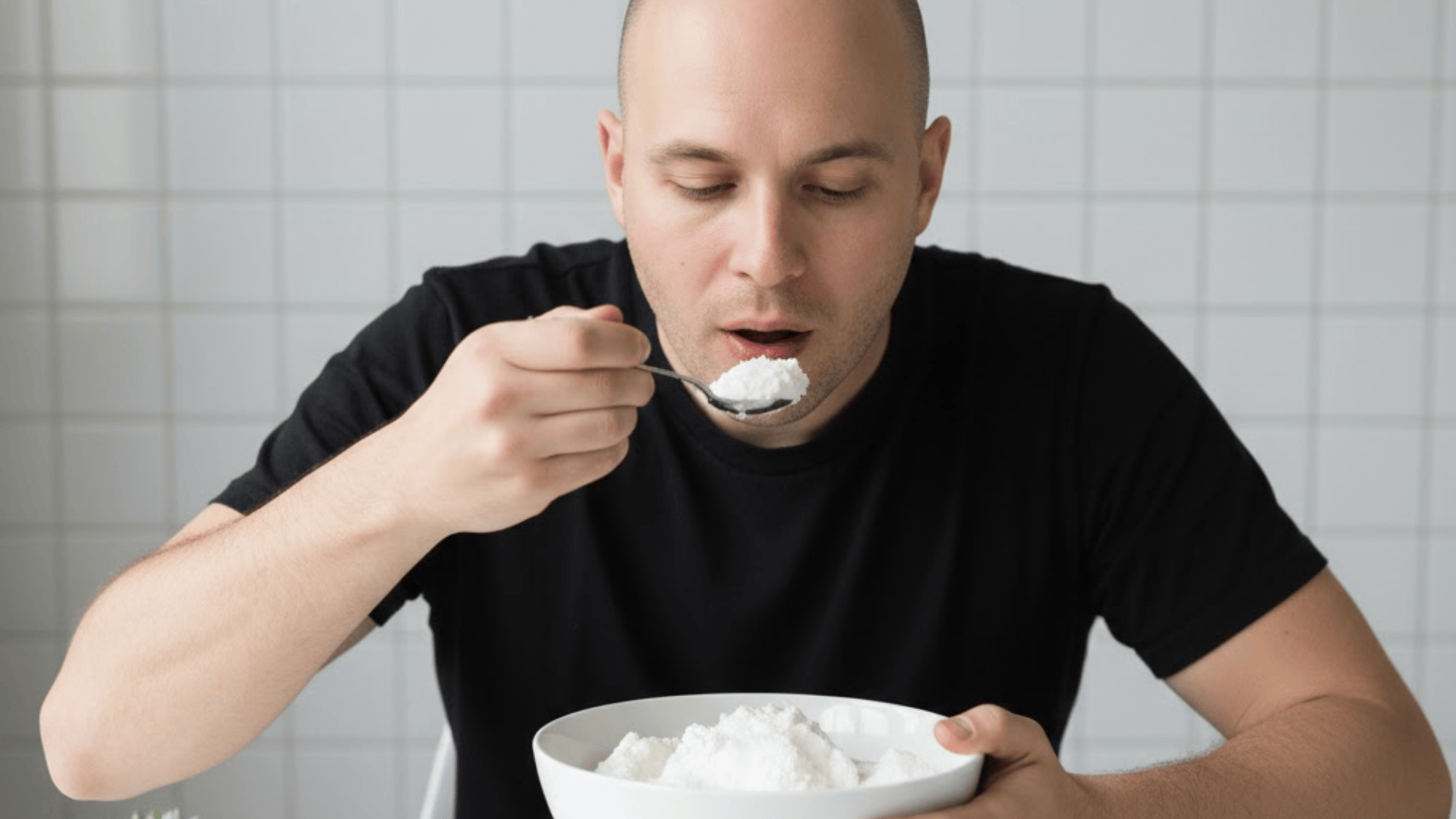
Lard can fit into many diets, but certain groups should limit intake more strictly. Consider whether lard is bad for you based on your individual health context.
1. People Managing Heart Health or High LDL Cholesterol
Saturated fat influences LDL cholesterol, with lard providing 5 grams per tablespoon. For those with heart issues, even moderate lard intake can hinder management.
Opt for unsaturated fats like olive or avocado oil, which support heart health.
2. People Focused on Weight Loss
Calorie density makes lard easy to overconsume, with 115 calories per tablespoon, reducing room for nutrient-dense foods.
High-fat cooking can hinder weight loss silently. Using lighter oils or sprays extends calories without losing flavor.
3. People Using Lard as a Primary Cooking Fat
Relying on lard daily displaces healthier oils linked to better heart health. Rotation is key: using lard occasionally maintains dietary variety, but frequent use limits the benefits from olive, canola, or avocado oil.
Balance avoids over-reliance on saturated fats and preserves diet quality.
Common Myths About Lard
| Myth | What People Believe | The Reality |
|---|---|---|
| Myth #1: Lard Is Basically Olive Oil | Lard and olive oil are nutritionally similar because both contain monounsaturated fat. | Lard has about 46% monounsaturated fat, while olive oil has around 73% and much less saturated fat. This difference matters for heart health. |
| Myth #2: Animal Fat Is Natural, So It’s Healthier | Since lard is natural and less processed, it must be healthier than other fats. | Natural does not always mean healthy. Lard still contains high saturated fat, which can raise LDL cholesterol despite minimal processing. |
| Myth #3: Vegetable Oils Are Always Bad | All vegetable and seed oils are unhealthy and should be avoided. | Some oils deserve scrutiny, but olive, avocado, and canola oils have strong evidence supporting heart health benefits. Context matters. |
Bottom Line
So, is lard healthy? It depends entirely on how I use it and what else fills my plate. Lard isn’t poison, but it’s not a health upgrade over unsaturated oils like olive or avocado oil either.
I can use it occasionally for high-heat cooking or flaky pastries without derailing a balanced diet, but relying on it daily crowds out fats with better cardiovascular evidence.
The saturated fat content adds up fast, and context, what lard replaces, how often I reach for it, and my overall health profile, matter more than any single tablespoon.
If this guide helped clarify the confusion, drop a comment or share it with someone stuck in the lard debate.