

You pick up a cup of green tea and pause for a second. You want something warm and steady, not a strong caffeine hit. Then the thought comes up again: How much caffeine in green tea, really?
I get why that question sticks with you. Green tea sits in a strange middle space. It is not plain water, but it is not coffee either. Some days, it feels calm and grounding. Other days, you notice a gentle lift that surprises you.
If you are watching your caffeine intake, trying to protect your sleep, or slowly changing your daily habits, that uncertainty can feel frustrating.
Here, I will walk you through what is actually happening in your cup, so you can decide if green tea makes sense for your routine and your body.
Does Green Tea Actually Contain Caffeine?
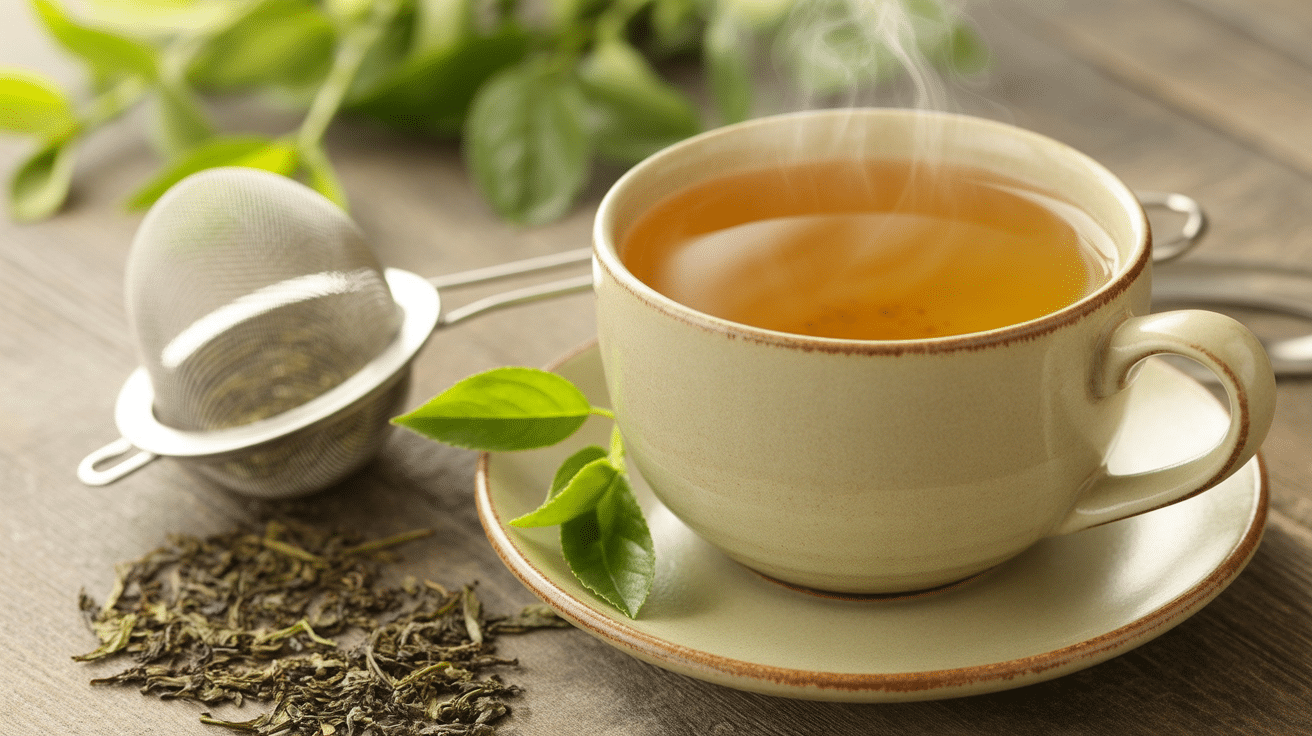
Yes, green tea does have caffeine. This compound occurs naturally in the Camellia sinensis plant. It is not added during processing. Both green and black tea come from the same plant, so all true teas have some caffeine.
Many people think green tea has no caffeine because of its lighter taste compared to coffee and gentler physical effects. Marketing language about “calming” properties adds to this confusion.
Some also mix up green tea with herbal teas, which truly have no caffeine. However, having caffeine does not mean strong stimulation.
Effects differ between people, and green tea has L-theanine, which softens caffeine’s impact for a smoother experience. Now that we know green tea has caffeine, let’s see exactly how much is in your cup.
How Much Caffeine in Green Tea?
Green tea has much less caffeine than coffee, making it a gentler energy source. The exact amount depends on tea type, brewing time, and water temperature.
Standard Caffeine Range in Green Tea
Green tea gives a moderate energy lift with 20-50 mg per 8-ounce cup, about one-third the amount in coffee. The level changes based on leaf quality, tea variety, water temperature, and steeping time.
- Younger leaves have more caffeine than mature leaves.
- Hotter water (above 175°F) pulls more caffeine from tea leaves.
- Longer steeping time (3-5 min) increases levels compared to 1-2 minutes.
- Coffee has 95-200 mg per cup for comparison.
Green Tea Caffeine by Type
Different green tea varieties have varying caffeine levels based on cultivation methods, processing techniques, and which parts of the plant are used.
- Sencha: 25-40 mg per cup; most popular Japanese green tea.
- Matcha: 60-80 mg per serving; the highest caffeine from consuming whole ground leaves.
- Gyokuro: 35-50 mg per cup; shade-grown for higher caffeine.
- Hojicha / Kukicha: 10-20 mg per cup; roasted leaves and stems for lower caffeine.
- Powdered vs Leaf Tea: Powdered forms deliver more caffeine by consuming entire leaves versus infusion only.
Comparing Caffeine: Green Tea vs. Other Drinks
Knowing how green tea compares to other caffeinated beverages helps you make informed choices about your daily caffeine intake and energy needs.
1. Green Tea vs. Black Tea
Both teas come from the same plant, but their different processing methods create big differences in caffeine content and flavor.
| Aspect | Green Tea | Black Tea |
|---|---|---|
| Caffeine Content | 20-45 mg per 8-oz cup | 40-70 mg per 8-oz cup |
| Processing Method | Minimal oxidation; steamed or pan-fired | Full oxidation; leaves fermented |
| Tea Plant | Camellia sinensis | Camellia sinensis |
| Caffeine Extraction | Less extractable due to minimal processing | More extractable due to oxidation process |
| Flavor Profile | Light, grassy, vegetal | Bold, robust, malty |
Both teas come from the same plant, but black tea’s oxidation process makes its caffeine more readily extractable, resulting in nearly double the caffeine content per cup.
2. Green Tea vs. Coffee
Coffee delivers much more caffeine than green tea, but the experience differs due to how each beverage releases caffeine and interacts with other compounds.
| Aspect | Green Tea | Coffee |
|---|---|---|
| Caffeine per 8-oz | 20-50 mg | 95-165 mg |
| Espresso (1-oz) | N/A | 63 mg |
| Energy Release | Gradual, steady | Sharp spike, faster crash |
| L-Theanine | High (calm focus) | None |
| Effect | Smooth alertness | Intense jolt, potential jitters |
Coffee’s higher caffeine creates a sharp energy rise, while green tea’s L-theanine moderates caffeine for steadier, calmer alertness.
3. Green Tea vs. Soda & Energy Drinks
Comparing green tea to sodas and energy drinks shows important differences in caffeine sources, amounts, and additional ingredients that affect your body.
| Beverage | Caffeine Content | Source | Added Stimulants | Sugar |
|---|---|---|---|---|
| Green Tea | 20-50 mg per 8-oz | Natural (tea leaves) | None | Zero |
| Soda | 23-36 mg per 12-oz | Synthetic/added | None | ~39g |
| Energy Drinks | 70-200+ mg per 8-oz | Synthetic/guarana | Taurine, ginseng | 27-54g |
Green tea provides natural caffeine with antioxidants, while energy drinks combine synthetic caffeine with additional stimulants that can cause unpredictable effects.
What Affects Caffeine Levels in Green Tea?
Multiple factors influence how much caffeine ends up in your cup, from the tea leaves themselves to your brewing method and water temperature.
1. Tea Leaf Factors
The type and quality of tea leaves impact caffeine content, with cultivation methods and leaf maturity playing key roles in final caffeine levels.
- Younger leaves have more caffeine: Buds and first flush have highest concentration.
- Shade-grown teas have higher caffeine: Limited sunlight increases caffeine in gyokuro and matcha.
- Powdered tea delivers maximum caffeine: Consuming whole leaves provides all caffeine.
- Leaf grade matters: Higher quality intact leaves have more caffeine.
2. Brewing Factors
Your brewing technique changes caffeine extraction dramatically, giving you control over the strength and caffeine content of your tea.
- Hotter water extracts more caffeine: 175-185°F releases more than 160-170°F.
- Longer steeping increases caffeine: 3-5 minutes extracts more than 1-2 minutes.
- More tea leaves means more caffeine: Quantity directly impacts caffeine levels.
- Loose leaf extracts better: Better water circulation than tea bags.
3. Cold Brew vs. Hot Brew
Cold brewing green tea creates a mellower beverage with reduced caffeine, making it ideal for those monitoring their caffeine intake.
- Cold brew extracts 50-70% less caffeine: 6-12 hour steeping releases minimal caffeine.
- Ideal for caffeine-sensitive people: Enjoy flavor and antioxidants with less stimulation.
- Smoother, sweeter taste: Lower extraction reduces bitterness.
- Evening-friendly option: Safe for afternoon and evening consumption.
Why Green Tea Feels Different Than Coffee
Green tea’s unique caffeine experience comes from its natural compounds working together, creating a smoother and more balanced energy lift than coffee provides.
L-Theanine and Caffeine Together
Green tea has L-theanine, a rare amino acid that works with caffeine to create calm, focused energy. Here’s how this powerful combination works:
The L-Theanine Effect:
- Promotes alpha brain wave activity for relaxed alertness.
- Slows caffeine absorption to prevent spikes and crashes.
- Reduces jitters, anxiety, and rapid heart rate.
- Creates sustained focus lasting 4-6 hours.
Green Tea vs Coffee Experience:
- Green tea: 20-50 mg caffeine + 20-30 mg L-theanine per cup.
- Coffee: 95-165 mg caffeine with no L-theanine.
- Result: Smooth energy vs sharp jolt.
Notes: Many people report that this combination feels gentler than coffee, especially during long work hours.
What Tea Drinkers Say About Green Tea Caffeine
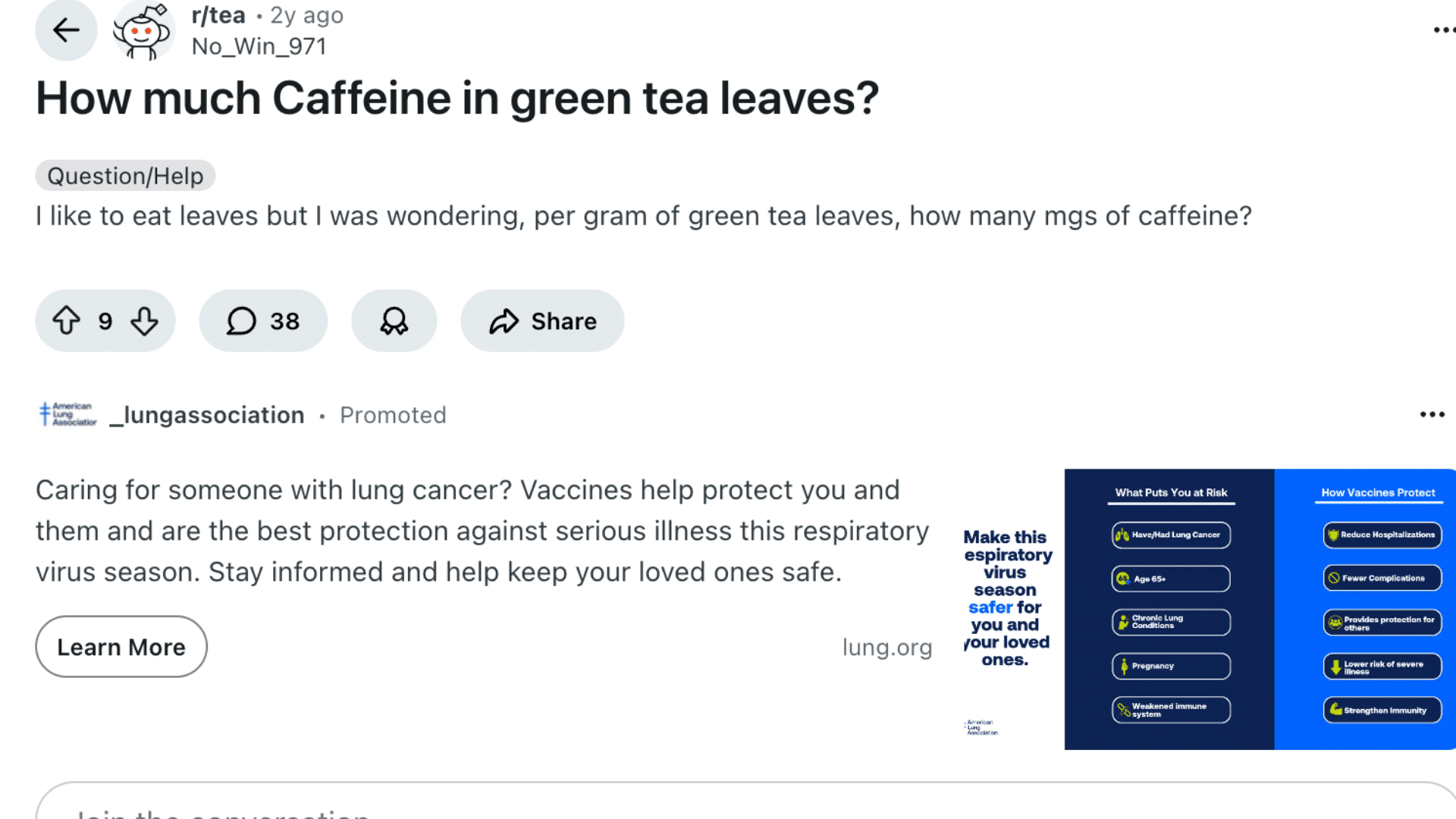
Tea communities often discuss how green tea’s caffeine feels different from coffee. Users report that green tea gives them focus without making them feel wired or anxious. Many mention they can drink it in the afternoon without affecting their sleep.
Some tea lovers note that Japanese green teas like sencha feel stronger than Chinese varieties. Others share that they switched from coffee to green tea because it does not upset their stomach. The general agreement is simple: green tea offers gentle energy that lasts longer and feels calmer than coffee’s quick rush.
Who Should Be More Careful
Certain people may need to monitor or limit their green tea intake due to caffeine sensitivity, health conditions, or potential interactions with medications.
- Caffeine sensitivity: Those who experience jitters, rapid heartbeat, or anxiety from small amounts of caffeine should limit intake to 1-2 cups daily or choose low-caffeine varieties like hojicha.
- Pregnancy and breastfeeding: Pregnant women should limit caffeine to 200 mg daily; consult healthcare providers about safe green tea consumption.
- Anxiety or sleep disorders: Caffeine can worsen anxiety symptoms and disrupt sleep patterns; avoid green tea 4-6 hours before bedtime.
- Medication interactions: Green tea may interact with blood thinners, stimulants, and certain medications; consult your doctor if taking prescription drugs.
Simple Adjustments to Control Your Caffeine Intake
Controlling your green tea’s caffeine content is simple with a few practical adjustments. Choose low-caffeine varieties like hojicha or kukicha for minimal stimulation, or opt for matcha and gyokuro when you need maximum energy.
Brewing technique matters a lot; use cooler water (160-170°F) and shorter steeping times (1-2 minutes) to reduce caffeine extraction by up to 50%. For even lower caffeine, try cold brewing overnight.
On the other hand, increase caffeine by using hotter water (180-185°F), steeping longer (3-5 minutes), and adding more tea leaves.
You can also practice the “caffeine rinse” method: steep leaves for 30 seconds, discard the water, then re-steep—this removes roughly 80% of caffeine while preserving flavor and antioxidants.
Final Thoughts
Now you have a clear idea of how much caffeine in green tea and why it feels different from many other drinks. It is not caffeine free, but it is also not too strong for most people.
That middle ground is what helps green tea work well in many daily routines. I hope this guide helped you feel more sure about what you are drinking and how your body may respond to it.
If you still have questions, you may want to read my other blogs where I explain caffeine in coffee, black tea, and energy drinks in simple terms.
I also share practical ways to manage caffeine without cutting out the drinks you enjoy. Take a look and keep learning what fits best into your day.