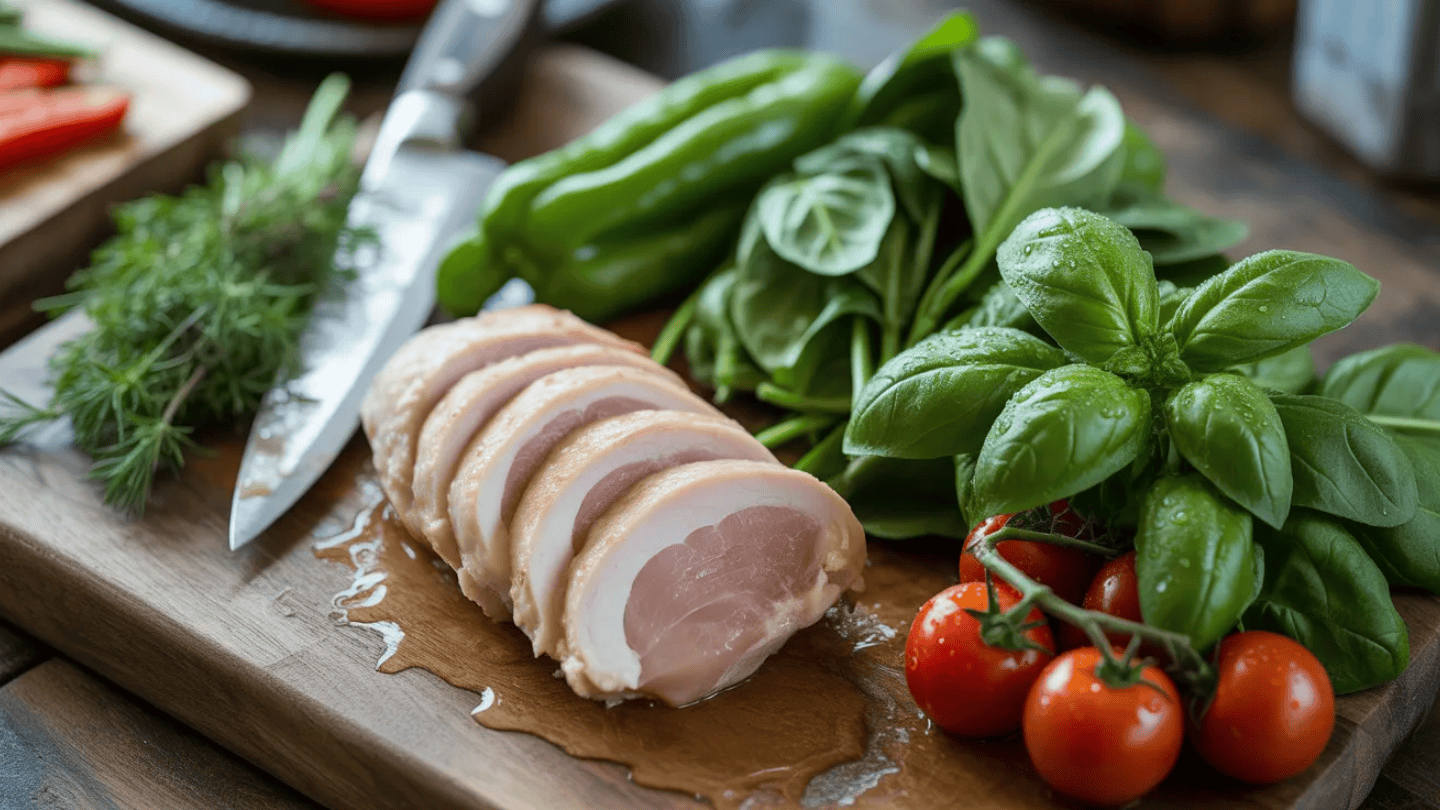

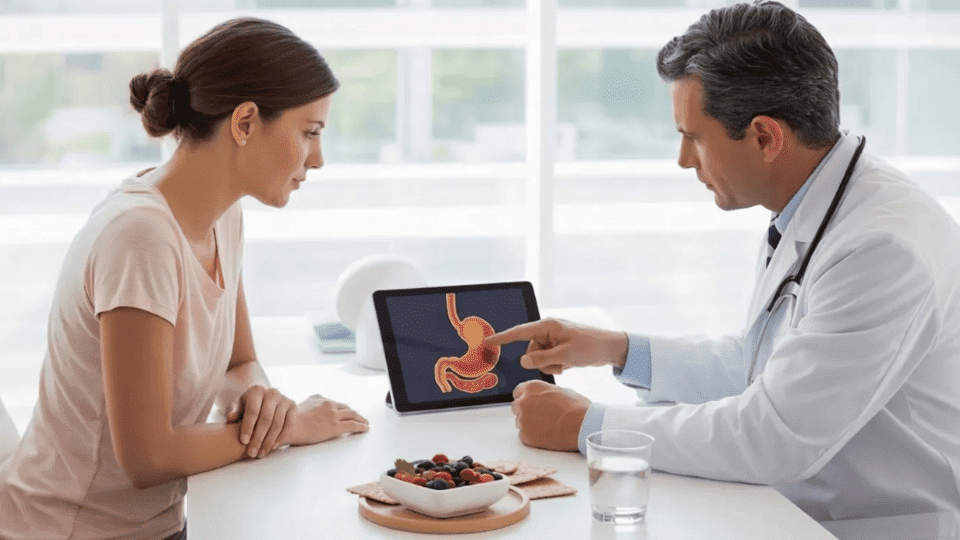
Constipation can make you feel slow, uncomfortable, and even a little upset. I know how frustrating it is when your stomach just won’t cooperate. The good news is that foods that help with constipation can make a real difference.
What you eat every day affects how your body digests food and how easily you go to the bathroom. Here, I’ll share simple and natural foods that support digestion and help things move along.
You’ll learn which fruits, vegetables, grains, and other foods can help relieve constipation. I’ll also explain how fiber and water work together and share easy tips you can use right away to feel better.
Foods That Help With Constipation
If you are constipated, the safest and most effective place to start is your diet. The right foods can gently support your digestion without relying on quick fixes.
The best foods for constipation typically contain one or more of the following:
- Fiber: Adds bulk to stool and helps it move through the digestive system
- Water content: Softens stool, making it easier to pass
- Healthy fats: Help lubricate the digestive tract
Some foods also naturally stimulate gut movement, helping your body function more efficiently without the need for harsh laxatives.
While laxatives may provide temporary relief, they don’t address the root cause. Food, on the other hand, works with your body rather than forcing a result.
By consistently eating fiber-rich foods and staying well-hydrated, you can:
- Improve stool consistency
- Support regular bowel movements
- Create a more predictable digestive routine
Small, consistent changes in what you eat can lead to long-term relief and better overall gut health.
Best Foods to Eat for Natural Relief
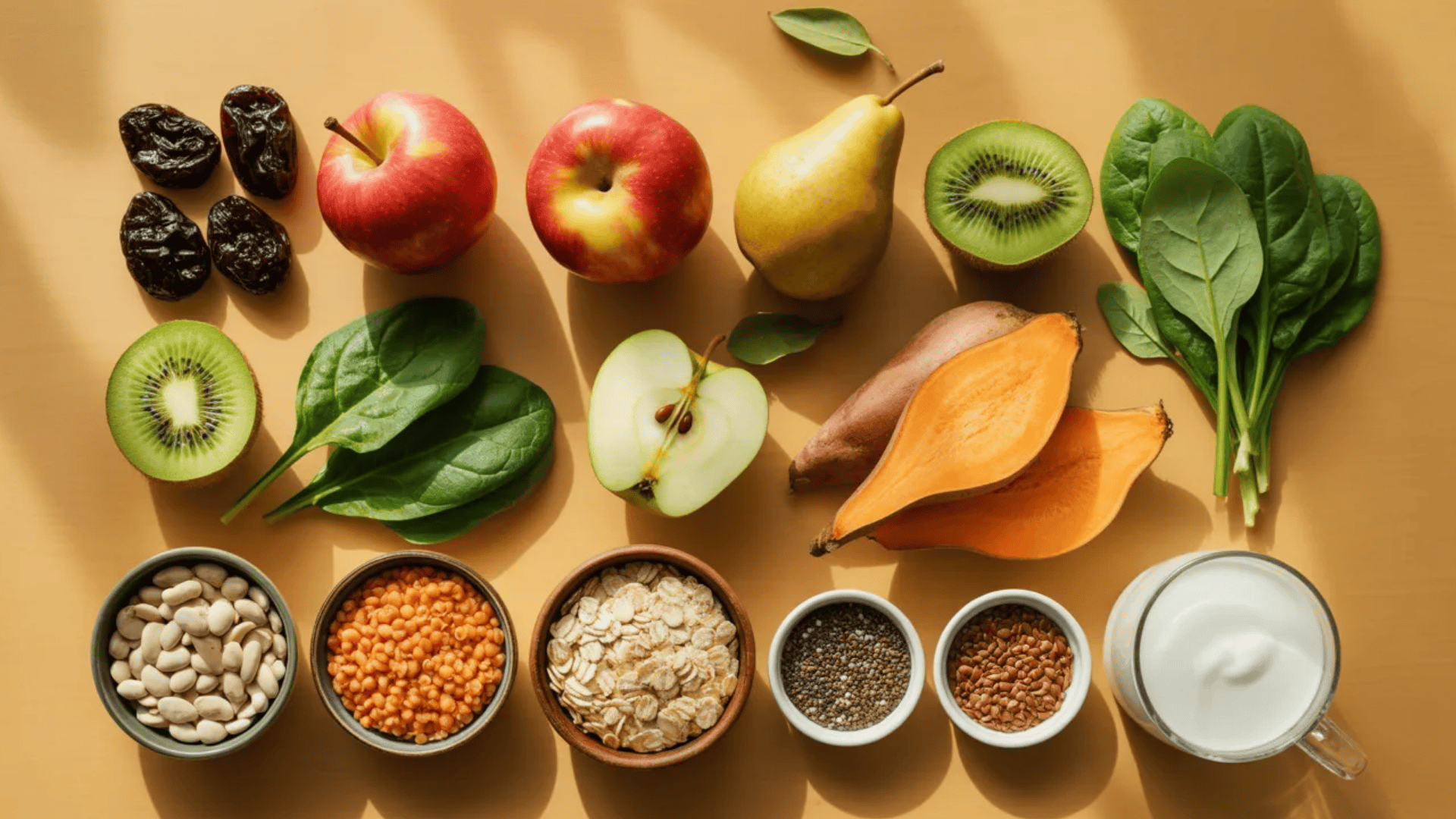
When constipation hits, what you eat matters more than you think. These foods that help with constipation work by adding fiber, moisture, or healthy fats that support natural stool movement, without harsh laxatives.
1. Prunes and Prune Juice
If you want something that works quickly and reliably, this is often the best place to start.
Prunes are one of the most effective natural remedies for constipation. They contain fiber and sorbitol, which help pull water into the stool and make it easier to pass.
- High in fiber and sorbitol
- Eat 4–6 prunes or drink ½ cup of prune juice
- Best taken in the morning
- Can work within a few hours
This makes prunes a fast-acting option that can quickly bring your digestion back on track.
2. Apples With the Skin On
For something simple, you can include everyday, apples are a great starting point.
Apples support digestion when eaten whole with the skin, providing both soluble and insoluble fiber that improve stool movement.
- Eat 1 whole apple daily
- Provides soluble + insoluble fiber
- Contains pectin for gut movement
- Avoid juice; it lacks fiber
Including apples regularly helps maintain steady and natural bowel movements.
3. Pears
If you’re looking for a softer and more hydrating option, pears fit well into your routine. Pears combine fiber and water, which helps soften stool and ease digestion without irritation.
- Eat 1–2 ripe pears daily
- High in fiber and water content
- Gentle on the stomach
- Helps with bloating and discomfort
This makes pears a soothing option for improving digestion comfortably.
4. Kiwi
For a light yet effective option, kiwi delivers strong digestive support. Kiwi contains fiber and natural enzymes that help improve bowel movement frequency and ease.
- Eat 1–2 kiwis daily
- Contains fiber + digestive enzymes
- Supports stool frequency
- Works within a few days
Adding kiwi to your routine can improve digestion in a simple and refreshing way.
5. Leafy Green Vegetables
When building balanced meals, leafy greens play an important role in digestion. They are rich in fiber and magnesium, which help draw water into the stool and support smoother bowel movements.
- Eat 1 cup cooked greens daily
- High in fiber and magnesium
- Helps soften stool naturally
- Cooked food is easier to digest
Including leafy greens regularly helps your digestive system work more efficiently.
6. Sweet Potatoes
If you need something gentle that still supports regularity, sweet potatoes are a reliable choice. They are easy to digest and provide fiber that supports regular and comfortable bowel movements.
- Eat 1 medium cooked sweet potato
- Rich in fiber
- Best when boiled or baked
- Less likely to cause gas
This makes sweet potatoes a reliable food for steady digestion without discomfort.
7. Lentils and Beans
For a stronger fiber boost, lentils and beans are among the most effective options. They add bulk to stool and help it move more easily through the intestines.
- Start with ½ cup cooked
- Very high in fiber
- Soak before cooking to reduce gas
- Increase intake gradually
With consistent intake, they can significantly improve digestion and regularity.
8. Oats and Oatmeal
To create a daily routine that supports digestion, oats are an excellent addition. They contain soluble fiber that absorbs water and helps soften stool.
- Eat 1 bowl in the morning
- Rich in soluble fiber
- Helps trigger bowel movement
- Drink enough water with it
Making oats part of your morning routine supports predictable digestion.
9. Chia Seeds
If you’re looking for a small but powerful addition, chia seeds are highly effective. They absorb water and create a gel-like texture that helps stool move smoothly.
- Use 1–2 tablespoons daily
- Always soak before eating
- Forms gel for smooth movement
- Drink enough fluids
This makes chia seeds an easy way to boost fiber intake efficiently.
10. Ground Flaxseeds
For added support in both movement and comfort, flaxseeds are worth including. They provide fiber and healthy fats that help lubricate the intestines.
- Use 1 tablespoon daily
- Choose ground flaxseeds
- Contains fiber + healthy fats
- Add to smoothies or meals
Regular use can make bowel movements smoother and more comfortable.
11. Yogurt With Live Probiotics
To support digestion over the long term, probiotics are an important addition. Yogurt with live cultures supports healthy bacteria that improve digestion over time.
- Eat 1 bowl daily
- Contains live probiotics
- Supports gut balance
- Choose plain, no added sugar
With consistent use, this helps maintain regular and healthy digestion.
High-Fiber Foods Chart for Constipation
To make it easier for you to plan meals that support smooth digestion, here’s a high-fiber foods chart for constipation. It shows the fiber content and type, and how each food helps relieve constipation.
| Food | Fiber per Serving | Type of Fiber | Benefit for Constipation |
|---|---|---|---|
| Split Peas | 8g (½ cup cooked) | Soluble + Insoluble | One of the highest fiber legumes promotes gut movement |
| Raspberries | 8g (1 cup) | Insoluble | Adds bulk and retains water in stool |
| Lentils | 7.8g (½ cup cooked) | Soluble + Insoluble | Adds bulk and supports regular bowel movements |
| Black Beans | 7.5g (½ cup cooked) | Soluble + Insoluble | Helps soften stool and prevent constipation |
| Chia Seeds | 5g (1 tbsp) | Soluble | Absorbs water and helps stool move smoothly |
| Oats / Oatmeal | 4g (½ cup dry) | Soluble | Softens stool and improves digestion |
| Pears (with skin) | 4g (1 medium) | Soluble + Insoluble | Water-rich, gentle on the gut |
| Apples (with skin) | 4g (1 medium) | Soluble + Insoluble | Supports gut movement and adds |
Adding these foods to your daily diet, along with plenty of water, can help keep your bowel movements regular and reduce constipation over time.
Hydration and Fluids That Help Fiber Work Better
Eating fiber-rich foods is essential for relieving constipation, but fiber alone isn’t enough; you also need adequate fluids for it to work effectively.
Water plays a key role by helping fiber absorb moisture, which softens stool and makes it easier to pass. Without enough hydration, fiber can have the opposite effect and make constipation worse.
Fluids that Support Digestion
- Water: The most effective and simplest way to stay hydrated
- Herbal teas: Gentle on the stomach and help promote regularity
- Clear soups: Add both hydration and light nourishment
- Coconut water: Provides fluids along with natural electrolytes
- Coffee: Caffeinated coffee stimulates colon contractions; one to two cups daily is enough to notice a digestive effect for most people
How to Make It Work Better
- Pair high-fiber foods (fruits, vegetables, oats, beans) with fluids
- Sip water consistently throughout the day instead of all at once
- Build small habits like carrying a water bottle or drinking tea after meals
- Aim for at least 8 glasses of water per day when increasing fiber intake; fiber acts like a sponge and needs adequate water to do its job
These simple adjustments help your digestive system function more smoothly and support regular, comfortable bowel movements.
Foods to Avoid When You Are Constipated
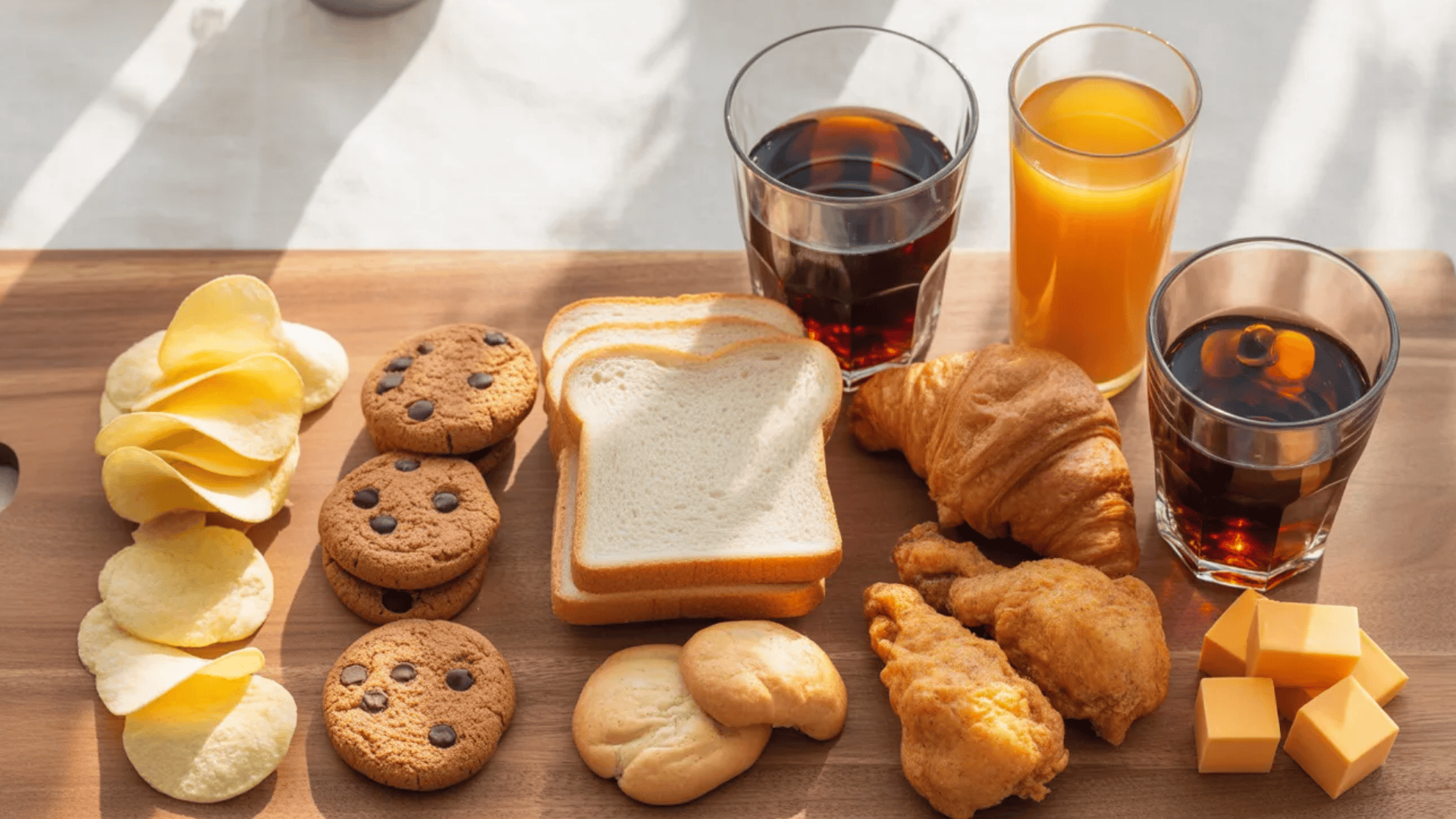
Even when you are trying to eat healthy, some foods can actually make constipation worse. Here are the main ones to watch out for:
- Processed foods: Chips, fast food, and packaged snacks are low in fiber and can slow down your digestion.
- Excess dairy: Cheese, whole milk, and other full-fat dairy products can make stool harder for some people.
- Refined grains: White bread, pasta, and pastries are stripped of fiber and don’t support regular bowel movements.
- Added sugar: Sweets and sugary drinks can upset digestion and may worsen constipation.
- Fried or greasy foods: These can be harder to digest and may slow down gut movement.
- Ultra-processed foods specifically: Gastroenterology and Hepatology found that every 10% increase in daily calories from ultra-processed foods raised the odds of constipation by 17%.
This category includes not just chips and fast food, but packaged foods with long ingredient lists full of additives, emulsifiers, and artificial preservatives.
Limiting these foods and focusing on fiber-rich fruits, vegetables, whole grains, and legumes, along with plenty of water, can make your digestion smoother and more comfortable.
When Diet Isn’t Enough?
Even if you’re eating plenty of fiber-rich foods, drinking enough water, and staying active, constipation can sometimes persist. This is usually a sign that diet alone may not be enough to fix the problem.
Important signs to watch for: Severe or ongoing abdominal pain, blood in your stool, unexplained weight loss, or constipation lasting more than two to three weeks warrant a prompt visit to a doctor. These can occasionally signal underlying conditions that go beyond diet.
Chronic constipation or underlying health issues may require professional evaluation and treatment. Getting medical advice early ensures you receive the right care and can achieve safe, lasting relief without relying solely on dietary changes.
Conditions like irritable bowel syndrome with constipation (IBS-C), hypothyroidism, pelvic floor dysfunction, and certain neurological conditions can all present as persistent constipation that does not respond well to dietary changes alone.
A gastroenterologist can evaluate these possibilities if basic dietary adjustments do not lead to improvement within a few weeks.
Bottom Line
Constipation does not have to be something you struggle with every day. By choosing the right foods that help with constipation, you can support your digestion in a gentle and natural way.
Small changes, like adding more fiber-rich foods and drinking enough water, can lead to big improvements over time. I’ve found that being patient and listening to your body really helps.
Try adding one or two constipation-friendly foods each day instead of changing everything at once. If your symptoms don’t improve, it’s okay to talk to a doctor. Start today by picking one food from this list and giving your gut the care it deserves.
Frequently Asked Questions
How fast can foods relieve constipation?
Relief speed varies by food. Prunes may work within hours, while kiwi can take a few days. High-fiber foods and yogurt usually need one to two weeks.
What is the best single food for constipation?
Prunes are widely supported by research for improving stool frequency and softness. Kiwi is another strong option, especially for those who experience bloating with prunes.
Can water alone fix constipation?
Water helps soften stool, but it is usually not enough alone. It works best when combined with adequate fiber intake to improve bowel movement regularity and ease.
Can too much fiber cause problems?
Yes, increasing fiber too quickly can lead to gas and discomfort. Gradual increases with enough fluids help prevent worsening symptoms and support smoother digestion.
Which foods help children with constipation?
Fruits like pears, prunes, and apples, along with oatmeal, can help. Adjust intake based on age and consult a pediatrician for ongoing or severe concerns.