

I used to think spicy peanut butter noodles were something you only ordered at a restaurant, not made at home. But once you try them in your own kitchen, you realize how simple they really are.
You’ve probably run into issues like sauce that turns too thick, noodles that stick together, or heat that overpowers everything.
That’s exactly why this dish matters. When done right, spicy peanut butter noodles give you bold flavor, comfort, and flexibility in one bowl. You can keep it quick, adjust the spice, or stretch it for more people.
Below, I walk you through clear steps, smart fixes, and easy options so everything comes together smoothly from start to finish.
How to Make Spicy Peanut Butter Noodles (Quick Answer)
If you want spicy peanut butter noodles that taste rich, savory, and balanced, this method gets you there fast.
You’ll cook the noodles, build a bold peanut chili sauce, and bring everything together while it’s still hot so the sauce sticks properly.
This version works with any noodles, can be made with or without meat, and is easy to adjust based on how spicy or saucy you like it.
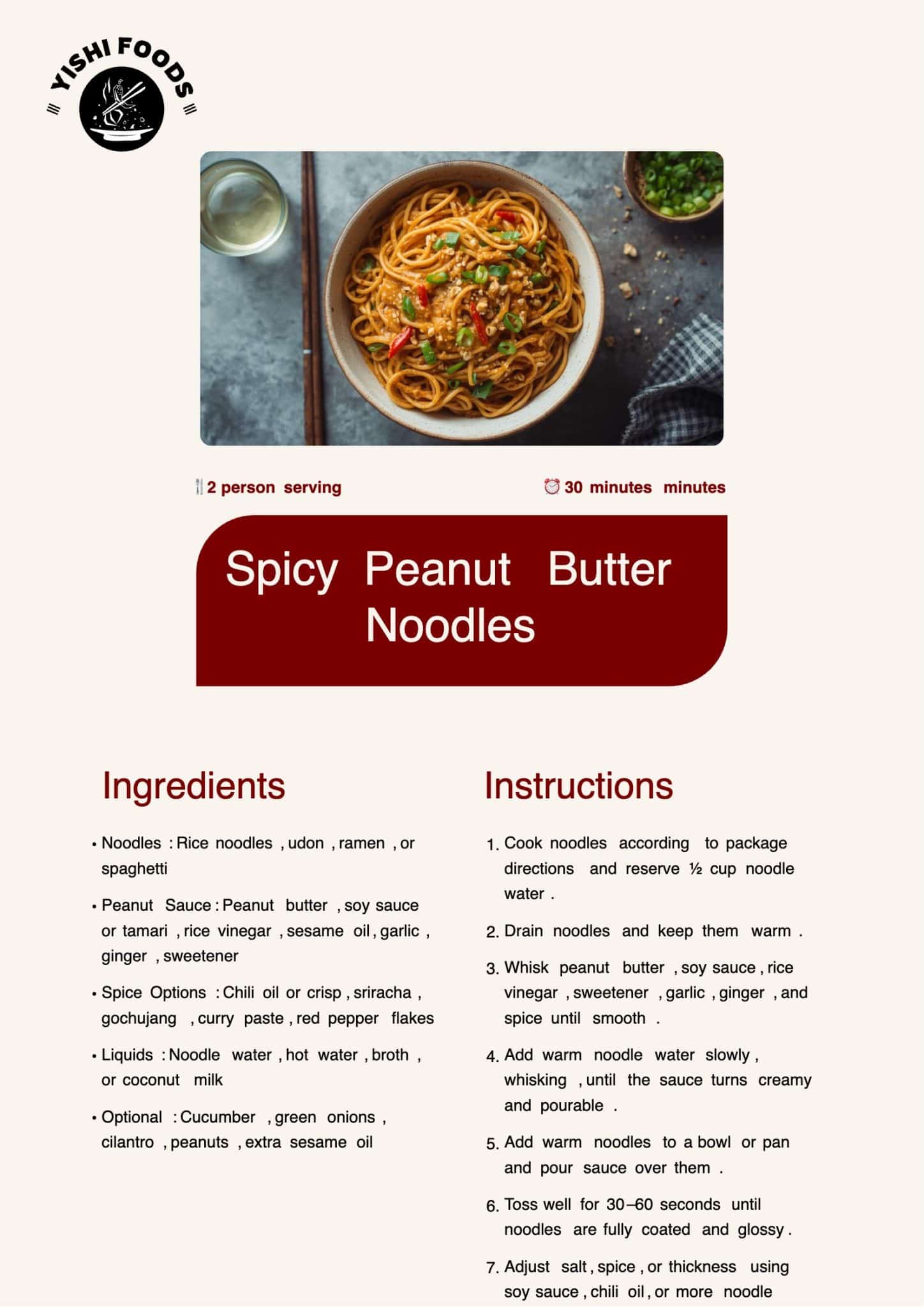
Ingredients You Need
| Category | Options |
|---|---|
| Noodles | Rice noodles, udon or ramen, regular pasta or spaghetti |
| Peanut Sauce Base | Peanut butter (smooth), soy sauce or tamari, rice vinegar, toasted sesame oil, fresh garlic, fresh ginger, sweetener (sugar, maple syrup, or honey) |
| Spice Options | Chilli oil or chili crisp, sriracha, gochujang, Thai red curry paste, red pepper flakes |
| Liquids to Thin the Sauce | Reserved noodle water, hot water, broth, and coconut milk |
Use any noodles. Whisk the peanut sauce. Add spice gently. Thin with warm liquid so the sauce turns smooth, not thick.
Serving
- Serves 2 people as a filling main dish
- Serves 3–4 people when paired with vegetables or protein
- Adjust sauce thickness with extra noodle water if stretching portions
Step 1: Cook the Noodles and Save Some Noodle Water
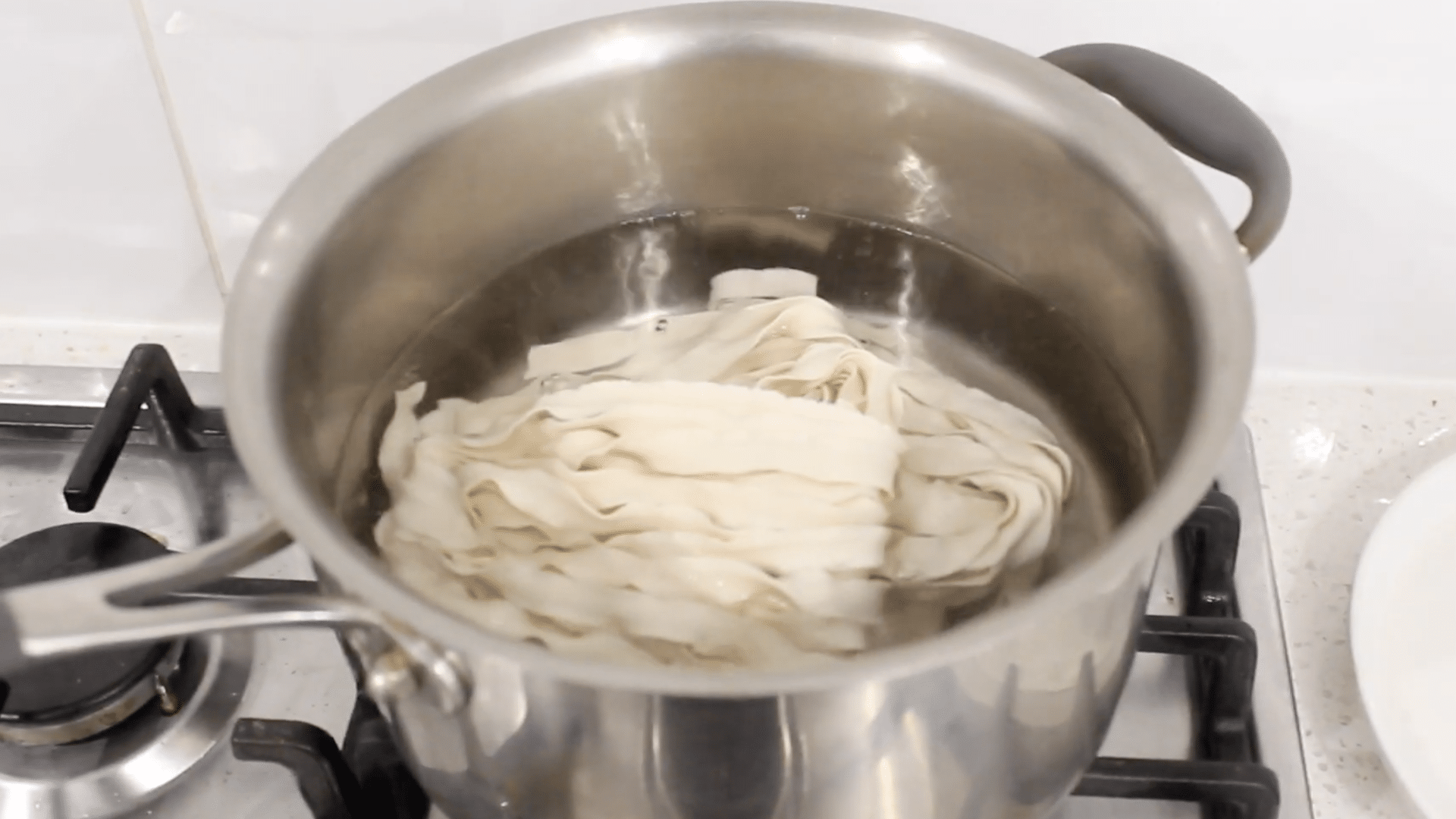
Bring a pot of water to a boil and cook your noodles based on the package time. Rice noodles, udon, ramen, or even spaghetti all work here.
Before you drain, scoop out about 1/2 cup of noodle water and set it aside. This starchy water helps your peanut butter sauce mix smoothly and cling to the noodles.
Drain the noodles and keep them warm so they do not stick together while you finish the sauce.
Step 2: Whisk the Peanut Sauce Ingredients Until Smooth
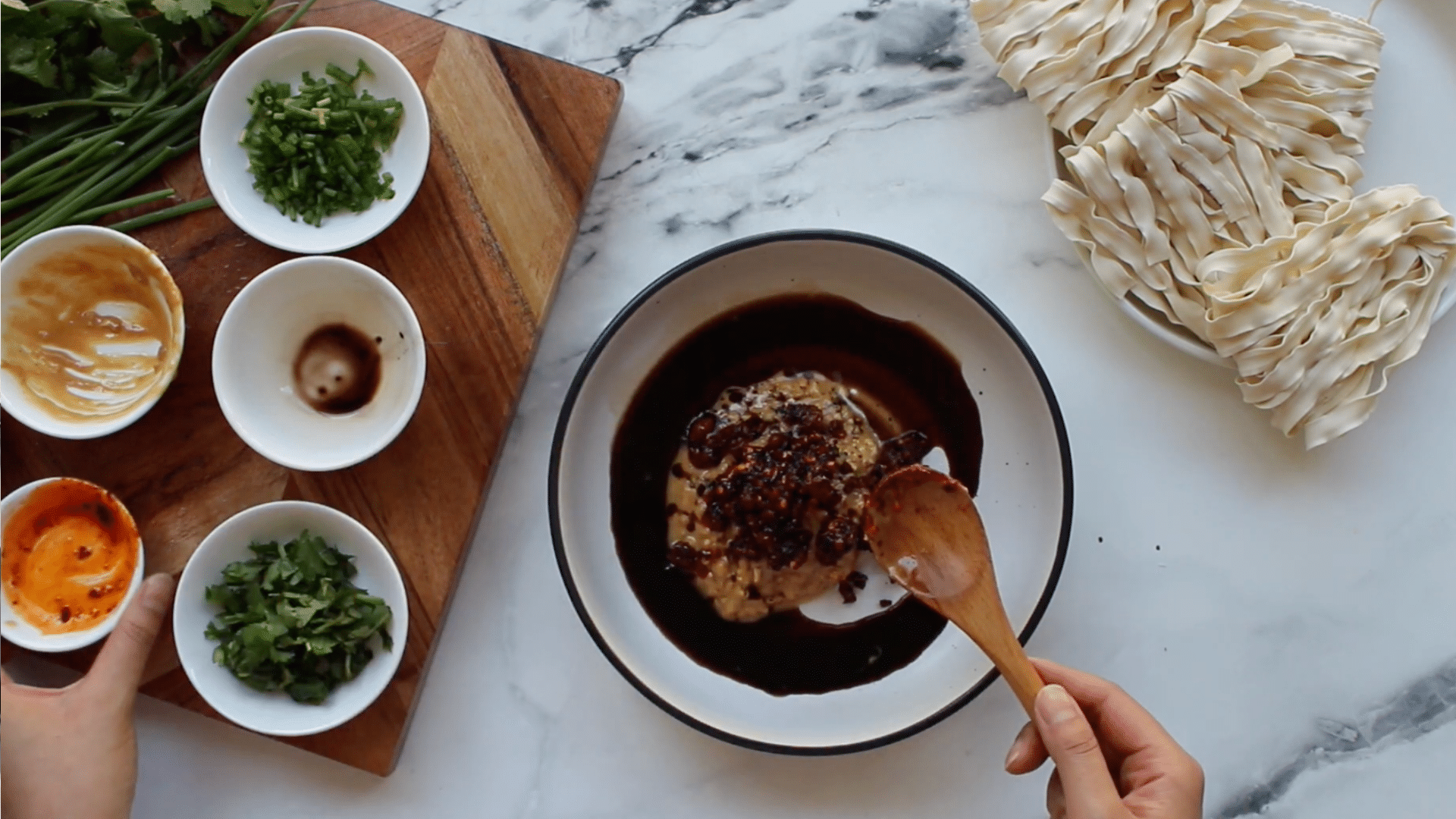
In a bowl, add peanut butter, soy sauce or tamari, rice vinegar, sugar or another sweetener, minced garlic, and grated ginger. For heat, add chili crisp, chilli oil, sriracha, gochujang, or Thai red curry paste.
Start small because you can always add more later. Whisk well until the mixture looks thick but even. If the peanut butter is stiff, keep whisking until you do not see streaks and the sauce looks creamy and blended.
Step 3: Toss Noodles With the Sauce While Everything is Warm
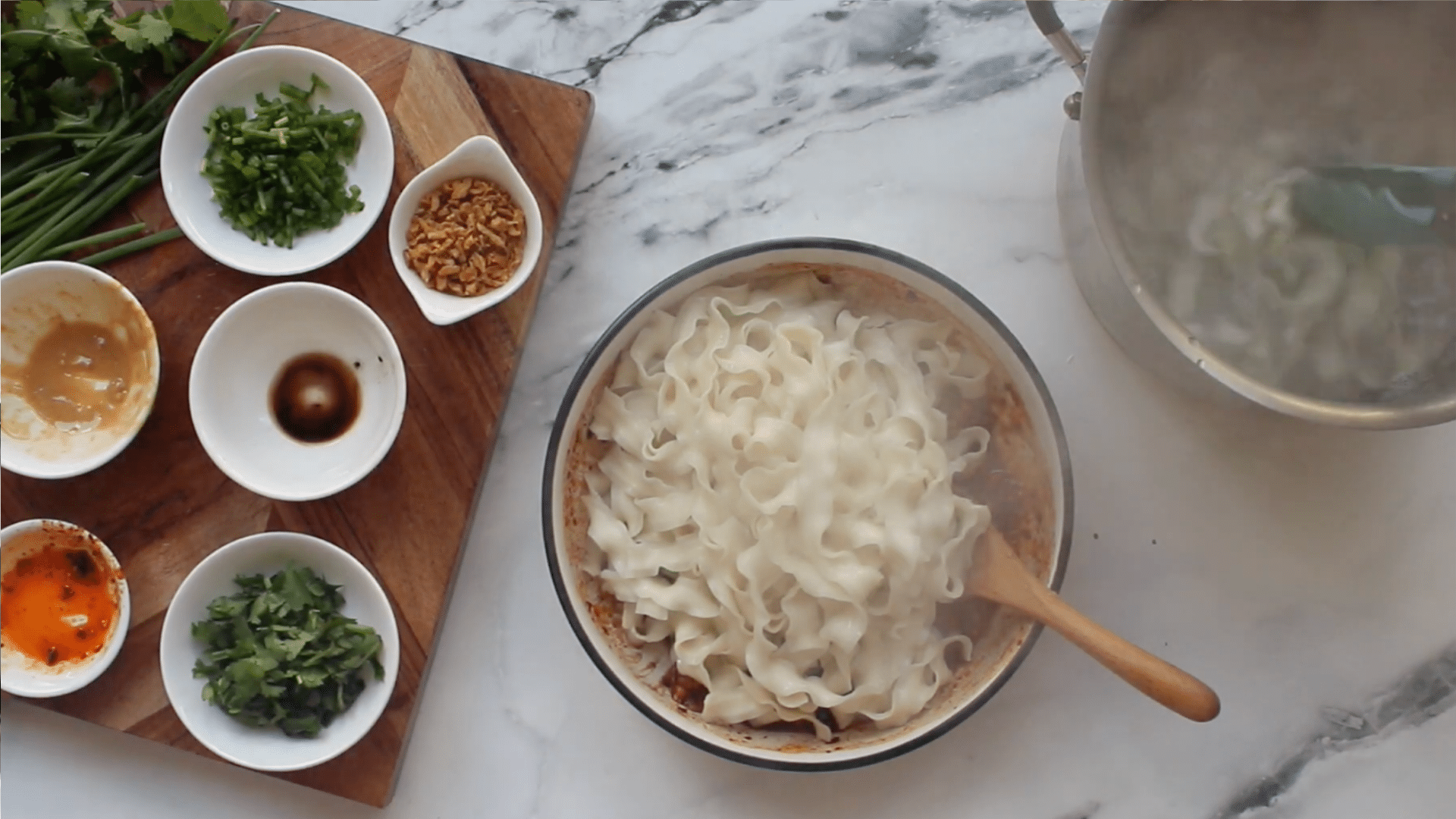
Add the warm, drained noodles to a large bowl or pan. Pour the sauce over the noodles and toss well until every strand is coated. If you are cooking meat, you can also add the sauce to the hot pan with cooked pork or chicken, then toss the noodles right in.
If the noodles look dry, add another splash of noodle water and toss again. Keep mixing for 30 to 60 seconds so the sauce sticks and turns glossy.
Step 4: Adjust the Spice, Salt, and Thickness to Your Taste
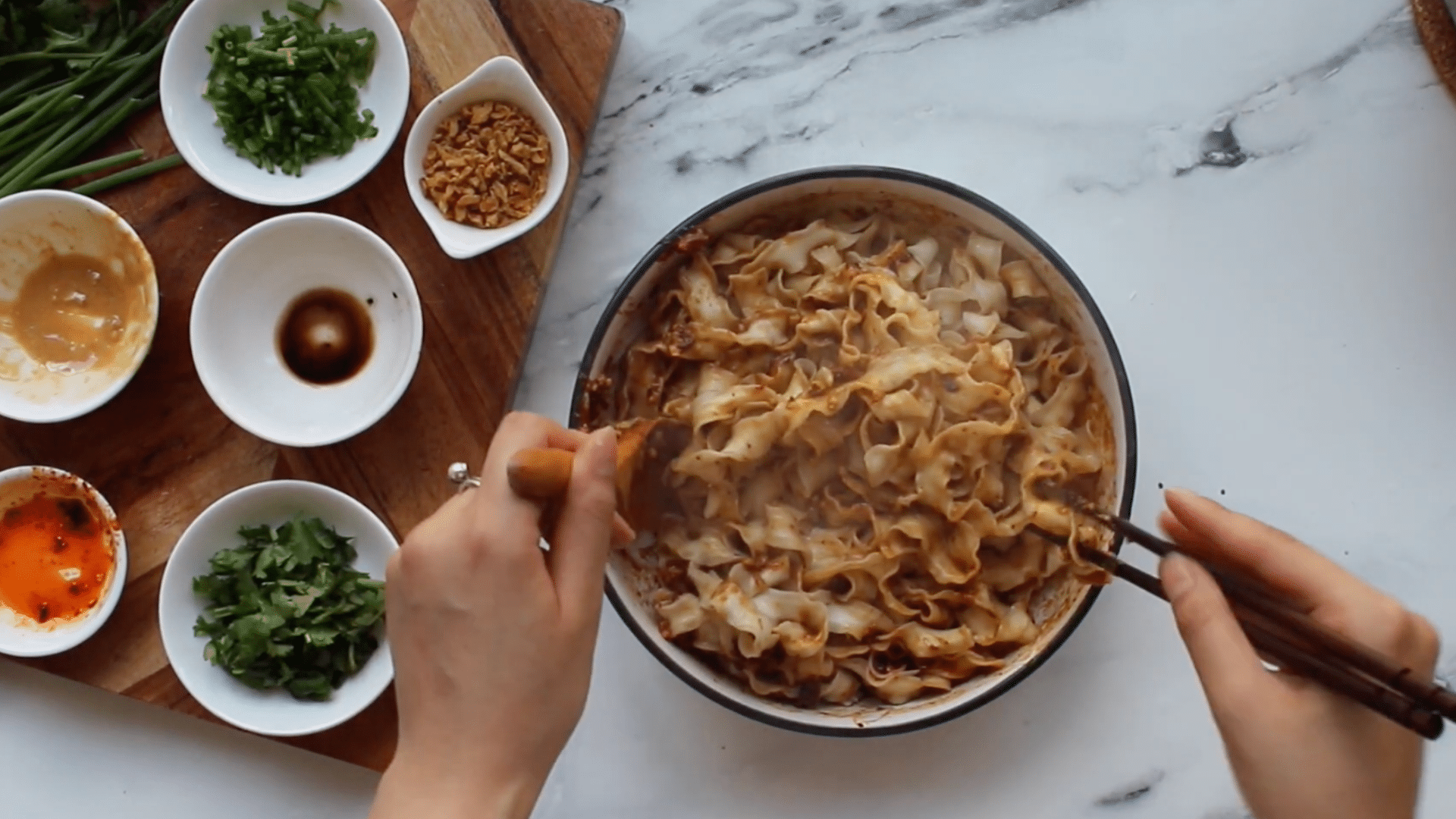
Take a quick bite and tweak the flavor before serving. If it needs more salt, add a small splash of soy sauce. If it tastes too salty, add a little more peanut butter or a squeeze of lime.
If it needs more heat, add another small spoon of chili crisp or a drizzle of chilli oil. If it needs balance, add a pinch more sugar. If it feels too thick, loosen it with warm noodle water until it looks creamy again.
Step 5: Top and Serve Right Away
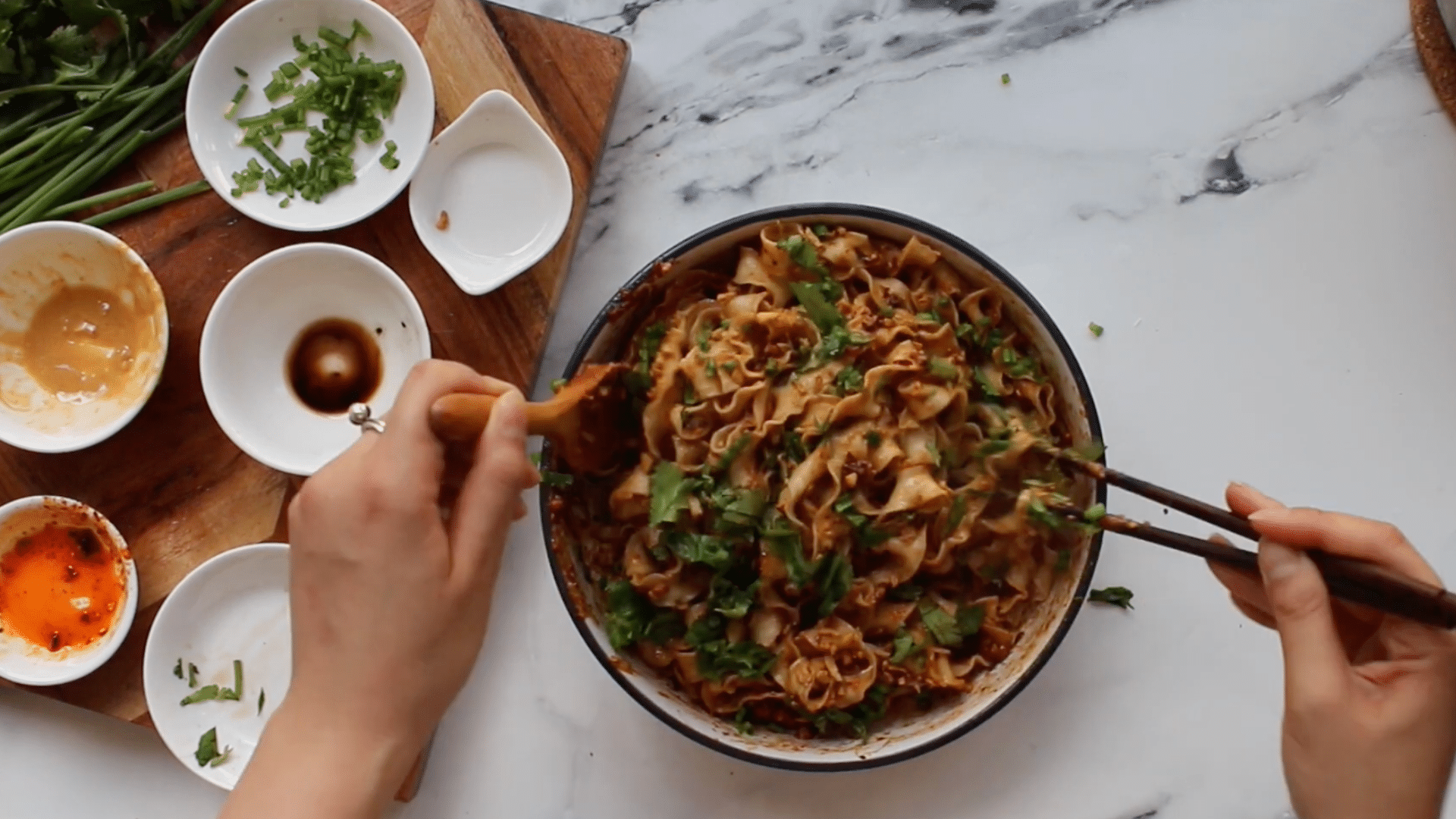
Serve the noodles hot and add toppings for crunch and freshness. Cucumber strips help cool the spice and add a clean bite. Green onions and cilantro add a fresh lift, but you can skip cilantro if you do not like it.
A small handful of peanuts adds crunch and makes the dish feel more filling. If you want extra aroma, add a tiny drizzle of toasted sesame oil right before eating. These noodles also taste good cold later, but loosen the sauce first.
Choose Your Peanut Noodle Style
Pick the style that fits your mood: creamy and coated, brothy and slurpy, or cold and crisp for lunch boxes.
1. Creamy Tossed Peanut Butter Noodles
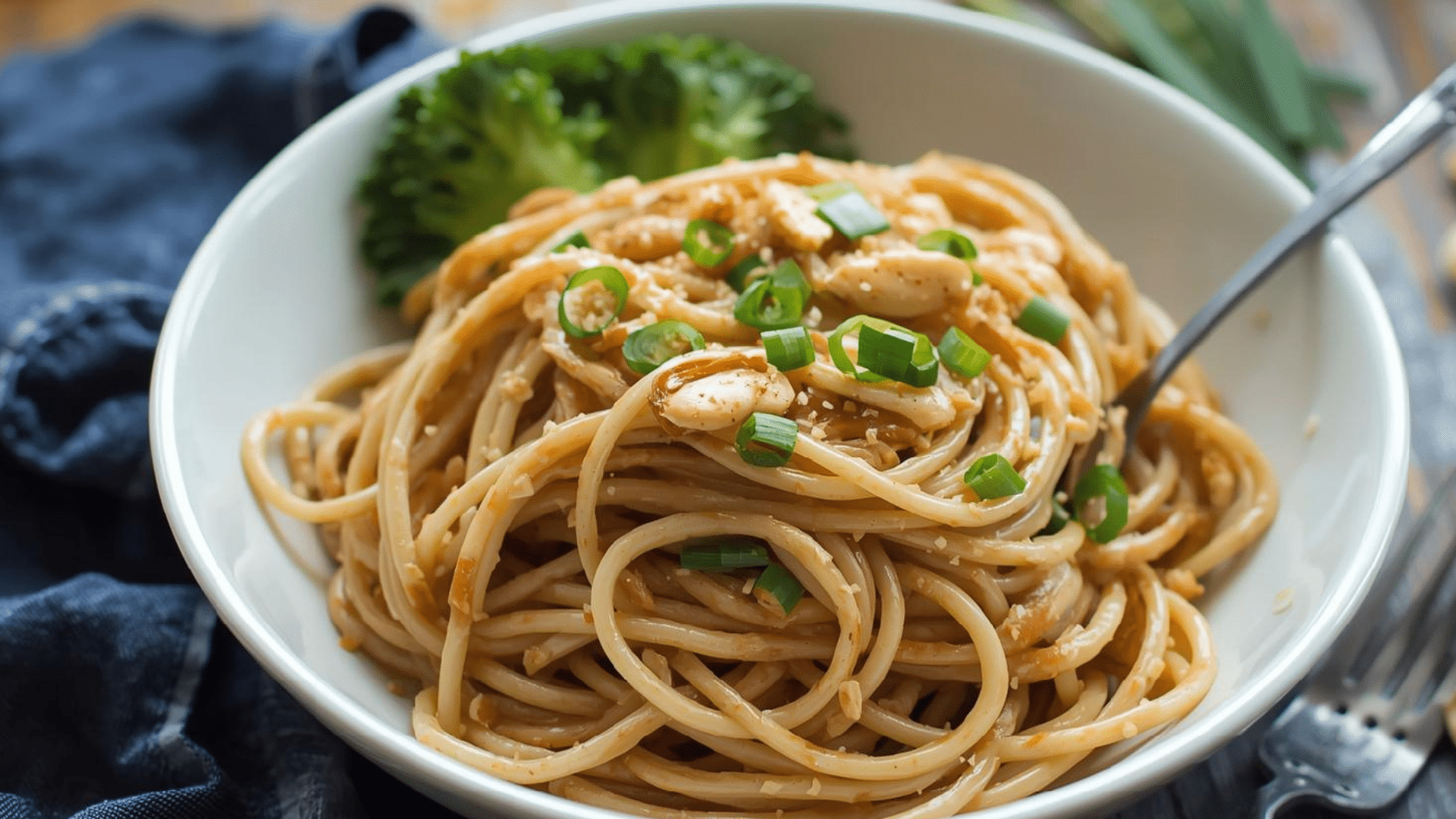
This style gives you thick, glossy peanut butter noodles where the sauce clings to every strand. It is the fastest option because you cook noodles, whisk a sauce, and toss everything together while warm.
Rice noodles and spaghetti work especially well because they hold onto creamy sauces. If the sauce looks too thick, loosen it with warm noodle water until it turns smooth and coats easily.
Top with green onions, peanuts, and a little chilli oil if you want extra heat and crunch.
2. Brothy Spicy Peanut Noodles (Ramen Style)
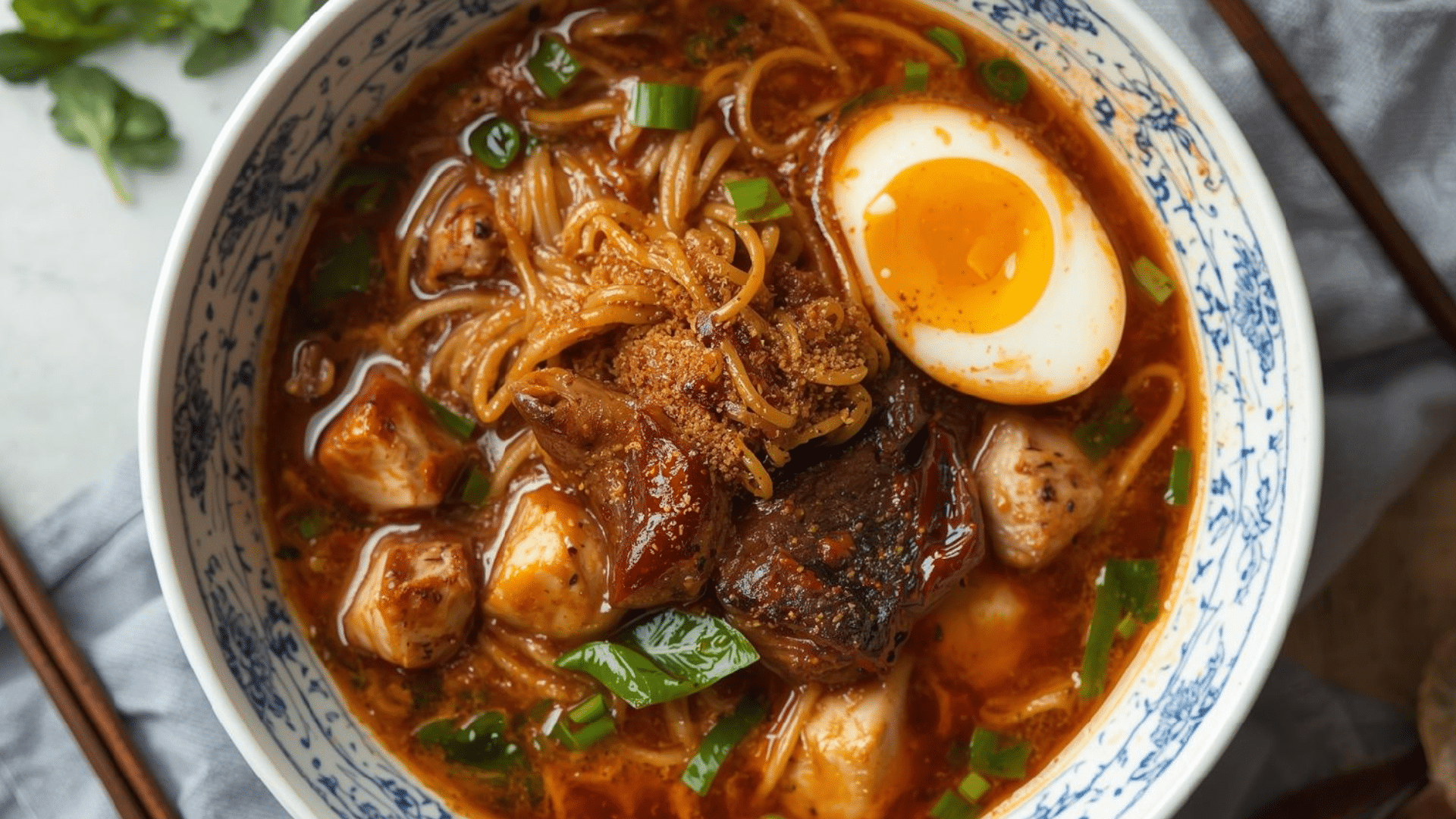
This style feels like a peanut ramen bowl. You dissolve peanut butter into a hot broth so the noodles sit in a creamy, spicy soup. Ramen and udon are best because they stay soft and slurpy in liquid.
Start by simmering broth, then whisk in peanut butter, soy sauce, vinegar, and your spice. Add noodles and cook according to the package instructions. This style is great with chicken, tofu, or a soft-boiled egg, plus greens like bok choy or snow peas for a balanced bowl.
3. Cold Peanut Butter Noodles
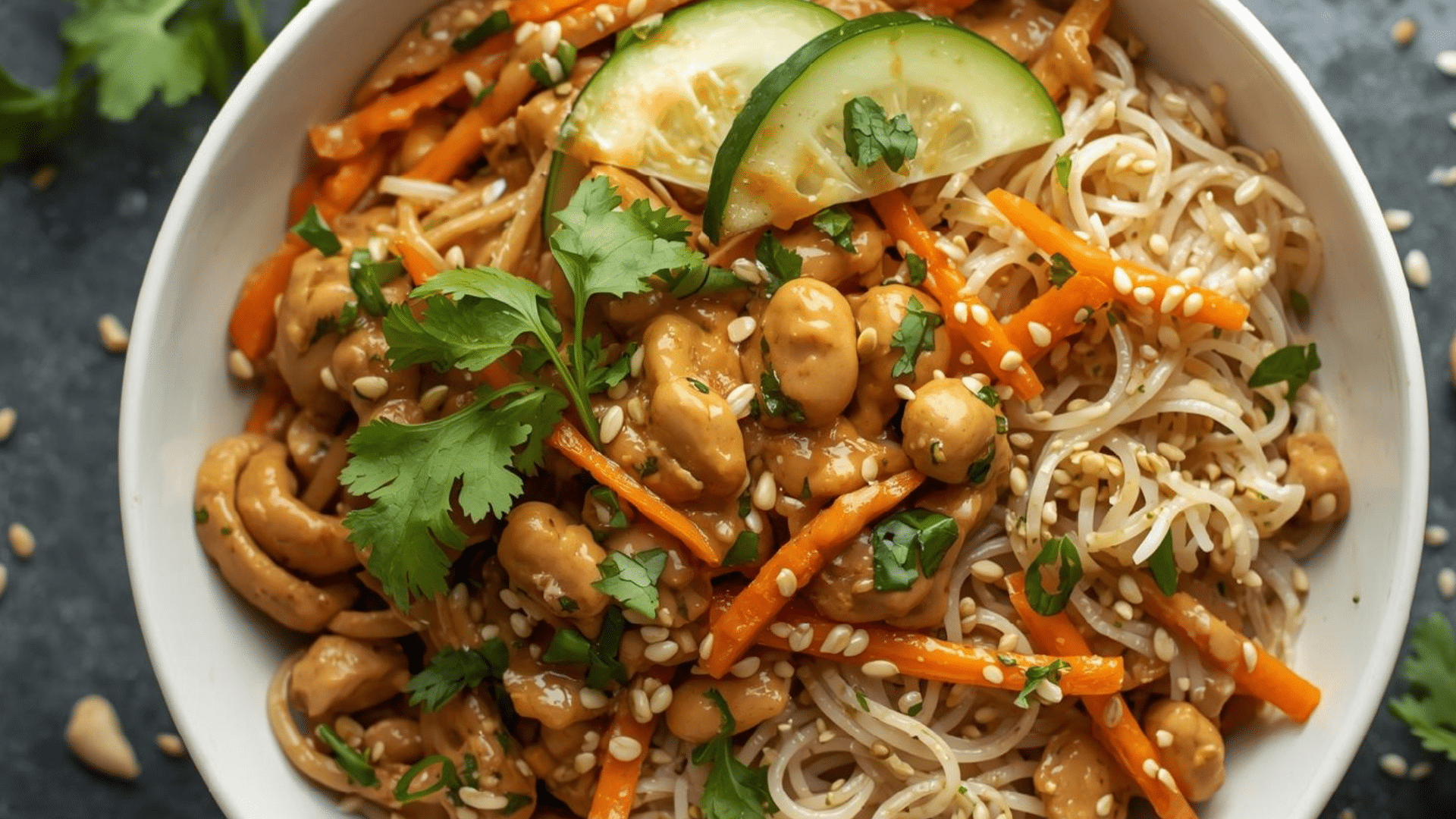
Cold peanut butter noodles are perfect for meal prep because they taste good straight from the fridge. The main thing to know is that the sauce thickens as it chills, so you should thin it slightly more than usual before mixing.
Rice noodles or spaghetti both work, but add a splash of water or lime juice before eating if they look dry.
Cucumber, shredded carrots, and herbs like cilantro add crunch and freshness that balance the rich peanut sauce. Pack peanuts or sesame seeds separately, so they stay crisp.
Why Peanut Butter Noodle Sauce Fails
Peanut butter noodle sauce fails for simple reasons. Knowing these common issues helps you fix texture, flavor, and consistency fast.
- Sauce turns too thick or dry: This usually happens when the peanut butter is very dense or not enough liquid is added. Peanut butter tightens quickly as it cools. Always add warm noodle water, broth, or hot water slowly until the sauce loosens and coats noodles smoothly without clumping.
- Sauce separates or looks oily: Natural peanut butter can split if mixed with cold ingredients or added too fast. Using warm liquid and whisking well helps emulsify the sauce. Adding liquid in small amounts keeps the fat and liquids blended instead of breaking apart.
- Noodles clump or stick together: Rice noodles and wheat noodles stick when they cool too quickly. Toss noodles with sauce while they are still hot. If needed, rinse lightly and add a splash of warm liquid to help separate strands.
- Flavor tastes flat or unbalanced: Peanut sauce needs balance. Too salty means more peanut butter or sweetness. Too heavy needs acid like rice vinegar or lime. Always taste and adjust before serving.
Understanding these problems helps you control the sauce instead of guessing, so your peanut butter noodles turn out smooth every time.
Best Peanut Butter for Peanut Butter Noodles
Choosing the right peanut butter helps your sauce stay smooth, creamy, and easy to mix without splitting or turning gritty.
| Peanut Butter Type | Works Well | Why It Matters |
|---|---|---|
| No-stir creamy | Yes | Blends smoothly and keeps the sauce stable |
| Crunchy | Yes | Adds texture but stays creamy |
| Natural (stirred) | Sometimes | Can separate and needs extra whisking |
| Powdered peanut butter | Limited | Needs added fat for richness |
Smooth, no-stir peanut butter gives the best texture. Natural types need more whisking, while powdered versions need added fat.
How to Control Heat Without Ruining the Sauce
Spice should add warmth and depth, not overpower the peanut flavor. Build heat slowly so the sauce stays balanced and smooth.
Mild
For a mild version, use a very small amount of sriracha or skip spicy ingredients completely. Peanut butter already has a rich flavor, so even a little heat goes a long way.
Avoid chilli oil at this stage because it can quickly overpower the sauce. Focus on balance by keeping the sauce creamy and slightly sweet. This option works well if you are serving kids or anyone sensitive to spice.
Medium
Medium heat gives you warmth without burning. Use gochujang or Thai red curry paste for depth rather than sharp heat. These pastes add spice plus flavor, which works well with peanut butter.
Balance the heat with a small amount of sugar, maple syrup, or honey so the sauce stays smooth and rounded. Add the spice while whisking the sauce so it blends evenly and does not taste harsh.
Hot
For a hot version, combine gochujang with chilli oil or chili crisp. Always finish the sauce first, then add heat gradually. This helps you control intensity and prevents the sauce from tasting bitter or greasy.
Chilli oil is best added at the end or drizzled on top, so you get heat without breaking the sauce. Taste often and stop once the heat feels strong but still balanced.
Best Noodles for Spicy Peanut Butter Noodles
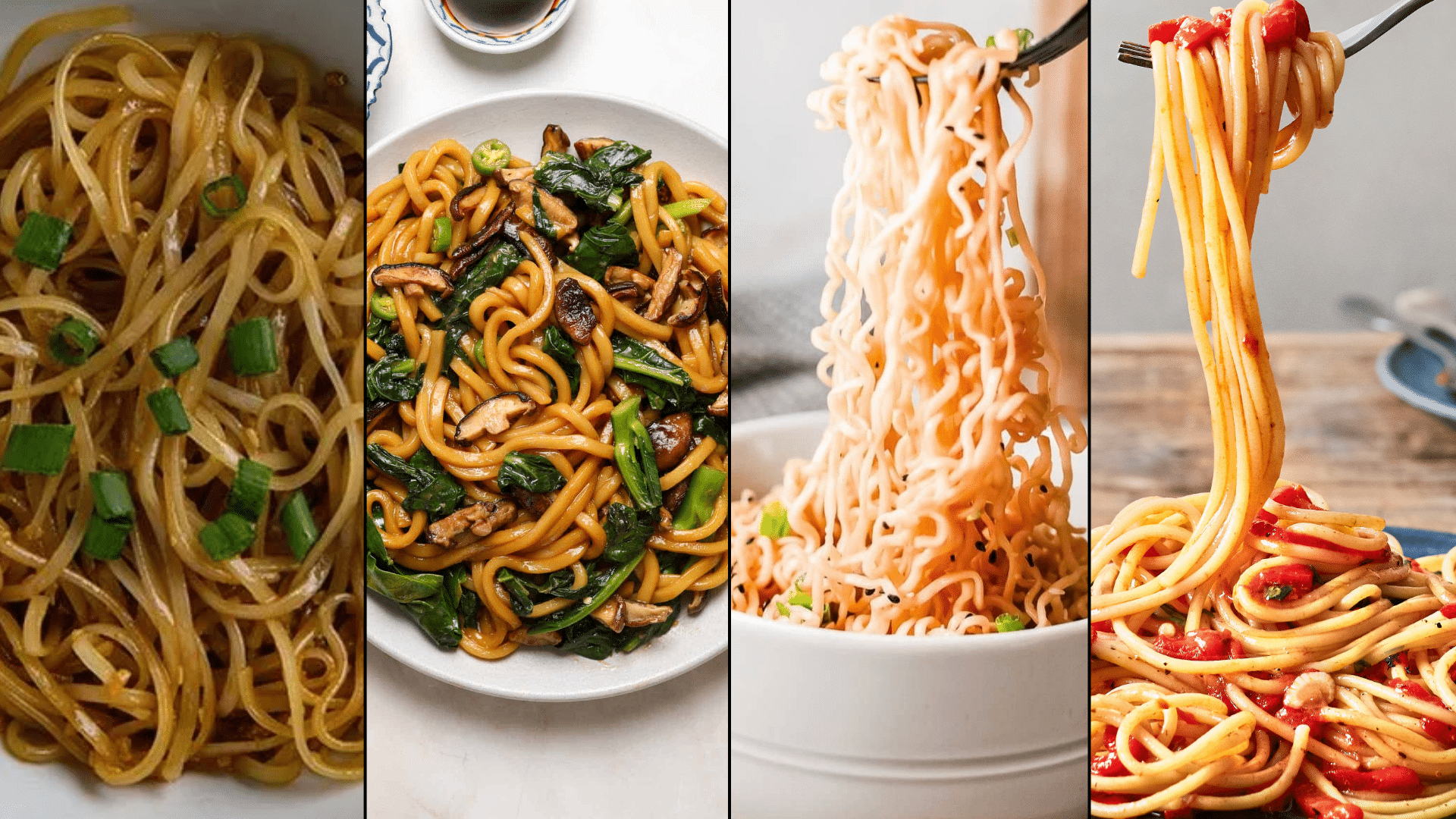
Different noodles change how peanut sauce clings, so choosing the right type helps improve texture, flavor balance, and overall eating experience.
- Rice noodles: Great for soaking up peanut sauce and giving a chewy bite. They dry faster when cold, so add extra liquid.
- Udon noodles: Thick and soft, perfect for brothy peanut noodle bowls and holding heat without breaking apart.
- Ramen noodles: Slurpy and springy, ideal for spicy peanut noodle soups or saucy bowls with added protein.
- Regular Spaghetti: Works well in a pinch. Save spaghetti water to help the peanut sauce coat the noodles evenly.
Storage and Reheating Tips
Storing and reheating spicy peanut butter noodles the right way helps keep the sauce smooth and prevents the noodles from drying out or sticking together.
- Storage: Let the noodles cool fully, then store them in an airtight container in the fridge. They keep well for 3 to 5 days, depending on added protein or vegetables.
- Reheating: Reheat gently on the stove or in the microwave. Add a small splash of water, broth, or noodle water and stir well so the sauce loosens and becomes creamy again.
- Cold leftovers: If eating cold, mix in a little water or lime juice to refresh the sauce before serving.
Conclusion
By now, you’ve seen how small choices make a big difference, from the peanut butter you use to when you add heat or liquid. This dish works because it’s flexible, fast, and easy to adjust based on what you like and what you have on hand.
Once you understand how the sauce behaves and how noodles hold it, the whole process feels less stressful and more reliable.
I still use this method when I want a quick meal that feels filling without much effort. If you try spicy peanut butter noodles at home, let me know how you made them your own.
You can also check out my other noodle and sauce ideas for more easy meals worth repeating.