

Electrolyte drink recipes are gaining attention as more people look for easy ways to stay hydrated.
If you’re hitting the gym, spending a day outdoors, or just trying to keep up with your daily hydration, electrolyte drinks can be a great solution.
However, with so many options available, you might wonder how to make one at home that suits your needs and tastes.
In this blog, I’ll walk you through a simple electrolyte drink recipe, variations based on current trends, and when it’s best to use these drinks.
You’ll also learn why making your own drink can be more cost-effective and healthier than buying packaged options. Let’s dig into how you can create the perfect electrolyte drink right at home.
Simple Electrolyte Drink Recipe You Can Make at Home
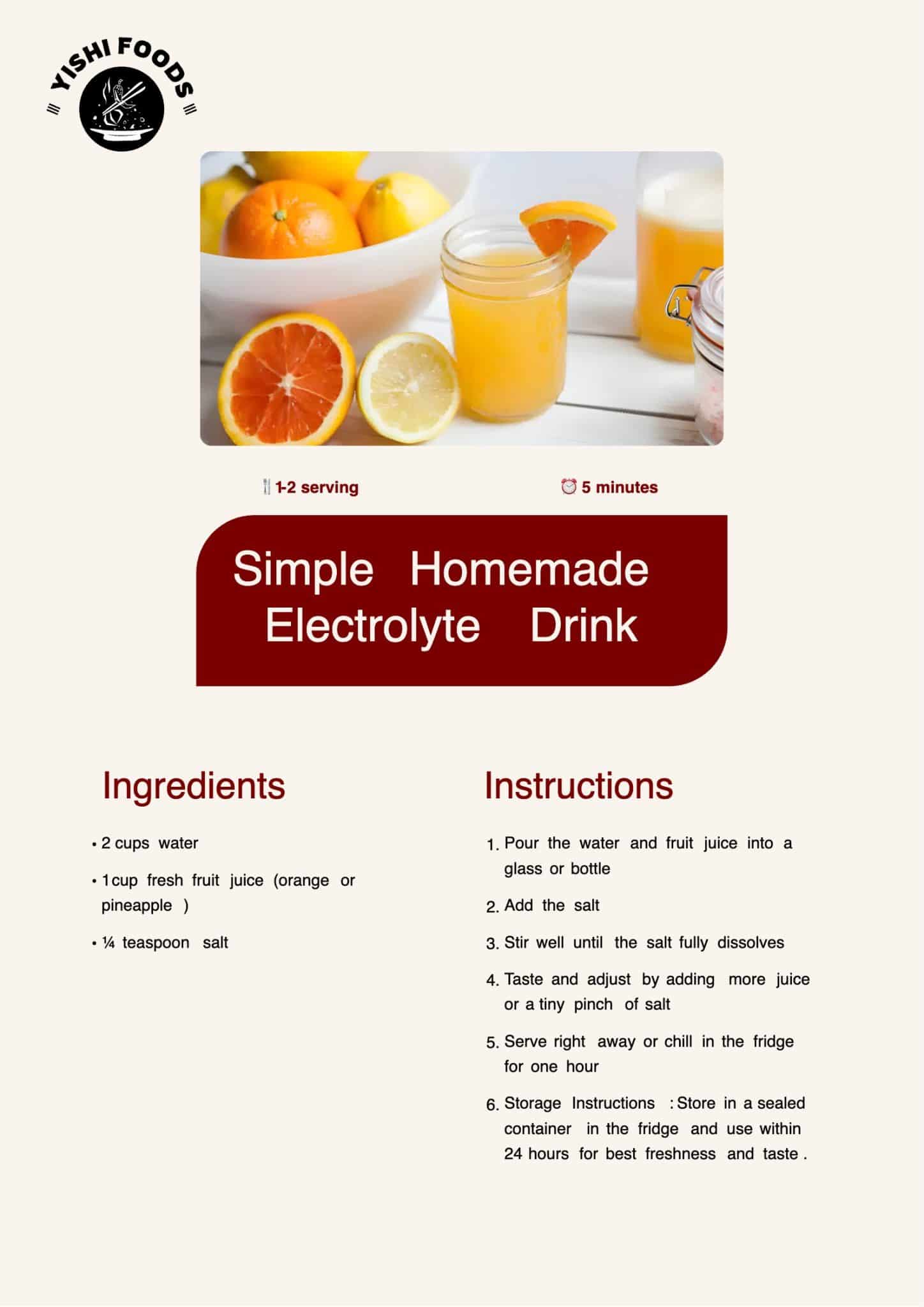
Making your own electrolyte drink is simple and rewarding. Here’s a step-by-step guide to putting together a drink that’s both refreshing and hydrating.
Prep Time: 5 minutes
Total Serving: 1-2 servings
Total Calorie: 30-40 calories per serving
Step 1: Mix Water and Fruit Juice
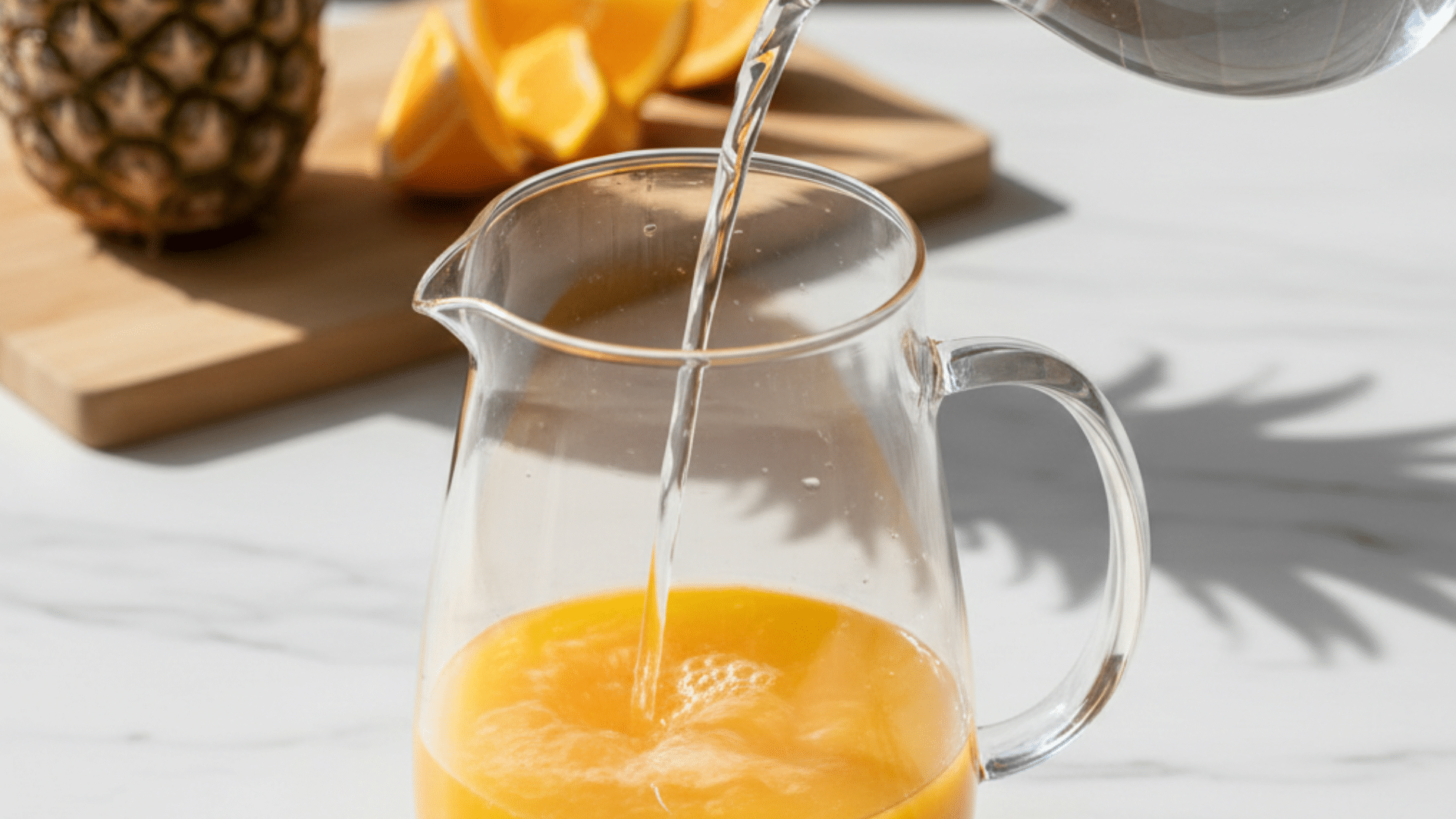
Start by combining two-thirds water and one-third fresh fruit juice, like orange or pineapple juice. This balance gives your drink a natural sweetness without being too sugary.
The juice not only adds flavor but also provides potassium, which is a key electrolyte.
Step 2: Add a Pinch of Salt
Next, stir in a small pinch of salt (about 1/4 teaspoon). This may seem simple, but the salt helps replenish sodium levels that drop with sweat. Sodium is crucial for fluid balance and muscle function.
Step 3: Stir Until Fully Combined
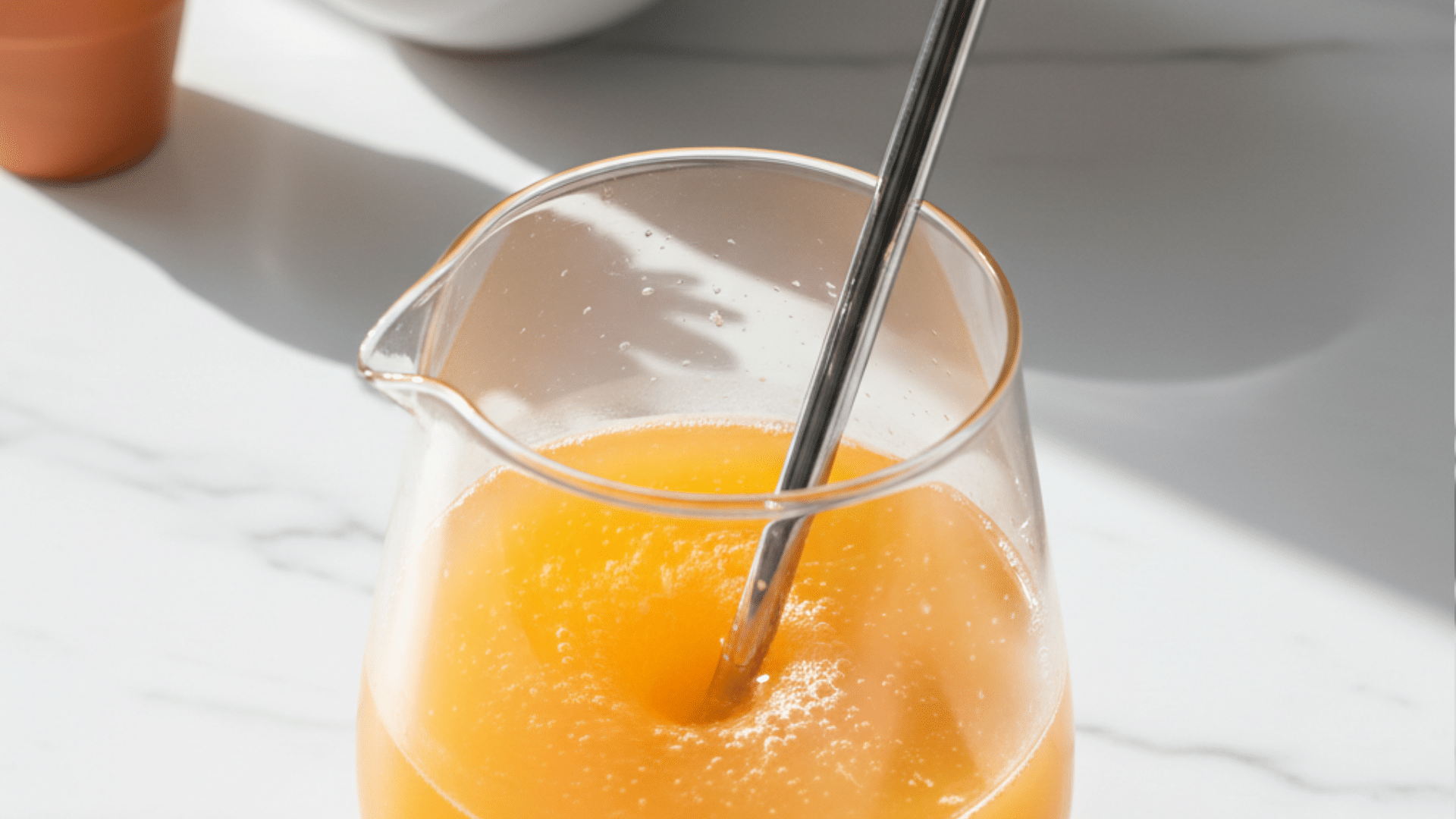
Mix the ingredients until the salt is dissolved. It doesn’t take long, just a few seconds of stirring. If the taste is too sharp, you can add a bit more juice to balance it out.
This step ensures everything is blended evenly, giving you a smooth drink.
Step 4: Taste and Adjust
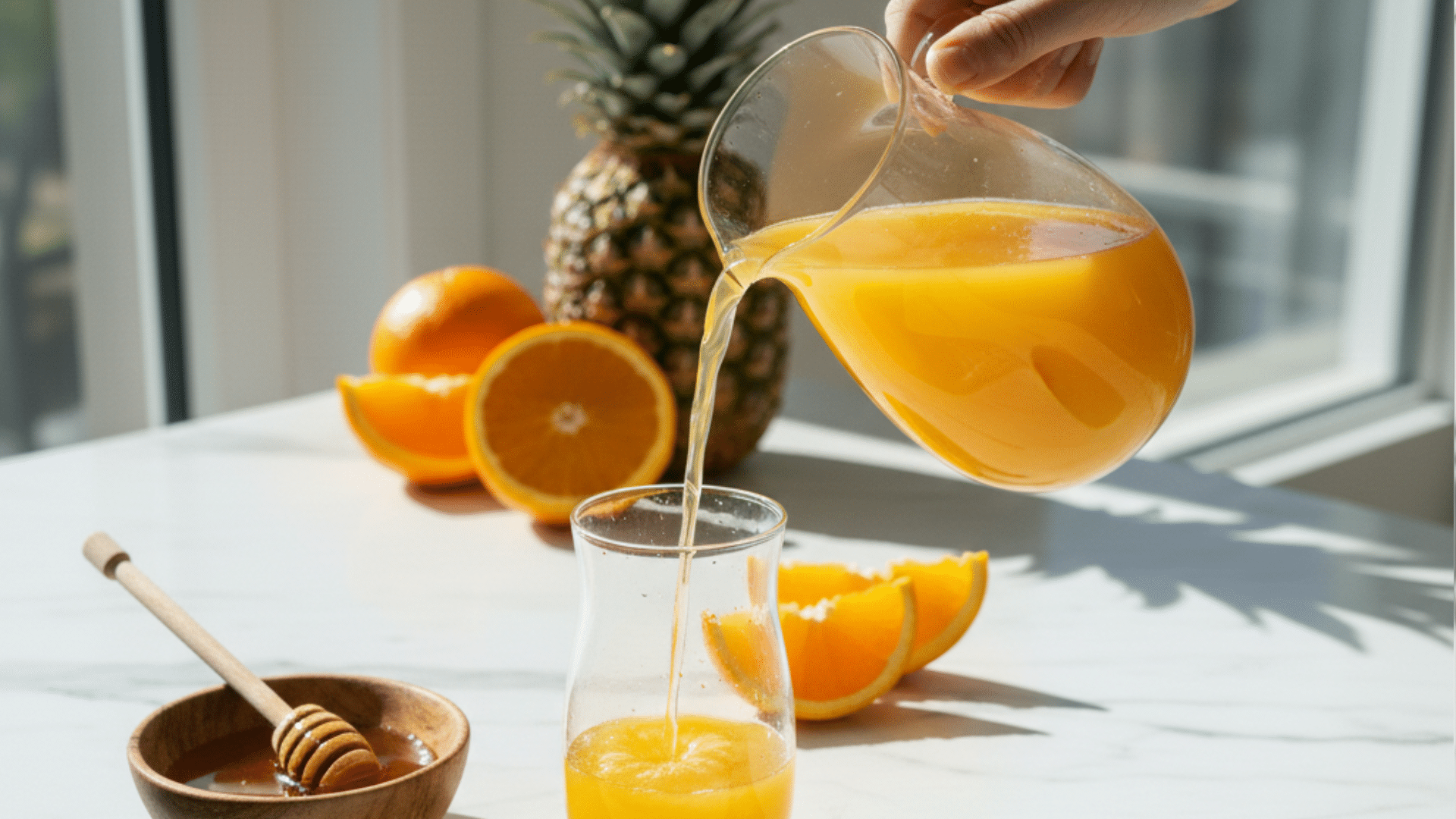
Now’s the time to taste your drink and adjust the flavor. If you like it sweeter, add a bit more juice. If you need more salt, add a small pinch at a time. Remember, a little goes a long way with sodium!
The goal is to have a balanced, refreshing drink that you can sip throughout your workout or day.
Step 5: Chill or Serve Immediately

Once everything tastes right, you can either chill your drink in the fridge for an hour or serve it immediately over ice.
A chilled drink can be extra refreshing on a hot day or after exercise.
This simple recipe is a quick, cost-effective way to make an electrolyte drink at home, using ingredients you likely already have in your kitchen. It’s an easy, natural alternative to store-bought options and gives you control over what’s in your drink.
Variations Based on Current Trends
Electrolyte drinks are evolving as trends shift. From coconut water to citrus flavors, these variations are gaining popularity.
1. Coconut Water-Based Recipe
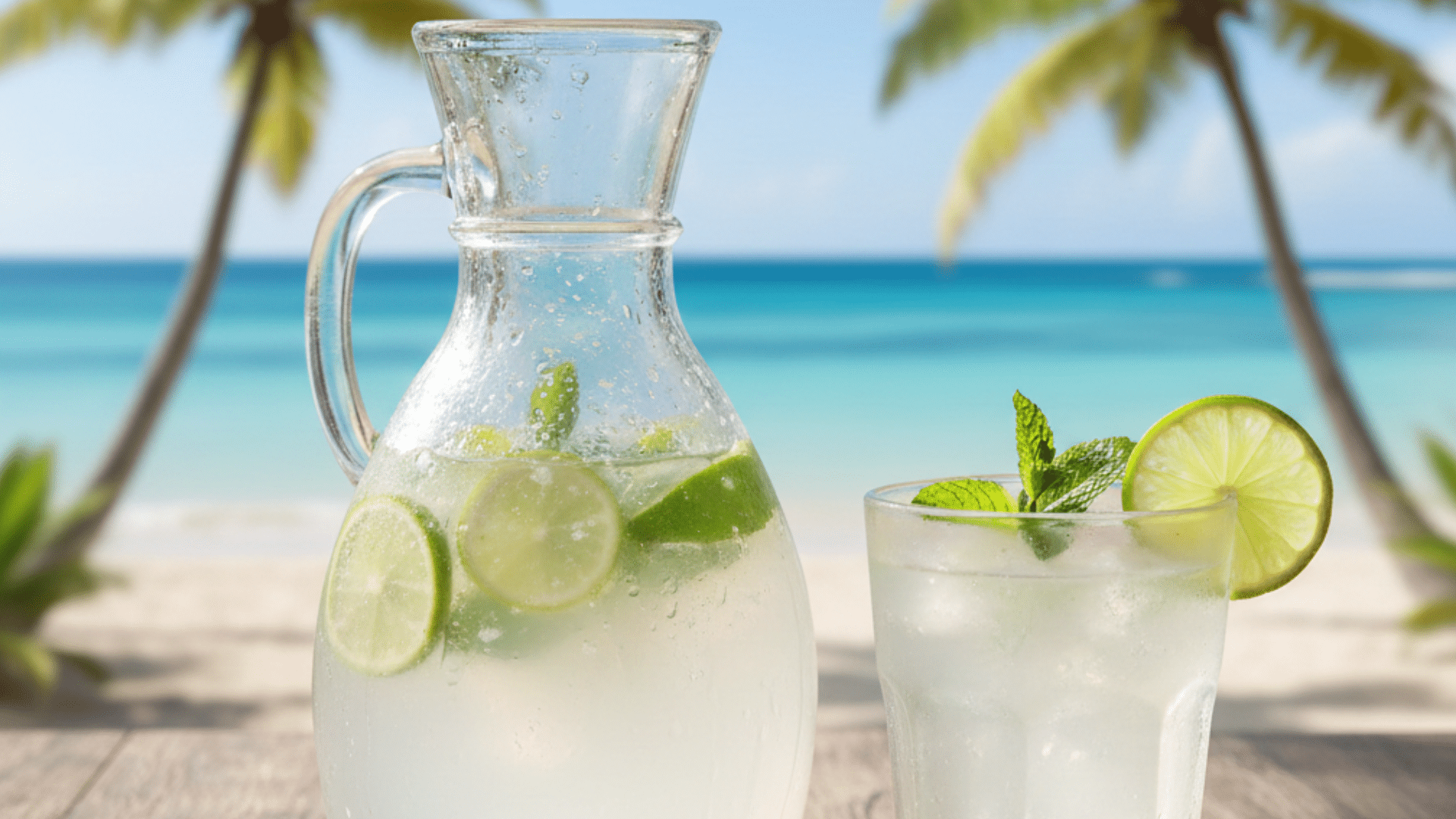
Coconut water is a top choice for hydration, rich in potassium and magnesium.
To make this refreshing electrolyte drink, mix coconut water with a pinch of salt. This simple recipe is not only hydrating but also provides natural electrolytes without added sugar.
Coconut water’s naturally sweet taste also makes it a great base for other flavor combinations like lime or mint. It’s a favorite among people who prefer a more natural approach to hydration, especially during hot days or after a workout.
2. Citrus-Focused Recipe

Citrus fruits like oranges, lemons, and limes are packed with vitamin C and electrolytes.
For a citrus-focused electrolyte drink, mix fresh-squeezed juice from an orange, lemon, and lime with water and a pinch of salt. This tangy and refreshing drink offers a great boost of hydration and a natural source of potassium.
The bright, zesty flavors make it a popular option for those looking for a drink that’s both hydrating and full of immune-boosting properties. Adjust the sweetness by adding honey or a dash of agave if needed.
3. No-Sugar Electrolyte Drink Option

Many people are looking for electrolyte drinks without the added sugar found in store-bought options.
To make a no-sugar electrolyte drink, mix water with a pinch of salt and a splash of lemon juice for flavor. You can also infuse it with herbs like mint for an extra refreshing twist.
This recipe keeps the drink low in calories, while still offering the key electrolytes needed to stay hydrated. It’s a perfect option for anyone looking to avoid sugar while still benefiting from essential minerals.
Why Electrolyte Drinks are in the News
Electrolyte drinks are getting steady attention across health news, fitness media, and business reports. Coverage from outlets like the BBC and CNN shows a clear shift. These drinks are no longer limited to athletes training in the heat. They are now marketed to office workers, commuters, and everyday gym users.
At the same time, experts like Professor Graeme Close, a leading sports nutrition researcher at Liverpool John Moores University, and Frances Largeman-Roth, a registered dietitian nutritionist, are questioning the need for daily electrolyte drinks.
They note that most people can get enough minerals through regular meals and plain water. This contrast between heavy marketing and cautious expert advice has sparked growing public interest in understanding when electrolyte drinks are truly necessary.
As prices rise and ingredient labels get longer, more readers are searching for an electrolyte drink recipe. Homemade options offer control over sugar, salt, and flavor. That practical angle explains why recipes are being discussed alongside the news, not separate from it.
What Electrolytes Actually Do for Your Body
Electrolytes are minerals your body uses to manage fluids, muscles, and nerves, especially during heat, illness, or physical activity stress.
These are minerals found in your body fluids. Common ones include sodium, potassium, magnesium, and calcium. They carry electric signals that allow cells to work properly. Without them, basic body tasks slow down or feel off.
It helps move water in and out of cells. This keeps fluid levels steady and prevents imbalance. When you sweat, lose fluids, or get sick, electrolyte levels can drop. Replacing them helps your body hold onto the water you drink.
These are most useful during long workouts, heavy sweating, hot weather, stomach illness, or dehydration. For light activity or normal daily movement, food and water usually provide enough minerals on their own.
Store-Bought vs. Homemade Electrolyte Drinks
News coverage around hydration products has pushed people to compare labels, prices, and daily use, leading many to rethink how they get electrolytes.
| Comparison Area | Store-Bought Electrolyte Drinks | Homemade Electrolyte Drinks |
|---|---|---|
| Sugar and ingredients | Often include added sugar, flavors, or extras that increase intake without a clear daily need | Uses basic items like water, salt, and juice, keeping ingredients easy to track |
| Cost | Can add up quickly when used often, especially powders or single-use packets | Costs much less since ingredients are common kitchen staples |
| Popularity | Driven by marketing and convenience | Gaining interest due to control, simplicity, and fewer added ingredients |
Because of rising prices and mixed expert advice, more people are choosing simple homemade electrolyte drink recipes for regular use.
When People are Using These Recipes Most
Electrolyte drinks are most useful when the body is in need of replenishment, whether after exercise or during illness.
- After Workouts: Electrolyte drinks are commonly used after intense physical activity to replace minerals lost through sweat, helping with recovery and hydration.
- During Hot Weather: On hot days, electrolyte drinks are vital to prevent dehydration, especially when spending long hours outdoors or exercising in the heat.
- While Sick or Dehydrated: When sick, especially with fever or diarrhea, electrolyte drinks help replace fluids and minerals, aiding in faster recovery and preventing dehydration.
- For Kids’ Sports Days: Electrolyte drinks are often used during kids’ sports events to keep them hydrated and maintain their energy levels throughout the day.
That’s a Wrap
In this blog, you’ve learned how to make a simple electrolyte drink at home using just a few ingredients.
I’ve also covered trendy variations like coconut water-based drinks, citrus-focused recipes, and no-sugar options for those who want to keep things simple.
If you’re recovering from a workout, staying hydrated in the heat, or ensuring your kids stay energized during sports, these homemade drinks can be a game-changer.
I hope this guide has given you all the tools to start creating your own drinks. I’d love to hear your thoughts. Feel free to share your favorite electrolyte drink recipe or tips in the comments!