
I switched to gluten-free and somehow ended up eating more carbs than before. Nobody warned me about that.
Gluten-free just means no wheat, barley, or rye. It has nothing to do with carbs. So does gluten-free mean no carbs? This is one of the most common questions people ask.
You can go gluten-free and still consume a lot of carbs. The gluten-free label on a product does not make it healthy.
It just means one ingredient is missing. Once I understood that, everything became clearer. Knowing the difference can change the way you eat for the better.
What Does “Gluten-Free” Really Mean?
Gluten is simply a protein found in wheat, barley, rye, and their hybrids. That’s the whole list. Going gluten-free just means avoiding those ingredients. Nothing more complicated than that.
The good news? So many foods are naturally gluten-free. Rice, potatoes, fruits, vegetables, and most meats were all fine for me. I was already eating most of them without even realizing it.
But here’s what caught me off guard early on. Gluten-free doesn’t mean low-carb. A gluten-free brownie is still a brownie. Rice is gluten-free but still full of carbs. Two very different things.
Understanding Carbohydrates
Carbs are one of three main nutrients your body uses for energy. The other two are protein and fat. Your body breaks carbs down into sugar to fuel your brain and muscles.
There are two types you should know about. Simple carbs digest fast and cause quick energy spikes. Think candy, white bread, and soda. Complex carbs digest slowly and keep you feeling full longer.
Consider oats, beans, and veggies. Here’s the thing, though: not all carbs are bad for you. Your body actually needs them to work properly. It’s really just about picking the right ones for your goals.
Is Gluten-Free the Same as Low-Carb?

No, they’re not the same thing. Gluten-free means avoiding gluten, a protein found in wheat, barley, and rye. Low-carb means cutting back on carbohydrates overall.
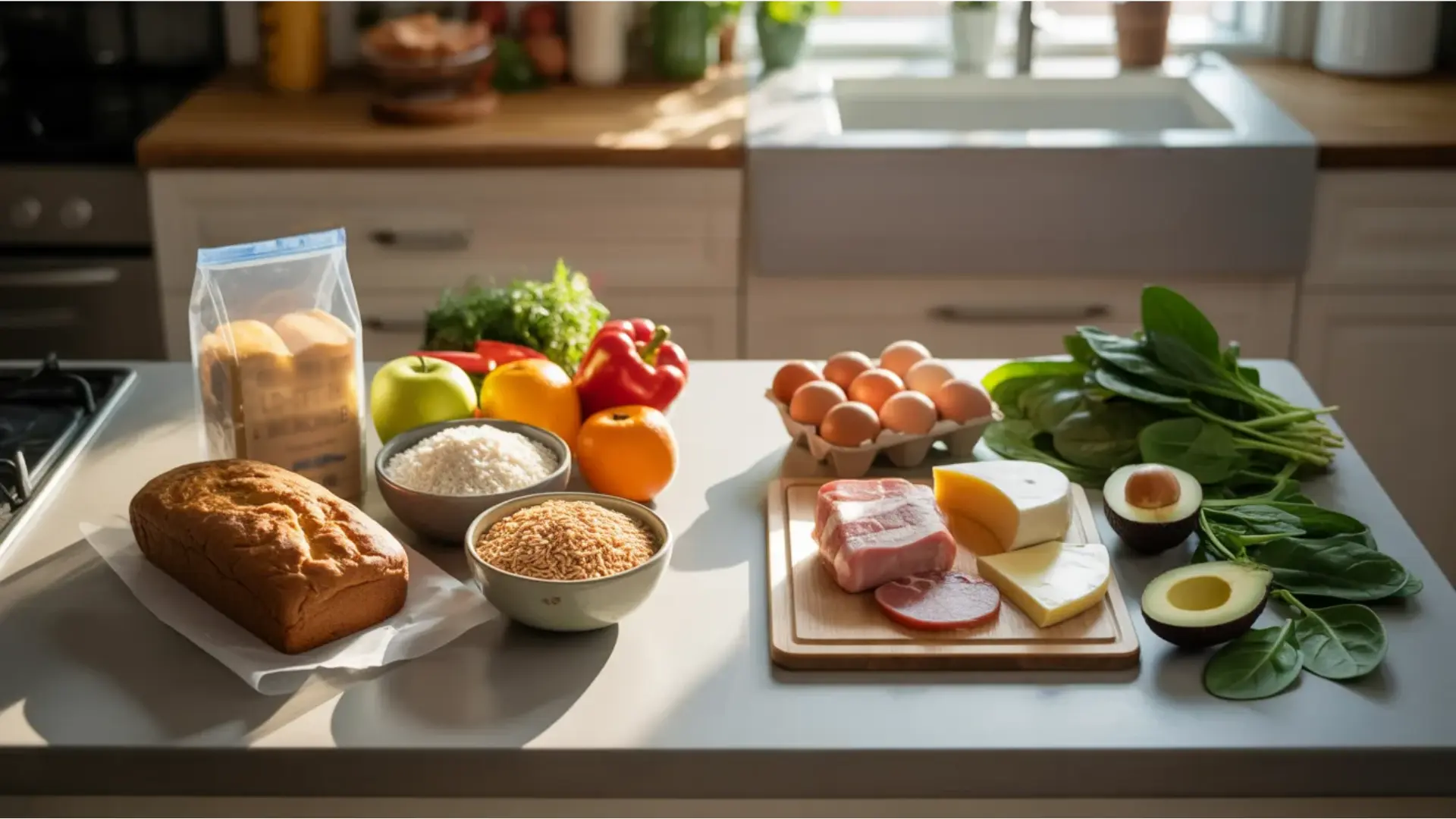
You can eat gluten-free and still load up on carbs. Rice, potatoes, and corn are all gluten-free but high in carbs. Gluten-free bread can have just as many carbs as regular bread.
Some people confuse the two, but they follow very different rules. Think of it this way: gluten-free is about one ingredient. Low-carb is about an entire food group. They can overlap, but they are not the same diet.
Common Misconceptions About Gluten-Free Foods
Many people assume that gluten-free automatically means healthy or low in carbohydrates, but that is far from the truth. Understanding the difference between gluten-free and low-carb is essential before making any dietary changes.
| Myth | Fact |
|---|---|
| Eating gluten-free will help you lose weight. | Going gluten-free does not guarantee weight loss. GF products can be just as high, or higher, in calories and carbs as regular foods. |
| Gluten-free products are always healthier. | Many GF packaged foods like cookies, snack bars, and cereals are loaded with sugar, refined starches, and additives to compensate for the lack of gluten. |
| If it says “gluten-free,” it is safe for a low-carb diet. | Naturally gluten-free foods like corn, potatoes, and rice are still high in carbs. Always check the nutrition label for total carbohydrate content. |
| Gluten-free bread and pasta are low in carbs. | GF bread and pasta often use tapioca, rice flour, or potato starch; ingredients that are high in carbs, sometimes even higher than those in wheat-based versions. |
Always read nutrition labels carefully and focus on the overall carbohydrate and calorie content rather than relying solely on a gluten-free label.
When a Gluten-Free Diet Can Be Low-Carb?
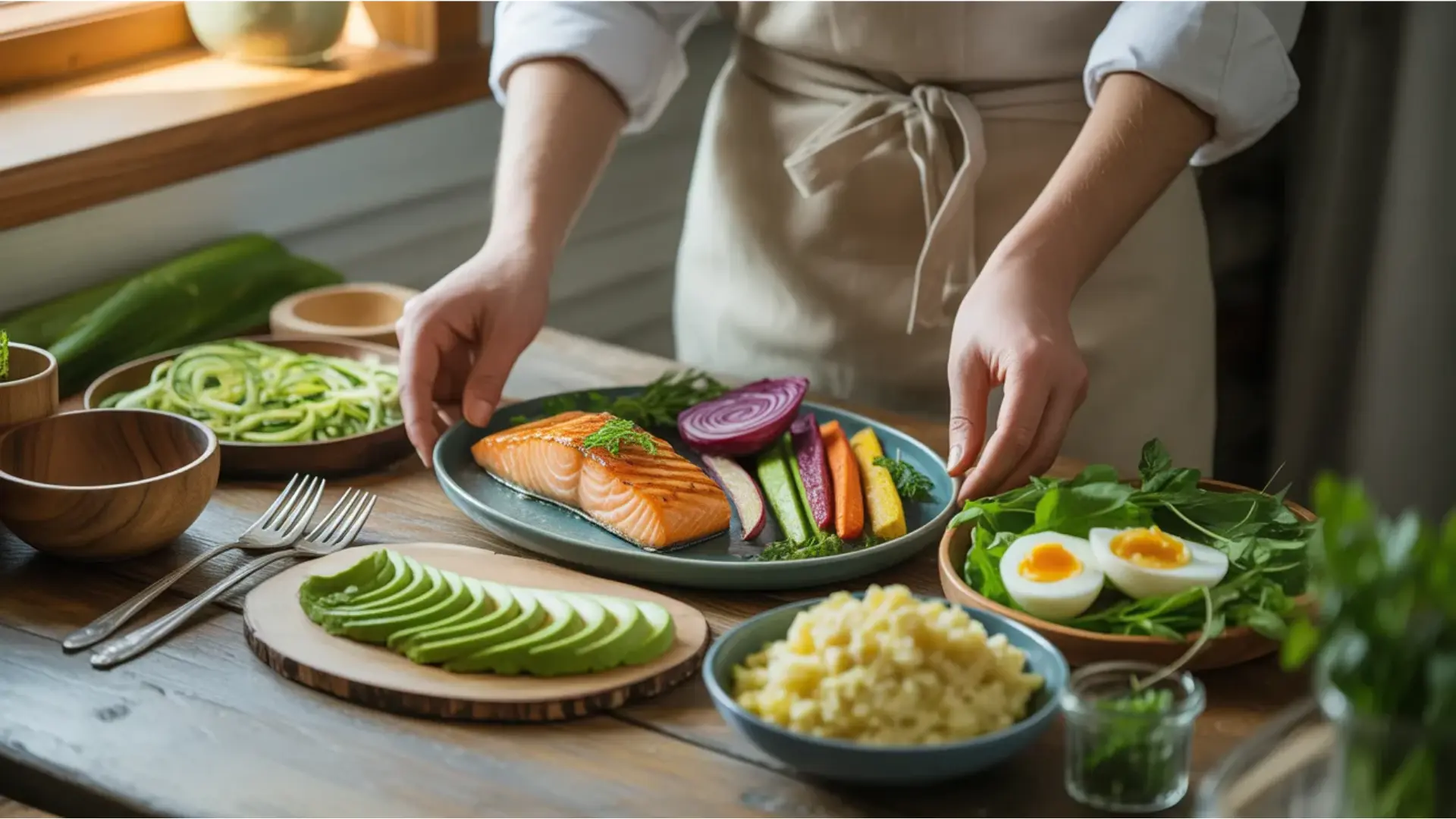
A gluten-free diet does not have to be high in carbs if you make the right food choices. Here is how you can combine gluten-free and low-carb principles effectively:
- Focus on whole foods: Choose naturally gluten-free options such as vegetables, lean proteins, nuts, and seeds rather than processed gluten-free products.
- Avoid processed GF foods: Stay away from packaged gluten-free items made with rice flour, tapioca starch, or potato starch, as these ingredients are high in carbohydrates.
- Swap GF staples for low-carb alternatives: Replace gluten-free bread and pasta with zucchini noodles, cauliflower rice, or lettuce wraps.
- Build meals around protein and healthy fats: Prioritize grilled chicken, eggs, avocado, and leafy greens to keep your carb intake in check.
- Try simple low-carb, gluten-free meal ideas: grilled salmon with roasted vegetables, an egg and avocado bowl, or a chicken stir-fry with cauliflower rice.
From what I have seen, making the switch gets a lot simpler once you focus on whole, natural foods. Cutting out processed gluten-free products is honestly the biggest step you can take to keep your carb intake low.
Low-Carb Foods That Are Naturally Gluten-Free
Low-carb and gluten-free eating is simpler than it sounds. Most of these foods are whole, natural, and easy to find. Here’s a quick breakdown by category:
| Category | Foods | Carbs per Serving | Tip |
|---|---|---|---|
| Protein | Eggs, beef, chicken, pork, lamb, salmon, tuna, shrimp, tofu, tempeh | 0–2g | Check sauces on tofu/tempeh |
| Vegetables | Spinach, kale, broccoli, cauliflower, zucchini, cucumber, bell peppers | 2–6g | Skip potatoes, corn, and peas |
| Nuts & Seeds | Almonds, walnuts, cashews, chia seeds, flaxseeds, pumpkin seeds | 2–8g | Watch portion sizes |
| Healthy Fats | Avocado, olive oil, coconut oil, butter, ghee | 0–1g | Naturally carb-free |
| Snacks | Cheese, hard-boiled eggs, veggie sticks with guacamole | 1–5g | Easy to prep and carry |
| Fruits | Strawberries, blueberries, raspberries, blackberries | 6–12g | Stick to berries, eat in moderation |
These foods cover all your basics without the guesswork. Pick a few from each category, and you’re already off to a good start.
Common Mistakes on a Gluten-Free Low-Carb Diet
I have seen so many people switch to a gluten-free, low-carb diet and make the same mistakes over and over. These small slip-ups can quietly slow your progress without you even realizing it. Here are four common pitfalls I have noticed people fall into:
- Reaching for gluten-free substitutes: Most gluten-free breads, pastas, and crackers are made with rice flour or starch that spikes blood sugar just as fast as regular versions.
- Eating too many processed gluten-free foods: Packaged gluten-free snacks are often loaded with sugar and refined carbs, so always check the nutrition label before buying.
- Assuming gluten-free means low-carb: Gluten-free only means no wheat, barley, or rye — a food can still be very high in carbs.
- Ignoring hidden carbs in sauces and seasonings: Many store-bought sauces, dressings, and spice blends contain added sugars or starch that quietly add up.
Knowing these mistakes puts you one step ahead. A little label-reading goes a long way on this diet.
Health Benefits of Gluten-Free and Low-Carb Diets
Understanding the health benefits of a gluten-free and low-carb diet requires looking at each one separately. It is important to note that these two diets serve very different purposes and should not be confused with one another. Here is a quick breakdown of how they compare:
| Aspect | Gluten-Free Diet | Low-Carb Diet |
|---|---|---|
| Who needs it | People with celiac disease, gluten sensitivity, or wheat allergy. | People managing weight, blood sugar, or insulin resistance. |
| Primary purpose | To eliminate gluten that triggers an immune response. | To reduce carb intake and stabilize blood sugar levels. |
| Medical necessity | Medically necessary for celiac disease or gluten sensitivity. | A lifestyle choice, sometimes recommended for diabetes or metabolic conditions. |
| Effect on weight | Does not directly cause weight loss. | Can support weight loss by encouraging the body to burn fat. |
| Effect on blood sugar | No direct impact on blood sugar levels. | Directly helps control blood sugar by limiting carb intake. |
Both diets have their own distinct benefits and are suited for different health needs. Choosing the right one depends entirely on your personal health goals and medical requirements.
Practical Tips for Choosing the Right Diet
Choosing the right diet comes down to making informed food choices. Here are some practical tips to help you get started:
- Read nutrition labels carefully: Check total carbohydrate content, not just the gluten-free claim, as many GF products are high in refined starches.
- Look for hidden gluten ingredients: Watch out for wheat starch, barley malt, and rye flour when shopping for gluten-free products.
- Balance your carb intake: Choose naturally gluten-free whole foods like vegetables, legumes, and quinoa over processed GF alternatives.
- Avoid processed gluten-free junk foods: Steer clear of GF cookies, chips, and snack bars loaded with sugar, unhealthy fats, and refined carbs.
- Get tested first: Removing gluten before testing causes false negatives; the test requires an active immune response to gluten.
- Don’t conflate goals: For weight or blood sugar control, focus on carbs, glycemic load, and fiber, not gluten-free labels.
The right diet is one that aligns with your health goals and nutritional needs. Always prioritize whole, natural foods over processed alternatives.
That’s a Wrap
By now, you know that gluten-free and low-carb are not the same thing. Gluten-free removes one protein from your diet.
Low-carb cuts down an entire food group. Both diets work, but for very different reasons. One is a medical need. The other is a lifestyle choice you make.
I always say, read the label before you trust any claim. Your health goals should guide your food choices, not just a label on the front. Eating right does not have to be confusing.
Keep it simple, stay consistent, and the results will follow. Found this helpful? Drop your thoughts in the comments below!