

Managing an ulcer can feel challenging, as every meal seems like a potential trigger. Avoiding certain foods might seem like the only solution, but this often leads to unnecessary restrictions and frustration.
A structured meal plan can offer a better way forward. A 7-day meal plan for ulcers removes the guesswork by providing clear, ulcer-friendly food choices that support healing and reduce irritation.
Here, you’ll find a simple yet effective plan that focuses on gentle meals, easy-to-digest foods, and flexible options to accommodate changing symptoms.
You’ll also learn helpful food swaps and tips to make meal planning feel more manageable. With the right approach, meals can become less stressful and more aligned with comfort and healing.
Who This 7-Day Ulcer Meal Plan is Best For
This 7-day ulcer meal plan is perfect for individuals with mild to moderate ulcers who want a clear, structured approach to eating without strict food limitations.
It’s designed to help those whose ulcers tend to flare up after heavy meals, late-night eating, or high-fat foods. The plan offers simple, easy-to-digest meals that reduce discomfort while promoting healing.
However, it’s not recommended for those with severe ulcer symptoms, recent digestive surgeries, or pregnancy. If you experience ongoing or intense symptoms or have specific health concerns, it’s important to consult with a healthcare provider before starting any new diet plan.
This approach is intended to support symptom control while allowing flexibility for varying food tolerances.
Your 7-Day Ulcer Meal Plan
This 7-day meal plan guides the management of ulcer symptoms with gentle, easy-to-digest meals to reduce discomfort and aid healing. Aim for 3 meals and 1-2 snacks daily to prevent large portions and gaps, adjusting as needed.
Finish last meal 2-3 hours before bed to minimize nighttime discomfort. Swap problematic foods for milder options.
Day 1
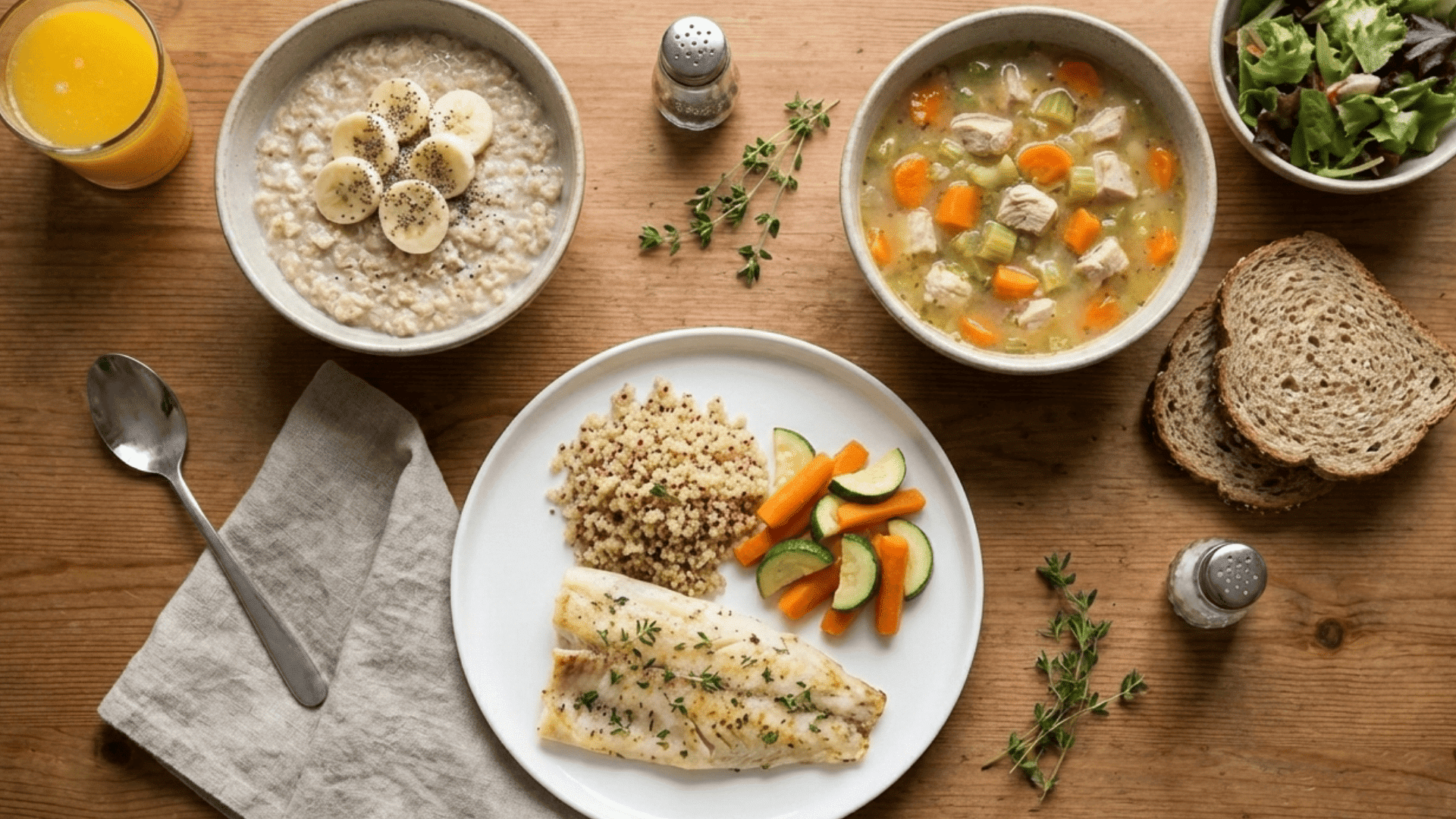
- Breakfast: Oatmeal with banana and chia seeds
- Lunch: Chicken and vegetable soup with whole-grain bread
- Dinner: Baked fish with quinoa and steamed vegetables
- Snacks: Pear, almonds
- Dessert: Plain yogurt with honey
Day 2
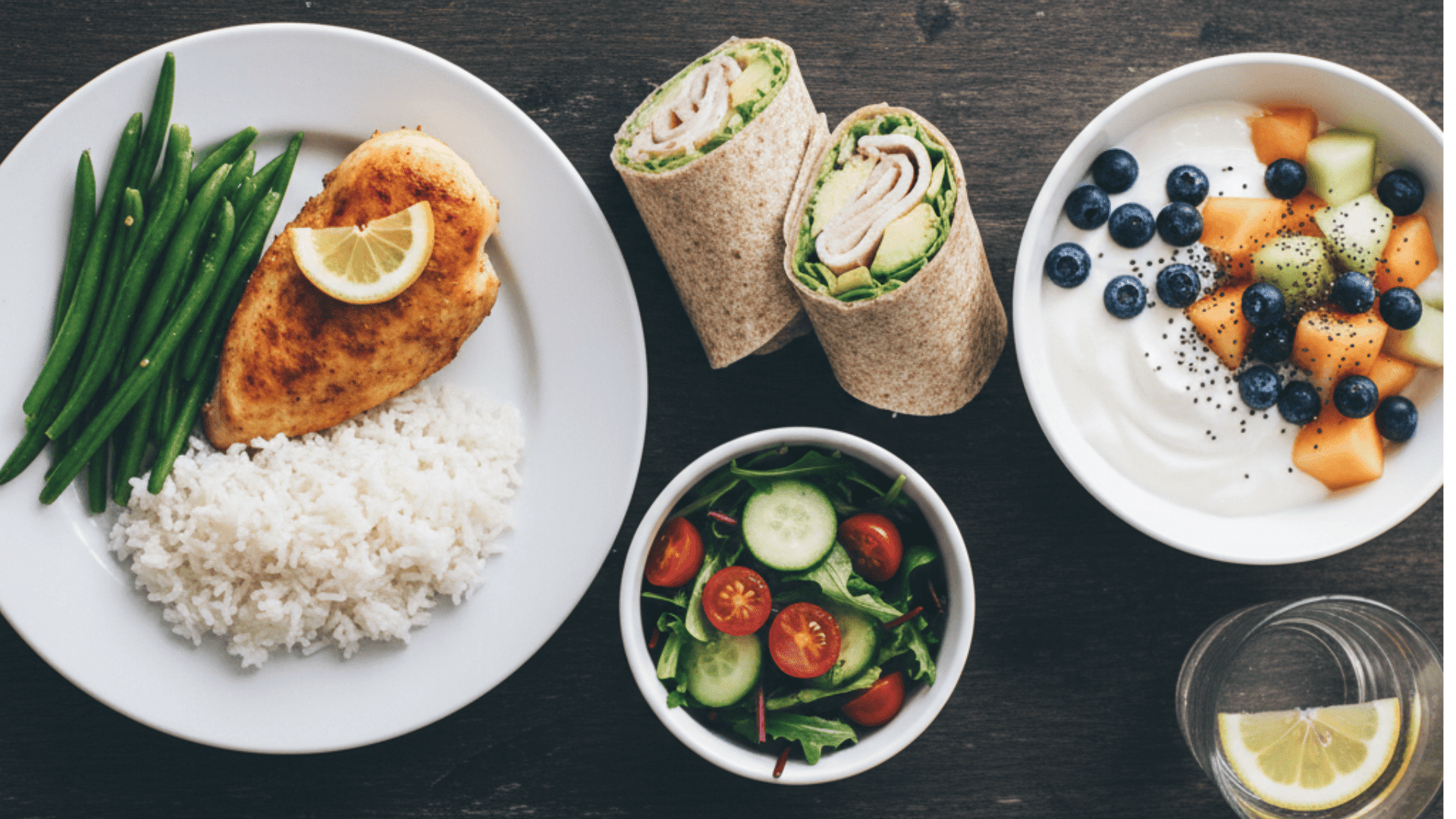
- Breakfast: Yogurt with melon or oatmeal with berries
- Lunch: Turkey wrap with cucumber and mild fillings
- Dinner: Baked chicken with rice and green beans
- Snacks: Apple slices, edamame
- Dessert: Light baked fruit (e.g., cinnamon apples)
Day 3
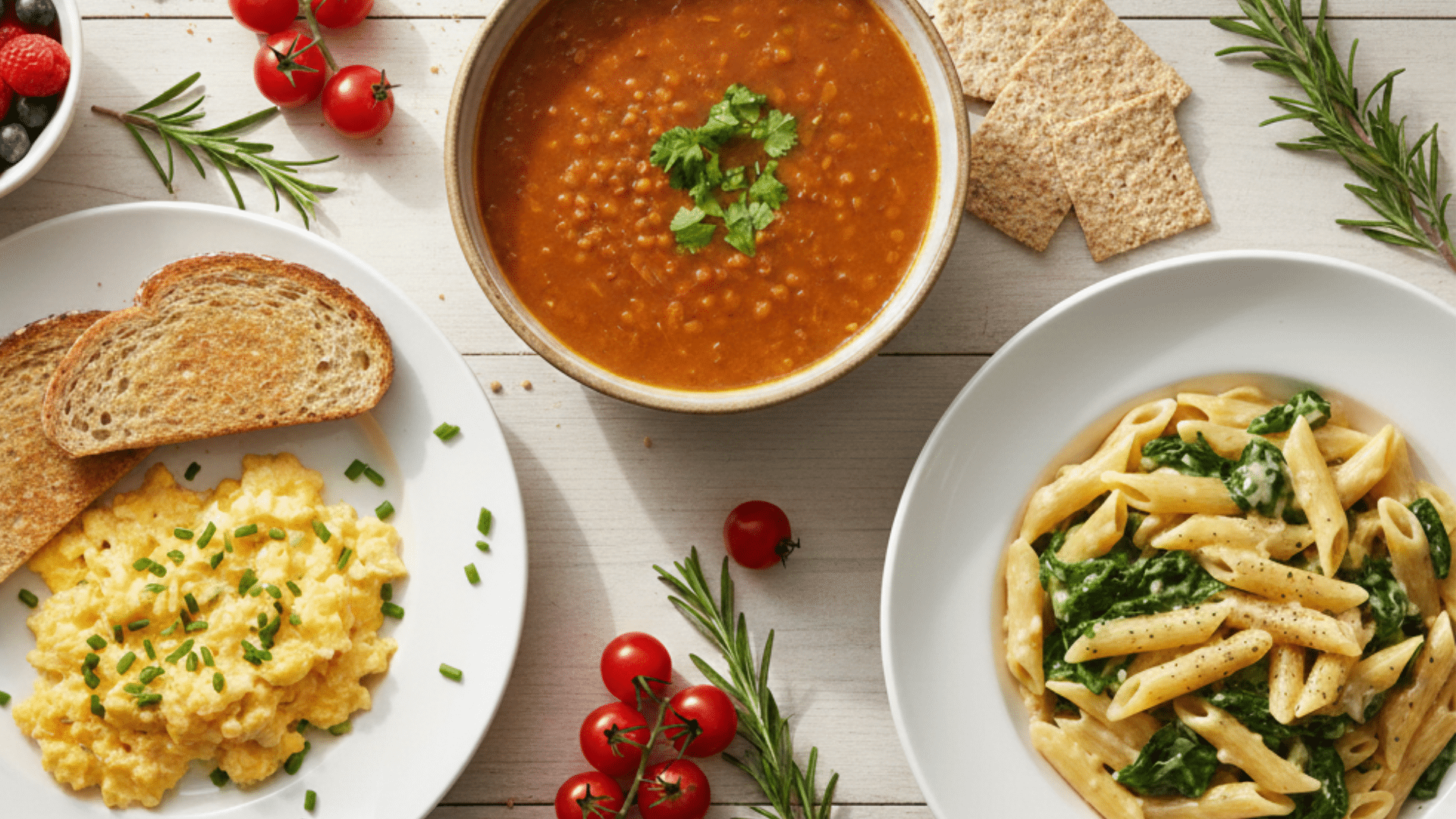
- Breakfast: Scrambled eggs with whole-grain toast
- Lunch: Lentil soup with whole-grain crackers
- Dinner: Pasta with mild cheese sauce and cooked spinach
- Snacks: Crackers with cheese or fruit (e.g., pears)
- Dessert: Cinnamon apple or baked pears
Day 4
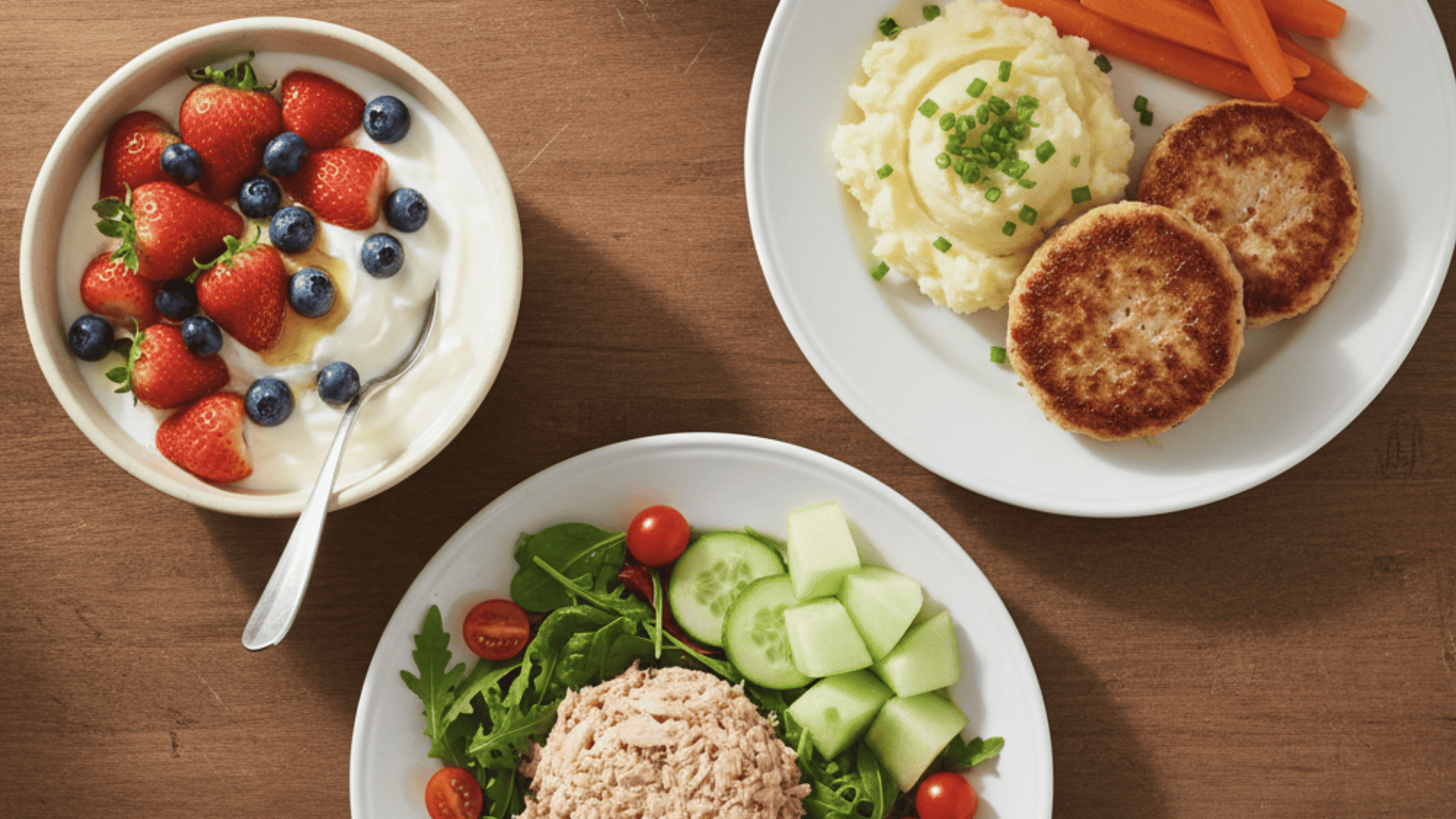
- Breakfast: Yogurt with berries or scrambled eggs with spinach
- Lunch: Tuna over mixed greens or leftover soup with fruit
- Dinner: Turkey patties with mashed potatoes and cooked carrots.
- Snacks: Cottage cheese or a pear
- Dessert: Plain yogurt
Day 5
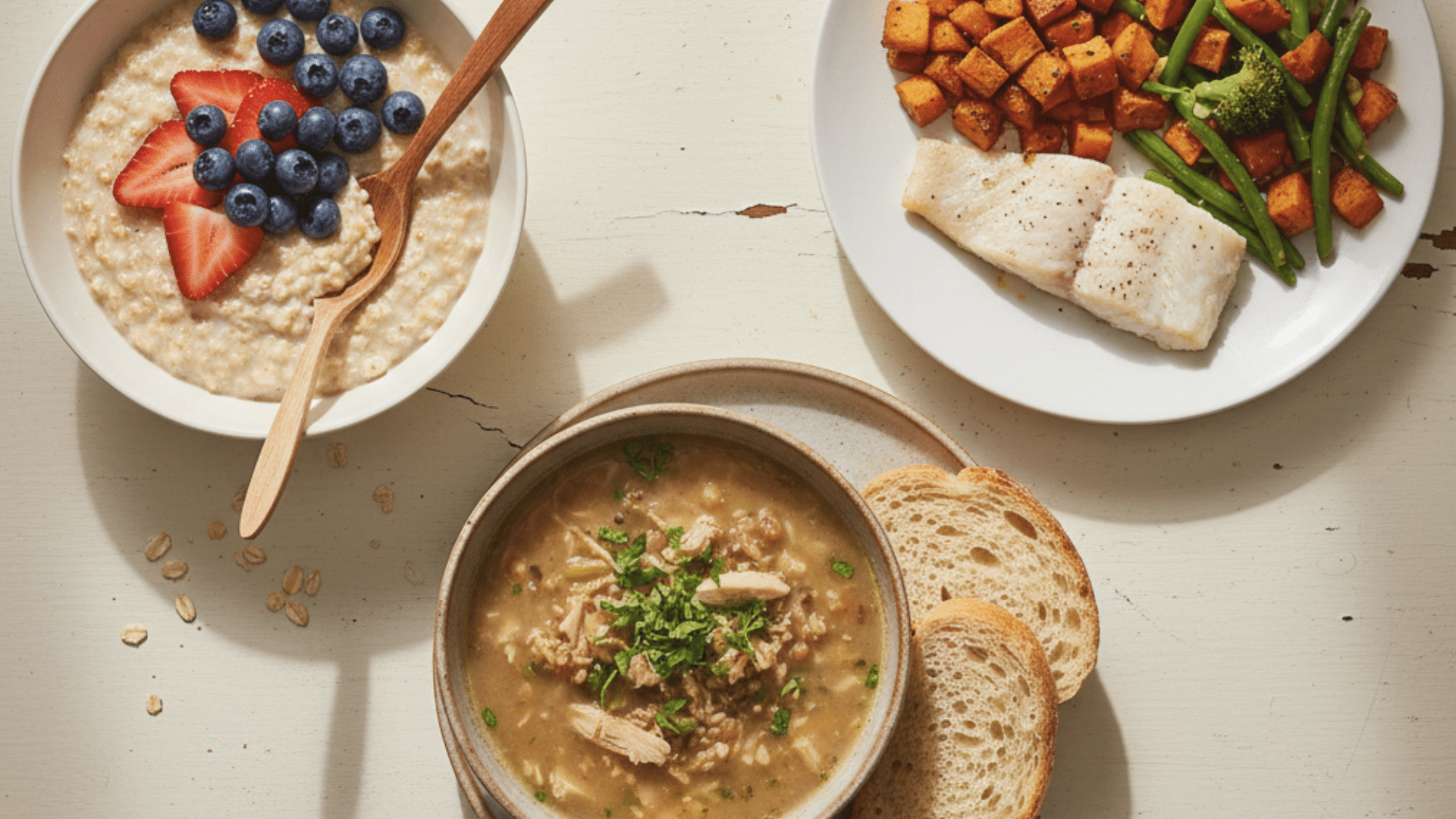
- Breakfast: Oatmeal with berries or yogurt mixed with fruit
- Lunch: Chicken grain salad or soup with bread
- Dinner: Baked white fish with sweet potatoes and cooked vegetables
- Snacks: Cucumber slices or yogurt
- Dessert: Fresh fruit (e.g., melon, apple slices)
Day 6
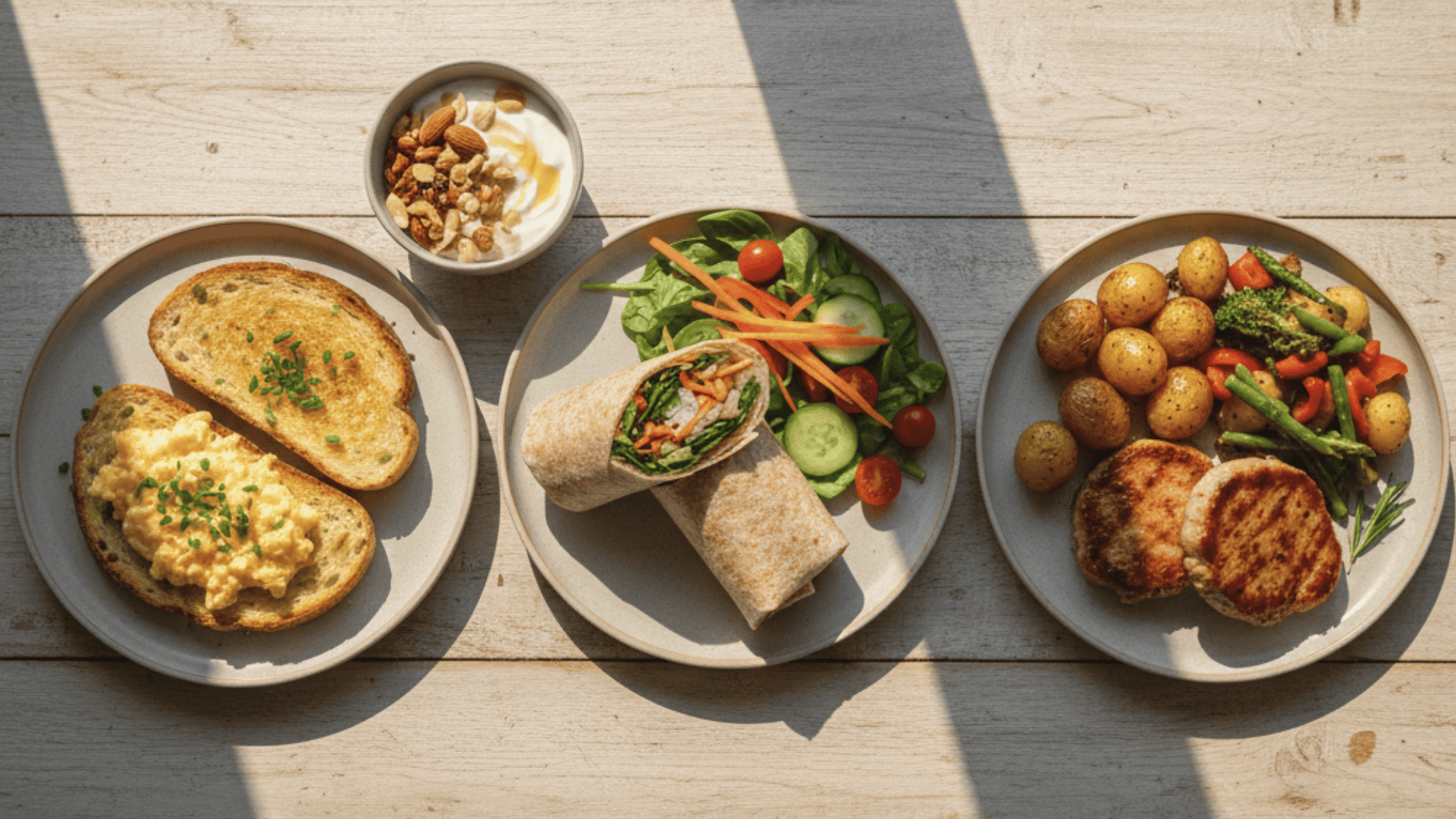
- Breakfast: Toast with egg or yogurt with nuts
- Lunch: Veggie wrap or simple soup with salad
- Dinner: Pork or tofu with baked potatoes and sautéed vegetables
- Snacks: Fruit with nuts or hummus with vegetables
- Dessert: Light yogurt
Day 7
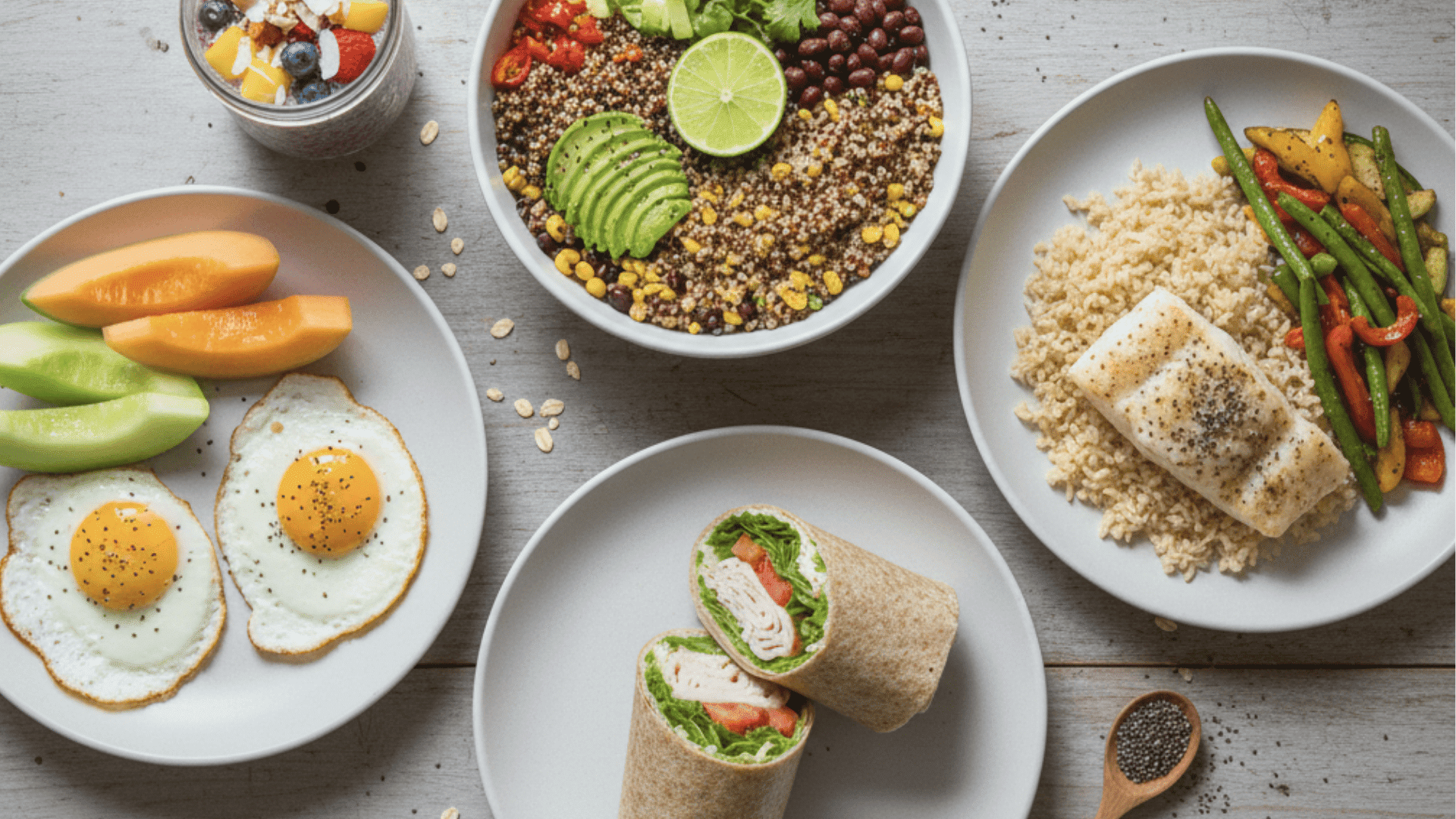
- Breakfast: Eggs with melon or chia-style pudding with fruit
- Lunch: Grain bowl with beans or a mild turkey wrap
- Dinner: Baked fish with rice and vegetables
- Snacks: Edamame or fruit with crackers
- Dessert: Light yogurt
By following this 7-day ulcer meal plan, you’ll create a steady routine of gentle, nourishing meals that help manage symptoms and support healing, making eating easier and less stressful. Click here to get the downloadable PDF of the 7-day plan.
How This 7-Day Meal Plan Helps Manage Ulcers
The 7-day meal plan is specifically designed to support ulcer healing by focusing on easy-to-digest foods that are gentle on the stomach. It emphasizes meals lower in acid and higher in nutrients to reduce irritation and promote recovery.
By incorporating cooking methods like baking, grilling, and steaming, the plan makes sure meals are easier to tolerate, avoiding harsh frying or heavy spices that could aggravate symptoms.
This approach helps keep meals light yet nourishing, offering steady energy and relief throughout the day. The balance of protein, whole grains, and cooked vegetables provides a variety of gentle foods that are both healing and satisfying, helping manage discomfort while promoting digestive health.
Food Swaps for Comfort
The table below provides simple, gentle swaps that can make meals easier on your stomach. These options help reduce irritation while still offering satisfying, nutritious alternatives.
| Discomfort Food | Swap for This Gentle Option |
|---|---|
| Tomato-based sauces | Olive oil with herbs or mild yogurt sauce |
| Fried foods | Baked, grilled, or steamed options |
| Spicy seasoning | Use mild herbs like parsley or basil |
| High-fat meats | Chicken breast, fish, or tofu |
These swaps allow you to stick to a healing diet without feeling restricted. If a food causes discomfort, simply replace it with one of these gentler options.
Tips for Success
Managing ulcer symptoms involves more than just food choices; lifestyle habits also play a big role. These tips will help you create a steady, supportive routine.
- Meal Timing: Eat smaller portions every 2-3 hours to avoid overloading the stomach.
- Food Diary: Track meals and symptoms to spot potential triggers.
- Stress & Lifestyle: Practice stress management, get enough sleep, and avoid rushing meals.
- Professional Advice: Consult a healthcare provider if symptoms persist or worsen.
Incorporating these simple habits will help make your meals more comfortable and consistent. If symptoms persist, don’t hesitate to seek advice from a healthcare provider for further support.
Final Note
Managing ulcers doesn’t have to be overwhelming. This 7-day meal plan for ulcers offers a simple, effective way to reduce symptoms and support healing with minimal stress.
By focusing on gentle foods and balanced portions, you can start to feel more in control of your meals and your health. Small changes like meal timing, gentle swaps, and mindful eating can have a big impact.
Remember, everyone’s body reacts differently, so use this plan as a starting point. Keep tracking your progress and adjust as needed.
If you found this guide helpful, feel free to dive deeper into the meal plan or leave a comment about which meals worked best for you!