
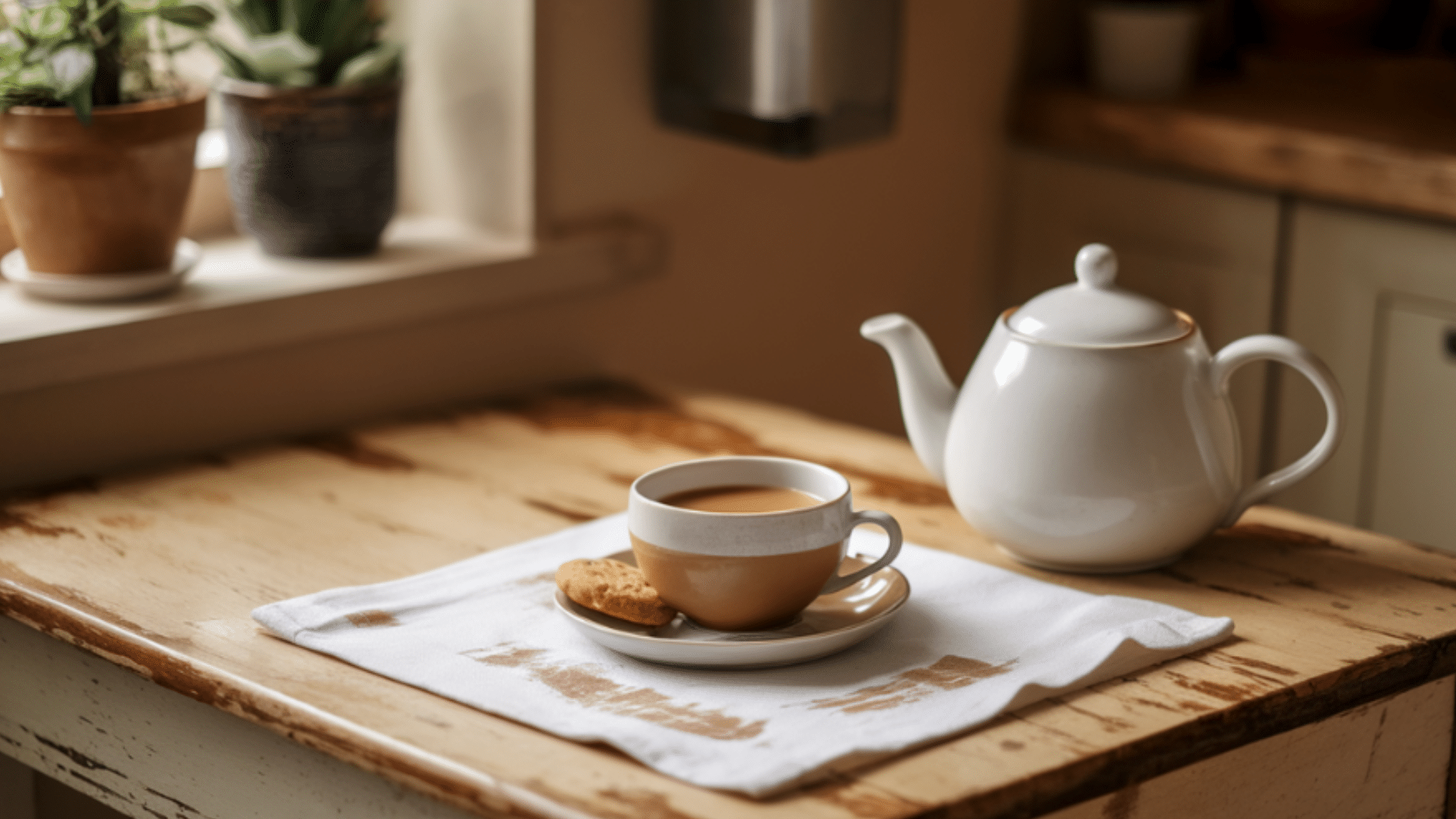
A warm cup of chai has a way of slowing the day down, but it also made me curious about what’s actually in it. Chai tea caffeine content can be confusing because every recipe, tea blend, and café seems a little different.
If you’re trying to manage your caffeine intake, knowing what affects each cup can help you make a better choice.
In this article, I’ll walk you through how chai compares with coffee, what influences its caffeine level, the different types of chai you’ll come across, and simple ways to enjoy it based on your own caffeine preferences
Quick Answer: Does Chai Tea Have Caffeine?
Yes, chai tea does have caffeine because it is traditionally made with black tea. Most cups contain about 25–50 mg of caffeine, depending on how they are prepared.
The exact amount varies based on the type of tea used, the brewing time, and the serving size. Traditional masala chai brewed with loose black tea generally contains more caffeine than instant chai mixes or some ready-to-drink versions.
The spices commonly added to chai, such as cinnamon, ginger, cardamom, and cloves, do not contain caffeine.
If you’re looking for a lower-caffeine option, you can choose decaffeinated chai or herbal chai blends made without black tea.
What is Chai Tea?
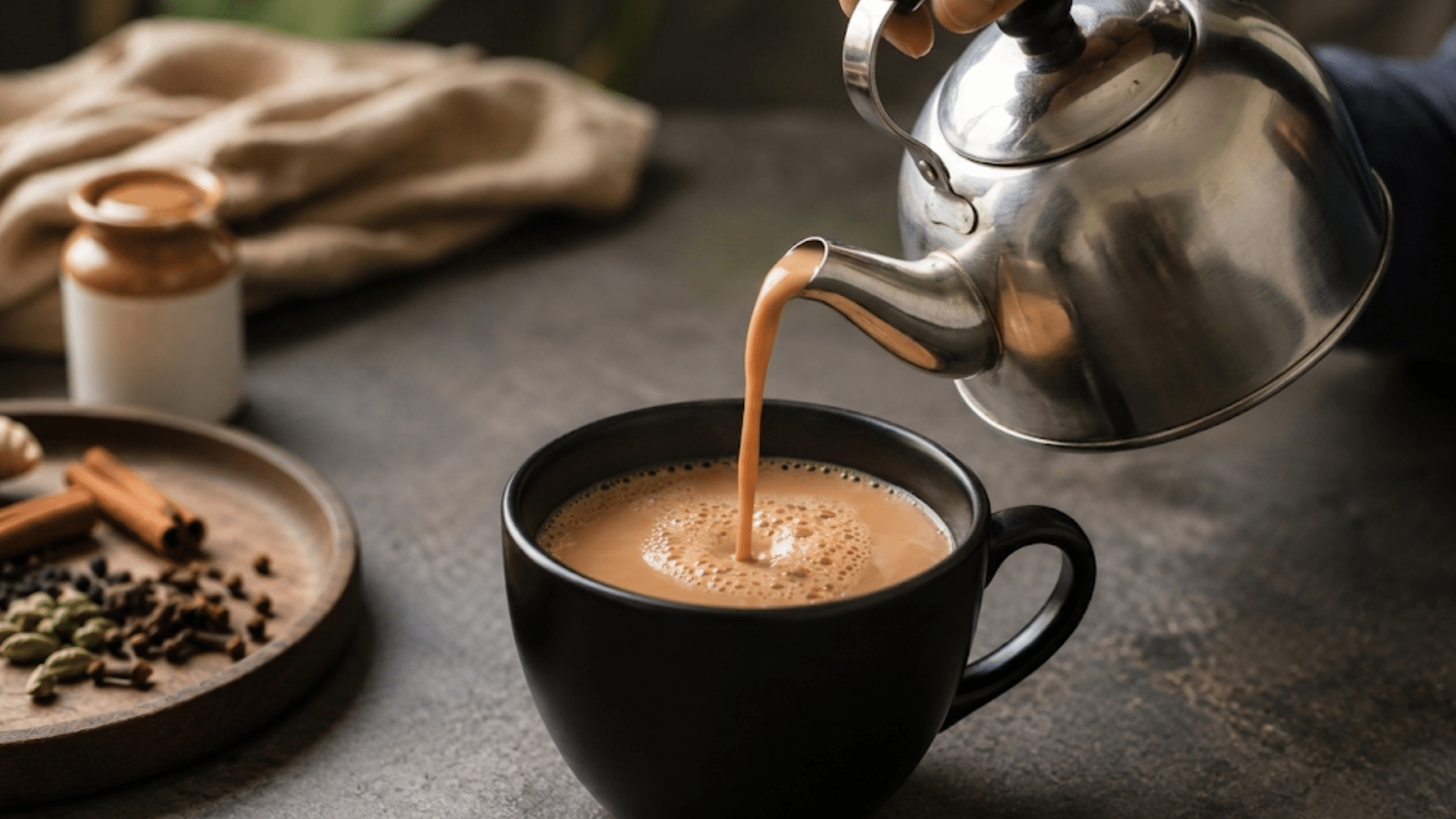
Chai tea is a spiced tea made by brewing black tea with aromatic spices such as cardamom, cinnamon, ginger, cloves, and black pepper.
Most masala chai recipes lean on a bold base like Assam, one of the stronger black tea types by taste and strength, which is part of why some chai blends brew more intensely than others.
It is traditionally prepared with milk and a sweetener, though recipes vary by region and preference.
The word chai means “tea” in several languages, including Hindi, but the phrase “chai tea” is widely used outside South Asia to refer to this spiced beverage.
Traditional masala chai has a warm, bold flavor with a balance of sweetness and spice. Since it is usually made with black tea, it naturally contains caffeine unless prepared with decaffeinated or herbal tea instead,
Chai Tea Caffeine Content At a Glance
Chai tea caffeine content can vary depending on the tea base, brewing method, and serving size. Comparing common chai beverages makes it easier to choose one that matches your caffeine preference.
| Chai Beverage | Typical Serving | Approximate Caffeine Content |
|---|---|---|
| Traditional Masala Chai (Black Tea) | 8 oz (240 ml) | 25–50 mg |
| Chai Tea Latte (Made With Concentrate) | 12 oz (355 ml) | 40–70 mg |
| Chai Tea Latte (Coffee Shop) | 16 oz (473 ml) | 50–95 mg (varies by brand) |
| Instant Chai Mix | 8 oz (240 ml) | 10–30 mg |
| Ready-to-Drink Bottled Chai | 12–16 oz (355–473 ml) | 20–60 mg |
| Green Tea Chai | 8 oz (240 ml) | 20–35 mg |
| Decaffeinated Chai Tea | 8 oz (240 ml) | 0–5 mg |
| Herbal Chai (Caffeine-Free) | 8 oz (240 ml) | 0 mg |
How to Adjust the Caffeine in Your Chai?
Small changes to the tea you use and how you brew it can noticeably change the caffeine in your cup. These simple adjustments let you enjoy chai while matching your personal caffeine preference.
- Choose Decaffeinated Chai
- Use Herbal Chai Blends
- Shorten the Brewing Time
- Use Less Black Tea
- Add More Milk
- Avoid Dirty Chai
- Choose Green Tea Chai
Does Chai Have More Caffeine Than Coffee?
No, chai generally has much less caffeine than coffee. A typical cup of chai contains about 25–50 mg of caffeine, while an 8-ounce cup of brewed coffee usually provides around 95 mg.
The difference comes from the ingredients used. Traditional chai is made with black tea, which naturally contains less caffeine than coffee beans.
But the exact amount can vary depending on the tea type, brewing time, and serving size, since black tea’s caffeine levels, compared to coffee’s, usually stay lower unless the tea steeps much longer than usual.
Chai lattes made with tea concentrates may contain slightly more caffeine than homemade chai, but they still usually have less than regular coffee.
If you want a gentler caffeine boost with added spices like ginger, cinnamon, and cardamom, chai is often a better choice than coffee.
Chai Vs. Matcha and Other Caffeinated Drinks
Chai is one of many popular caffeinated beverages, but its caffeine content sits somewhere in the middle compared to coffee, matcha, and other teas.
| Drink | Typical Caffeine (8 oz / 240 ml) | Main Source of Caffeine | Best For |
|---|---|---|---|
| Chai Tea | 25–50 mg | Black tea | Moderate energy with warm spices |
| Matcha | 38–88 mg | Powdered green tea leaves | Sustained focus and alertness |
| Black Coffee | 95–120 mg | Coffee beans | Strong energy boost |
| Espresso (1 shot) | 63–75 mg | Coffee beans | Quick, concentrated caffeine |
| Green Tea | 20–45 mg | Green tea leaves | Light caffeine and antioxidants |
| Earl Grey Tea | 40–70 mg | Black tea | Moderate caffeine with bergamot flavor |
| Black Tea | 40–70 mg | Black tea leaves | Steady energy throughout the day |
| Oolong Tea | 30–50 mg | Partially oxidized tea leaves | Balanced caffeine with a smooth taste |
| Energy Drink (8 oz) | 70–100 mg | Added caffeine | Fast energy, often with sugar or stimulants |
| Cola Soft Drink (12 oz) | 30–40 mg | Added caffeine | Mild caffeine from a carbonated beverage |
How to Choose the Right Chai for Your Caffeine Needs?
Choosing the right chai depends on how much caffeine you want in your day. Different tea bases provide different caffeine levels while keeping the signature chai flavor.
- For Higher Caffeine: Choose traditional masala chai made with black tea. Loose-leaf black tea typically produces the strongest brew and the highest caffeine content.
- For Moderate Caffeine: Pick a standard black tea chai bag or chai concentrate. These provide a balanced caffeine level that suits most people.
- For Lower Caffeine: Choose green tea chai or steep black tea for a shorter time to reduce the amount of caffeine extracted.
- For No Caffeine: Select herbal chai made with rooibos, honeybush, or other herbs common across most caffeine-free tea options, for the same warm spice flavor without caffeine.
This article is for general information and isn’t medical advice. Needs vary by person, so if you’re pregnant, nursing, managing a condition, or sensitive to caffeine, check with a healthcare professional.
Frequently Asked Questions
Can Children Drink Chai Tea?
Children can have small amounts occasionally, but regular caffeinated chai is generally not recommended for young kids.
Is Chai Tea Good Before a Workout?
Chai can provide a mild energy boost before exercise, though it contains much less caffeine than most pre-workout drinks.
Can You Drink Chai Tea on an Empty Stomach?
Most people can, but the spices and caffeine may cause stomach discomfort in some individuals.
The Bottom Line
Chai is more than just a comforting drink. Once I understood how its caffeine content can vary, I found it much easier to choose the right cup for different times of the day.
Whether you enjoy a traditional masala chai, a creamy chai latte, or a caffeine-free herbal version, knowing what affects the caffeine level helps you choose what fits your routine.
We all have different preferences, and that’s what makes chai so enjoyable.
Do you prefer homemade chai or your favorite café’s version? Have you found a brewing method that works best for you? Share your thoughts, tips, or experiences in the comments below.