


When you have a sore throat, reaching for a cup of warm tea is often one of the first things you do. It’s comforting, soothing, and feels like an instant relief.
But with so many teas to choose from, how do you know which one works best for your throat? If you’re battling inflammation, irritation, or just want something to calm the discomfort, finding the right tea is key.
In this blog, I’ll walk you through some of the best tea for sore throat relief and share some practical tips to make the most of each one.
Keep reading for soothing remedies that can help ease your throat and get you back to feeling better.
What Makes Tea Effective for Sore Throat Relief?
Drinking warm tea is a simple and effective way to relieve sore throat discomfort.
The warmth of the tea soothes throat irritation, making it feel instantly better. It also helps keep the throat hydrated, which is essential for easing dryness and reducing mucus buildup. This comforting heat promotes relaxation and helps clear congestion.
Different types of tea also offer specific benefits. Many teas contain natural anti-inflammatory properties that help reduce swelling and irritation in the throat.
Some teas, like ginger or chamomile, also have antibacterial qualities, helping to prevent infections. Additionally, certain herbal teas are calming and can help reduce stress, allowing your body to heal faster.
Sipping tea provides both immediate relief and long-term benefits for your throat’s health.
Best Tea for Sore Throat Relief
Find out a variety of teas that offer unique benefits to soothe your sore throat. From anti-inflammatory to calming effects, here are the best options for fast relief.
1. Turmeric Tea

Turmeric tea offers a natural remedy for sore throats with its powerful anti-inflammatory and antiseptic properties, making it a great option for relieving throat pain and swelling.
Why It Works: The curcumin in turmeric has potent anti-inflammatory effects, reducing swelling and soothing throat irritation. Additionally, its antiseptic properties help to fight infections, making it a natural choice for those suffering from throat pain.
How to Use: To make turmeric tea, mix a teaspoon of turmeric powder into hot water and let it steep for a few minutes. Alternatively, you can use turmeric tea bags for convenience. Adding black pepper improves the absorption of curcumin, boosting the tea’s effectiveness. For extra comfort, add honey to sweeten the taste.
Personal Tip: Although turmeric tea has a spicy kick, it’s incredibly soothing for a sore throat and provides relief from irritation, especially when sipped slowly. It’s a great choice when you need to calm persistent throat discomfort.
2. Ginger Tea

Ginger tea is a powerful remedy for sore throats, known for its ability to soothe irritation and reduce inflammation. It provides quick comfort and healing properties to help with throat discomfort.
Why It Works: Ginger contains natural anti-inflammatory and antibacterial properties that work to reduce throat irritation and inflammation. It helps to calm the throat and can reduce swelling, making it an effective remedy for sore throats.
How to Use: To make ginger tea, simply brew fresh ginger slices in hot water for 5–10 minutes, or use ginger tea bags for a quick fix. For added comfort, mix in honey to improve its soothing and antibacterial effects. Drink as needed throughout the day for relief.
Personal Tip: Ginger tea isn’t just great for sore throats. It also helps with nausea, making it a perfect choice when you’re feeling under the weather or sick all over.
3. Chamomile Tea

Chamomile tea is known for its calming properties, making it ideal for soothing throat inflammation and relaxing sore throat muscles.
Why It Works: Chamomile contains natural anti-inflammatory compounds that help reduce throat swelling and irritation. Its calming effect also relaxes throat muscles, providing a gentle remedy for soreness and discomfort, helping you feel better.
How to Use: To make chamomile tea, steep chamomile flowers in hot water for 5–10 minutes. This creates a mild and soothing brew that is gentle on the throat, helping to ease discomfort and relax your body.
Personal Tip: Chamomile is especially effective before bed, promoting restful sleep while soothing your sore throat. It helps calm the mind and body for a relaxing night’s sleep.
4. Peppermint Tea
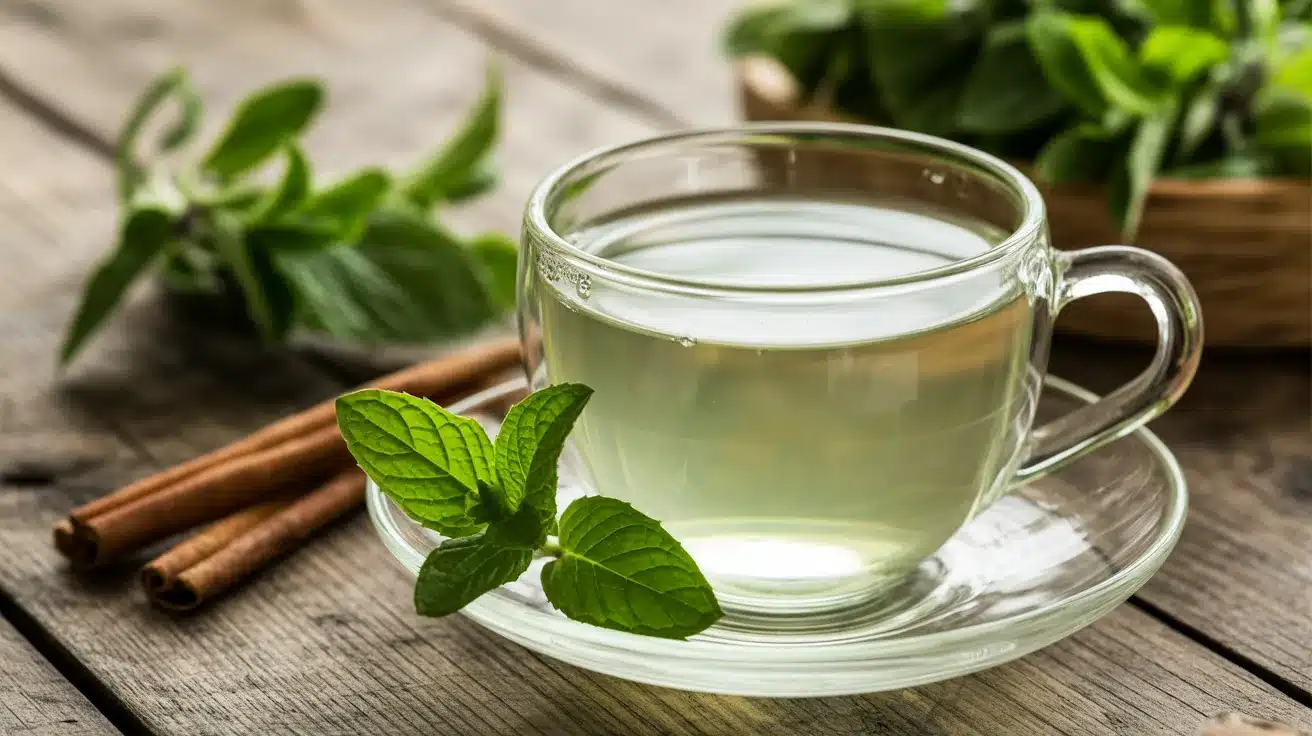
Peppermint tea is refreshing and provides immediate relief for sore throats, thanks to its cooling menthol content.
Why It Works: The menthol in peppermint has a cooling effect that soothes sore throats and reduces inflammation. It works quickly to ease throat irritation, providing instant comfort and relief from swelling, making it a great option when you need fast relief.
How to Use: To enjoy peppermint tea, simply brew fresh peppermint leaves in hot water or use peppermint tea bags. It’s an easy-to-make and refreshing drink that will help calm throat irritation and provide immediate comfort.
Personal Tip: Peppermint tea is especially useful if you’re also dealing with a stuffy nose. The menthol helps open your airways, improving your breathing while soothing your sore throat.
5. Lemon Tea with Honey

Lemon tea with honey is a comforting and soothing combination that can help relieve sore throat symptoms, thanks to its immune-boosting and antibacterial properties.
Why It Works: Lemon is packed with vitamin C, which helps boost your immune system, while honey coats and soothes the throat, providing instant relief from irritation. Together, they make a powerful natural remedy for throat discomfort.
How to Use: To prepare, simply mix fresh lemon juice and honey in warm water or add them to any tea of your choice. This combination will soothe your throat while providing extra comfort and healing properties.
Personal Tip: Lemon tea with honey is one of my favorites, especially in the morning. It’s soothing, refreshing, and helps kickstart your day while easing throat irritation.
6. Slippery Elm Tea
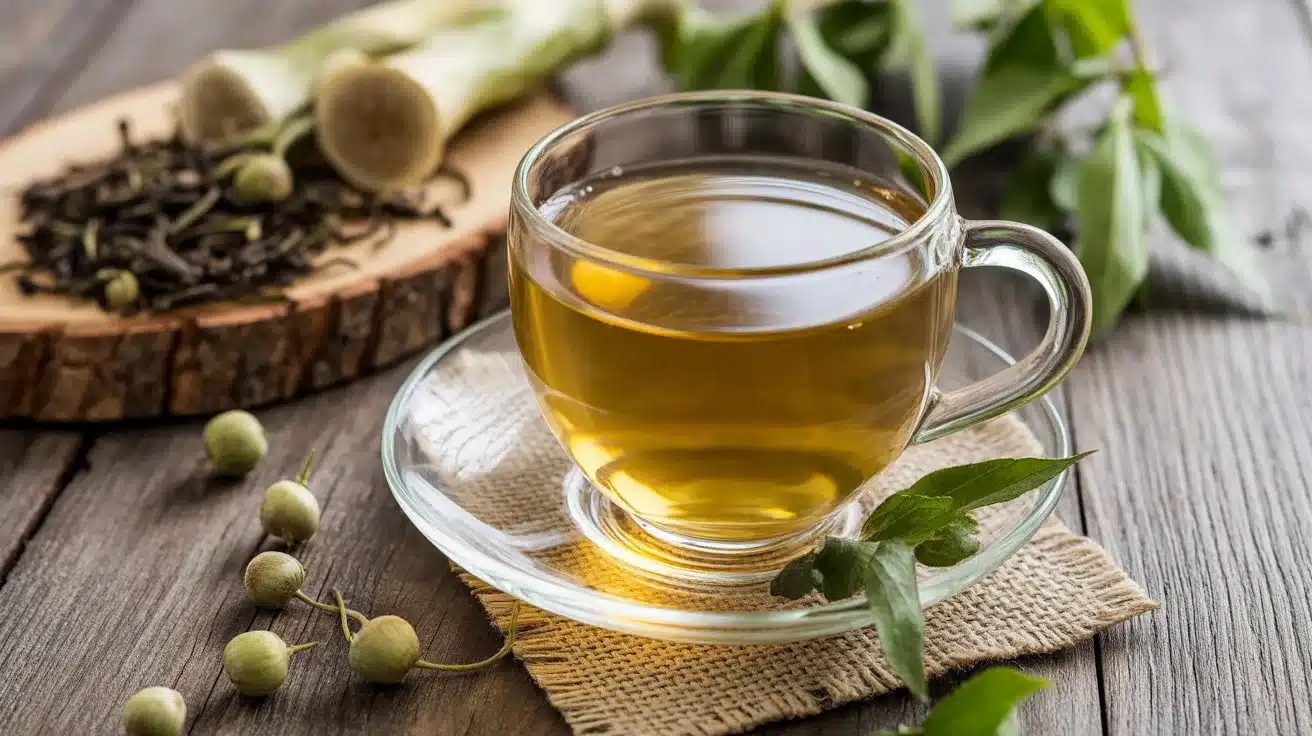
Slippery elm tea provides long-lasting relief for sore throats, thanks to its mucilage, which coats and soothes throat irritation.
Why It Works: Slippery elm contains mucilage, a gel-like substance that forms a protective coating over the throat, which helps reduce irritation and swelling. This makes it particularly effective for providing lasting comfort and soothing sore tissue.
How to Use: Steep slippery elm bark in hot water for 5-10 minutes to create a smooth, soothing brew. This tea can be drunk several times throughout the day to help with throat discomfort and irritation.
Personal Tip: If your throat is feeling particularly scratchy or raw, slippery elm tea works wonders by providing long-lasting relief, coating the irritated tissues, and offering protective comfort.
7. Marshmallow Root Tea
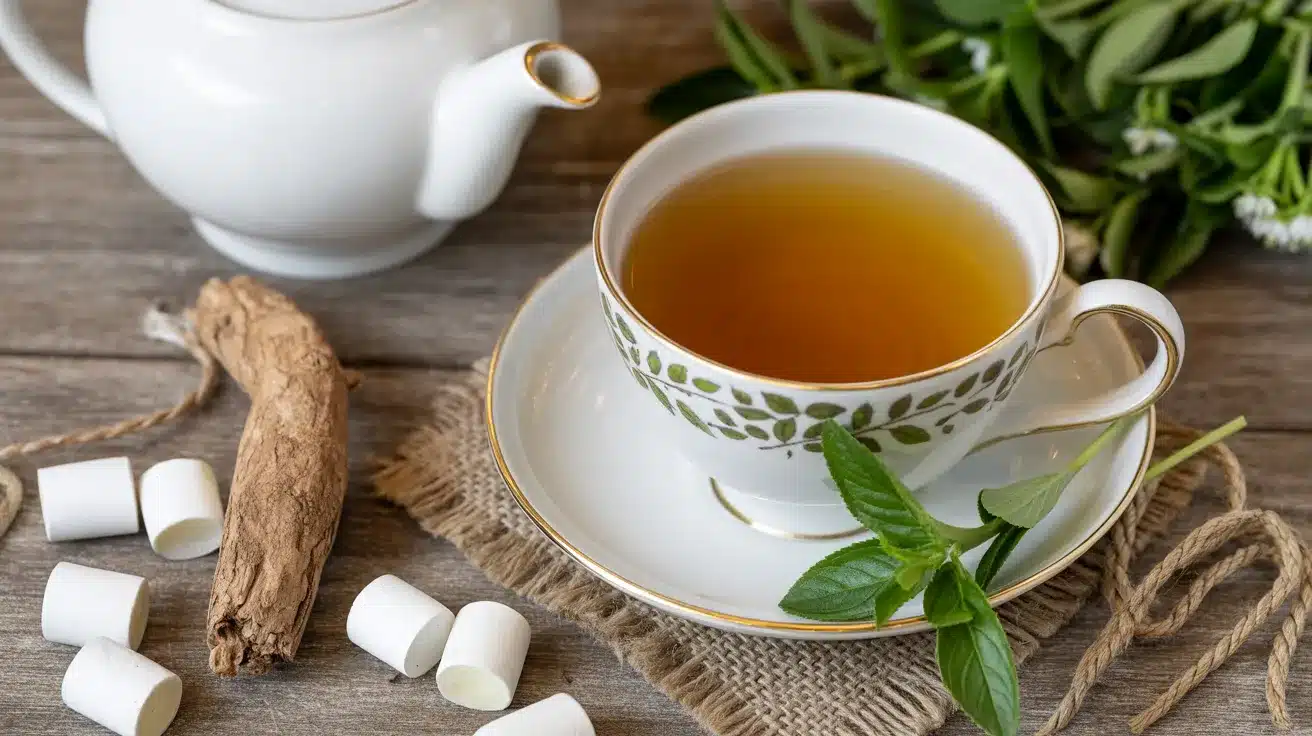
Marshmallow root tea is another soothing option for sore throats, known for its ability to coat and protect irritated tissues.
Why It Works: Marshmallow root contains mucilage, similar to slippery elm, which helps to coat the throat and reduce irritation. Its natural properties provide relief from soreness by soothing and protecting the throat lining.
How to Use: To make marshmallow root tea, steep the dried root in hot water for 5–10 minutes. For added comfort, you can mix in honey or lemon. Drink this soothing tea throughout the day for relief.
Personal Tip: Marshmallow root tea is especially helpful if you have a persistent sore throat, providing a smooth coating that helps ease irritation and discomfort for longer periods.
8. Licorice Root Tea
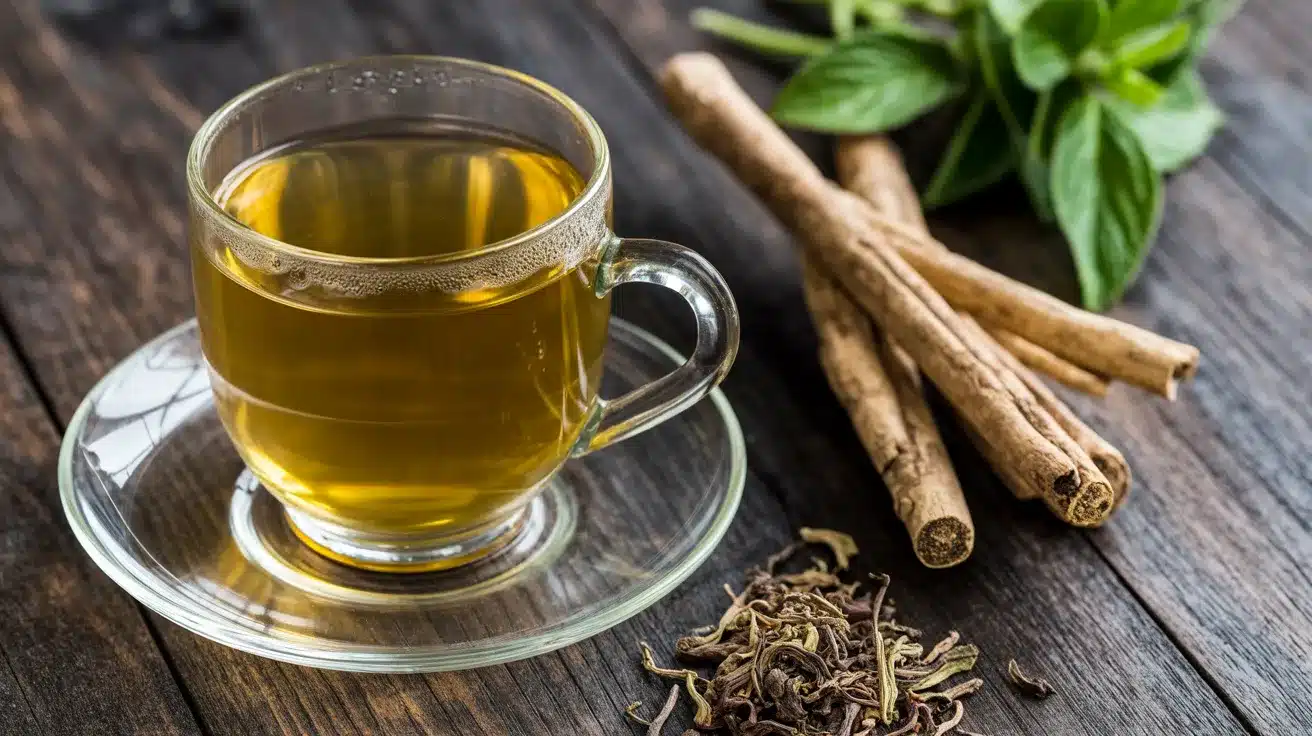
Licorice root tea has been used for centuries to soothe sore throats and improve overall respiratory health.
Why It Works: Licorice root has antiviral, anti-inflammatory, and antimicrobial properties. It helps to reduce throat inflammation and discomfort while promoting healing and soothing irritation. It also supports overall immune function.
How to Use: Steep licorice root tea in hot water for 5–10 minutes. It has a naturally sweet flavor, so you may not need extra sweeteners. Drink 1–2 cups per day, but avoid excessive use due to potential side effects.
Personal Tip: Licorice root tea is great for soothing throat pain and coughing. However, it’s best to drink in moderation, especially if you have high blood pressure or other underlying health issues.
9. Horehound Tea
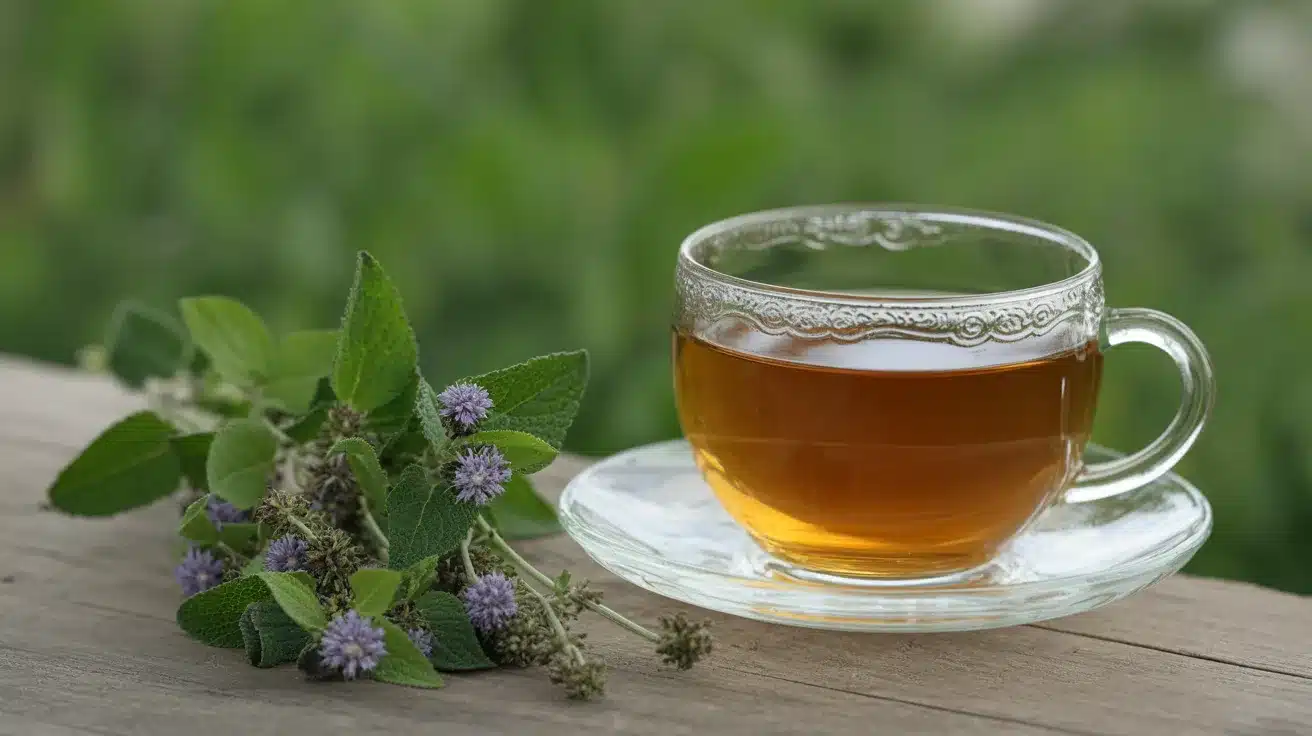
Horehound tea is an herbal remedy with a long history of use for respiratory health, including sore throat relief.
Why It Works: Horehound is known for its ability to help with mucus buildup, acting as an expectorant. It helps clear the throat of mucus while reducing inflammation, making it beneficial for sore throats and coughs.
How to Use: Brew horehound leaves in hot water for about 10 minutes. You can also add honey or lemon to improve the taste and soothing effects. It’s best consumed a couple of times a day to ease throat irritation.
Personal Tip: Horehound tea is perfect if you’re dealing with congestion or mucus buildup along with a sore throat. It helps loosen mucus and provide soothing relief for irritated throat tissues.
10. Elderberry Tea

Elderberry tea offers both immune-boosting and soothing properties, making it a great option for sore throats.
Why It Works: Elderberry is rich in antioxidants and vitamins that support the immune system. It helps to reduce inflammation in the throat and prevents infection, while also easing discomfort associated with a sore throat.
How to Use: To prepare elderberry tea, steep dried elderberries in hot water for 10–15 minutes. You can find elderberry tea bags or make your own from dried elderberries. Add honey for extra soothing properties.
Personal Tip: Elderberry tea is great for early-stage throat discomfort when you feel a cold or flu coming on. It’s a natural way to help support your immune system and ease soreness.
11. Cinnamon Tea

Cinnamon tea is a flavorful and effective tea for sore throat relief, offering both soothing and anti-inflammatory effects.
Why It Works: Cinnamon has natural anti-inflammatory and antimicrobial properties, making it a great option for soothing a sore throat. It helps reduce swelling and pain, while also providing a warming effect that adds comfort.
How to Use: To make cinnamon tea, simply steep a cinnamon stick or cinnamon powder in hot water for about 5–10 minutes. You can add honey or lemon to improve its soothing qualities and flavor.
Personal Tip: Cinnamon tea is perfect if you’re craving something warm and comforting. It’s especially effective when combined with honey, which further soothes the throat and fights infection.
How to Make the Best Tea for Your Sore Throat?
Making the best tea for a sore throat involves choosing the right ingredients and brewing them correctly.
Start by using warm, not hot, water to avoid irritating your throat further.
Fresh herbs or high-quality tea bags work best because they contain more beneficial compounds. Whether you’re using ginger, chamomile, or peppermint, steep the herbs for 5–10 minutes to extract their soothing properties.
For added relief, incorporate honey and lemon. Honey naturally coats the throat, reducing irritation, while lemon provides vitamin C, which helps strengthen your immune system.
Drink tea throughout the day, especially when your throat feels dry or scratchy. It’s particularly soothing before bed, helping to relax your muscles and calm the inflammation overnight.
You can also combine different teas for extra benefits. For instance, mix ginger with lemon for a powerful anti-inflammatory drink, or chamomile with honey for a calming, sleep-inducing effect.
Tea Alternatives for Non-Tea Drinkers!
If you’re not a fan of tea, here are some warm, soothing alternatives to help ease your sore throat.
| Alternative | Benefits | How to Use |
|---|---|---|
| Warm Lemon Water | Hydrates and provides vitamin C to boost immunity. | Mix fresh lemon juice in warm water and sip slowly. |
| Bone Broth | Hydrates and soothes while providing nutrients for healing. | Heat bone broth and drink as a comforting, savory alternative. |
| Apple Cider Vinegar Drink | Helps balance throat pH and fights bacteria. | Mix 1-2 tablespoons of apple cider vinegar with warm water and honey. |
| Warm Saltwater | Reduces swelling and clears mucus. | Gargle with warm water and a pinch of salt several times a day. |
These alternatives offer soothing relief and hydration for sore throat discomfort when tea isn’t your preference.
Potential Risks & Side Effects of Herbal Teas for Sore Throat
Herbal teas can be soothing, but it’s important to consider their potential risks and side effects before use.
Potential Risks
Before using herbal teas, keep in mind that certain herbs can interact with medications or cause complications in specific health conditions.
- Herb-Drug Interactions: Some herbs may interfere with prescription medications, affecting their effectiveness or causing adverse reactions.
- Health Concerns: Herbs like licorice root and peppermint can be problematic for individuals with conditions like high blood pressure or diabetes.
- Pregnancy: Pregnant or breastfeeding women should be cautious with some herbal teas, as certain herbs may not be safe during these times.
Side Effects
Herbal teas, though generally safe, may cause discomfort if consumed in excess or if you have sensitivities to certain ingredients.
- Overconsumption: Drinking too much of certain herbs, like licorice, can cause headaches, nausea, or digestive issues.
- Allergic Reactions: Some teas, such as chamomile or peppermint, can trigger allergic reactions in sensitive individuals, including rashes or swelling.
- Gastrointestinal Issues: Some herbs may cause digestive discomfort, like bloating, acid reflux, or upset stomach when consumed in large amounts.
Other Helpful Tips for Sore Throat Relief
In addition to drinking soothing teas, here are some other practical tips to help relieve sore throat discomfort.
- Stay Hydrated: Drinking plenty of water, broths, and warm fluids keeps your throat moist and helps reduce irritation.
- Rest Your Voice: Avoid speaking too much to give your throat a break and speed up recovery.
- Use Steam: Inhale steam from a hot shower or bowl of hot water to soothe dry or irritated throat tissues.
- Humidify the Air: Use a humidifier to add moisture to the air, especially in dry environments, which can help prevent further throat irritation.
- Gargle Saltwater: Gargling warm saltwater can help reduce swelling and relieve throat pain.
- Avoid Irritants: Stay away from smoke, strong chemicals, or dry air that can worsen throat irritation.
These tips can work alongside your tea to give extra relief and speed up healing.
Final Thoughts
In this blog, we find the best tea for sore throats, from ginger and chamomile to lemon and honey.
Each tea offers unique benefits, whether it’s reducing inflammation, boosting immunity, or simply providing comfort. Remember to drink your tea warm, not too hot, and add honey for extra soothing effects.
Keep sipping throughout the day to stay hydrated and ease throat irritation. I encourage you to try the teas we discussed and see which one works best for you.
Don’t forget to leave a comment with your thoughts or share your experience. If you found this helpful, check out my other blogs for more health tips.