


When you think about green juice, you might picture a bright glass of veggies and wonder if it’s really worth the effort. I’ve had the same question, too. The truth is, green juice benefits go way beyond a simple trend.
In this post, you and I will walk through what’s actually in that glass, how it can support your energy, digestion, skin, and overall health, and where it might not live up to the hype.
By the end, you’ll know exactly how green juice can fit into your routine in a way that feels realistic and easy for your daily life. You’ll also get a simple recipe and tips to drink it more safely, every day.
What is Green Juice and Why Do People Love It?
Green juice is made by blending or juicing green vegetables and herbs. Some people add a small amount of fruit to make it taste sweeter. The goal is to create a refreshing drink that feels light, clean, and full of nourishment.
Common ingredients in green juice:
- Spinach or kale
- Celery
- Cucumber
- Parsley or mint
- Wheatgrass
- Small amounts of fruit, like an apple, a kiwi, or a lemon
This drink has become popular because it is easy to make, tastes fresh, and offers a boost of natural nutrients.
Green Juice Benefits Explained
The benefits of green juice come from what’s inside the glass. Each ingredient adds something valuable, whether it’s vitamins, healthy plant compounds, or hydration.
1. Full of Natural Vitamins & Minerals
Green juice is rich in vitamins A, C, and K, plus minerals like potassium, magnesium, and iron. These nutrients help the body stay strong, support healthy cells, and keep the immune system working well.
Here’s a simple breakdown:
| Nutrient | What It Supports | Where It Comes From |
|---|---|---|
| Vitamin A | Eyes, skin, and immune system | Spinach, kale |
| Vitamin C | Immunity, skin health | Citrus, kiwi, parsley |
| Vitamin K | Bone strength, blood flow | Kale, Swiss chard |
| Potassium | Hydration, heart health | Cucumber, celery |
| Iron | Energy levels | Spinach, wheatgrass |
Liquid nutrients are also easy for the body to absorb, which can make green juice feel energizing.
2. Helps Support Immunity
Green juice helps support immunity because it is rich in vitamin C, antioxidants, and chlorophyll.
These nutrients work together to protect cells, reduce internal stress, and support healthy blood and oxygen flow. When enjoyed regularly, green juice can gently strengthen the body’s natural defenses.
3. Good for Digestion and the Gut
Fresh green juice may contain prebiotic compounds that help feed healthy gut bacteria. A strong gut can help with smooth digestion, better nutrient absorption, and regular comfort.
Ways green juice supports digestion:
- Provides gentle nutrients that are easy to absorb
- Supports healthy gut bacteria
- May reduce feelings of bloating for some people
People recovering from certain stomach or intestinal procedures also sometimes use juice for easier digestion under guidance.
4. Hydrates the Body
Green juice helps hydrate the body because many of its ingredients, like cucumber and celery, are mostly water. This natural water, along with minerals such as potassium and magnesium, supports better fluid balance.
Good hydration can boost energy, improve focus, aid smoother digestion, and help keep body temperature steady throughout the day.
5. Helps Reduce Inflammation
Leafy greens contain antioxidants and plant compounds that can help reduce inflammation in the body. This matters because long-term inflammation is linked to many chronic health concerns.
Green juice may help:
- Lower oxidative stress
- Support heart and brain wellness
- Keep cells healthy over time
It’s not a cure, but it gives the body helpful tools to stay balanced.
6. Can Give Skin a Natural Glow
Green juice can help give the skin a natural glow by improving hydration and supporting a calmer gut.
Its vitamins and plant compounds nourish skin cells, support collagen, and reduce inflammation that may cause dullness. With regular intake, many people notice a fresher, brighter, and healthier appearance.
7. May Support Healthy Weight Goals
Green juice is usually low in calories when made with vegetables and small amounts of fruit. It can be a smart swap for soda or sugary drinks.
Helpful ways it supports weight goals:
- Low-calorie drink
- Offers nutrients without heaviness
- Hydration helps control snacking
Again, it works best as part of a balanced eating style.
Possible Green Juice Downsides to Keep in Mind
Green juice has many good points, but there are also a few things to watch out for. Knowing these helps keep habits safe and balanced.
| Concern | What It Means | Why It Matters |
|---|---|---|
| Low in Fiber | Juicing removes most of the natural fiber from vegetables. | Fiber supports gut health, steady blood sugar, and fullness. |
| Fruit-Heavy Mixes Raise Blood Sugar | Lots of fruit and little fiber means natural sugars enter the blood quickly. | This can cause spikes in blood sugar, especially for some people. |
| High-Oxalate Greens and Kidneys | Leafy greens like spinach can be high in oxalates. | Very large amounts may stress the kidneys in some individuals. |
| Not a Full Meal | Green juice lacks enough fiber, fat, and protein on its own. | It should not be the only source of daily nutrition. |
Green juice works best as part of a balanced diet, not as a replacement for whole foods.
Enjoying it in moderation, using more vegetables than fruit, and eating plenty of whole fruits and veggies during the day can help keep things healthy and safe.
Simple Green Juice Recipe
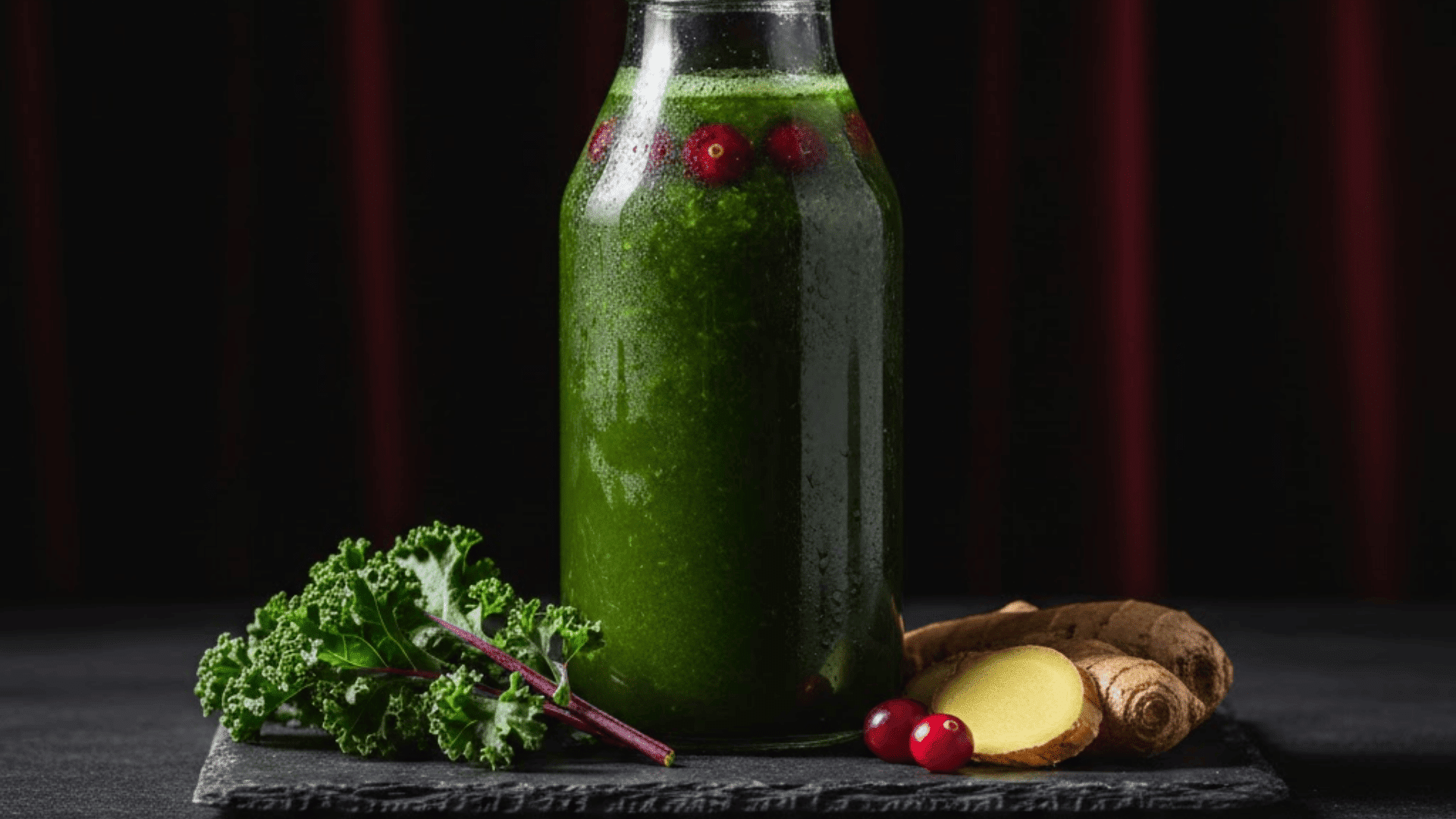
This easy recipe brings together fresh greens and simple steps to help you enjoy a bright, refreshing drink at home.
Time: About 10 minutes
Method: Blended or juiced (no cooking)
Ingredients:
- 2 medium apples (or 1 for less sweetness)
- 3 cups spinach or kale
- 2 celery stalks
- ½ cucumber
- ½ tablespoon lemon juice
- Optional: a small piece of ginger
- 1 cup water
- 1 cup ice
Steps:
- Wash all produce so it’s clean and ready to use.
- Add the water, apples, greens, celery, cucumber, ginger (optional), and lemon juice to a blender.
- Blend on high until everything becomes smooth.
- Add the ice and blend again for a cooler, lighter texture.
- Strain the mixture through a fine mesh strainer if a smoother juice is preferred.
- Chill the juice in the fridge or pour it into a glass and enjoy right away.
Juicer Version
Pass all produce through a juicer, skipping the water and ice. Once juiced, refrigerate for a few minutes before serving for the best taste.
This simple method keeps things fresh, quick, and easy, giving you a clean, bright drink packed with green goodness.
How to Enjoy It Safely to Get the Most Benefits of Green Juice
Green juice can be a great addition to the day when used wisely and in the right amount. A few simple habits can make it much safer and more effective.
- Keep portions moderate: Small servings are usually enough to enjoy the benefits.
- Use more vegetables than fruit: This helps lower sugar and keeps the drink more balanced.
- Pair with whole foods: Enjoy green juice along with meals or snacks that include fiber, protein, and healthy fats.
- Read labels carefully: Choose juices without added sugar or artificial ingredients.
- Rotate your greens: Switch between spinach, kale, and other greens to avoid too many oxalates from one source.
With these habits in place, green juice can fit into many lifestyles and support health without replacing regular, whole-food meals.
Wrap Up
Now that you’ve seen what’s in that green glass, green juice benefits probably feel a lot clearer.
You and I walked through how it can support your energy, digestion, skin, and overall health, and also where it falls short, like low fiber and too much sugar in fruit-heavy mixes.
My goal was to give you enough detail so you can decide how green juice fits into your life, without stress or confusion. If you’re ready to try it, start small, notice how your body feels, and adjust from there.
If this helped, you’re welcome to check out more of my blog for simple ideas to support your health and your everyday routine.