
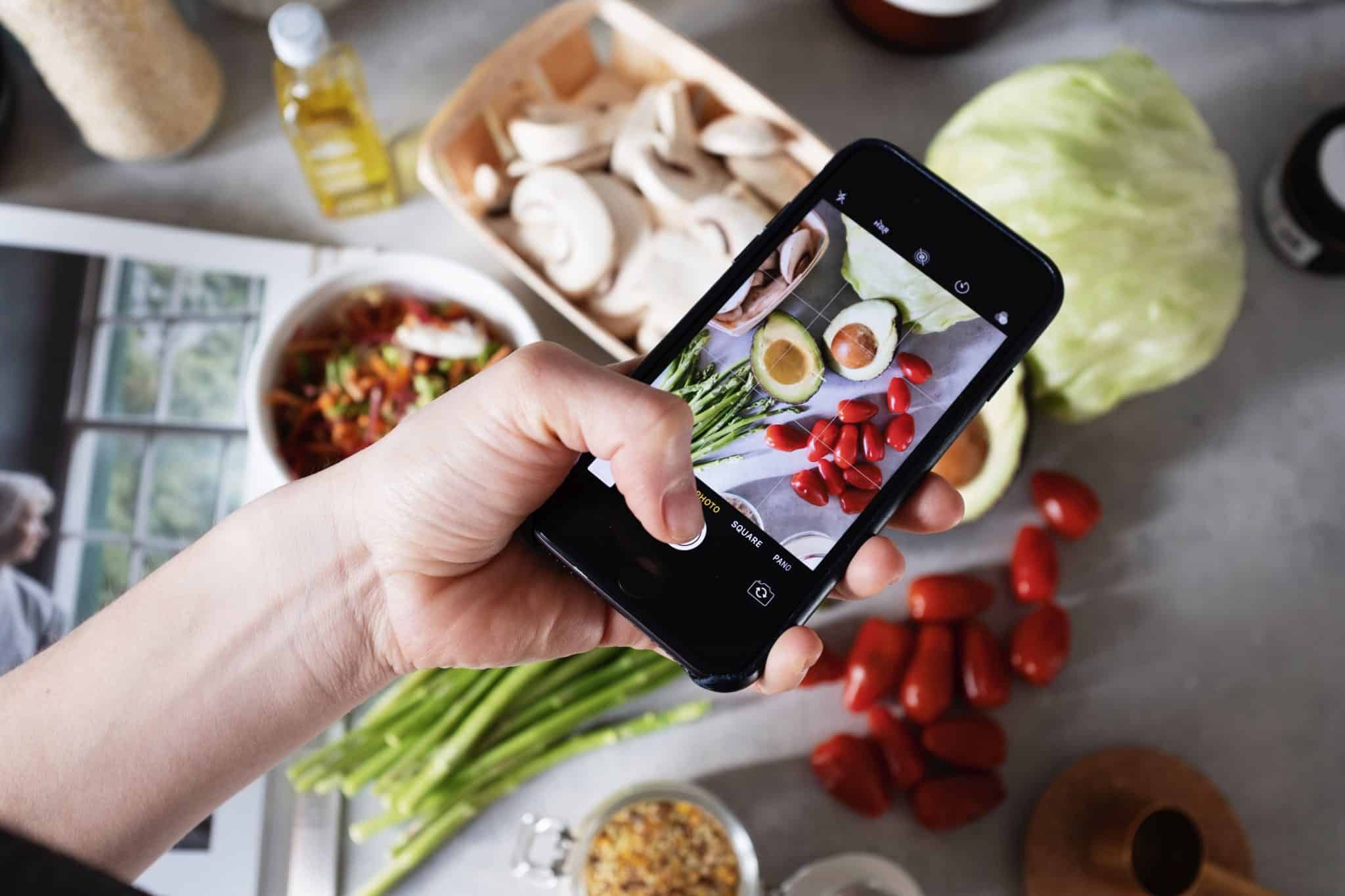
Healthy eating isn’t just about what’s on your plate anymore. It’s also about how information is presented, shared, and discovered. Whether you’re introducing a new breakfast recipe, promoting a nutrition workshop, or launching a wellness brand, the way you communicate visually can determine whether people stop scrolling or keep moving.
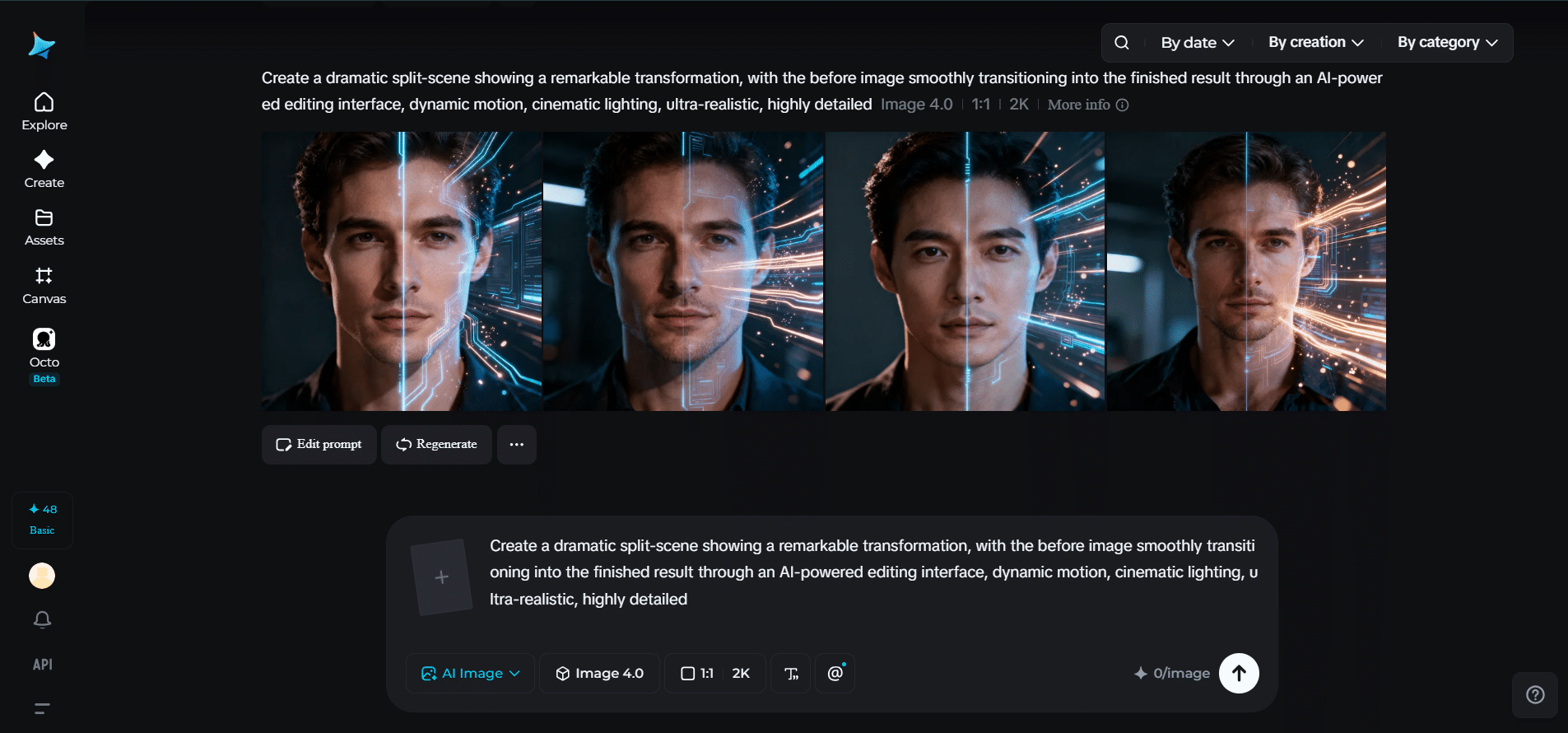
For food creators, bloggers, and small businesses, marketing often becomes another full-time job. Between planning recipes, photographing meals, writing blog posts, and managing social media, there isn’t much time left for graphic design. That’s why many creators choose to save time by using an AI poster designer, allowing them to produce professional promotional materials quickly while keeping their focus on creating nutritious recipes and valuable content.
The Growing Importance of Visual Content
People consume information differently than they did just a few years ago. Social media feeds are filled with colorful images, short videos, infographics, and digital flyers competing for attention every second.
When someone is searching for healthy breakfast ideas or nutritional inspiration, visuals often become the deciding factor in whether they click on your content.
A clean, attractive design immediately communicates professionalism. It suggests that the same level of care has gone into the recipes, products, or advice being shared.
That first impression matters more than many people realize.
Healthy Food Deserves Beautiful Presentation
Think about your favorite food blogs or wellness brands.
What makes them memorable?
Of course, the recipes are important. But so are the vibrant ingredient photos, consistent color palettes, and cohesive branding that create a welcoming experience.
Visual presentation isn’t about making food look unrealistic. Instead, it’s about highlighting freshness, simplicity, and authenticity.
Natural lighting, thoughtful composition, and clean layouts can make even the simplest bowl of oatmeal feel inviting.
The same principle applies to promotional graphics.
Whether you’re announcing a seasonal recipe collection or inviting readers to join a cooking challenge, attractive visuals encourage people to learn more.
Consistency Builds Trust
One of the biggest differences between growing brands and forgettable ones is consistency.
When visitors encounter the same colors, fonts, photography style, and messaging across your website, newsletters, and social platforms, they begin recognizing your content instantly.
That recognition gradually develops into trust.
For food businesses especially, trust is essential.
People want confidence in the products they purchase and the nutritional advice they follow. A consistent visual identity reinforces credibility before anyone even reads your content.
Making Nutrition Easier to Understand
Healthy eating doesn’t need to feel complicated.
Sometimes a well-designed visual explains an idea more effectively than several paragraphs of text.
Imagine comparing:
- A plain list of whole grains
- A colorful infographic showing serving suggestions
- A weekly meal planner
- A breakfast challenge calendar
Which one would people be more likely to save?
Visual learning helps readers absorb information quickly.
This is particularly valuable when discussing balanced nutrition, portion sizes, meal preparation, or ingredient substitutions.
The easier your information is to understand, the more likely people are to apply it.
Supporting Seasonal Campaigns
Food content naturally changes throughout the year.
Spring brings fresh produce.
Summer focuses on refreshing meals.
Autumn introduces comforting flavors.
Winter encourages warm breakfasts and nourishing recipes.
Each season presents new opportunities to connect with your audience.
Creating seasonal promotional materials helps maintain excitement while giving readers fresh reasons to revisit your website.
Simple campaigns like “Healthy Breakfast Week” or “Five Days of High-Protein Meals” become much more engaging when supported by thoughtful visual content.
A Real-World Example
Imagine Emma, who runs a small blog dedicated to wholesome breakfast recipes.
Every week she develops new recipes, photographs ingredients, writes articles, and answers reader questions.
She also wants to promote downloadable meal planners, cooking guides, and seasonal recipe collections.
Initially, she spends hours trying to design graphics herself.
Eventually she streamlines her workflow by simplifying the design process.
Now the extra time goes toward recipe testing, researching nutrition, and engaging with her audience instead of endlessly adjusting fonts and layouts.
The quality of her content improves because she’s investing her energy where it matters most.
Creating Graphics That People Want to Share
The best visual content doesn’t just attract attention.
It encourages sharing.
Readers love saving graphics that are useful, attractive, or inspiring.
Examples include:
- Healthy grocery checklists
- Weekly meal plans
- Smoothie ingredient guides
- Seasonal produce calendars
- Breakfast preparation schedules
- Nutrition tip collections
These resources continue bringing value long after they’re published.
Every share introduces your content to a wider audience.
Keep the Message Simple
One common mistake is trying to fit too much information into one design.
Instead, focus on one primary idea.
If you’re promoting overnight oats, let the graphic focus on that.
If you’re highlighting whole grains, avoid adding unrelated nutritional advice.
Simple messages are easier to remember.
They also perform better across social media platforms where users often spend only a few seconds viewing each post.
Pair Great Design With Great Content
Visuals capture attention. Content builds relationships. An attractive graphic may encourage someone to click, but the recipe, article, or educational resource keeps them engaged.
That’s why successful food creators invest in both. Helpful content supported by appealing visuals creates an experience readers enjoy returning to. When every recipe teaches something useful and every article solves a real problem, your audience naturally grows.
Practical Tips for Better Food Marketing
Whether you’re managing a personal food blog or building a nutrition brand, these habits can strengthen your visual communication:
- Choose a consistent color palette inspired by natural ingredients.
- Use readable typography on every graphic.
- Highlight one key message per design.
- Invest in bright, high-quality food photography.
- Leave enough white space to keep layouts clean.
- Maintain consistent branding across your website and social media.
- Design with mobile users in mind, since many people discover recipes on their phones.
- Review your older graphics occasionally to ensure they still reflect your current brand.
Small improvements made consistently often produce better results than dramatic redesigns.
Remember That Inspiration Drives Action
People don’t simply search for recipes.
They’re searching for solutions.
They want healthier mornings, easier meal preparation, balanced nutrition, and practical ideas that fit into busy schedules.
Every visual you create should support that goal.
Instead of overwhelming readers with information, inspire them to take one simple action—try a recipe, prepare tomorrow’s breakfast, or learn something new about healthy eating.
When visuals and valuable content work together, they encourage lasting habits rather than temporary attention.
Final Thoughts
Sharing nutritious recipes and wellness advice is about more than publishing information. It’s about helping people make healthier choices in ways that feel approachable and enjoyable. Strong visual communication supports that mission by making educational content easier to discover, understand, and remember. When thoughtful design complements authentic, practical advice, food creators can build stronger connections with their audience while encouraging healthier lifestyles one meal at a time.