
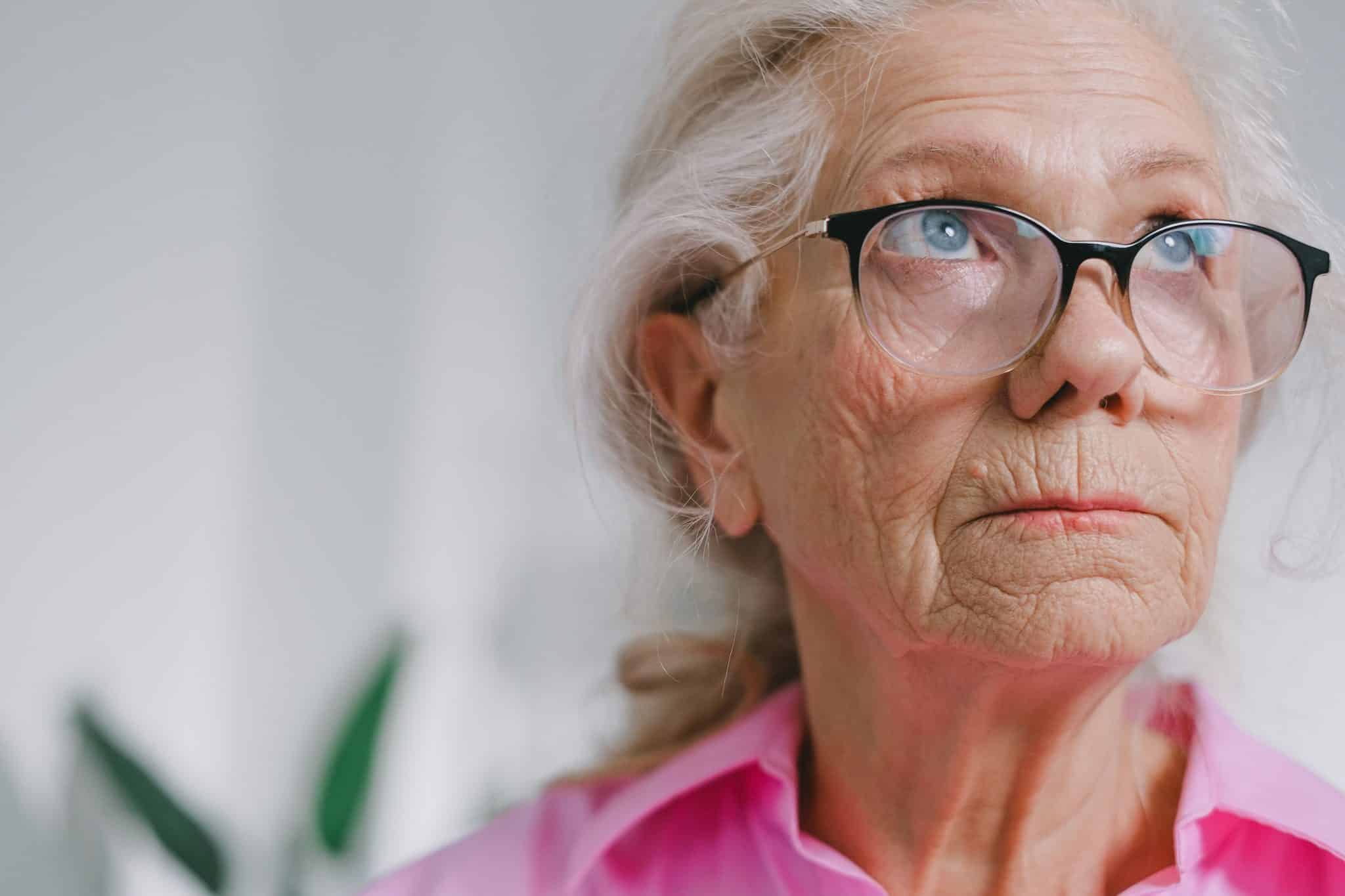
If your vision has started to change in recent months, it can be really frustrating. However, it’s not always a cause for serious alarm. In many cases, changing vision is a completely normal part of getting older. Your eyes age along with the rest of your body. Over the years, the lens inside your eye becomes less flexible and the surface of the eye may not stay as moist. The structures that help you focus and send visual information to the brain can all change over time.
Some changes are normal and easy to correct. Others may be signs of an eye disease that needs attention. The key is knowing what can happen as you age and taking your eye health seriously before small problems become bigger.
Your Lens Becomes Less Flexible
One of the most common age-related vision changes is trouble seeing things up close. This is called presbyopia, and it usually becomes noticeable in your 40s.
When you’re younger, the lens inside your eye can change shape easily. That helps you focus on objects at different distances. Over time, the lens becomes less flexible. When that happens, close-up focus becomes harder. You may notice it when reading a book or checking your phone.
This change doesn’t mean your eyes are failing. It’s a normal part of aging. Reading glasses or other vision correction options can often make close-up work easier again. However, it’s important that you don’t ignore the change. If you’re straining to read or getting headaches from close work, an eye exam can help you find the right correction.
The Eye’s Natural Lens Can Become Cloudy
Cataracts are another common reason eyesight changes with age. A cataract happens when the eye’s natural lens becomes cloudy. Instead of light passing clearly through the lens, it becomes scattered. That can make vision look blurry or hazy.
Cataracts often develop slowly. At first, you may only notice that colors seem less bright or that glare from headlights bothers you more at night. Over time, reading, driving, and everyday tasks may become harder.
The good news is that cataracts are entirely treatable. If they start affecting your daily life, an eye doctor can talk with you about whether surgery makes sense. Cataract surgery is common and replaces the cloudy lens with a clear artificial lens.
Your Eyes May Need More Light
As you age, you may notice that you need brighter light to read, cook, or do detailed tasks. This can happen for several reasons. The pupil may become smaller and less responsive to changes in lighting. The lens may also become less clear, which means less light reaches the retina.
Better lighting can help. However, this doesn’t solve every vision problem. If you’re finding it difficult to read or see in situations that used to be easy for your vision, it’s worth getting checked to make sure nothing serious is happening.
The Risk of Eye Disease Increases
Some age-related eye conditions are more serious than normal focusing changes. Age-related macular degeneration, glaucoma, diabetic eye disease, and other conditions can affect vision in ways that may not be obvious at first.
Glaucoma is especially important because it can damage vision gradually and may not cause noticeable symptoms early on. By the time a person notices vision loss, damage may already be significant.
Age-related macular degeneration affects the macula, which is the part of the retina responsible for central vision. Central vision helps you read, drive, recognize faces, and see fine details. When AMD progresses, those tasks can become harder.
Vision Correction Needs Can Change
Even if you’ve worn the same glasses or contacts for years, your prescription may change as you age. You may need reading correction or lenses that help with both near and far vision.
It’s also worth asking about your options. Some people do well with reading glasses. Others prefer progressives or multifocal contacts. For others, getting a corrective procedure like LASIK can help.
What You Can Do to Protect Your Eyes
You can’t stop your eyes from aging, but you can take steps to protect your vision. Here are a few pointers:
- Start with regular comprehensive eye exams. They help catch problems early and keep your prescription current.
- Wear sunglasses that block UV rays when you’re outside.
- Pay attention to warning signs. Sudden vision loss, flashes of light, a sudden increase in floaters, eye pain, double vision, etc. should be checked quickly.
The more proactive you are with protecting your eyes now, the better your long-term outlook will be over the years to come. It’s all about smart, daily habits.
Take Care of Your Eyes
Eyesight almost always changes with age. For some people, these changes are totally normal and manageable. For others, it’s much more uncomfortable and may require medical attention. That’s why eye exams are so important, especially as you get older.
Thankfully, you don’t have to wait until your vision becomes a major problem to take care of your eyes. The best approach is to notice changes, get checked regularly, and build the right habits.
When you take care of your eyes, they’ll usually take good care of you.