

Anyone who starts thinking about having a baby tends to look at their plate a little differently. The morning coffee, the Friday wine, the lunches eaten standing up at the kitchen bench all start to carry a bit more weight. A question usually follows: can food shift the odds of conceiving, or is that wishful thinking?
The honest answer sits somewhere in the middle. Food will not override every fertility challenge. What you eat in the months before trying does feed into egg and sperm quality, hormone balance, and the environment a pregnancy depends on. These are the questions that come up again and again, with grounded answers rather than promises.
Does What You Eat Before Conception Matter?
Eggs take roughly three months to mature before they are released. Sperm runs on a similar timeline, with a full cycle of production close to 90 days. The food eaten across that window becomes part of the raw material your body works with. A diet heavy in ultra-processed food, sugar and trans fats has been linked with poorer ovulation patterns and lower sperm quality. Whole foods, decent protein and plenty of plants point the other way.
None of this guarantees a result. It does shift the starting conditions, which is often where small, steady changes have the most room to do something useful.
Which Foods and Nutrients Come Up Most?
A handful of nutrients earn their reputation. Folate supports the earliest stages of neural development, which is why it is recommended before conception rather than after a positive test. Iron and zinc both play a part in ovulation and healthy cell division. Omega-3 fats, the kind found in oily fish, walnuts and flaxseed, feed hormone production and blood flow to the reproductive organs.
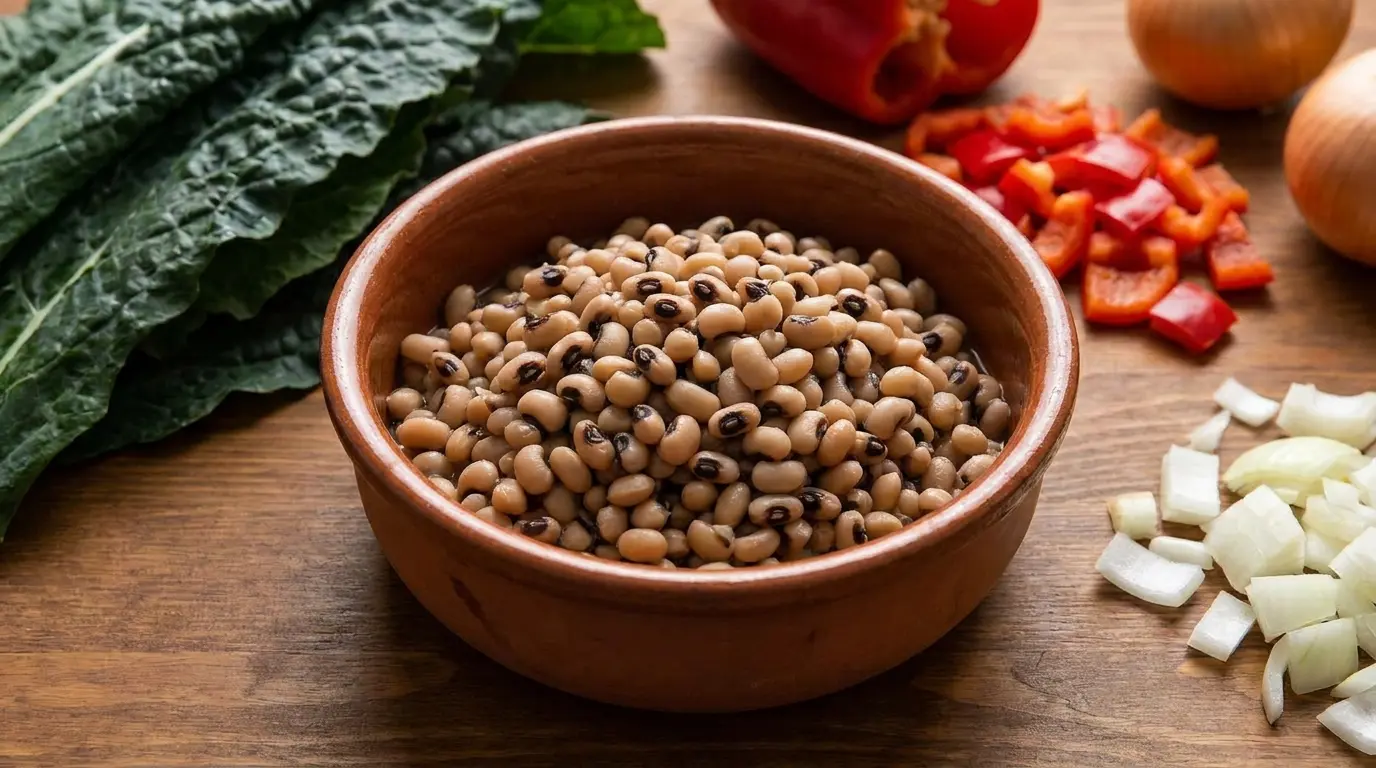
Wholegrains deserve a mention too. Slow-release carbohydrates from oats, brown rice and legumes keep blood sugar steadier, which matters for hormonal conditions like PCOS, where insulin and ovulation are tightly linked. A bowl of oats with seeds and berries is a quiet workhorse, doing more than its plainness suggests.
For couples who want guidance built around their own bloodwork and history rather than general rules, working with a fertility naturopath in Perth is one way to see how diet, nutrient levels and cycle patterns fit together. Testing replaces guessing, which tends to save both money and a fair bit of second-guessing at the supermarket.
Is This Only About the Woman’s Diet?
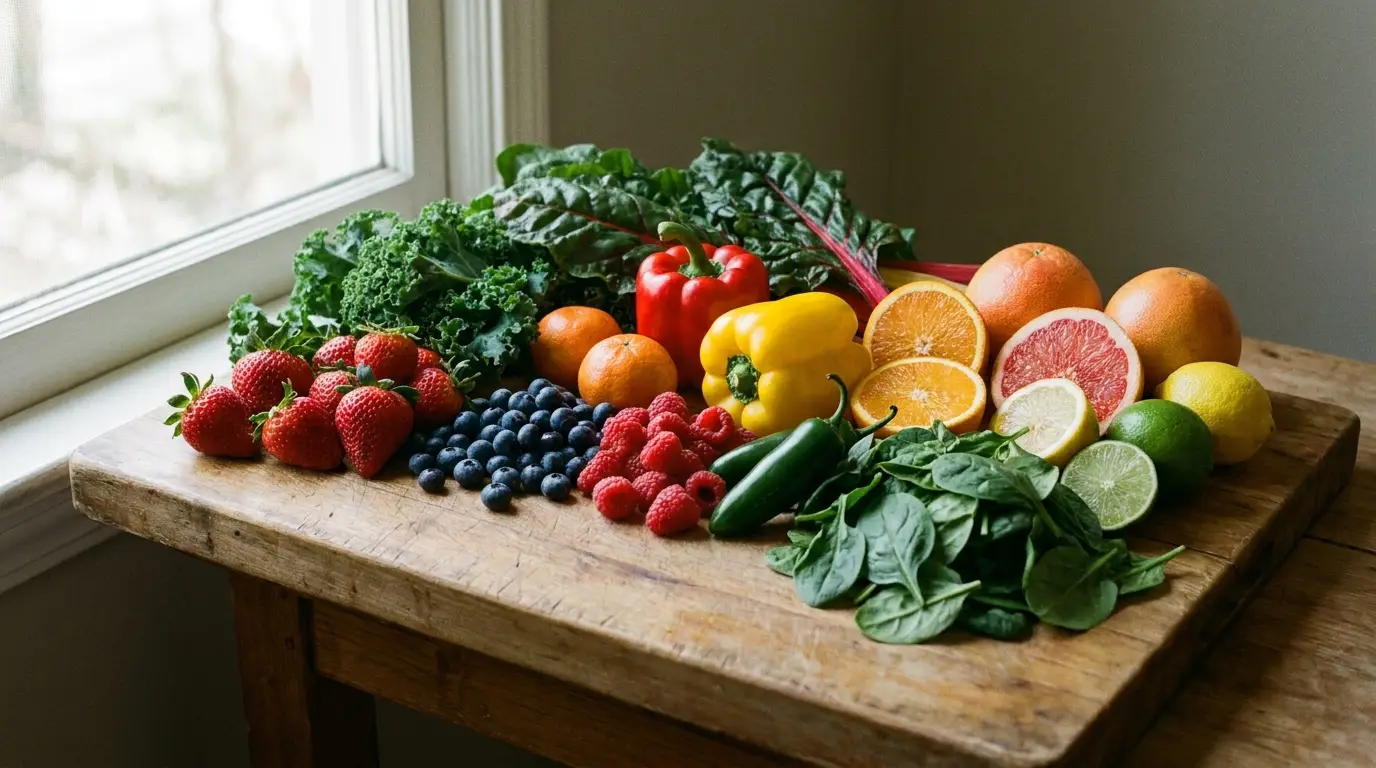
No, and assuming so is one of the more common missteps. Sperm contributes half the genetic material, and its quality responds to diet, alcohol, smoking and heat the same way eggs respond to their own influences. Research on male diet has tied higher intakes of antioxidants, found in colourful fruit and vegetables, to better sperm movement and shape. When both partners adjust their eating at the same time, the effort feels fairer, and the gains add up across the couple instead of landing on one person.
How Early Should You Start?
That 90-day maturation window is the reason most practitioners suggest changing how you eat about three months before you start trying, give or take. Earlier is fine. Couples preparing for IVF often treat the lead-up to a cycle the same way, since the eggs collected during a round have been developing for weeks beforehand. Already trying and haven’t changed anything yet? Starting now still counts. Your body keeps producing fresh eggs and sperm, so there is always a new batch responding to what you do.
Can Food Alone Solve a Fertility Problem?
Here is where honesty matters. Diet is one input among several. Endometriosis, blocked tubes, thyroid disorders and significant hormonal imbalance all need proper investigation and, in many cases, medical treatment. Food supports the process. It rarely replaces it.
That is why good naturopathic care works alongside GPs and fertility specialists rather than against them. A practitioner who looks at the root cause might run nutrient testing, review your cycle, and adjust diet and supplement support to fill genuine gaps, while your medical team handles the parts that sit firmly in their lane. The two approaches pull in the same direction.
What About the Pressure to Eat “Perfectly”?
Worth naming, because it derails people. Trying to eat flawlessly while trying to conceive can become its own source of stress, and ongoing stress carries its own effect on hormones. A diet that is mostly whole foods, with room for normal life, beats a rigid plan you abandon after three weeks. Consistency over months does more than perfection over a fortnight.
When Is It Worth Getting Help?
Six to twelve months of trying without success, a known condition affecting fertility, or simply wanting a plan based on your own numbers rather than internet advice are all reasonable reasons to bring someone in. A practitioner can test rather than assume, which keeps you from chasing supplements you may not need or missing a deficiency that broad advice would never pick up.
Food was never going to be a magic key. It is one of the few parts of the picture you can shape directly, starting with your next meal. For most couples, building plates around whole ingredients, steady carbohydrates and a good spread of nutrients is a sensible place to begin, and a habit worth keeping well past a positive test.