
Many homeowners begin renovations by focusing on one room at a time. The approach appears practical because it spreads expenses over several years and avoids the disruption of a large-scale project. A kitchen may be renovated first, followed by a bathroom, a living area, and eventually other parts of the home.
While this strategy can seem manageable, it often introduces hidden challenges that become apparent only after multiple projects are completed. Design inconsistencies, repeated construction expenses, scheduling conflicts, and ongoing disruptions can make phased renovations more costly than expected.
For homeowners planning significant upgrades, understanding the long-term impact of renovation decisions is essential. Comparing piecemeal remodeling with a unified design-build approach highlights why many homeowners ultimately prefer a more coordinated strategy.
Why Incremental Renovations Feel Like the Safer Option
One-room renovations appeal to homeowners because they require a smaller financial commitment upfront. Rather than tackling an entire property at once, families can focus on immediate priorities while postponing other improvements.
This flexibility often provides a sense of control. Homeowners can evaluate each completed project before deciding what comes next. The process feels less overwhelming than committing to a comprehensive renovation plan.
However, renovations completed years apart are rarely guided by the same design vision. As preferences, budgets, and priorities change, the finished home may lack consistency and cohesion.
Design Continuity Often Gets Lost
One of the biggest drawbacks of phased remodeling is the difficulty of maintaining a unified aesthetic. Materials, finishes, fixtures, and design trends evolve over time. What feels current today may look dated several years later.
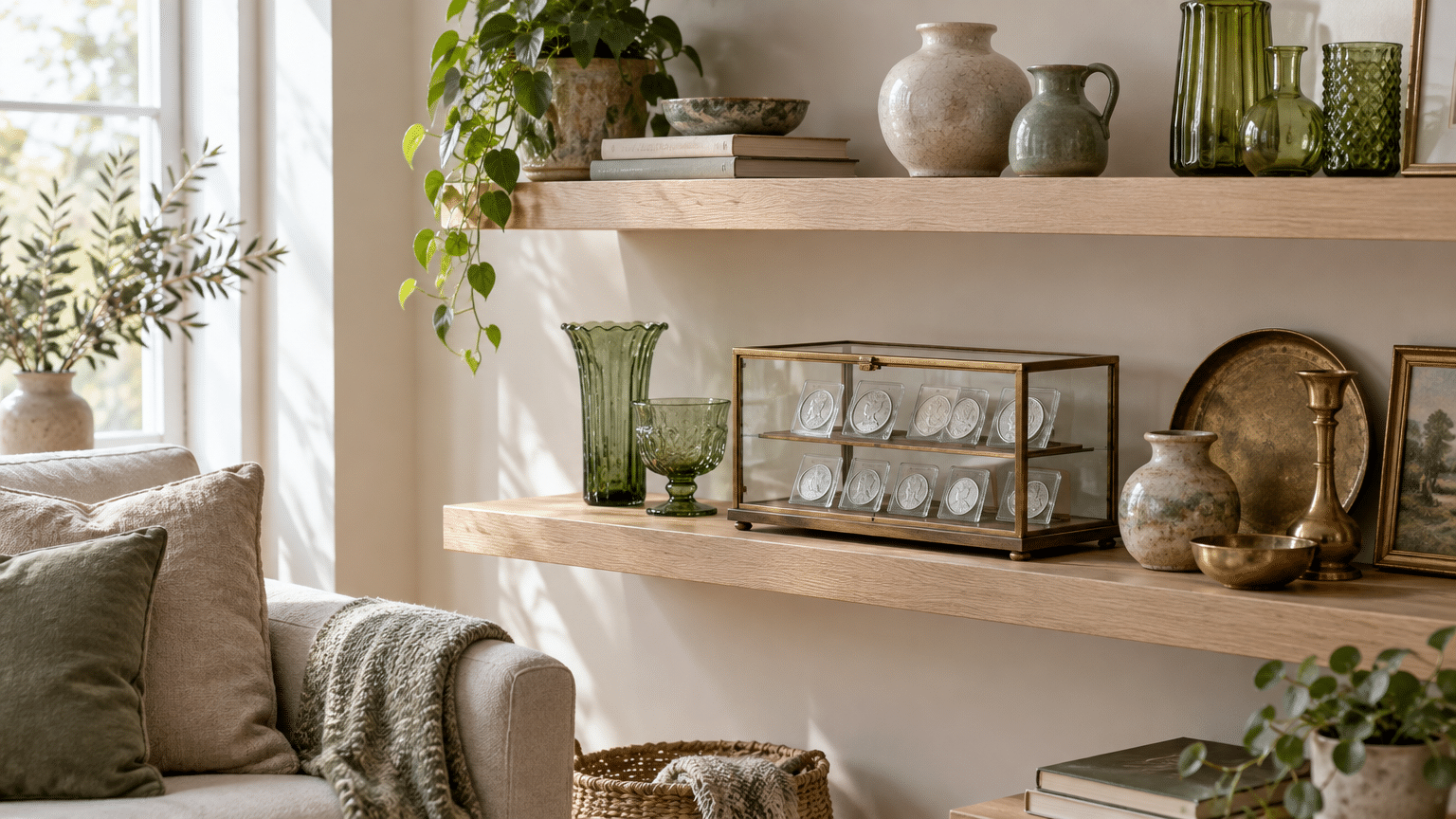
A kitchen renovated in one phase may have little visual connection to a living room completed years afterward. Differences in cabinetry styles, flooring selections, lighting choices, and architectural details can create a disconnected appearance throughout the home.
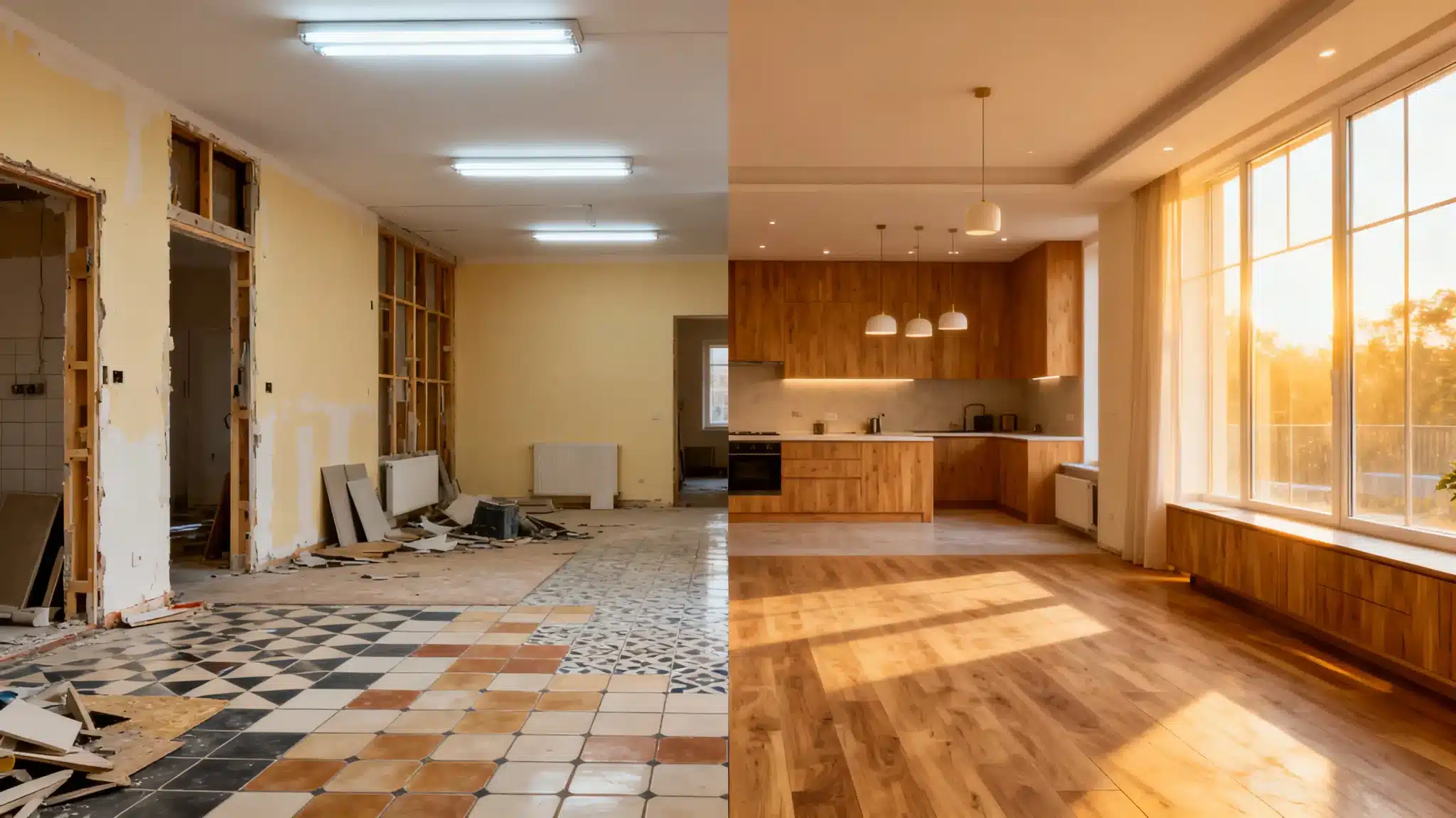
A design-build approach helps eliminate this issue by establishing a clear vision from the beginning. Every decision contributes to a larger plan, resulting in a home that feels intentional and cohesive.
Repeated Project Costs Add Up Quickly
Many homeowners focus on the direct construction costs of individual renovations. What they often overlook are the repeated expenses associated with launching multiple projects.
Every renovation typically requires consultations, design work, permits, project management, scheduling, and contractor mobilization. These costs recur each time a new phase begins. Over several years, the cumulative impact can be substantial.
A comprehensive renovation often consolidates many of these expenses into a single process. By reducing duplication, homeowners can achieve greater efficiency and better overall value from their investment.
Why Construction Fatigue Becomes a Real Problem
Living through a renovation is rarely convenient. Noise, dust, temporary disruptions, and limited access to certain areas are all part of the experience. While homeowners may tolerate these inconveniences during one project, repeated renovations can become exhausting.
Each new phase requires adjustments to routines and living arrangements. Family members may need to relocate activities or navigate ongoing construction zones throughout the home.
A unified renovation schedule condenses disruption into a single period. Although the project may be larger, many homeowners find it preferable to enduring years of recurring construction activity.
Material Availability Changes Over Time
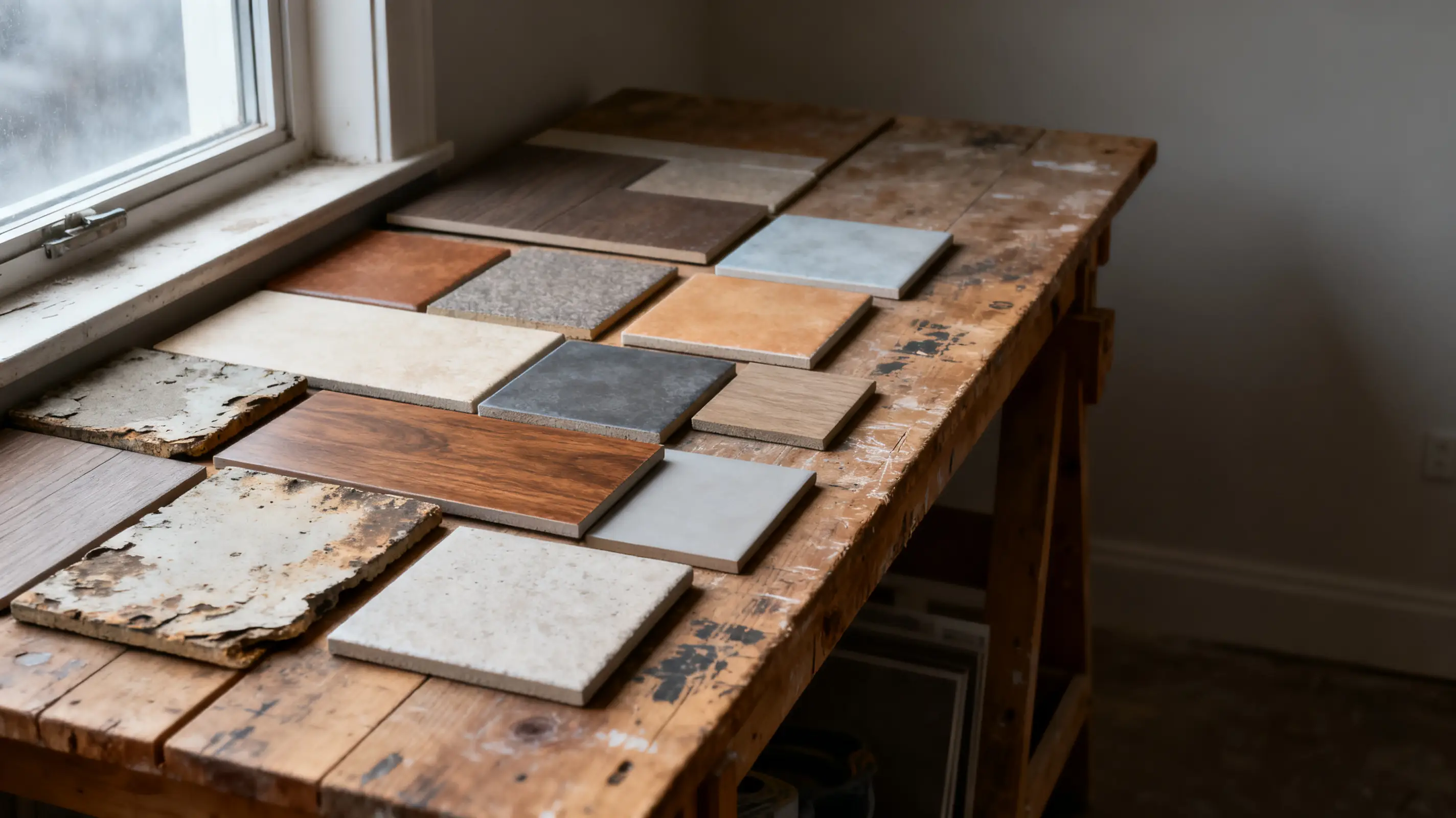
Building products change constantly. Manufacturers introduce new collections, discontinue older lines, and update finishes based on market demand. As a result, materials selected during an earlier renovation may no longer be available when additional work begins.
This challenge makes it difficult to maintain consistency across different phases of a project. Matching flooring, cabinetry, tile, or trim can become nearly impossible after several years have passed.
Professionals at Reed Design Build often encourage homeowners to think beyond immediate renovation goals. Planning for the entire property helps reduce compatibility issues and supports a more cohesive final result.
Looking at the Home as a Complete Environment
A successful renovation involves more than improving individual rooms. Every area of a home affects how people move, live, and interact within the space. When projects are planned independently, important connections between rooms may be overlooked.
A comprehensive strategy evaluates the property as a whole. Traffic patterns, storage needs, lighting plans, and functional relationships between spaces can be addressed more effectively when viewed together.
This broader perspective often reveals opportunities that would not be obvious during isolated room-by-room renovations.
The Efficiency of Coordinated Project Management
Managing multiple renovation phases means coordinating different contractors, suppliers, schedules, and budgets over several years. Every new project introduces additional complexity and increases the possibility of delays or communication challenges.
The design-build model simplifies many of these issues. Design, planning, budgeting, and construction are managed through a coordinated process. This integration improves communication and helps reduce inefficiencies.
For homeowners exploring Home Remodeling in Naples Florida, a unified process often provides greater predictability than managing separate renovation projects over an extended period.
Making Better Financial Decisions
Budget considerations play a major role in every renovation project. While smaller projects may appear more affordable individually, the total cost of multiple phases can exceed expectations.
A long-term renovation strategy allows homeowners to evaluate investments within the context of larger goals. Resources can be allocated more effectively, and decisions can be made with future improvements in mind.
This approach helps avoid situations where earlier work must be modified or replaced to accommodate later renovations. Strategic planning often delivers stronger long-term value.
Why Long-Term Planning Produces Better Results
The most successful renovations are guided by a clear vision for the future. Rather than focusing exclusively on immediate needs, homeowners benefit from considering how the entire property will function and evolve over time.
A design-build approach supports this perspective by creating a roadmap that aligns design goals, construction plans, and financial priorities. Every improvement contributes to a larger objective rather than existing as an isolated upgrade.
Reed Design Build works with homeowners who want renovations that feel connected, purposeful, and built around long-term lifestyle goals. By approaching remodeling strategically, homeowners can avoid many of the hidden costs associated with piecemeal renovations and create spaces that remain functional, cohesive, and valuable for years to come.