


Is oatmeal low FODMAP? That question came up when my uncle, who has IBS, found himself frustrated with a low FODMAP diet that seemed to take away many of his favorite foods.
Breakfast was the hardest: especially giving up his daily bowl of oatmeal. Unsure if oats were truly a problem or simply misunderstood, I decided to look deeper into how oatmeal fits into a low FODMAP lifestyle.
Understanding portion sizes, oat types, and preparation methods turned out to be key. In this guide, I’ll walk you through what the FODMAP diet involves and how oatmeal may, or may not, work for people managing IBS symptoms.
What is the FODMAP Diet?
Before we talk about oats specifically, let’s cover what the FODMAP diet actually means. The FODMAP diet helps people with IBS (Irritable Bowel Syndrome) by avoiding certain carbohydrates that cause stomach problems like bloating, gas, and pain.
FODMAP stands for Fermentable Oligosaccharides, Disaccharides, Monosaccharides, and Polyols. These are different types of hard-to-digest sugars:
- Oligosaccharides (GOS, FOS): Found in wheat, onions, and beans. Cause bloating and gas in sensitive individuals.
- Disaccharides (Lactose): Present in milk, yogurt, and soft cheeses. Problematic for those lacking lactase enzyme.
- Monosaccharides (Fructose): Found in apples, honey, and high-fructose corn syrup. Poorly absorbed when in excess.
- Polyols (Sorbitol, Mannitol): Present in mushrooms, artificial sweeteners, and stone fruits. Sugar alcohols that trigger digestive discomfort.
These foods ferment in your gut and create uncomfortable symptoms. The diet involves cutting out high FODMAP foods temporarily, then slowly adding them back to find your personal triggers. This helps you eat comfortably while keeping good nutrition.
Is Oatmeal Low FODMAP?
Yes, oatmeal is low FODMAP when consumed in appropriate portions. Different oat varieties have varying FODMAP thresholds: steel-cut and rolled oats allow ½ cup uncooked servings, while quick oats require smaller ¼ cup portions. Measuring carefully prevents digestive discomfort and IBS symptoms.
Types of Oats and Their Low FODMAP Serving Sizes
Since portion size makes such a difference, it’s important to know exactly how much of each oat type you can safely eat. Understanding the different types of oats and their appropriate portion sizes is essential for maintaining a low FODMAP diet while enjoying this nutritious grain.
1. Steel-Cut Oats
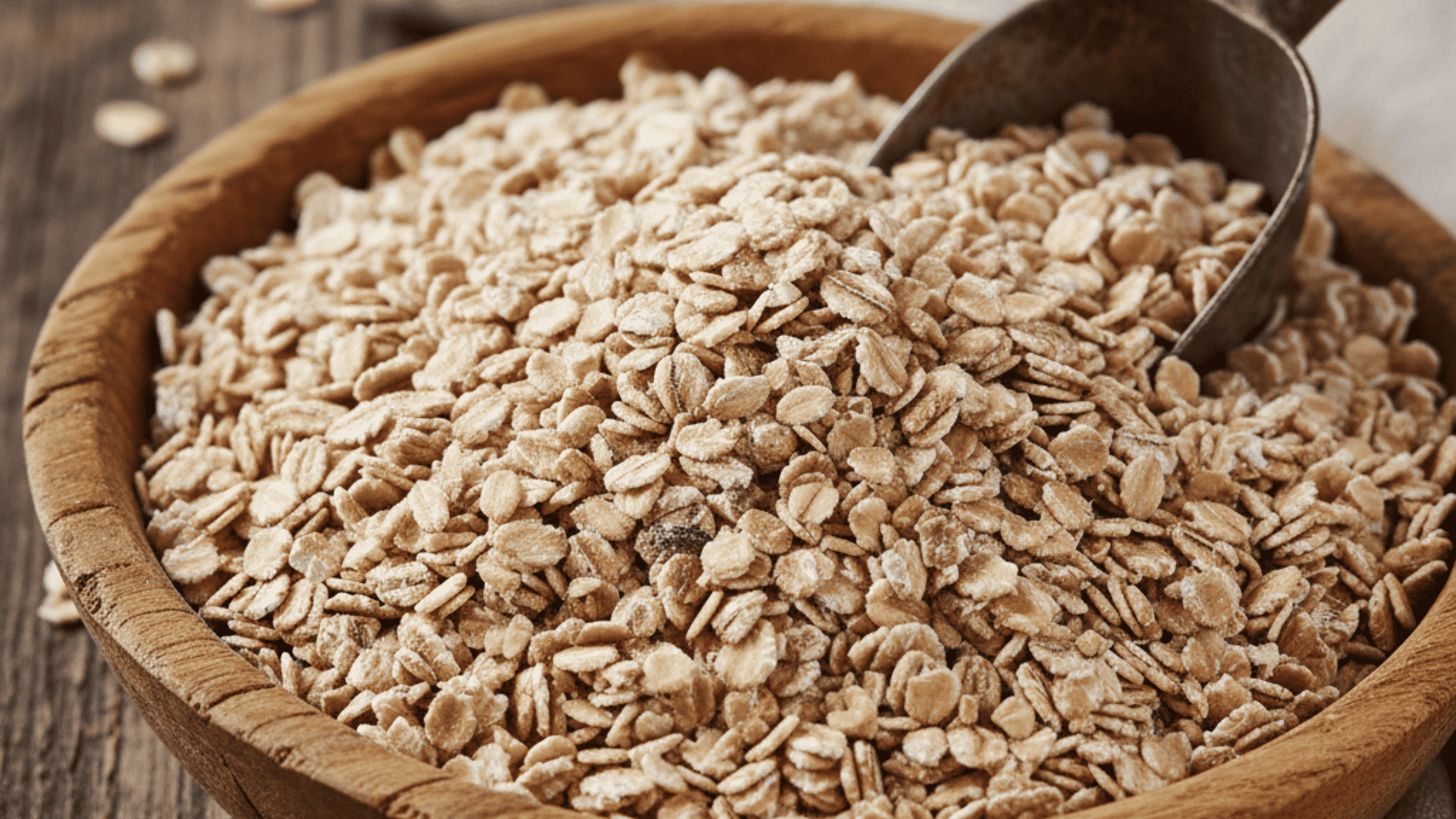
Steel-cut oats are whole oat groats cut into pieces, offering a chewy, hearty texture. They take the longest to cook, requiring 20 to 30 minutes of simmering. When consumed in the correct portion, steel-cut oats remain low FODMAP and provide sustained energy throughout the morning.
Serving Size: ½ cup uncooked (43g)
2. Rolled Oats
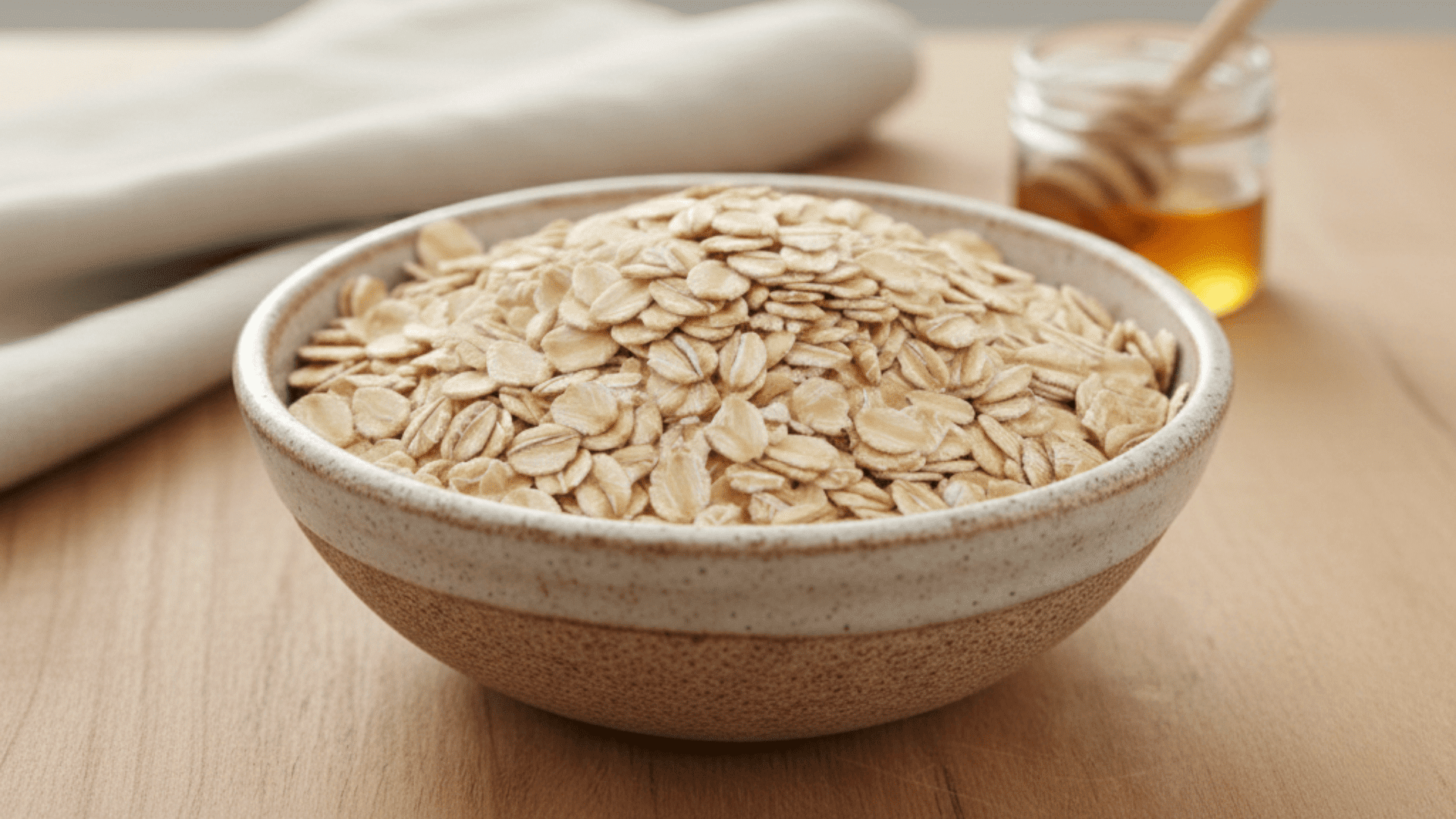
Rolled oats, also known as Old-Fashioned Oatsare, steamed and flattened, making them quicker to prepare than steel-cut varieties. They cook in just 5 to 10 minutes and offer a versatile option for low FODMAP meals, working well in both stovetop and overnight oat preparations.
Serving Size: ½ cup uncooked (43g)
3. Quick Oats
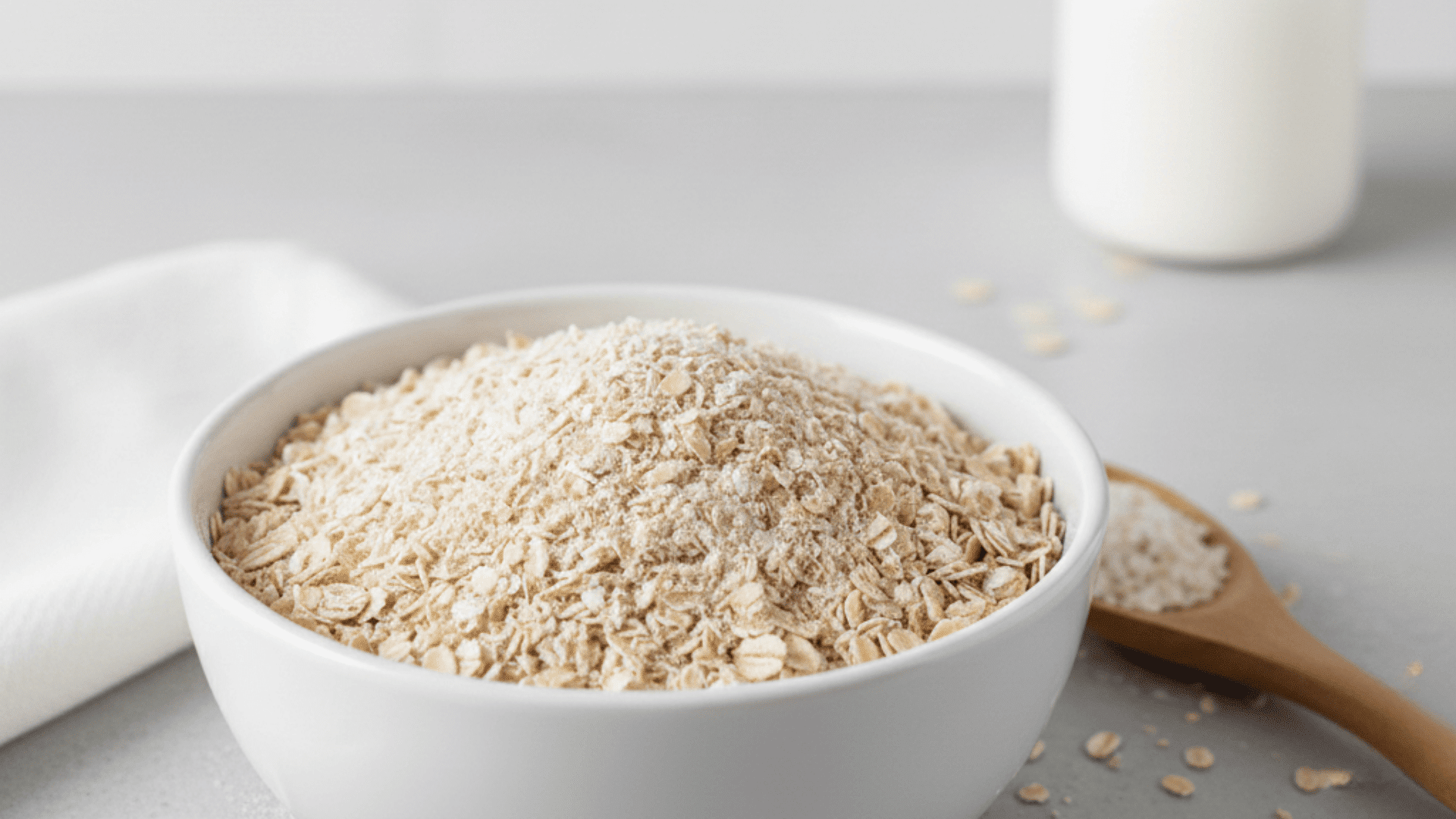
Quick oats are more processed and cut into smaller pieces, cooking in just 1 to 2 minutes. Due to their finer texture, the FODMAP content becomes more concentrated, requiring a smaller serving size. Stick to the recommended portion to avoid triggering IBS symptoms.
Serving Size: ¼ cup uncooked (28g)
4. Instant Oats
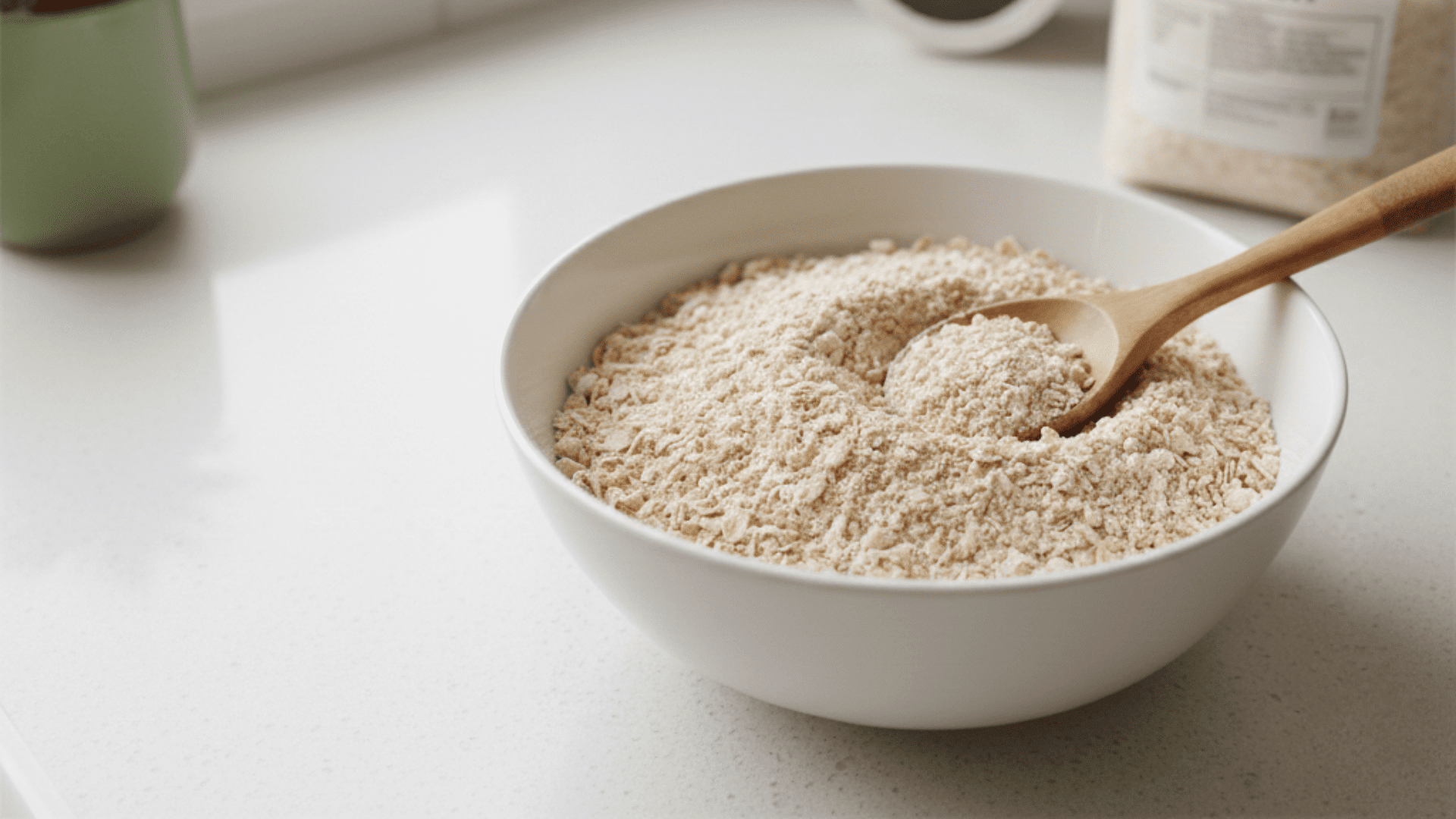
Instant oats are the most highly processed variety, pre-cooked and dried for immediate preparation. They have a smaller low FODMAP serving size compared to less processed oats. Always choose plain versions, as flavored varieties often contain high FODMAP additives like dried fruits or honey.
Serving Size: 1 packet (28g)
How to Make Low FODMAP Oatmeal
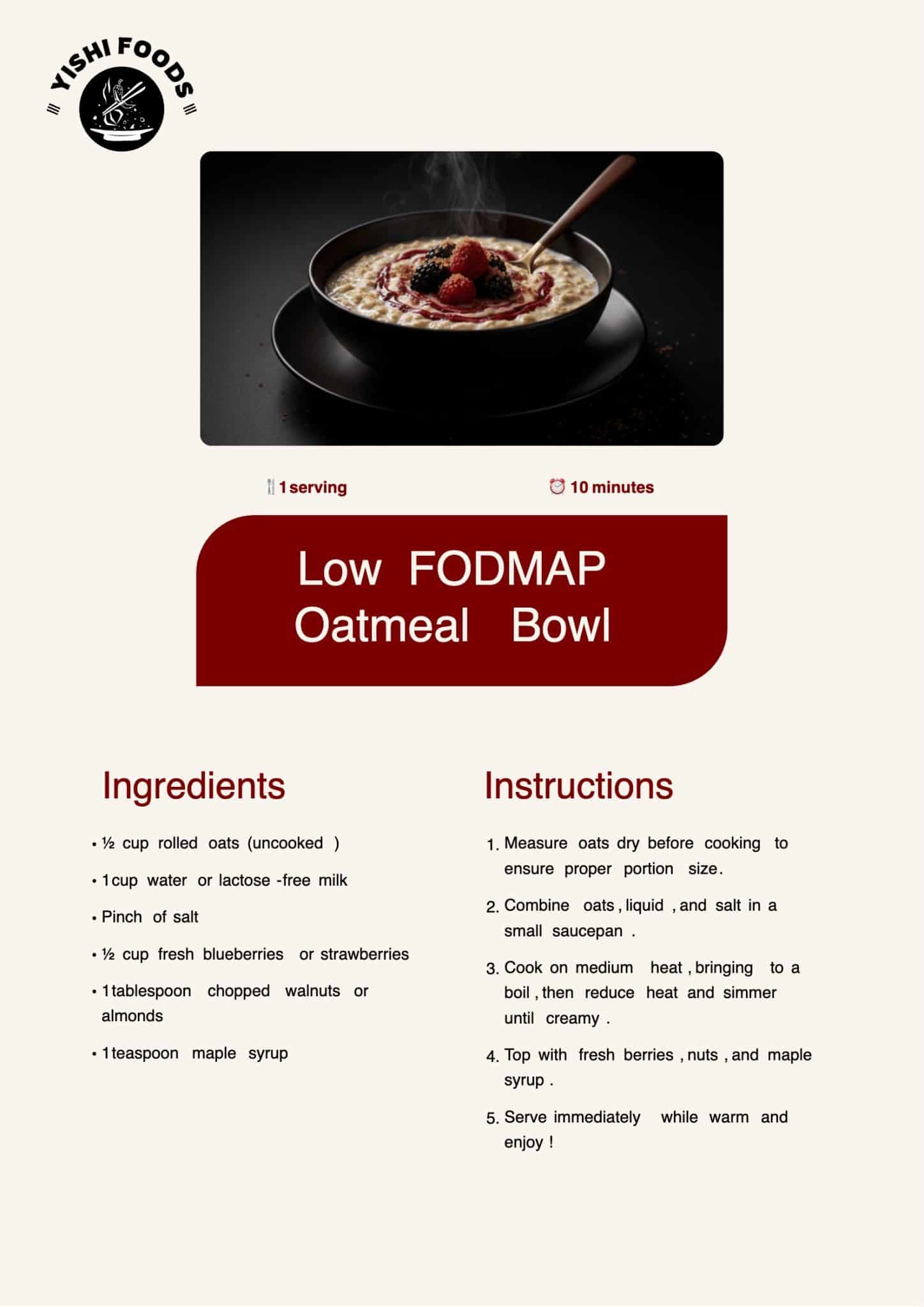
Knowing the right portions is one thing, but actually making a delicious bowl that’s safe for your gut is another. A simple, gut-friendly breakfast that’s ready in minutes and easy on your digestive system.
Cooking Time: 5 to 10 minutes
Serving Size: 1 serving
Ingredients
- ½ cup rolled oats (uncooked)
- 1 cup water or lactose-free milk
- Pinch of salt
- ½ cup fresh blueberries or strawberries
- 1 tablespoon chopped walnuts or almonds
- 1 teaspoon maple syrup
Method
- Measure oats dry before cooking to ensure proper portion size.
- Combine oats, liquid, and salt in a small saucepan.
- Cook on medium heat, bringing to a boil, then reduce heat and simmer until creamy.
- Top with fresh berries, nuts, and maple syrup.
- Serve immediately while warm and enjoy.
Easy Low FODMAP Oatmeal Variations
Once you’ve mastered the basic recipe, you might want to switch things up. Here are some creative, gut-friendly oatmeal recipes that offer variety and flavor while staying within safe FODMAP limits for effective IBS symptom management.
| Recipe | Description |
|---|---|
| Overnight Oats with Berries | Combine rolled oats with lactose-free milk, fresh blueberries, and a touch of maple syrup. Refrigerate overnight for convenience. |
| Caramelized Banana Porridge | Cook oats with water, then top with sautéed unripe banana slices in a small amount of butter and brown sugar. |
| Peanut Butter & Strawberry Oatmeal | Stir natural peanut butter into warm oats and top with sliced fresh strawberries for a protein-packed, satisfying breakfast. |
These simple variations keep breakfast exciting while supporting your digestive health, proving that low FODMAP eating can be both delicious and satisfying.
How Do Oats Help with IBS?
Beyond just being low FODMAP, oats actually offer some real benefits for people dealing with IBS. Oats provide multiple digestive benefits through soluble fiber and prebiotic properties that support gut health and symptom management.
1. Supports Smooth Digestion: Soluble fiber adds bulk and moisture to stool, preventing constipation and promoting regular bowel movements.
2. Reduces Bloating: Gel-forming fiber soothes the intestinal lining, minimizing gas buildup and abdominal pain.
3. Regulates Bowel Patterns: Balances stool consistency for both diarrhea and constipation-predominant IBS symptoms.
4. Feeds Gut Bacteria: Acts as a prebiotic, nourishing healthy microbes and strengthening the gut microbiome.
5. Strengthens Gut Barrier: Reinforces intestinal walls, prevents toxin leakage, and reduces digestive tract inflammation.
Oat-Based Products and Their FODMAP Levels
Plain oats might be safe, but what about all those oat products lining grocery store shelves? When incorporating oat-based products into your low FODMAP diet, it’s crucial to check ingredient labels and be mindful of serving sizes.
Oat Milk
Oat milk can be a low FODMAP dairy alternative when consumed in appropriate portions. However, many commercial brands add high FODMAP ingredients like inulin, chicory root, or other fibers to improve texture and nutritional content.
Always read labels carefully before purchasing to ensure the product contains only oats, water, and safe additives like oils or vitamins. Select brands with simple ingredient lists and avoid products containing inulin or chicory root to stay within safe FODMAP limits.
Serving Size: 104ml
Granola and Oat-Based Snacks
Granola bars, oat cookies, and similar snacks often contain multiple high FODMAP ingredients that can trigger IBS symptoms.
Common problematic additions include honey, dried fruits (raisins, dates, cranberries), high-fructose corn syrup, apple juice concentrate, inulin, and chicory root fiber.
Choose products with simple ingredients like oats, maple syrup, nuts, seeds, and dark chocolate, or make homemade versions for complete control over ingredients.
FODMAP Risk: Variable (check labels)
Oats and Gluten Sensitivity
If you’re managing IBS along with gluten concerns, there’s another layer to consider. Understanding the relationship between oats and gluten is crucial for IBS management, especially for those with celiac disease or gluten sensitivity concerns.
| Aspect | Details |
|---|---|
| Gluten-Free Oats | Safe for most IBS sufferers. Ensure certified gluten-free to avoid cross-contamination with wheat, barley, or rye. |
| Celiac Disease | Use only certified gluten-free oats. Some individuals with celiac may still experience reactions despite gluten-free labeling. |
| Avenin Protein | Oats contain avenin (similar to gluten). Small percentage of celiac patients react to this protein even in pure oats. |
| Cross-Contamination Risk | Regular oats often processed alongside gluten grains. Always choose certified gluten-free brands for safety and symptom prevention. |
If you have celiac disease or suspect avenin sensitivity, consult your healthcare provider before introducing oats and monitor symptoms carefully during the trial period.
Tips for Enjoying Oats on a Low FODMAP Diet
With all this information in mind, here are some practical strategies to incorporate oats safely into your diet while managing IBS symptoms effectively and comfortably.
1. Start with Small Portions: Begin with smaller servings to test your body’s reaction, as even low FODMAP foods can cause discomfort in large amounts.
2. Pre-Portion Your Oats: Measure weekly servings in advance to maintain portion control, ensure FODMAP compliance, and save preparation time.
3. Choose Rolled or Steel-Cut Oats: Select less processed varieties with lower FODMAP content for gentler digestion compared to quick or instant options.
4. Watch Your Toppings: Use only low FODMAP add-ins like fresh berries, nuts, or seeds. Avoid dried fruit, honey, and agave.
5. Track Your Symptoms: Keep a food diary to monitor personal reactions, adjust portions accordingly, and identify potential trigger foods.
Takeaway
To wrap it up, is oatmeal low FODMAP? Yes, oats are definitely safe for those following a low FODMAP diet, as long as you stick to the right portions.
Steel-cut, rolled, or quick oats all offer great health benefits like fiber and heart-healthy nutrients without triggering IBS symptoms if consumed in moderation.
So go ahead and enjoy a bowl of oatmeal, but always measure your portions. If you’re looking for more tips on low FODMAP foods and recipes, check out my other articles for helpful guides and delicious ideas.
Your gut-friendly lifestyle doesn’t stop here: let’s keep it going!







One Response