
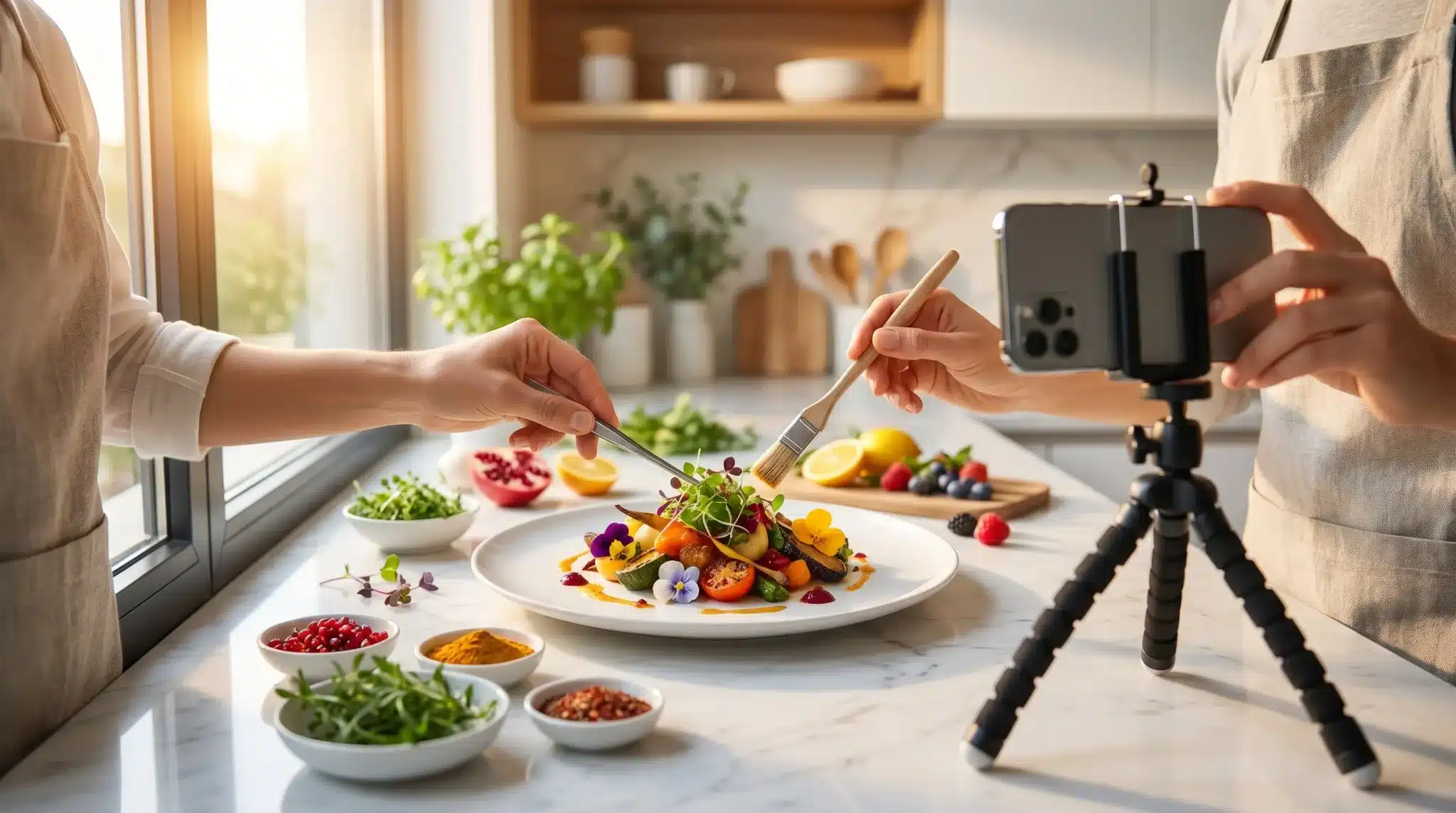
There is something incredibly magical about food. It is more than just sustenance; it is a universal language, a memory machine, and a way to show love. Maybe you have a secret family recipe for the world’s most perfect chocolate chip cookies, or perhaps you have mastered the art of making 15-minute weeknight dinners that taste like they came from a five-star bistro.
Whatever your culinary superpower is, you have decided it is time to share it with the world. You want to start a food blog.
But then, the overwhelm sets in. You start thinking about web hosting, search engine optimization (SEO), photography, social media algorithms, and suddenly, that exciting spark feels a bit buried under a mountain of tech jargon.
Take a deep breath.
Starting a food blog is an incredibly rewarding journey, and you do not need a culinary degree or a master’s in computer science to make it happen. You just need a passion for food, a willingness to learn, and a solid game plan. Let’s break down the exact steps to go from kitchen hobbyist to a successful, visual-first food blogger.
1. Find Your Culinary “Slice of Heaven” (Your Niche)
When you first decide to blog about food, it is tempting to want to cook everything. You want to share your grandmother’s lasagna on Monday, a vegan smoothie bowl on Wednesday, and a complex French pastry technique on Friday.
While variety is the spice of life, it can confuse your early audience (and search engines!). In the blogging world, narrowing your focus is your secret weapon. Think of it as opening a restaurant. If a diner serves sushi, tacos, pancakes, and pizza, you probably question how good any of those items actually are. But if a place specializes strictly in hand-pulled noodles, you trust their expertise.
To find your niche, ask yourself three questions:
- What do I love to cook (and eat) every day? If you hate baking, do not start a dessert blog just because sweets look pretty on Instagram.
- What do people always ask me for recipes for? Are you the friend everyone asks to bring the gluten-free side dish? Or the one who somehow stretches a
 grocery budget into a week of gourmet meals?
 - Who am I writing for? Busy parents? College students? People trying to master sourdough?
 grocery budget into a week of gourmet meals?
A Quick Example:
Instead of starting a general “Easy Recipes” blog, you could focus on:
- The
 -Minute Vegan: Plant-based meals for busy weeknights.
 - The Apartment Baker: Elegant desserts scaled down to fit small kitchens and toaster ovens.
- Heritage Plates: Exploring historical, traditional recipes adapted for modern home cooks.
 -Minute Vegan: Plant-based meals for busy weeknights.
2. Set Up Your Digital Kitchen (The Tech Stuff)
Now that you have your concept, it is time to build your home on the web. Don’t worry—you don’t need to know how to code to get started.
Choose a Memorable Name
Your blog name should be easy to spell, easy to remember, and give a hint of what your site is about. Try to avoid overly complicated words or hyphens. Run your ideas by a few friends to make sure they don’t mishear or misspell it on the first try. Once you have a winner, purchase the domain name (the .com).
Select a Hosting Platform
If you want to eventually monetize your blog through ads, sponsorships, or affiliate marketing, you need a self-hosted platform. WordPress.org (not WordPress.com) is the undisputed gold standard for food bloggers. It gives you complete ownership over your content and allows you to install essential food blogging plugins.
Keep the Design Clean
When people visit a food blog, they want to see the food. Choose a clean, minimalist theme with plenty of white space. A cluttered sidebar or flashing pop-ups will only distract readers from your gorgeous recipes.
3. Master the Art of Visual Storytelling
We eat with our eyes first. This age-old culinary truth is doubly true on the internet. Your recipe could be the most delicious thing on the planet, but if the photo looks dark, blurry, or unappetizing, people will skip right past it.
You do not need a  camera to take great food photos. Most modern smartphones are more than capable of capturing beautiful, crisp images. Instead of expensive gear, focus on these three visual pillars:
Chase the Light
Never, ever use your kitchen’s overhead yellow light or your camera’s harsh built-in flash. It casts weird shadows and makes food look unappeatingly greasy. Instead, set up your dishes next to a large window. Indirect natural light is soft, flattering, and brings out the true colors of your ingredients.
Learn Basic Composition
Use the “rule of thirds” to place your main dish slightly off-center for a more dynamic look. Don’t be afraid to get close. A tight macro shot of melting cheese or drizzling honey can tell a story far better than a wide shot of a messy table.
The Secret Graphic Design Hack for Food Bloggers
As a food blogger, you will wear many hats: cook, writer, photographer, and inevitably, graphic designer. You will need to create Pinterest pins, Instagram stories, and beautiful headers for your recipe cards.
Often, you will take a photo of a stunning loaf of bread or a perfectly decorated cupcake, but the background of your shot is… less than ideal. Maybe your kitchen counters are cluttered, your dish towel is stained, or the lighting in the corner of your kitchen was too harsh.
This is where a free photo background remover becomes an absolute lifesaver. Instead of spending hours trying to style the “perfect” clean backdrop or investing in expensive vinyl photo surfaces, you can simply upload your image to a background removal tool.
In seconds, the tool isolates your beautiful dish, leaving you with a clean, transparent background. From there, you can:
- Drop your isolated food item onto a beautiful, solid pastel canvas for an eye-catching Pinterest pin.
- Create clean, professional product roundups if you are recommending your favorite kitchen tools.
- Design a cohesive, branded header for your weekly email newsletter.
Having this simple tool in your creative toolkit saves you immense amounts of time and elevates your blog from looking like a casual hobby to a highly polished, professional brand on a bootstrap budget.
4. Write Recipes That Actually Work
There is a running joke on the internet about food bloggers writing 3,000-word essays about their childhood summers before finally sharing the recipe. While storytelling is important for building a connection with your readers, clarity and functionality are what keep them coming back.
- Use a Dedicated Recipe Plugin: Tools like WPTasty or Create by Mediavine format your recipes beautifully, make them easy for readers to print, and—most importantly—provide the structured metadata (schema) that Google needs to display your recipe in search results.
- Be Specific: Don’t just write “add flour.” Write “add grams (
 ) of all-purpose flour, spooned and leveled.” If a step takes time, give visual cues: “cook the onions for
  to
to  , or until they are soft, translucent, and slightly caramelized at the edges.”
 - Test, Test, Test: Never publish a recipe you haven’t tested at least twice. Your reputation is built on trust. If a reader spends their hard-earned money on ingredients and your recipe fails because of a typo or a skipped step, they won’t return to your site.
 grams (
 ) of all-purpose flour, spooned and leveled.” If a step takes time, give visual cues: “cook the onions for
  to
to  , or until they are soft, translucent, and slightly caramelized at the edges.”
5. Build Your Community
Once you have published a few stellar recipes, you need to invite people to the table. Don’t wait for readers to magically find you; go where they already are.
- Pin Like Crazy: Pinterest is not just social media; it is a visual search engine. It is often the number-one traffic source for food bloggers. Create highly click-worthy vertical pins featuring your best food photos and clear, bold text overlays.
- Talk to Your Audience: When someone leaves a comment on your blog or social media, reply to them! Building a successful blog isn’t about broadcasting; it’s about starting a conversation.
- Start an Email List on Day One: Algorithms change, but your email list is yours forever. Offer a freebie—like a mini-ebook of “5-Ingredient Weeknight Dinners”—in exchange for their email address, and send them a friendly update whenever you post a new recipe.
The Secret Ingredient Is Consistency
Starting a food blog is a marathon, not a sprint. You might not get thousands of visitors in your first month, and that is completely normal. Every major food blogger you follow today started with zero readers, taking questionable photos in a tiny kitchen.
The difference between those who succeed and those who quit is simply consistency and a willingness to improve a little bit every single week. Keep cooking, keep writing, keep playing with your camera, and most importantly, keep sharing your unique culinary voice.
Now, grab your apron, boot up your laptop, and let’s get cooking! What is the very first recipe you plan to share on your new blog? Let me know in the comments below!