

Choosing the wrong water pump is an expensive mistake. Too little flow rate and your irrigation system starves crops during a dry spell; too little pressure and a fire pump can’t reach your roof. Australians face some of the most punishing conditions on earth, from bushfire seasons to prolonged droughts, so the stakes are real.
This guide breaks down how to pick the best water pump for firefighting, irrigation, and water transfer in AU, covering the specs that actually matter, the pump types worth your money, and the questions you should ask before you buy.
Matching Your Pump to the Job at Hand
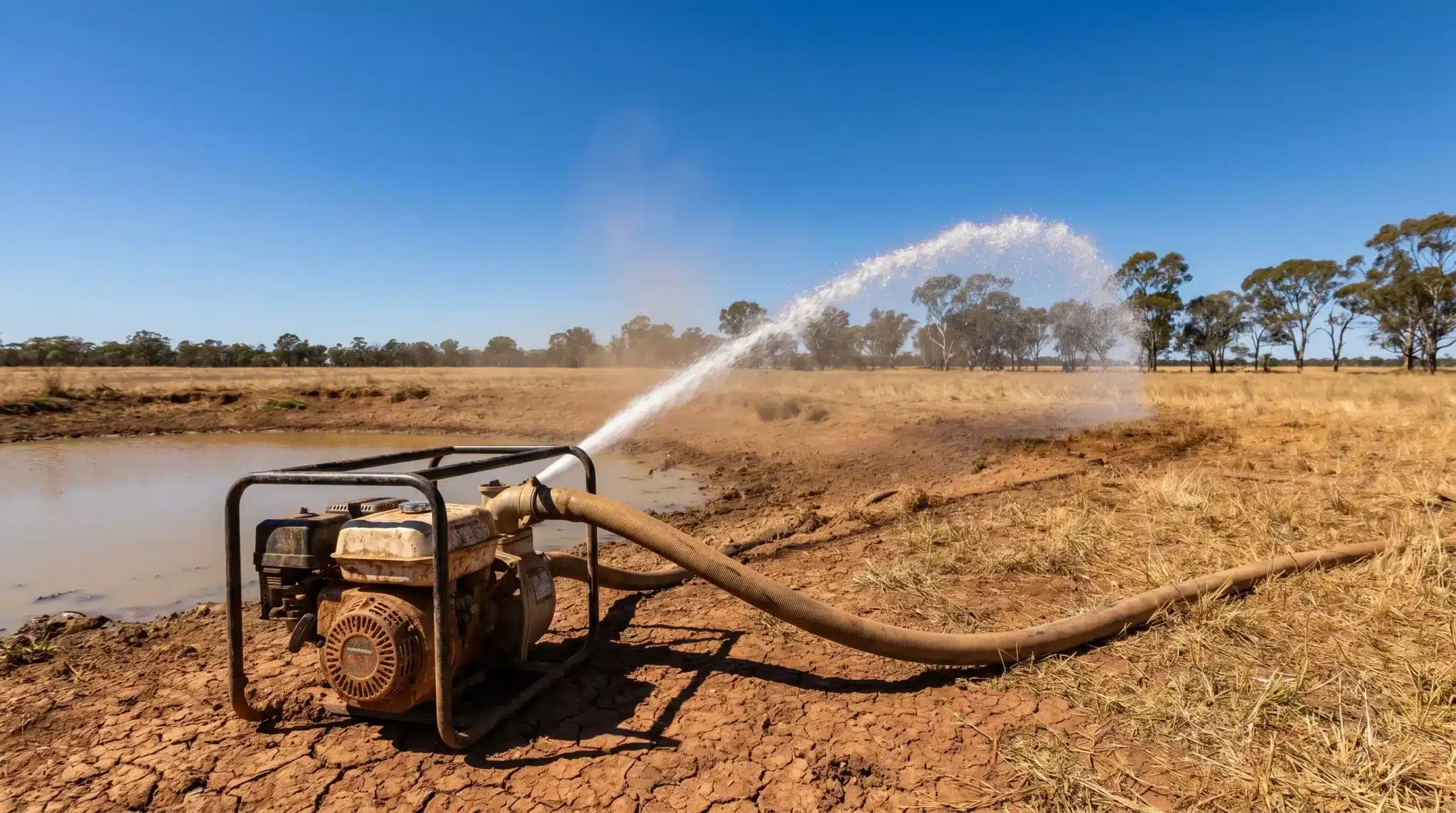
Choosing the right pump depends on what the job actually requires. A pump used for irrigation, general water transfer, or garden maintenance may not perform well in a fire-risk situation, where pressure, quick priming, and independent power matter much more. Firefighting pumps are created to move water with stronger pressure, making them useful for spraying over distance or drawing from tanks, dams, and other water sources during urgent situations. For properties in rural areas or places with limited water access, fire fighting pumps for emergency water transfer can provide a more practical setup when fast water movement is needed. Matching the pump to the task helps avoid weak pressure, slow water flow, or equipment that cannot handle the situation properly. It also helps property owners prepare better before fire season or periods of extreme heat. A well-matched pump can make emergency water access faster, safer, and more reliable.
Pressure vs. Flow Rate: What Each Use Needs
Pressure gets measured in bar or PSI; flow rate in liters per minute (L/min). Firefighting demands both, typically 70 PSI or more, with at least 500 L/min for rural properties facing ember attacks. Irrigation needs a steady flow more than raw pressure, often 30-60 PSI across drip lines or sprinklers. And water transfer? It prioritizes L/min over everything else, getting water from point A to point B fast.
Petrol vs. Electric: Picking the Right Power Source
Petrol engines are the go-to for Australian rural properties. They don’t depend on grid power, which often fails during bushfires or storms. Electric pumps work well for permanent irrigation setups where a power supply is guaranteed, and noise is a factor. Diesel pumps show up on large farms, where long run times and fuel economy matter more than startup cost.
Suction Head and Lift Capacity
Suction lift tells you how far below the pump a water source can sit. Most self-priming petrol pumps handle 6-8 meters of suction head, though real-world performance often runs closer to 5 meters once friction and elevation are factored in. If your dam, tank, or creek sits well below the pump, check the manufacturer’s rated suction lift carefully and subtract about 20% as a buffer.
Specs to Check Before You Buy
Spec sheets can look identical at first glance, but the details separating a pump worth owning from one that fails when it counts are buried in the numbers.
Engine Size and Pump Displacement
Larger displacement engines deliver more consistent power under load. A 6.5 HP petrol engine is the minimum most people accept for firefighting duty; 9-13 HP engines suit high-demand irrigation or large-volume transfer jobs. But don’t buy by horsepower alone. Pump displacement (cc), combined with impeller design, determines the actual output far more than the headline HP figure.
Materials: Cast Iron vs. Aluminum Impellers
Cast iron impellers last longer under abrasive water conditions, think muddy dams or gritty creek beds. Aluminum impellers are lighter and cheaper, but wear faster with dirty water. So if you’re pulling water from anything other than a clean tank, cast iron is worth the price difference. Stainless steel shafts and seals extend service life across both options.
Hose Diameter and Coupling Standards
Hose diameter directly controls flow rate; a 2-inch outlet limits you regardless of how powerful the engine is. Fire-fighting setups typically run 1.5 to 2-inch suction and delivery hoses; large transfer pumps use 3 or 4-inch lines. In Australia, check that fittings match either the BSP (British Standard Pipe) or CAM-lock standard that your existing hoses use. Budget for adapters if they don’t.
How to Evaluate Before You Commit
Buying a water pump without a checklist is how you end up with the wrong machine sitting in your shed.
Check Certifications and Standards
In Australia, firefighting pumps used on rural properties should meet the Rural Fire Brigades Association specifications where applicable; many state governments publish minimum flow and pressure requirements for rural fire defense pumps. Look for CE or SAA certification markings on electrical components. Meeting these standards isn’t just a formality; it affects whether your insurance claim holds up after a fire event.
Factor in Maintenance and Parts Availability
A pump is only as good as your ability to service it. Brands with Australian distributor networks and local spare-parts stock beat an imported no-name unit every time, especially mid-season when a blown impeller seal can’t wait two weeks for overseas shipping. Jono & Johno stocks parts for brands including Giantz, Champion, and MTM, with orders typically arriving within 1-10 business days across Australia.
Test Run Your Setup Before Fire Season
Don’t wait for an emergency. That’s when you discover your pump won’t prime, your hose has a slow leak, or the engine takes 20 pulls to start. Run a full test at least once before bushfire season begins each year; check suction; check outlet pressure with a gauge, and confirm the engine starts cold on the first or second pull. A pump that fails its test in March is a problem you can fix; one that fails in October is a disaster.
Conclusion
Picking the right water pump comes down to matching pressure and flow specs to your actual use case, choosing the right engine type for your property’s power situation, and checking that materials, certifications, and parts support are in place before you buy. Whether you’re protecting your home through fire season, watering crops through summer, or moving water across a large rural property, the wrong pump at the wrong time costs far more than the difference in price at checkout. Get the specs right; test your setup before you need it. You’ll have a machine that actually works when it matters.