

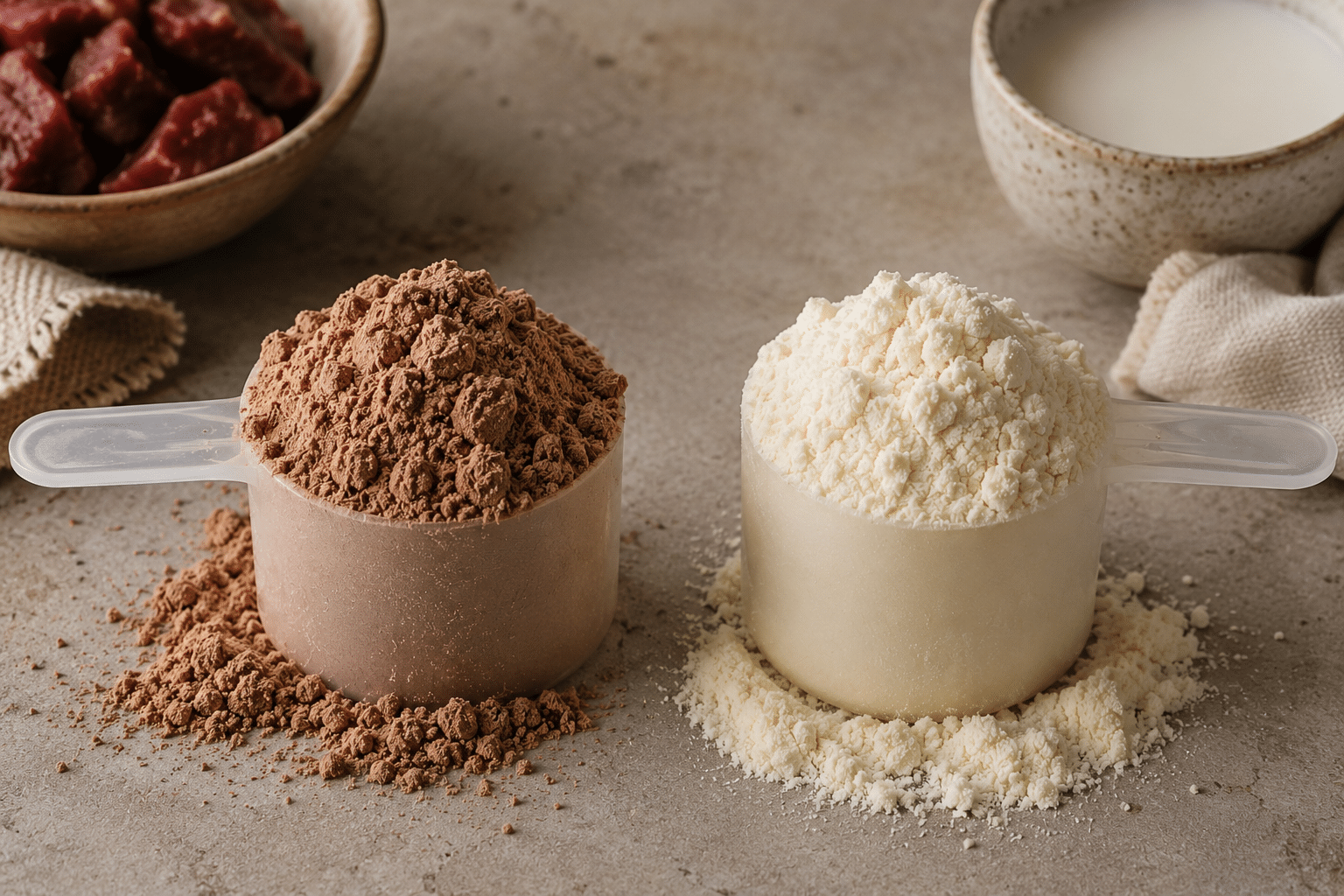
Protein has become part of everyday life for far more people than just athletes and gym enthusiasts. From quick breakfasts and post-workout shakes to afternoon snacks that help keep energy levels steady, many people are looking for practical ways to include more protein in their routines.
While whey protein has long been the go-to option, beef protein has recently started attracting more attention as an alternative. The interesting thing is that choosing between them is not really about finding a single winner. It is often more about finding what works naturally with your habits, preferences, and lifestyle.
Why Protein Matters Beyond Fitness
Protein often gets associated with muscle-building, but its role goes far beyond that.
Protein contributes to many everyday functions:
- Supporting muscle maintenance
- Helping with satiety and appetite control
- Supporting recovery after exercise
- Providing building blocks for enzymes and hormones
- Helping maintain energy throughout the day
Many people do not intentionally eat low amounts of protein. Instead, they simply build meals around convenience. Breakfast becomes toast or cereal. Lunch becomes something quick between meetings. Dinner carries most of the nutritional weight for the day.
This can create large gaps where protein intake stays relatively low. That is often why convenient protein options have become more popular. Not because everyone is chasing fitness goals, but because people are trying to make everyday nutrition easier.
Understanding Whey Protein
Whey protein comes from milk during the cheese-making process. It contains all essential amino acids and has become popular because it is rapidly digested and absorbed.

For many people, this speed is one of its biggest advantages. After exercise, amino acids become available quickly, making whey a common post-workout option.
People often choose whey because:
- It mixes easily
- It has a smooth texture
- It works well in shakes
- It has extensive research supporting its use
A convenient option like grass-fed whey protein can fit easily into smoothies, overnight oats, pancakes, or quick meals during busy days.
Whey has remained popular partly because it feels familiar. Most people entering the protein category encounter whey first.
Where Different Preferences Come Into Play
Whey protein remains one of the most popular protein choices for good reason. It is convenient, complete, and fits easily into smoothies, breakfast recipes, post-workout routines, and everyday meals.
At the same time, different lifestyles come with different preferences. Some people prefer limiting dairy, while others simply enjoy having more variety in their routine or using protein in different ways. Rather than replacing whey, alternative protein sources have become another option for people looking to find what works best for their habits and goals.
Understanding Beef Protein
Beef protein isolate is produced from beef and processed into a concentrated protein source while removing much of the fat and carbohydrates. Unlike traditional beef meals, it offers a high amount of protein in a more convenient format.
People sometimes assume beef protein tastes like steak in powdered form, which is usually not the case. Modern formulations are designed to be versatile and easier to incorporate into daily routines.
A product such as that beef protein powder can be used similarly to whey, whether mixed into shakes or added to recipes.
What attracts many people to beef protein is not necessarily replacing whey entirely. Sometimes it is simply about having another option.
Beef Protein and Cooking Applications

One area where beef protein receives increasing attention is cooking and baking.
Protein powders do not always behave the same under heat.
While both whey and beef protein can change structure as temperatures rise, beef protein tends to be somewhat more forgiving in recipes.
This often means:
- Better consistency in baked recipes
- Less thickening
- Reduced clumping
- Less dryness
- More flexibility in cooking applications
People making protein pancakes, muffins, baked oats, or homemade snacks may notice differences in texture depending on which protein source they choose.
That does not necessarily make beef superior. It simply means it can behave differently in the kitchen.
Which Option Fits Different Lifestyles?
The answer often depends less on science and more on daily routines and personal preferences. Someone balancing work, commutes, and a busy schedule may simply want a quick and reliable protein source that fits easily into everyday life. Whey has long been a popular choice because it blends well into shakes, smoothies, and simple meals, making it an easy addition to many routines.
At the same time, newer options like beef protein have started attracting attention from people looking to add variety or explore different ways to meet their protein needs. Some enjoy experimenting with different ingredients, while others simply like having more than one option available depending on the day or recipe.
Recreational athletes and active individuals will likely find that both can fit well into a balanced lifestyle. In many cases, consistency matters more than choosing one specific source over another. Some people may prefer whey after a workout, while others enjoy using beef protein in smoothies, baking, or higher-protein recipes. Rather than competing against each other, the two can often serve different purposes depending on individual habits and preferences.
The Bigger Picture Around Protein Choices
Nutrition conversations often become more complicated than they need to be. One week a food is praised, and the next week people are encouraged to avoid it. Protein discussions can sometimes feel the same way, with people trying to determine which option is objectively better.
The reality is usually much simpler. Many people do perfectly well using whey protein, while others prefer beef protein because it aligns better with their preferences or digestion. Some use whey after workouts and beef protein for cooking, while others stick to one option consistently. In many cases, the bigger difference comes from consistently meeting daily protein needs rather than focusing too heavily on the source itself.
Protein powders are not meant to replace balanced meals or healthy habits. They simply act as practical tools that can help support everyday nutrition. The approach that works best is usually the one that feels realistic enough to maintain long term, because sustainable habits tend to matter more than perfect plans.