

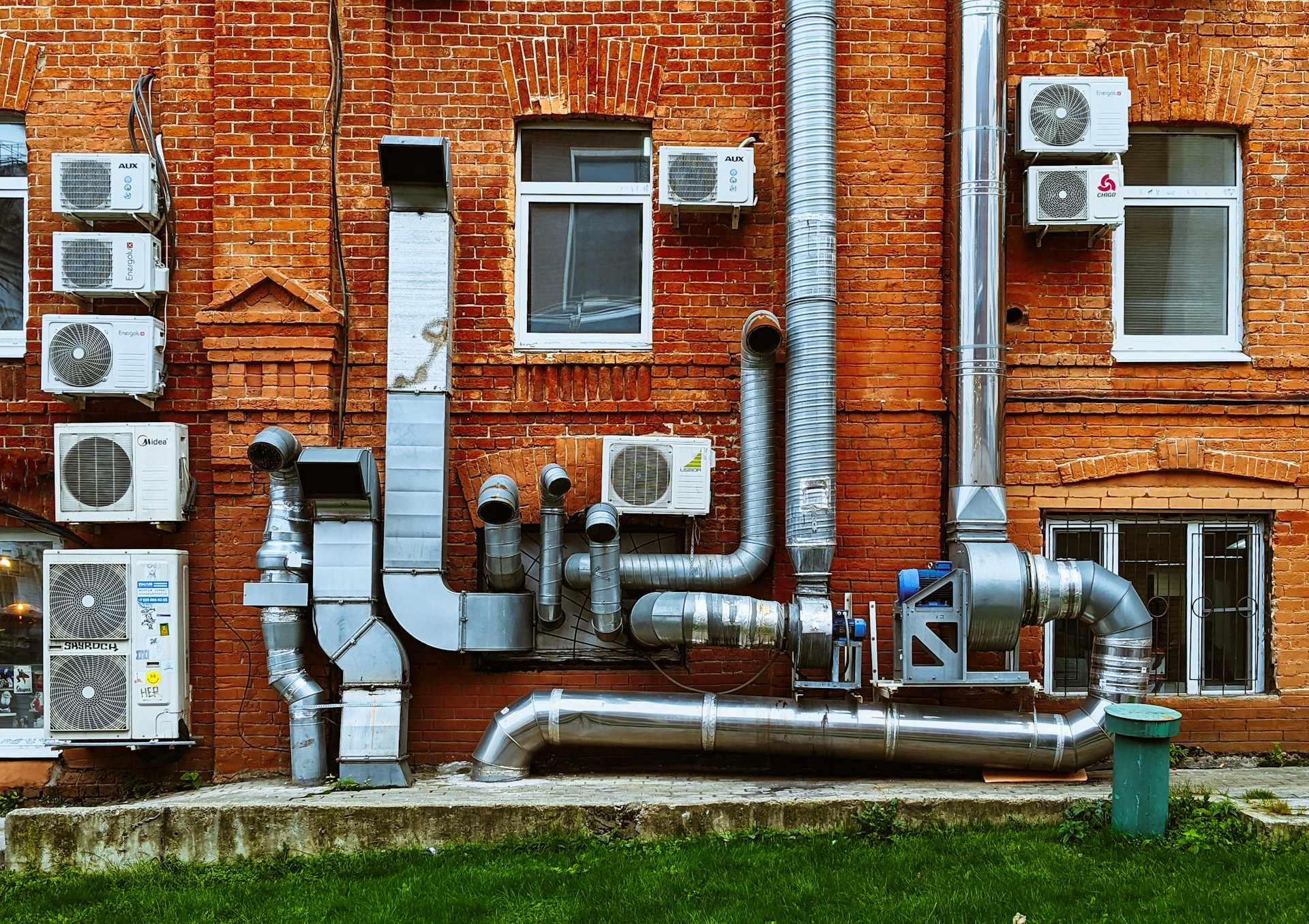
A dependable climate setup starts with clear plans and skilled technical work. Property owners should consult qualified technicians for a precise project review. Early guidance protects indoor comfort, energy use, and property value. Schedule a professional assessment before any installation work begins.
Many service issues begin when project details receive rushed attention. Customized HVAC installation solutions for properties help match layout, insulation, and usage needs. Proper plans give each part a clear role from day one. Careful setup supports stable rooms, cleaner airflow, and longer service life. The following points explain several common mistakes that affect installation quality and system performance.
Improper System Size Can Reduce Indoor Comfort
A unit with the wrong capacity can affect every occupied room. Undersized equipment may struggle through long periods of severe weather. Oversized equipment may cycle quickly and reduce steady temperature control.
Correct capacity helps rooms maintain comfort without excess system strain. Accurate heat load checks help technicians select a suitable model. Proper size choice supports quieter operation and fewer comfort complaints. Careful equipment selection can improve comfort during peak weather conditions.
Poor Duct Planning Can Affect Airflow Quality
Duct design shapes how treated air reaches each interior space. Weak duct routes can leave rooms with uneven comfort levels. Clean duct paths support smooth airflow across every major zone. Leaks may waste conditioned air before reaching intended vents. Return airflow should match room needs and system capacity.
Proper seal work helps maintain clean and steady air movement. Well-sealed ducts help preserve comfort through each room connection. Balanced duct pressure helps maintain consistent airflow across separate interior sections.
Weak Thermostat Placement Can Disrupt Temperature Control
Thermostat location can influence how the system responds each day. A spot near direct sunlight may cause inaccurate temperature readings. A central wall location helps measure indoor comfort with better accuracy.
Supply vents near controls may send false comfort signals. Technicians should place controls away from heat sources and drafts. Accurate control placement helps the system respond with greater precision. Stable room conditions help control and send dependable signals to the system.
Incorrect Unit Placement Can Strain System Performance
Outdoor and indoor unit locations need a clear, practical project review. Poor clearance around units can restrict airflow and service access. Proper clearance allows heat transfer and service access without common obstructions. Nearby debris may affect coil condition and reduce system efficiency.
Protected installation areas help reduce unnecessary exposure to dust and outdoor debris. Refrigerant charge checks help confirm proper cooling performance after setup. Proper heating and cooling installation methods help maintain steady system efficiency across seasons. A level base helps protect the unit from excess vibration. Correct placement keeps service visits simpler and performance more consistent.
Loose Electrical Work Can Affect System Safety
Electrical connections must support the power load safely and consistently. Weak wire connections can create faults during standard system use. Secure connections help protect vital components through regular climate cycles.
Poor breaker selection may interrupt service without clear warning signs. Technicians should check electrical load, ground paths, and panel capacity. Consistent power distribution helps maintain stable system operation throughout daily use. Safe electrical work protects controls, motors, and core components. Proper circuit checks help reduce service interruptions after installation.
Poor Final Checks Can Affect Long-Term Reliability
A complete final review confirms that each part works correctly. Technicians should test airflow, drainage, and system response carefully. Final performance tests confirm that each system part responds as expected.
Missed final checks can allow small errors to remain hidden. Clear documentation helps future service teams review installed details faster. A strong closeout process supports dependable performance after installation work. Detailed inspection notes help preserve service accuracy for future maintenance.
Reliable climate control depends on careful plans, accurate measurements, and skilled technical workmanship. Each installation stage should support steady airflow, safe operation, and efficient system performance. Customized HVAC installation solutions for properties can reduce costly setup mistakes and comfort concerns. Contact a qualified HVAC professional for a clear installation assessment and detailed project guidance. Proper installation methods support cleaner airflow, dependable temperature control, and longer equipment service life. Careful project execution helps protect comfort, property value, and long-term reliability.