
Starting fresh in a new home feels great, but the amount of waste a single move generates can be a bit of a shock. Between the mountains of tape and cardboard and the impulse to toss everything in the trash during a last-minute scramble, moving is often more resource-intensive than we intend.
Many people looking for the kind of movers NJ residents rely on are actually searching for a more logical way to get from point A to point B. Sustainable moving is really just about better preparation. It is a mix of smart planning, reducing physical waste, and making choices that keep the whole operation lean toward efficiency.
Why Sustainable Moving Matters in New Jersey
New Jersey presents a unique set of logistical hurdles, from narrow neighborhood streets with tight parking to strict elevator windows in high-rise buildings. These constraints often create a high-pressure environment where it’s easy to make rushed packing choices or use far more material than necessary just to meet a deadline.
The frequent churn of apartment and condo living across the state often results in perfectly good furniture ending up on the curb because disposal feels easier than transport. Taking a more structured approach helps break that cycle. By coordinating the details well in advance, it’s possible to avoid the last-minute scramble that leads to over-filled trucks and piles of wasted supplies.
Common Sources of Waste During a Move
Most of what we throw away during a move is a byproduct of a time crunch, not a lack of options. We see it in the form of excessive bubble wrap, items broken because they weren’t protected properly, or buying brand-new kitchen gear because the old stuff is buried in a box somewhere.
Small inefficiencies tend to snowball. When a move involves a dozen extra boxes and several poorly planned trips across town, the environmental impact of a single household expands quickly. Most of that footprint isn’t inevitable; it’s usually just the result of a few overlooked details during packing.
Decluttering With Purpose Before Packing Begins
The single best way to make a move more sustainable is to simply move less stuff. Before the first box is even taped shut, take an honest look at what you actually use.
When you lighten the load, you need fewer boxes and less space on the truck, and the heavy lifting goes much faster. Plus, it’s much easier to set up your new place when you aren’t fighting through a sea of items you didn’t even want in the first place.
Responsible Ways to Rehome Unwanted Items
Just because you’re done with an item doesn’t mean its life is over. Most homeowners find that their old furniture, clothes, and electronics have plenty of value left for someone else. Donating to local charities, using certified e-waste recycling centers, or even posting on neighborhood apps are all great ways to keep things out of the landfill.
Taking the time to rehome these items ensures they stay in the loop rather than gathering dust or ending up in a dumpster.
Choosing More Thoughtful Packing Materials
The choice of protection for high-value belongings significantly impacts the overall footprint of a move. While ensuring items like fine china and glassware remain intact is the priority, achieving that level of security doesn’t have to require an excessive amount of single-use plastic wrap or non-recyclable fillers.
Smarter Packing Alternatives
Professional-grade protection often starts with high-quality recycled cardboard and biodegradable packing paper, which offer excellent cushioning without the long-term waste of traditional foam. These materials are designed to absorb shock during transit while remaining easy to process once the move is complete.
In professional moving circles, reusable plastic bins have gained a lot of traction as a solid alternative to traditional boxes. They stack together perfectly, keep moisture away from delicate belongings, and survive hundreds of trips before they ever need to be retired. Shifting to these heavy-duty bins puts a stop to the endless cycle of buying, taping, and eventually flattening stacks of one-time-use cardboard.
Packing Efficiently to Reduce Waste and Damage
Organization is the secret to a low-waste move. If you pack by room, label clearly, and balance the weight of your boxes, you are far less likely to deal with crushed boxes or broken glass.
A box packed to capacity is actually more stable than one that is half-full and prone to collapse. When everything is grouped logically and packed firmly, the whole move becomes safer and much faster to unload.
Reducing Transportation Impact Through Better Planning
The actual drive is a major part of the move’s impact. If the truck isn’t loaded correctly or if the movers have to wait around for a key or an elevator, it leads to idling and extra trips.
By having everything ready to go, disassembling furniture ahead of time, and securing a parking spot or elevator time in advance, you make the transportation side of things as lean as possible. It’s better for the schedule and better for the planet. Some professional movers in NJ handle these logistical details for you, ensuring that every minute the truck is on-site is used effectively.
How Professional Movers Support Efficient Relocation
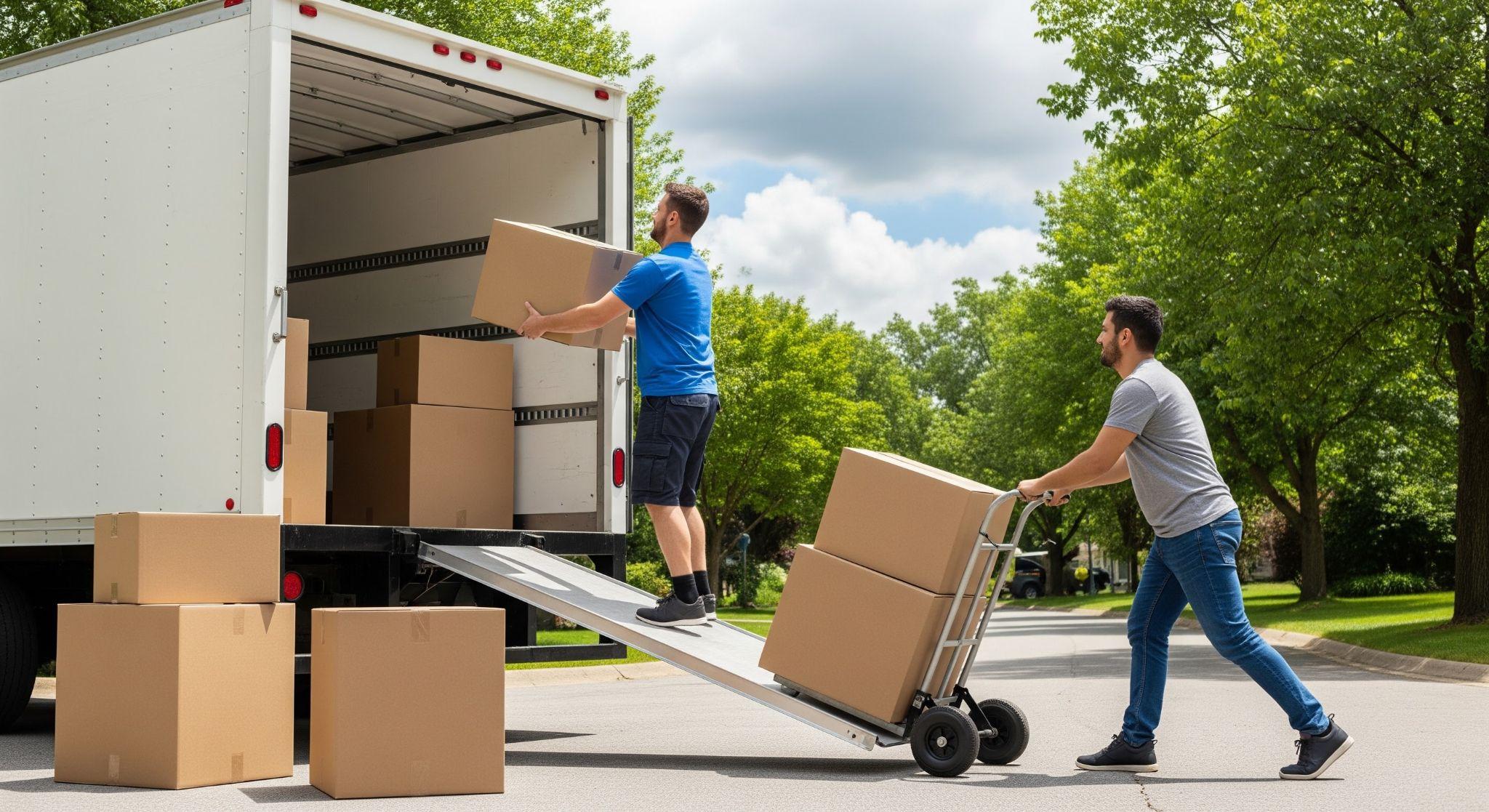
A professional crew brings more than just physical strength; they arrive with a proven system. Years of experience allow them to load a truck like a high-stakes game of Tetris, where every inch of space is used effectively. This level of precision keeps items from shifting during the drive, which is usually when things get damaged or require a frustrating round of repacking.
Beyond the physical labor, many moving companies are now integrating more responsible habits into their everyday business model.
Material Use and Reuse Practices
Experienced movers often rely on recycled supplies and sturdy crates that can be reused. They also tend to have better connections for donating or recycling items that clients decide they don’t want at the last minute, helping to keep those items in circulation.
Transportation Efficiency
Modern moving companies put a lot of focus on smart route planning and keeping their trucks in peak condition. By cutting down on engine idling during the load-in and sticking to the most direct paths, they significantly lower the resources used for every mile on the road. It is a more streamlined way to operate that keeps the move moving without unnecessary delays.
Administrative Efficiency
The move away from paper stacks is a win for everyone. Digital contracts, electronic inventory lists, and online communication keep things organized and significantly reduce paper waste.
White Glove Moving & Storage is a great example of this in action. They use high-quality recycled materials and prioritize the reuse of crates and containers whenever possible. Their process is built around coordination, ensuring that logistics are handled smoothly to prevent wasted time and energy. They even help steer unwanted items toward donation centers, making the entire relocation feel more intentional.
Sustainable Habits After Moving Into a New Home
The moving mindset shouldn’t stop the moment the truck pulls away. The unpacking phase is really when the tone for a new home is set. It is easy to get impatient and buy duplicates of items that are just buried in a box somewhere, or to toss perfectly good materials in the trash just to clear the hallway. Taking a breath and unpacking systematically saves a lot of unnecessary shopping and physical waste.
After-Move Efficiency Practices
Instead of tossing moving boxes, see if a neighbor could use them or store them flat for the future. While properly recycling cardboard is a must, giving it a second life is even better. Delaying big furniture or decor purchases until after living in the space for a week or two also helps avoid buying things that don’t actually fit the lifestyle.
For those who want to skip the post-move clutter entirely, some professional movers offer full unpacking services, handling the placement of items and immediately whisking away all used boxes and packing debris for proper recycling.
Moving Toward Mindful Relocation
Relocation provides the perfect moment to rethink the way a home functions. By mapping out how each room will actually be used before filling up the closets, it is much easier to keep the new space from becoming cluttered again.
A thoughtful setup makes daily life simpler and prevents the need for a massive reorganization a few months down the line. When this kind of intentionality is combined with professional packing and planning, the entire experience becomes much more controlled and rewarding. Working with expert movers can facilitate this transition, as their structured approach to placement ensures that every item has a designated spot from the start.
For homeowners here in New Jersey, these small shifts in how a move is approached can lead to a much smoother transition and a home that feels organized and ready for life from day one.
Common Questions About Sustainable Moving in New Jersey
What is the most effective way to reduce waste during a move?
The most impactful thing you can do is declutter. If you don’t move the item, you don’t need a box for it, and it doesn’t take up space on the truck. It’s the ultimate shortcut to a leaner move.
Do efficient moving practices reduce relocation time?
They certainly do. When boxes are clearly labeled, and the house is staged for pickup, a crew can move with much more speed. It cuts out those stalled moments where everyone is standing around trying to figure out which room a container belongs in or which furniture needs to be broken down.
What types of items are commonly moved unnecessarily?
It is quite common to find duplicate kitchen gadgets, old electronics that haven’t been plugged in for years, and heavy furniture that realistically won’t fit the new floor plan. Most of the time, these things end up on the truck out of habit rather than any actual need for them.
What is the most common mistake during relocation?
People often focus so much on finding “eco-friendly” boxes that they forget to look at the sheer volume of stuff they’re moving. The biggest inefficiency is usually moving things you don’t actually need.
How does unpacking affect long-term organization?
How you unpack determines how you’ll live in the space for years to come. If you’re intentional about where things go, you avoid the “junk drawer” effect and keep your new home functional and tidy.