
Ignore your pancreas long enough, and it will find a way to make itself impossible to ignore. This hardworking organ manages digestion and blood sugar every single day.
Yet certain bad foods for the pancreas can quietly trigger painful inflammation or even pancreatitis. The wrong diet adds up faster than most people expect.
I will walk you through the worst offenders, from fried favorites to hidden sugars. I will explain why they harm your pancreas and share practical swaps that support it instead.
How Diet Impacts Pancreatic Health
The pancreas helps your body digest food and regulate blood sugar by releasing enzymes and insulin after you eat. When you eat foods high in fat, sugar, or alcohol, the pancreas has to work harder than normal every day.
This extra workload can irritate the pancreas over time, leading to swelling, pain, and digestive problems for many people.
Poor food choices are closely linked to pancreatitis, where the pancreas becomes inflamed and struggles to do its normal job.
Understanding which foods cause stress helps you make safer choices and lowers the chance of repeated pancreas-related discomfort over time.
Bad Food for the Pancreas: You Should Avoid
1. Fried and Greasy Foods
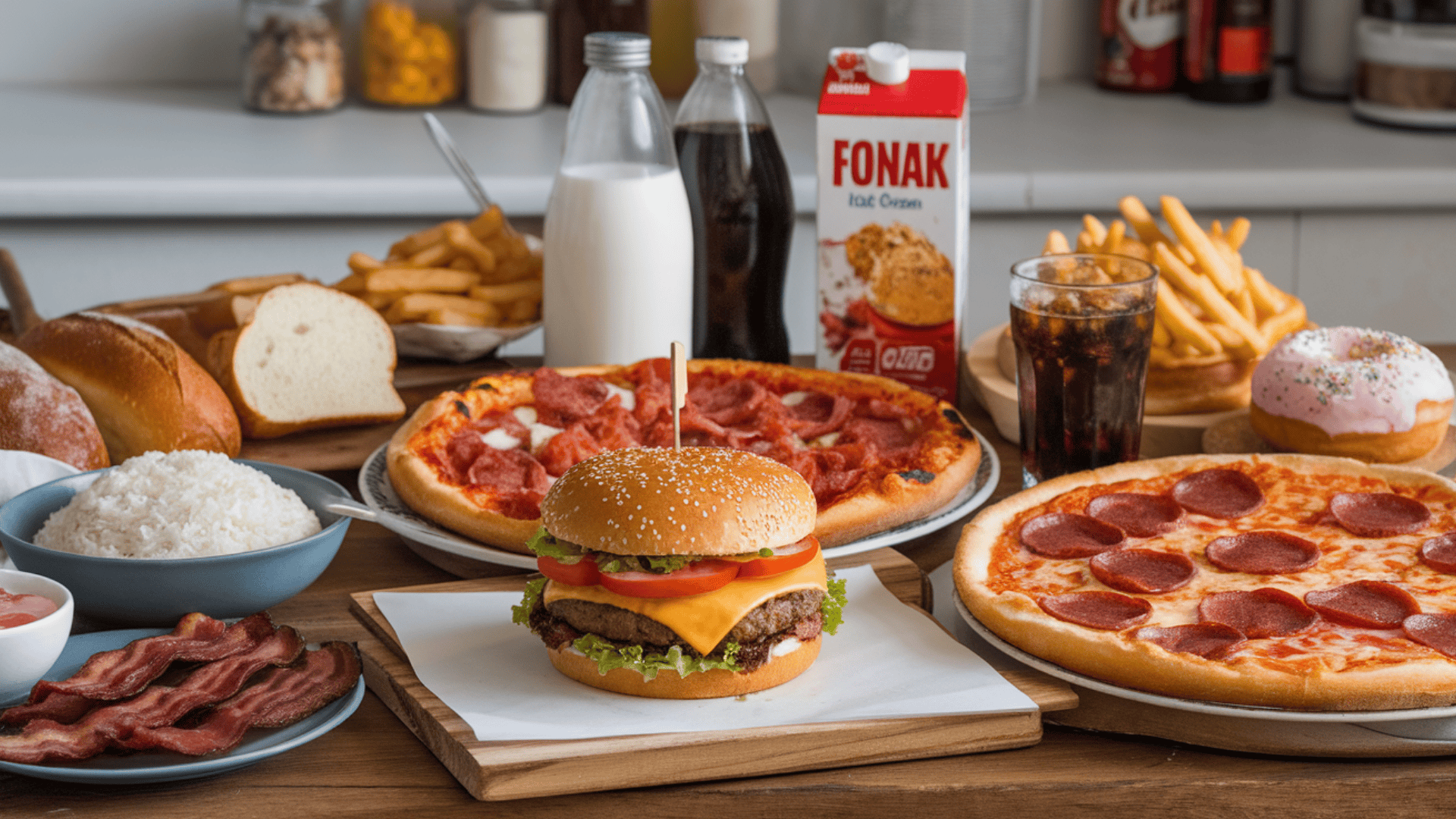
Fried and greasy foods are hard for your body to digest because they are high in fat. Your pancreas has to work extra hard to break them down, which can lead to more stress and inflammation.
Over time, eating too many of these foods may worsen symptoms, especially if you already have pancreas issues. It’s best to limit these foods and choose lighter cooking methods instead. Here are some common examples to watch out for:
- Fried chicken
- French fries
- Donuts
2. Sugary and Processed Foods
Sugary and processed foods can cause inflammation in your body and put pressure on your pancreas. When you eat too much sugar, your pancreas has to produce more insulin to control blood sugar levels.
Over time, this extra work can lead to stress and damage. Cutting back on these foods can help your pancreas function better and stay healthy. Some everyday examples include:
- Sodas
- Candies
- Sugary cereals
3. Red and Processed Meats
Red and processed meats often contain high amounts of fat, which can be tough on your pancreas. These foods may increase inflammation and slow down digestion.
Processed meats also contain added chemicals and preservatives that can further affect your health. Choosing lean protein options instead can help reduce strain on your pancreas. Some foods to limit are:
- Bacon
- Sausages
- Fatty cuts of beef
4. Alcohol
Alcohol is one of the biggest risk factors for pancreatitis. It can damage pancreatic cells and cause inflammation, even in small amounts, for some people.
Drinking too much at once or over a long period can increase the risk of serious problems. Avoiding alcohol is often recommended to protect your pancreas and prevent further damage. Be mindful of these habits:
- Binge drinking
- Regular alcohol use
- Drinking on an empty stomach
5. Dairy Products (For Some Individuals)
Full-fat dairy products can be difficult for some people to digest, especially if they already have pancreatic issues. These foods are high in fat and may increase irritation or discomfort.
Some people may also have trouble with lactose, which can add extra stress to the digestive system. Choosing low-fat or dairy-free options can be a better choice. Examples to limit include:
- Whole milk
- Cheese
- Butter
6. Highly Refined Grains
Refined grains are processed and stripped of important nutrients, which makes them less healthy for your body. They can cause quick spikes in blood sugar, forcing your pancreas to work harder to produce insulin.
Over time, this may lead to added stress and poor digestive health. Switching to whole grains can provide better nutrition and support your pancreas. Common refined grain foods are:
- White bread
- Pastries
- Pasta
7. Spicy and Acidic Foods
Spicy and acidic foods can irritate your digestive system and may worsen discomfort for some people with pancreatic issues.
While not everyone is affected the same way, these foods can sometimes increase pain or sensitivity. Paying attention to how your body reacts can help you make better food choices. Some foods to be careful with include:
- Hot sauces
- Citrus fruits
- Pickles
Healthier Food Choices for a Happy Pancreas
Healthier food choices reduce strain on the pancreas and support smoother digestion, better balance, and long-term comfort when followed consistently.
Eating the right foods can help your pancreas work better and reduce stress on your digestive system. Choosing simple, healthy options supports healing and keeps your body balanced.
| Category | Why It Helps | Examples |
|---|---|---|
| Anti-inflammatory foods | Help reduce swelling and protect the pancreas from damage | Berries, leafy greens, turmeric, ginger |
| Lean proteins | Easy to digest and supports body repair without adding extra fat | Skinless chicken, fish, tofu, lentils |
| Healthy fats | Provide good energy without overworking the pancreas | Avocado, olive oil, nuts, seeds |
| Whole grains | Release energy slowly and help control blood sugar levels | Brown rice, quinoa, oats |
| Vegetables and fiber-rich foods | Improve digestion and reduce pressure on the pancreas | Carrots, broccoli, spinach, beans |
| Hydration | Keeps digestion smooth and helps the body function properly | Water, herbal teas, non-caffeinated drinks |
Simple Diet Tips to Protect Your Pancreas

Simple dietary habits can reduce daily stress on the pancreas and support smoother digestion, helping maintain balance and comfort over time.
- Eat Smaller, Balanced Meals: Eating smaller meals spreads digestive work evenly, helping the pancreas release enzymes gradually instead of handling heavy digestive pressure all at once.
- Avoid Binge Eating: Avoiding binge eating prevents sudden overload, allowing the pancreas to function steadily without sharp increases in enzyme or insulin demand.
- Check Food Labels Carefully: Reading food labels helps identify hidden fats and sugars that quietly increase the pancreas’s workload, even when portion sizes seem controlled.
- Use Less Oil While Cooking: Using less oil reduces fat intake, making meals easier to digest and reducing the workload on the pancreas.
- Maintain Regular Meal Times: Regular meal times support a consistent digestive rhythm, helping the pancreas work efficiently without frequent stress or irregular activity.
Signs Your Pancreas is Struggling
Early warning signs from the pancreas often manifest as digestive changes, discomfort, or energy loss, underscoring the importance of awareness for timely care.
- Persistent Upper Abdominal Pain: Ongoing upper abdominal pain that worsens after eating or spreads toward the back often signals pancreatic stress and should not be ignored.
- Nausea or Digestive Discomfort: Frequent nausea, vomiting, or a heavy feeling after meals may appear when digestion becomes difficult due to reduced pancreatic enzyme activity.
- Unintended Weight Loss: Unexplained weight loss can happen when nutrients are not absorbed properly, showing that digestion support from the pancreas is weakening.
- Changes in Bowel Movements: Loose stools or an oily appearance may indicate thatfats are not being digested efficiently.
- Fatigue and Low Energy: Ongoing fatigue and weakness may develop as the body struggles to access energy from food due to impaired digestive function.
Paying attention to these signs helps support pancreatic health and encourages early action before digestive issues become more difficult to manage.
When to Talk to a Doctor or Dietitian
Recognizing warning signs early is important for protecting pancreatic health and getting the right support when symptoms become difficult to manage.
Ongoing digestive discomfort, such as persistent abdominal pain, bloating, or recurrent digestive issues, may indicate pancreatic strain and should be evaluated by a professional.
Repeated digestive flare-ups or discomfort after meals can indicate the pancreas is struggling and may worsen without guidance. Frequent fluctuations in blood sugar may also reflect pancreatic stress.
A doctor or dietitian can provide personalized medical advice or create a tailored eating plan to support digestion, reduce strain, and promote long-term pancreatic comfort.
Important Note: Never ignore severe or sudden abdominal pain, ongoing vomiting, or rapid weight loss, as these symptoms require immediate medical attention rather than dietary adjustments alone.
Final Thoughts
Taking care of your pancreas does not have to be complicated; it starts with conscious food choices every day.
The main culprits are clear – high-fat foods, sugary treats, processed items, and alcohol are the worst foods for the pancreas, causing the most damage over time.
Swapping them for lean proteins, fresh vegetables, fruits, and whole grains gives your pancreas the break it needs to heal and function properly.
Small changes add up to big results. Your pancreas controls digestion and blood sugar — treating it well pays off in better overall health. Have questions about managing pancreatic health through diet? Drop them in the comments below.