

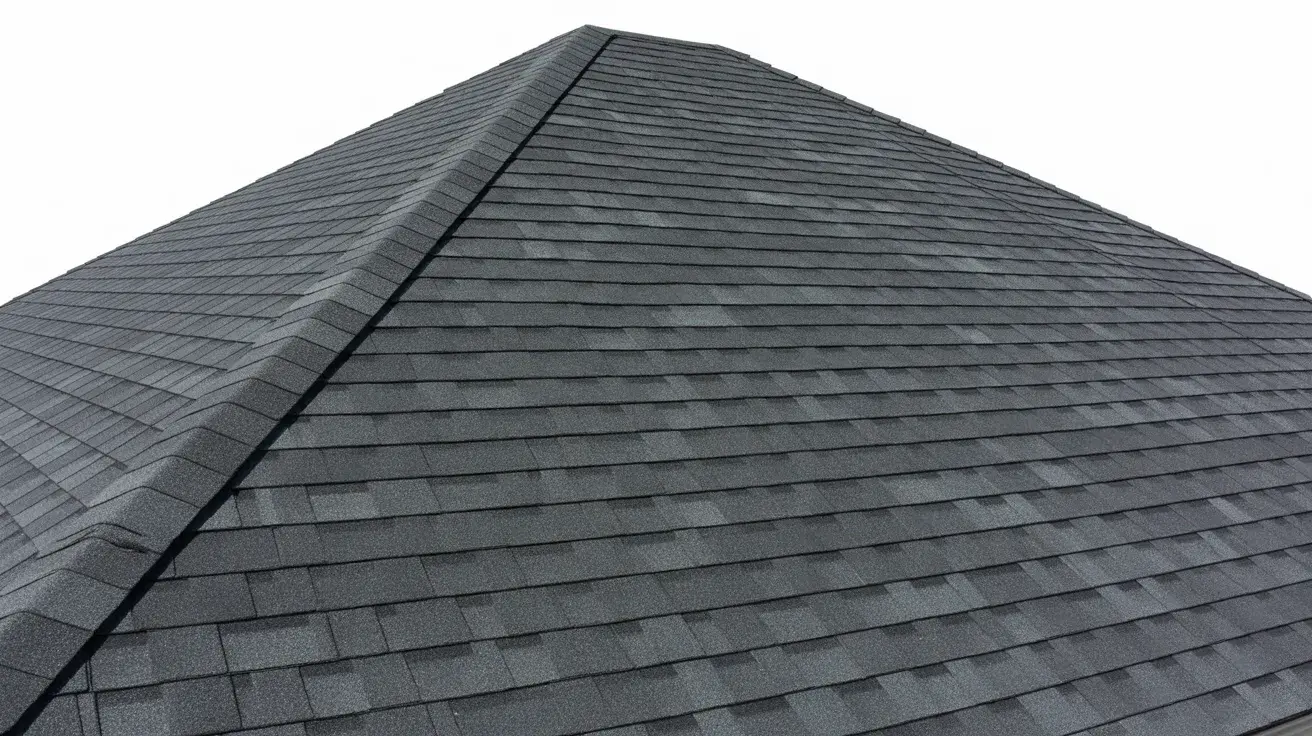
When I first looked into roofing cost, I expected a simple answer. Just one number I could plan around. But the more I checked, the more confusing it got. Prices were all over the place, and none of them really explained why.
If you’re feeling the same, you’re not alone. Roofing cost isn’t just about size or materials. It’s shaped by how your roof is built, how hard it is to work on, and what’s happening underneath.
In this guide, I’ll walk you through what actually drives the cost. You’ll see how it’s calculated, what changes the price, and why two homes can end up with very different estimates.
Roof Replacement Cost at a Glance
If you just want a quick sense of what a new roof might cost, this section gives you a clear starting point before we break down the details.
Typical Total Cost Ranges (Budget → High-End)
Most homeowners fall into three ranges:
- Budget (asphalt shingles): $7,500 – $16,000
- Mid-range (metal / architectural shingles): $16,000 – $35,000
- High-end (tile/slate): $30,000 – $70,000+
Costs rise with roof size, slope, and complexity. Simple roofs stay cheaper, while steep or detailed ones push prices higher.
These are outcomes, not fixed formulas. Your final cost depends on how multiple factors combine, not just one variable.
Average Cost Per Square Foot and Per Roofing Square
- Per sq ft: $4.00 – $11.00 (installed, including materials and labor)
- Per roofing square (100 sq ft): $400 – $1,100
Rates vary based on material, labor difficulty, and roof design, so prices aren’t uniform. Even small changes in roof structure or material choice can shift these numbers more than most people expect.
Roof Replacement Cost by Material
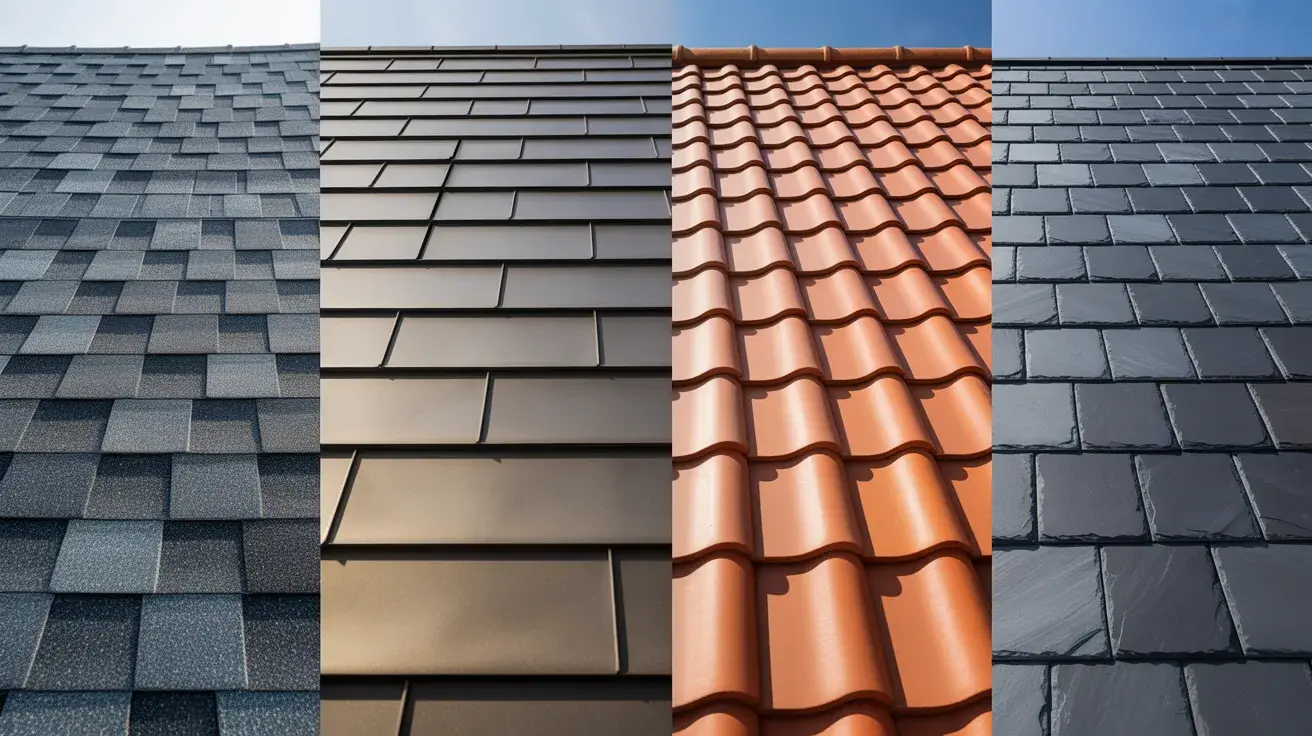
Your material choice is the single largest variable in total cost. Here’s how the main options compare on price, lifespan, and best use case:
| Material | Installed Cost / Sq Ft | Typical Total (2,000 sq ft home) | Lifespan | Best For |
|---|---|---|---|---|
| 3-Tab Asphalt | $4.00 – $6.00 | $8,000 – $12,000 | 15–20 years | Budget replacement; simple roofs |
| Architectural Asphalt | $5.50 – $9.00 | $10,000 – $16,000 | 25–30 years | Best value; most common choice |
| Metal (Standing Seam) | $9.00 – $16.00 | $18,000 – $35,000 | 40–70+ years | Long-term investment; low maintenance |
| Concrete / Clay Tile | $10.00 – $18.00 | $20,000 – $45,000 | 40–50 years | Warm climates; Mediterranean styles |
| Slate (Natural) | $15.00 – $30.00 | $30,000 – $70,000+ | 75–150+ years | Premium homes; maximum longevity |
| Wood Shake | $9.00 – $14.00 | $18,000 – $28,000 | 20–30 years | Rustic aesthetics; dry climates |
Actual costs vary by region, roof complexity, and contractor. Heavy materials like tile and slate may require structural reinforcement, adding $2,000 to $5,000 if your roof framing isn’t rated for the additional weight.
How Roofing Costs Are Actually Calculated?
Roofing prices aren’t based on a single formula. They’re built step by step using real measurements of your roof and multiple cost components that shift based on design, difficulty, and working conditions.
- What “Per Square” Means in Roofing: A “square” equals 100 square feet of roof area.
Contractors measure the actual roof surface, not your home’s floor size, which includes slopes, angles, and layers. Because of this, the working area is almost always larger than the house footprint. - How Contractors Build a Full Estimate: A properly itemized estimate should break out materials (shingles, underlayment, flashing, ridge cap, drip edge), labor, tear-off and disposal, permit fees, and any identified repair items such as decking replacement.
A lump-sum bid without this breakdown makes it impossible to compare what each contractor is and isn’t, including. Always ask for line-item quotes from at least three licensed contractors before committing. - Why Simple Cost Calculations Break Down: Many people assume roof size × price per sq ft = total cost. That only works for simple roofs.
In reality, steep slopes slow work, complex layouts increase waste, and access issues add time and safety steps. Because of this, costs don’t scale evenly; they often rise faster as complexity increases.
Once you understand how these pieces come together, it becomes much easier to see why roofing costs can vary so widely from one home to another.
The Key Factors That Drive Roofing Costs Up or Down
Once you understand the basics, the real difference in roofing cost comes from a few key factors that don’t just add cost; they change how the entire job is done.
1. Material Choice and Its True Cost Impact
Materials don’t just set the base price; they shape the entire installation process. Asphalt installs quickly with less effort, while tile or slate adds weight, handling time, and structural demands. Metal requires precision and skill.
So the real cost impact comes from how each material changes labor time, difficulty, and installation complexity, not just its price tag.
2. Labor Costs and What They Include
Labor is often the largest portion of the total cost because it covers multiple stages, not just installation. It includes tear-off, surface prep, layering, and cleanup.
Labor typically accounts for 50% to 60% of total roof replacement cost, averaging $2.50 to $6.00 per square foot depending on complexity and region.
Costs rise when work slows down due to risk or detail. A straightforward job stays efficient, but even small complications can increase labor time and significantly affect the final price.
3. Roof Pitch and Accessibility
Roof pitch directly affects how safely and efficiently crews can work. Steeper roofs require harnesses, slower movement, and careful material handling, which reduces productivity.
Accessibility matters too; tight spaces or limited entry points add time. In contrast, low-slope roofs allow faster movement and simpler setup, which keeps both labor time and costs lower.
4. Structural Complexity (Valleys, Chimneys, Layers)
Each structural feature adds more than just a small task; it interrupts the workflow. Valleys require precise alignment, chimneys need sealing, and multiple layers increase removal time.
These elements compound effort across the job, forcing crews to stop, adjust, and rework sections. That repeated interruption is what drives costs up more than most homeowners expect.
Why Your Roof Size Is Bigger Than Your House Size
At first glance, it seems like your roof should match your home’s square footage, but in reality, several factors increase the actual surface area.
- Pitch (slope): A steeper roof increases surface area because it rises upward, not just across. The sharper the angle, the more material is needed to cover it.
- Overhangs: Roof edges extend beyond the walls, adding extra coverage around the home. This additional space increases the total roof area beyond the base footprint.
- Waste: Roofing materials must be cut and fitted around edges, angles, and joints. This creates leftover material, so more is required than the exact measured area.
- Roof shape complexity: Simple rectangular roofs are efficient, but adding dormers, valleys, or multiple slopes quickly increases total surface area and cuts work.
- When it becomes significant: On simple homes, the difference may be small. On complex roofs, these factors typically add 20% to 30% more area above your home’s footprint, which directly increases both material and labor costs.
Once you factor in these elements, it becomes clear why roof size and cost often end up higher than expected.
How Roof Design and Complexity Increase Costs?
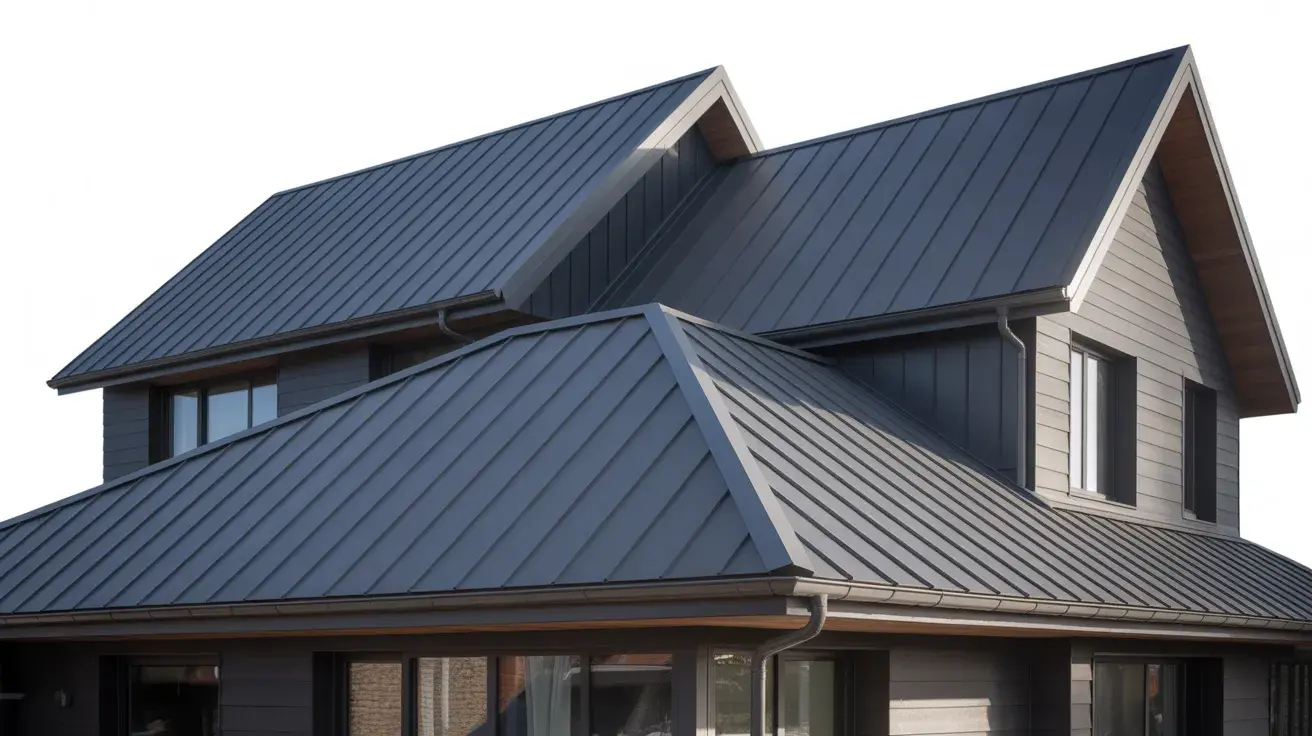
Roof design plays a major role in pricing because it directly affects how work gets done. Steep roofs are one of the biggest cost drivers, as they slow crews down, require safety gear, and increase risk, raising labor costs significantly.
Complex layouts also lead to more cutting, overlap, and wasted material, which increases total material use.
Even small features like skylights or vents can cause cost jumps, because they interrupt workflow and require careful sealing. These repeated slowdowns add up, making the job more time-intensive and expensive overall.
What Does a Full Roof Replacement Actually Include?
A complete roof replacement covers more than just the visible shingles. Every component listed below should be included in a proper installation. If your estimate is missing any of them, ask your contractor to clarify what’s excluded and why:
- Tear-off and disposal: Removing and hauling away old roofing material typically adds $1,000 to $2,500, depending on roof size and number of layers. Always confirm whether disposal is included in your quote.
- Deck inspection and repair: Once the old roof is stripped, the crew inspects the sheathing for rot or damage. Replacing damaged decking costs $2.20 to $3.00 per square foot.
A badly damaged deck can add $1,000 to $3,000 to the total. This cannot be assessed until the tear-off is complete, so it’s treated as a contingency item in most estimates. - Underlayment: The waterproof layer installed between the deck and shingles. Synthetic underlayment outperforms standard felt, and most manufacturer warranties require it.
- Flashing: Metal sealing around chimneys, skylights, vents, and valleys. Flashing failure is one of the most common causes of roof leaks and should always be replaced or inspected as part of a full replacement.
- Installation of new materials: The shingles, metal panels, or tiles — applied from bottom to top, with proper overlap and fastening.
- Cleanup: Debris removal, magnet sweeps for nails, and site restoration.
- Permits and inspections: Required by most municipalities for full replacements. Permit fees typically range from $200 to $800, depending on location and project scope.
Tear-Off vs. Overlay: A Decision That Affects More Than Just Price
One of the most significant cost decisions in a roof replacement is whether to do a full tear-off (removing the old roof down to the deck before installing new materials) or an overlay (installing new shingles directly over the existing layer).
An overlay saves $1,000 to $3,000 by reducing labor and disposal costs. It’s also faster. But there are real downsides worth understanding:
- Hidden deck damage stays hidden: The existing shingles must be removed before anyone can inspect the deck for rot, moisture damage, or structural issues. An overlay buries those problems under new material.
- Most manufacturer warranties require a tear-off: Installing shingles over an existing layer can void the shingle manufacturer’s warranty on the new materials.
- Most building codes limit overlays to two layers total: If your home already has two layers, an overlay isn’t permitted, and a full tear-off is required.
- Future replacements cost more: The next contractor will have to remove both layers, increasing tear-off labor and disposal costs.
For most homeowners doing a full replacement on a roof that’s nearing the end of its life, a complete tear-off is the better long-term decision, even though it costs more upfront.
Reserve overlay consideration for roofs with one existing layer, no evidence of deck damage, and materials still under warranty.
Hidden Costs That Increase Your Final Budget
Before finalizing your budget, it’s important to account for costs that don’t always show up in the initial estimate but often appear once work begins.
| Hidden Cost | Typical Cost Range | Why It Happens |
|---|---|---|
| Deck repair | $500 – $2,000+ | Damage is often only visible after the old roof is removed |
| Structural reinforcement | $2,300 – $5,600+ | Needed when upgrading to heavier materials like tile or slate |
| Ventilation upgrades | $500 – $1,500 | Required to meet codes and protect roof’s lifespan |
| Fascia, soffit, and gutters | $5 – $15 per linear foot | Edge components may be worn or damaged |
| Multiple existing layers removal | $1,000 – $2,500 extra | More layers increase labor and disposal effort |
| Permits (urban areas) | $500 – $800 | Local regulations may require separate permit fees |
These costs are common enough that adding a 10%–15% buffer to your estimate helps prevent surprises and keeps your budget realistic.
Why Do Roof Estimates Vary So Much Between Homes?
Even when homes appear similar on the surface, several underlying factors can cause their roofing costs to differ significantly.
- Location and labor market differences: Labor rates change by region. Urban areas usually cost more due to higher wages and demand, while rural areas may be cheaper but can have limited contractor availability.
- Roof condition and hidden work: Some roofs require extra work that isn’t visible upfront, such as damaged decking, moisture issues, or structural repairs. These often appear during the project and increase the final cost.
- Why similar homes have different costs: Even if two homes look alike, one may have a more complex design, hidden damage, or harder access. These differences affect both material needs and labor time, leading to noticeable price variation.
Once you account for these variables, it becomes clear why roofing prices can vary so widely, even between homes that seem almost identical.
Repair or Replace: A Practical Decision Framework
If you’re unsure whether to repair or replace your roof, using a simple framework like this can help you make a more confident and cost-aware decision.
| Situation / Condition | Repair Is Usually Better When… | Replacement Is Usually Better When… |
|---|---|---|
| Extent of damage | Damage is limited (under 25% of the roof area) | Damage is widespread with multiple problem areas |
| Roof age | The roof is under 15 years old and in good condition | The roof is 20+ years old or near the end of its lifespan |
| Cost comparison | Repair is less than 50% of the replacement cost | Repair would exceed half the cost of replacement |
| Structural condition | No deck damage or moisture issues | The deck shows sagging or structural problems |
| Material condition | Shingles are mostly intact | Shingles are curling, buckling, or heavily worn |
| Granule loss | Minimal or no granule buildup | Heavy granule loss (visible in gutters) |
If the situation still isn’t clear, a professional inspection, typically costing $200 to $400, can help confirm the actual condition and guide the right decision.
Wrap Up
At the end of the day, roofing prices make more sense once you stop looking for one fixed number. Every roof is a little different, and the cost follows how that roof is built, how easy it is to work on, and what surprises show up along the way.
If you’re trying to estimate your roofing cost, focus on the factors you can see, like size, slope, and design, while staying prepared for a few unknowns. That way, the final number won’t feel as surprising, and you’ll have a better idea of what’s fair.
Take your time, compare details carefully, and trust what you now understand. If you want more clarity like this, check out my other guides for simple, practical insights.
Frequently Asked Questions
How much does it cost to re-roof a 2,000 sq ft house?
Most projects range from $10,000 to $20,000 with asphalt shingles. Metal or premium materials can push costs to $18,000–$40,000+, depending on roof size and complexity.
How much does roofing cost per square foot?
Roofing usually costs $4 to $11 per sq ft installed. Asphalt sits lower, while metal, tile, and slate increase pricing. Labor often makes up about half the total.
Why is roof replacement so expensive?
Costs combine materials, labor, safety measures, and design complexity. Hidden components like underlayment, flashing, and disposal also add to the total, making it higher than expected.
What factors affect the cost the most?
Roof complexity, pitch, material type, and labor difficulty have the biggest impact. These factors interact, which is why prices can vary widely even between similar homes.
Should I choose an overlay or a full tear-off?
A full tear-off is usually better. Overlays save upfront but can hide damage, limit warranties, and increase future costs. Many codes also restrict roofs to two layers.
Does homeowner’s insurance cover roof replacement?
Insurance usually covers damage from storms, hail, or fire. It does not cover aging or wear. Always confirm the cause and file claims before starting any work.
When is the best time of year to replace a roof?
Late spring to early fall is common but busy. Scheduling in off-season months may reduce labor costs slightly, though weather conditions can limit installation flexibility.