
Metal roofs are often said to last forever, but that’s not really how it works. I’ve seen people quote 40 years, 70 years, even 100 years, and it gets confusing fast.
If you’re trying to figure out how long do metal roofs last, the real answer depends on more than just the metal. It comes down to the full system, how it’s installed, and what it goes through over time.
In this guide, I’ll walk you through what actually affects lifespan, how different materials compare, and what causes metal roofs to wear out. By the end, you’ll have a clear, practical way to understand how long your roof can really last.
Quick Answer: How Long Do Metal Roofs Last?
Most metal roofs last between 40 and 70 years. That’s a reliable baseline, but actual lifespan depends on materials, environment, and system quality.
Some roofs fall shorter in harsh conditions, while others, like copper or zinc, can last well beyond 70 years.
- Functional life: This refers to how long the roof stays leak-free and performs properly.
- Structural life: This is how long the metal itself remains physically intact.
No two roofs age the same way. Coastal exposure, temperature swings, and strong winds can accelerate wear, while stable inland conditions slow it down. Installation quality, coatings, and system design all play a critical role.
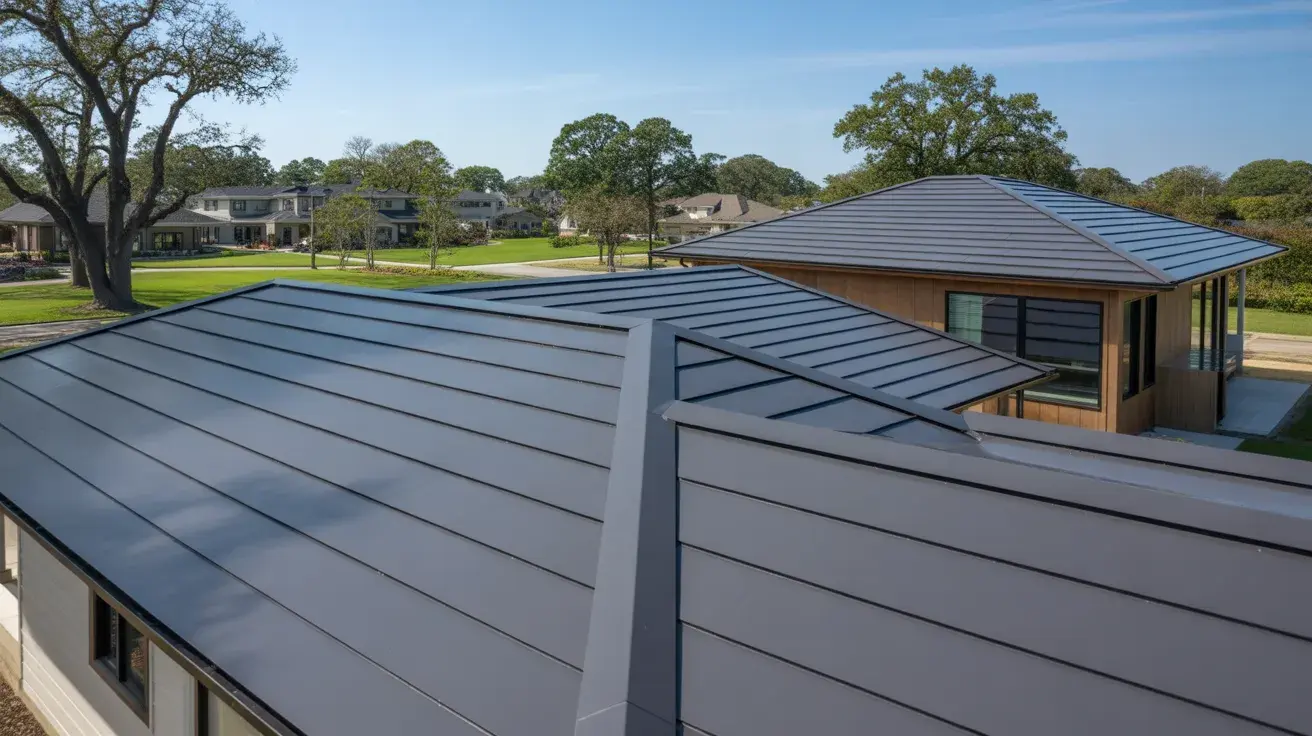
One key factor often overlooked: the panel system. Standing seam roofs with hidden fasteners typically last 40–70 years. Exposed fastener systems often last 20–30 years due to wear at screw points.
So instead of a fixed number, think of lifespan as a range shaped by how the entire system holds up over time.
Metal Roof Lifespan by Material Type
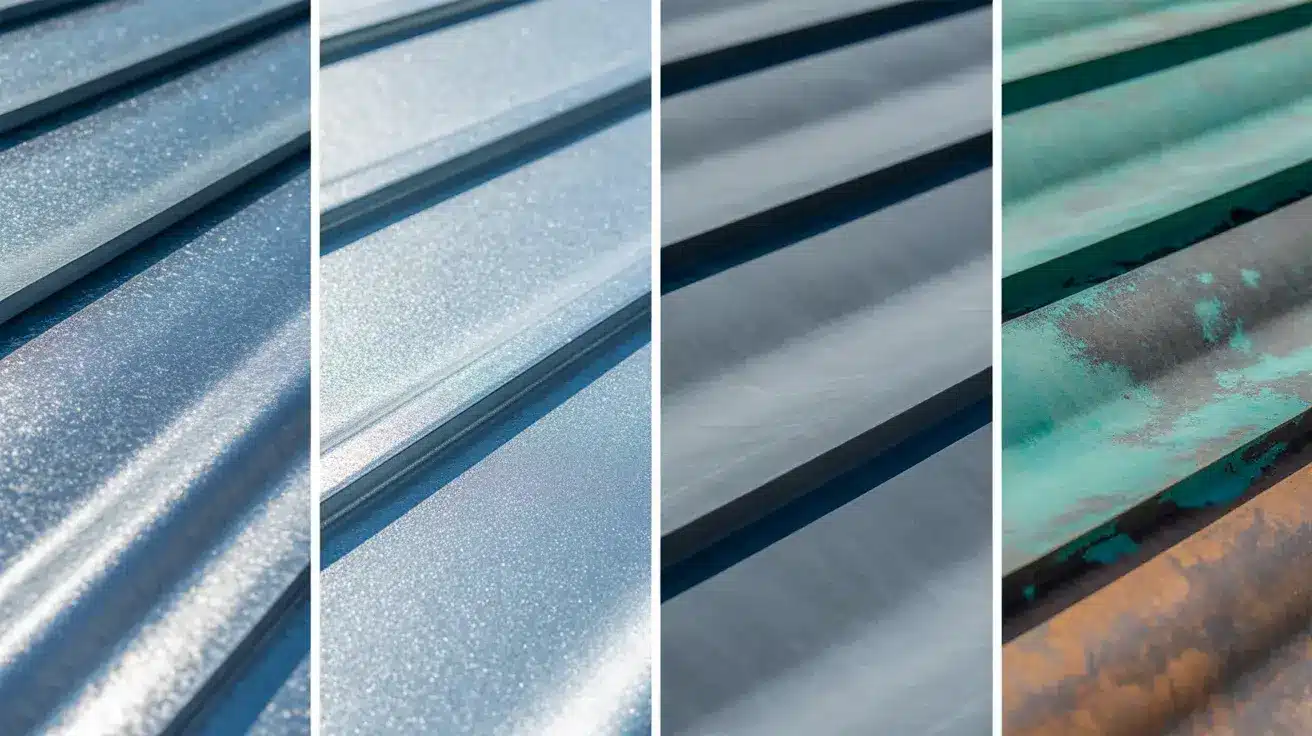
Different metals don’t just last different lengths of time, they age in very different ways.
1. Steel
Steel is the most common option because it balances strength and cost. However, it relies heavily on protective coatings to prevent rust.
Galvalume steel, coated with both aluminum and zinc, typically outperforms standard galvanized steel and is the more common residential option today.
High-performance paint systems like Kynar 500 (a PVDF coating) can add 10 to 20 years to a steel roof’s usable life by resisting UV degradation, fading, and moisture penetration better than standard polyester paints.
Once that coating starts to wear down, the exposed steel begins to oxidize, which can gradually weaken the panels. The key factor is coating quality, as it largely determines how long steel can resist corrosion.
2. Aluminum
Aluminum naturally resists rust, which makes it especially useful in coastal environments where salt exposure is high. It doesn’t depend on coatings the same way steel does.
Aluminum roofs can last 40 to 70 years in the right environment, and may exceed 70 years in coastal climates where its corrosion resistance gives it a clear advantage over steel. Its main limitation is softness, aluminum dents more easily under physical impact than steel.
3. Zinc
Zinc stands out because it forms a protective layer that can repair itself over time. When the surface is scratched, it reacts with the environment to create a new protective coating.
This slows down long-term degradation significantly. Its self-healing property is what extends its lifespan, making it one of the most durable roofing materials available.
4. Copper
Copper develops a natural patina, a greenish layer that protects it from further corrosion as it ages. Unlike coatings that wear off, this layer becomes more stable over time.
That’s why copper roofs can last for generations. Its long-term durability comes from this natural protective process, not external treatments.
| Material | Typical Lifespan | Key Behavior | Notable Coatings |
|---|---|---|---|
| Steel (Galvanized/Galvalume) | 40–70 years | Relies on coatings to prevent rust | Galvalume, Kynar 500 (PVDF) |
| Aluminum | 40–70 years | Naturally corrosion-resistant, softer metal | PVDF or SMP paint systems |
| Zinc | 60–100+ years | Self-healing surface slows degradation | Natural patina (no additional coating needed) |
| Copper | 70–100+ years | Forms protective patina over time | Natural patina (no additional coating needed) |
Why These Materials Age Differently?
The difference comes down to how each metal reacts with its environment. Some rely on coatings. Others create their own protection.
Some resist corrosion naturally, while others need help to slow it down. So lifespan isn’t just about strength, it’s about how the material handles exposure over decades.
Key Factors That Affect How Long a Metal Roof Lasts
Even the best material won’t last long if the system around it starts to fail, and that’s where most of the real lifespan differences come from. Here are the main factors that shape lifespan:
1. Installation Quality and System Design
A metal roof is a connected system of panels, seams, fasteners, and joints, not just metal sheets. If any part is installed incorrectly, it creates hidden weak points that worsen over time.
Misaligned panels, loose fasteners, or weak seams may not fail immediately, but installation quality directly controls long-term performance, often determining whether the roof lasts decades or fails early.
2. Climate and Environmental Exposure
Weather affects metal roofs through ongoing physical and chemical stress, not just surface wear. Salt air accelerates corrosion, heat causes expansion and contraction, and wind adds pressure to fasteners and seams.
These forces act continuously, which is why environmental exposure can shift lifespan dramatically, even for the same material installed in different locations.
3. Coatings and Protective Finishes
Protective coatings act as the first defense layer between the metal and its environment. Over time, sunlight, moisture, and temperature changes cause these coatings to fade, crack, or wear away.
The type of coating matters significantly. Kynar 500 and other PVDF (polyvinylidene fluoride) paint systems outperform standard polyester and SMP coatings in UV resistance and color retention.
The difference can represent 10 to 20 additional years of effective protection before the base metal begins to degrade.
4. Fasteners, Seals, and Maintenance Cycles
In many cases, the metal panels remain intact while smaller components begin to fail first. Rubber seals can dry out, fasteners can loosen, and tiny gaps can form from repeated movement.
These issues often develop gradually and go unnoticed. System components, not the metal itself, are usually the earliest failure points, leading to leaks and reduced performance over time.
Why Metal Roofs Last Longer and Wear Out Over Time?
Metal roofs outlast most materials not because they’re immune to wear, but because they degrade slowly and predictably.
Understanding the aging process helps you know where to look for early warning signs.
- Corrosion and oxidation: Corrosion is a slow chemical reaction between metal, moisture, and oxygen. It usually starts at weak points like scratches or worn coatings. Instead of immediate damage, it spreads gradually, which delays overall failure.
- Thermal expansion and structural stress: Metal expands with heat and contracts when it cools. This daily movement puts pressure on panels, seams, and fasteners. Over time, this stress can loosen parts and create small openings.
- Fastener and seal degradation: Fasteners and rubber seals are under constant strain. As seals dry out and crack, they lose their ability to block water. This often becomes one of the earliest failure points in the system.
- Coating failure and exposure cascade: Protective coatings wear down over time. Once they weaken, the metal underneath is exposed, and corrosion begins to spread faster, accelerating overall deterioration.
- Material vs system failure: In most cases, smaller system components fail before the metal panels. Loose fasteners, broken seals, and stressed seams reduce performance long before the metal itself wears out.
Together, these processes explain why metal roofs last longer than most materials, but still follow a gradual and predictable aging pattern.
How Climate and Location Change Metal Roof Lifespan?
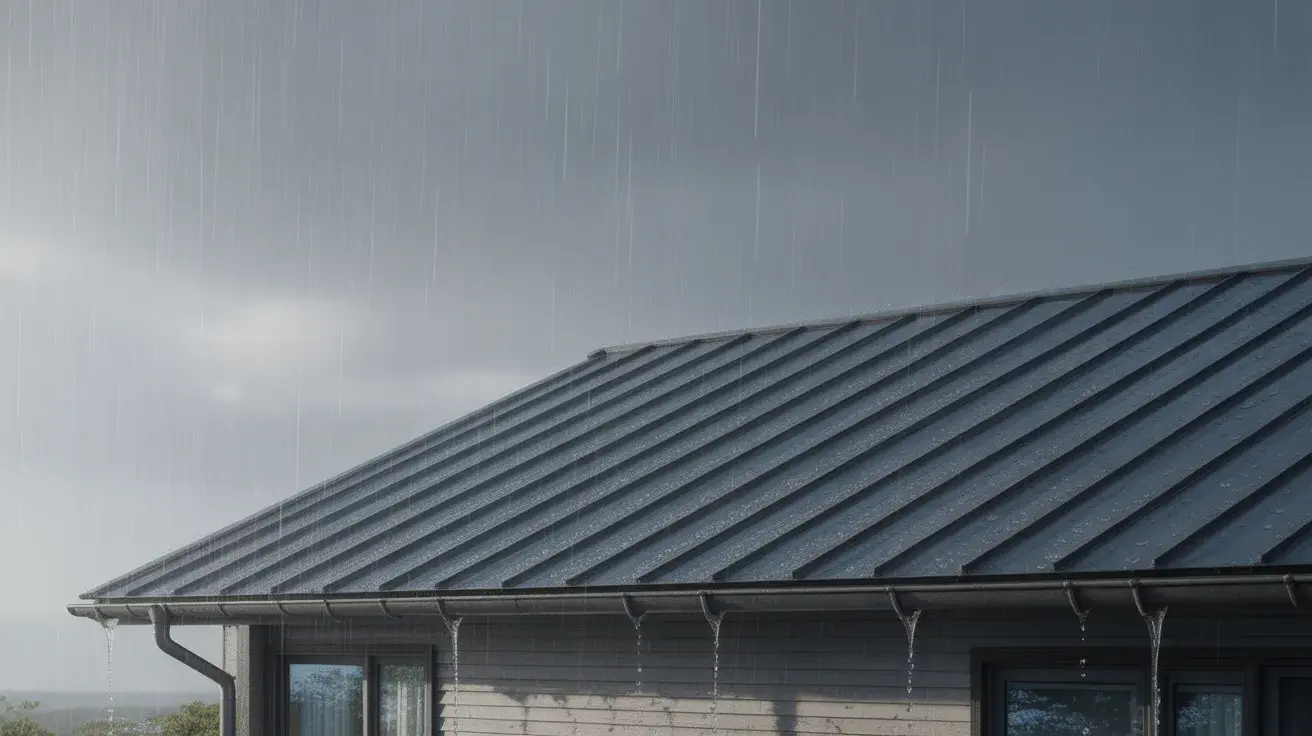
Climate and location play a major role in determining a metal roof’s lifespan, sometimes shortening it by decades.
In coastal areas, salt in the air accelerates corrosion by reacting with moisture on the surface.
In regions with extreme temperature swings, repeated expansion and contraction place stress on fasteners, seams, and connections, gradually weakening the structure.
High-wind zones add further strain by creating uplift forces that loosen fasteners and shift panels.
Matching material to climate extends lifespan meaningfully:
- Coastal areas: Aluminum is the preferred choice because it doesn’t rust. Steel, even Galvalume, will corrode faster in high-salt environments unless maintained carefully. For homes within roughly 15 miles of the ocean, aluminum’s natural corrosion resistance is worth the added cost.
- High humidity and heavy rainfall regions: Zinc performs well due to its self-healing surface, but requires adequate roof pitch to prevent standing water.
- Extreme heat climates: Reflective coatings like Kynar 500 matter most here, reducing thermal stress and the rate of expansion/contraction cycles that degrade fasteners over time.
- Freeze-thaw climates: Standing seam systems are strongly preferred because the concealed fastener design accommodates the daily thermal cycling without creating stress at penetration points.
Metal Roof vs Asphalt Shingles: Lifespan Differences Explained
Before getting into the specifics, it helps to see the key differences between asphalt shingles and metal roofing side by side.
| Aspect | Asphalt Shingles | Metal Roofing |
|---|---|---|
| Typical Lifespan | 15–30 years | 40–70+ years |
| Primary Cause of Aging | UV exposure and weather degradation | Mechanical fatigue and system wear |
| Material Behavior | Breaks down over time | Maintains structural integrity longer |
| Resistance to UV Damage | Low | High |
| Cracking | Common as shingles age | Rare |
| Failure Mechanism | Drying, cracking, and material loss | Fastener loosening, panel movement |
| Maintenance Needs | Moderate to high | Low to moderate |
The cost comparison goes beyond lifespan alone: Metal roofs can reduce cooling costs by up to 40% through reflective coatings that deflect solar heat.
Over a 30-year period, homeowners who choose metal over asphalt may avoid one full replacement cycle, typically $8,000 to $20,000 in materials and labor, while also realizing energy savings that partially offset the higher upfront cost.
Some insurance carriers also offer premium discounts for Class A fire-rated metal roofs, further improving the long-term economics.
What Happens When a Metal Roof Reaches the End of Its Life?
Metal roofs don’t fail all at once, they wear out gradually, which makes early detection important.
Problems usually begin small, such as minor leaks, loose fasteners, or small corrosion spots. Over time, these issues can spread and become more serious if left unaddressed.
It’s also important to separate cosmetic aging from real failure. Fading or surface wear may make the roof look old, but what truly matters is whether it still keeps water out.
- Active leaks or recurring wet spots in the attic: especially after minor rain events, which indicates seal or fastener failure rather than just storm damage.
- Visible rust spreading from edges or fastener points: surface oxidation is cosmetic, but rust spreading inward from seams or penetrations indicates coating failure.
- Fasteners backing out or missing washers: particularly relevant for exposed fastener systems; if multiple fasteners are affected, the pattern is systemic.
- Significant panel lifting or warping: indicates structural fatigue, often from years of thermal cycling without adequate allowance for movement.
- Widespread chalking or peeling coating: once the paint system breaks down across large areas, the base metal is exposed and corrosion accelerates quickly.
Because metal degrades slowly rather than suddenly, homeowners typically have time to spot warning signs and take action before major damage occurs.
Final words
Choosing a metal roof isn’t just about picking a material. It’s about understanding how the whole system will hold up over time. The right setup can give you decades of reliable protection, while small mistakes can shorten that life more than you’d expect.
If you’re still wondering How long do metal roofs last, the best way to think about it is in terms of conditions, not just numbers. Your climate, installation quality, and maintenance all shape how your roof performs year after year.
Take your time, ask the right questions, and focus on long-term performance instead of quick answers.
If you want more practical tips and ideas, feel free to check out other guides to help you make a confident choice.
Frequently Asked Questions
How long do metal roofs last in coastal areas?
Steel roofs often last 30–50 years due to salt exposure. Aluminum performs better in coastal conditions and can last 40–70 years or more without rust issues.
Do metal roofs rust over time?
Steel can rust once coatings wear down. Protective finishes slow the process, but long-term exposure to moisture and air eventually leads to surface corrosion.
What is the biggest problem with metal roofs?
The main issue is system components like fasteners and seals wearing out. These small parts fail before the panels, leading to leaks and reduced performance over time.
How long do metal roofs last vs shingles?
Metal roofs usually last 40–70 years. Asphalt shingles last 15–30 years due to faster breakdown from sun exposure and weather-related wear.
What is the lifespan of standing seam vs exposed fastener roofs?
Standing seam roofs last 40–70 years with hidden fasteners. Exposed fastener systems last 20–30 years due to seal wear and screw loosening over time.
How often should a metal roof be inspected?
Inspect metal roofs once a year. Check for debris, loose fasteners, worn seals, and early signs of rust to catch small problems before they become serious.
What coating lasts longest on a metal roof?
PVDF coatings like Kynar 500 last the longest. They resist UV damage, fading, and moisture better than standard coatings, helping extend roof lifespan significantly.