
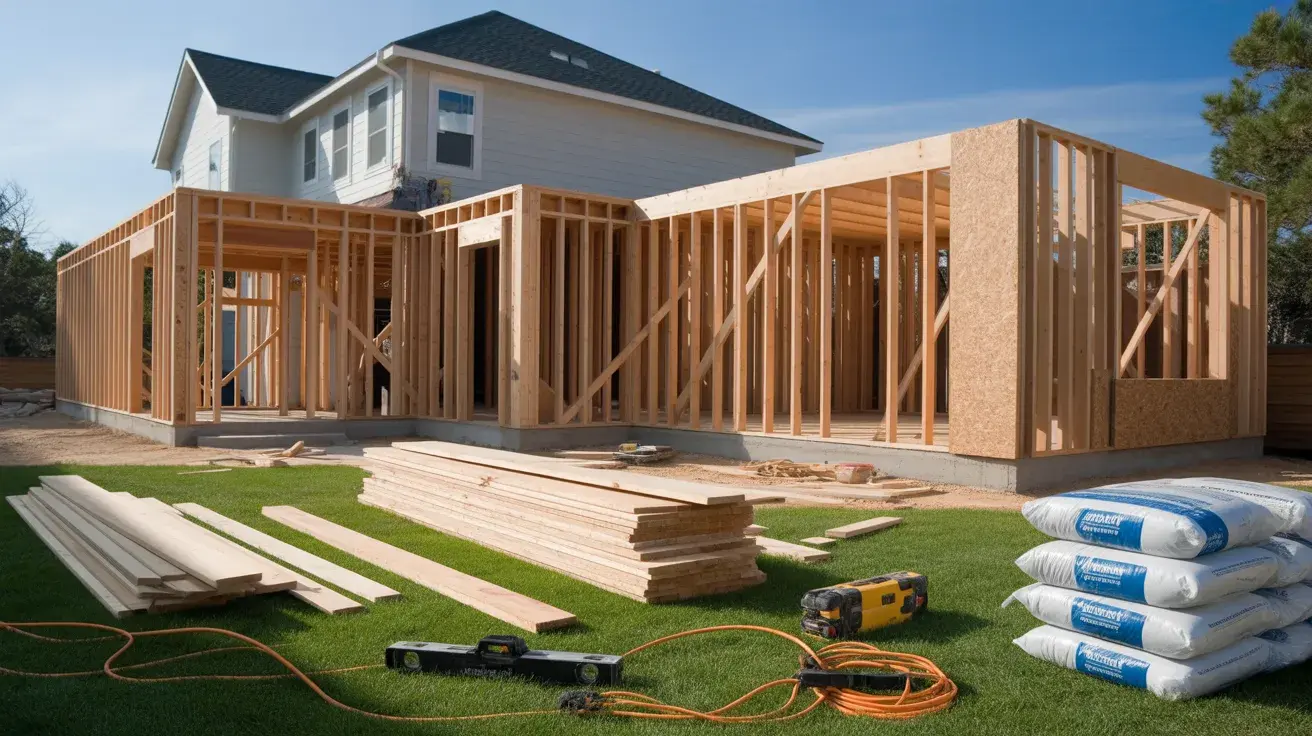
Adding space to your home might seem simple at first. You might think, just build a room, right? But once you start looking into the cost of a room addition, things can quickly get confusing.
You’ll see one site say $20,000 and another say $200,000, and it’s hard to know what’s actually realistic.
The truth is, there isn’t one “correct” price. What you end up paying depends on your home’s structure, its systems, and how the new space connects to what you already have. That’s where most guides fall short; they give you numbers, but not the reasons behind them.
In this guide, I’ll walk you through both. You’ll get a clear sense of real price ranges, but more importantly, you’ll understand what’s actually driving the cost so you can make better decisions.
Room Addition Cost: Average Price, Per Sq Ft, and Realistic Ranges
To understand why costs can vary so much, it helps to start with the typical price ranges and per square foot estimates most homeowners encounter when planning a room addition.
Average Total Cost Range for a Room Addition
Most room additions fall somewhere between $20,000 and $100,000+, with many landing around $40,000 to $80,000. That range looks wide because it is.
A small bump-out with minimal structural work might stay near the lower end. A full master suite with plumbing, finishes, and structural changes can easily move past $100,000.
The key idea here is simple: You’re not just building a room, you’re tying a new structure into an existing system. That integration is where costs expand.
Cost Per Square Foot (Typical Ranges)
You’ll often see numbers like $120 to $350+ per square foot. It’s useful for rough comparison, but it isn’t a fixed rule.
A basic addition with simple finishes may stay near the lower end, while a more complex project with plumbing, structural reinforcement, and higher-end materials pushes toward the top.
Why These Numbers Vary So Widely?
Two projects with the same size can still have very different costs. That’s because pricing isn’t just about square footage. It depends on:
- How the space connects to your home
- How many systems (plumbing, electrical) are involved
- How much structural work is required
A basic bedroom behaves very differently from a bathroom or a second story. That’s why “average cost” often feels misleading; it smooths over the real differences.
Room Addition Cost by Type
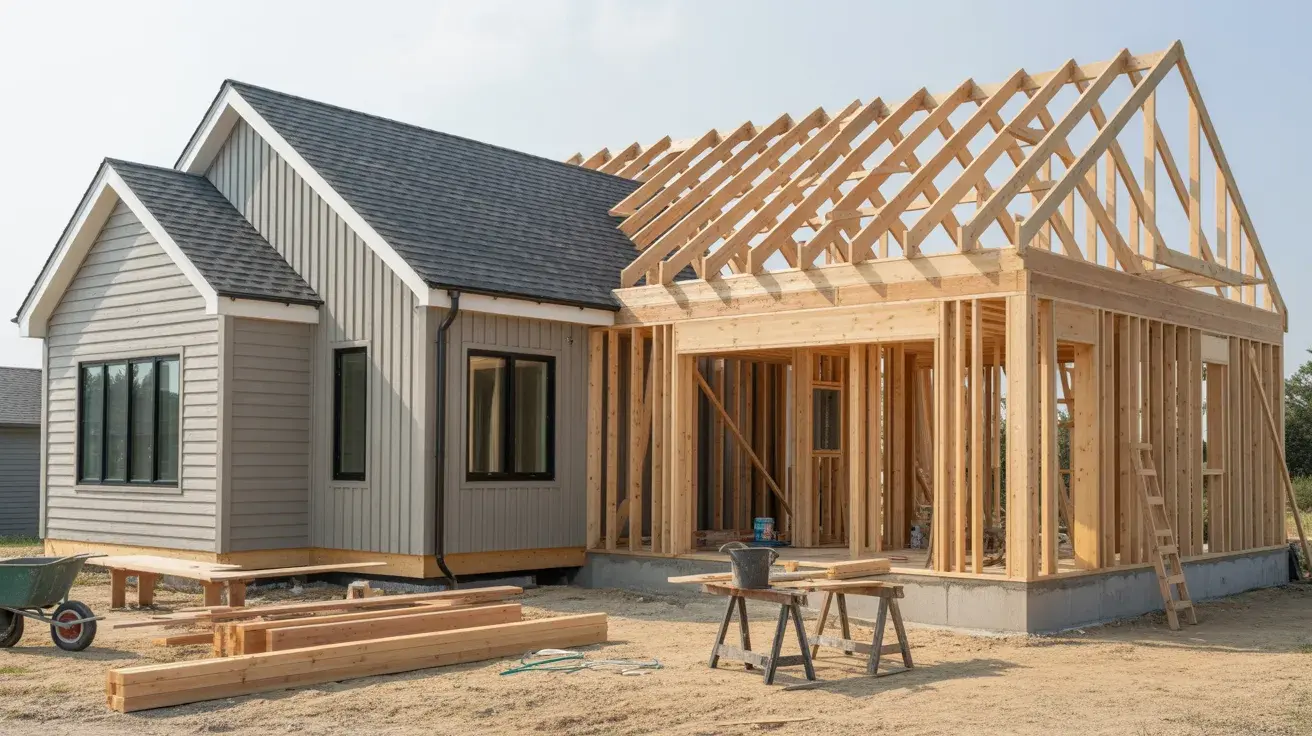
Before looking at numbers, it helps to understand that different types of rooms come with very different cost structures.
1. Bedroom vs Bathroom vs Master Suite Costs
A bedroom is usually one of the simpler additions. It mainly involves framing, insulation, and standard electrical work. Bedroom additions typically cost $80 to $160 per square foot, or roughly $15,000 to $36,000 for a 12×12 room.
A bathroom, even if smaller, costs more. It needs plumbing lines, drainage, ventilation, and waterproofing.
A bathroom addition averages around $22,000, with most projects falling between $150 and $250 per square foot. Depending on where you live, you can expect a 47% to 67% ROI on a bathroom addition.
A master suite combines both layers. The cost to build a primary bedroom with a bathroom typically ranges from $30,000 to $100,000, making it one of the more complex and expensive single-room additions.
You’re building space and adding high-density systems at the same time, which is why it often costs significantly more than a basic room.
2. Ground-Level vs Second-Story Additions
Building out at ground level is usually more straightforward. You extend the footprint and create a new foundation.
Building up is different. The existing structure has to carry additional weight, which often means reinforcing walls, beams, or even the foundation below.
Second-story additions can cost $250 to $500 per square foot, two to three times the cost of a comparable ground-level build, specifically because of that structural demand. A full second-story addition often runs $100,000 to $175,000 total.
3. Bump-Out vs Full Addition Costs
A bump-out is a small extension, often just a few feet outward. In some cases, it avoids major foundation work, which helps keep costs lower. Bump-outs typically cost $85 to $200 per square foot, with total project costs ranging from $4,000 to $30,000 depending on depth and size.
A full addition is more involved. It usually requires:
- A new foundation
- Full framing
- Roof integration
That added scope increases both labor and materials. Even a modest increase in size can shift the project into a different cost range.
Room Size-Based Cost Examples
To make these differences easier to visualize, here’s how typical costs compare across common room sizes and scenarios.
| Room Size | Square Footage | Typical Cost Range | Cost Behavior |
|---|---|---|---|
| 12×12 | 144 sq ft | $20,000 – $50,000+ | Higher cost per sq ft due to fixed costs |
| 20×20 | 400 sq ft | $50,000 – $120,000+ | More efficient cost per sq ft as the size increases |
| Larger Additions | 500+ sq ft | $80,000 – $200,000+ | Lower per sq ft average, but higher total cost |
While this gives a helpful baseline, the actual cost still depends less on size alone and more on what’s happening inside the structure, especially systems like plumbing and structural work.
Factors That Drive the Cost of a Room Addition
Understanding the main cost drivers makes it easier to see why prices vary so much from one project to another.
1. Location, Labor, and Local Regulations
Costs shift depending on where you live. Labor rates vary by region, and so do permits and building codes. Some areas require more inspections or stricter standards, which adds both time and cost.
Because of this, the exact same addition can cost significantly more in one location than another, even if the design doesn’t change.
2. Plumbing, Electrical, and HVAC Complexity
Adding systems is one of the biggest cost drivers. A room without plumbing is relatively simple. But once you add water lines, drainage, and ventilation, the complexity increases quickly.
Electrical and HVAC systems also need to be extended and balanced, which requires skilled labor and careful coordination.
3. Foundation, Framing, and Structural Work
The structure is what holds everything together.
If the addition requires:
- A new foundation
- Load-bearing support
- Roof integration
Costs rise quickly. Structural work isn’t just about building something new; it’s about making sure the new space safely connects to the existing home.
4. Materials and Finish Levels
Finishes do affect cost, but not always as much as people expect. Basic materials keep costs lower, while premium finishes increase the total.
However, structure and systems often have a bigger impact than finishes alone. So, finishes matter, but they’re just one part of the overall cost.
How Cost Per Square Foot Actually Works?
Per square foot pricing often looks simple, but it’s actually built from several moving parts working together.
It combines labor, structural work, systems like plumbing and electrical, and finishing materials into a single number. Because of that, two projects with the same per square foot rate can still feel very different in terms of scope, complexity, and final outcome.
- What’s Included in Per Sq Ft Pricing: It blends labor, structure, systems, and finishes into one estimate rather than a fixed formula.
This is why the same rate can represent very different types of projects. - Fixed Costs vs Variable Costs: Some costs, like permits, design, and setup, stay constant, while others scale with size. This makes smaller projects appear more expensive per square foot.
- Why Smaller Additions Cost More Per Sq Ft: Fixed costs are spread across fewer square feet in smaller builds.
That’s why their average cost per square foot ends up higher.
Hidden Costs That Increase Your Final Budget
Many of the most important expenses in a room addition aren’t always obvious at the start, which is why the final cost often ends up higher than the initial estimate.
A 10% to 20% contingency on your total budget is standard practice for room additions. Projects that involve opening walls, extending the footprint, or working in older homes are especially prone to uncovering surprises, rot, outdated materials, and code violations once construction begins.
As work begins, the existing home may require modifications, such as demolition, site preparation, or changes to walls and rooflines to properly integrate the new space.
Then there are the unexpected factors, especially in older homes, where outdated wiring, weak structures, or new code requirements can force additional work.
These hidden layers don’t always appear in early estimates, but they play a major role in shaping the total budget.
Why Quotes and Estimates Don’t Always Match?
To understand why pricing can feel inconsistent, it helps to look at the main factors that cause estimates and quotes to differ.
| Factor | What It Means | Why It Affects Cost |
|---|---|---|
| Early Estimates vs Detailed Quotes | Early estimates are rough guesses based on limited details, while detailed quotes come after plans and site conditions are clearer. | As more information becomes available, pricing becomes more accurate, which often changes the initial estimate. |
| Unknown Conditions in Existing Homes | Hidden elements inside walls, foundations, and systems may not be fully visible until construction begins. | These unknowns can require additional work, leading to unexpected costs and variation between similar projects. |
| Why Contractor Quotes Can Differ Widely | Contractors may interpret the same project differently based on experience and approach. | Differences in assumptions, level of detail, and risk handling can result in significantly different pricing, even for the same scope. |
Looking at these side by side makes it easier to see that price differences are not random; they usually come from how much information is known and how each contractor approaches the project.
Is a Room Addition Worth the Cost?
Room additions generally return 50% to 80% of their cost in home value, though the return varies significantly by addition type and market.
Bathroom additions and master suites tend to perform best. Bathroom additions can return 47% to 67% at resale.
A few ROI considerations worth knowing before you commit:
- The over-improvement trap: If your addition pushes your home’s total value more than 10% to 15% above comparable homes in the neighborhood, you’re unlikely to recoup the investment at resale. Buyers won’t pay a premium for the most expensive house on the block, regardless of what it costs to build.
- Functionality beats customization: Additions that solve a clear space problem, an extra bedroom for a growing family, a second bathroom in a one-bath home, tend to hold value better than highly personalized builds like custom theaters or niche design features.
- The “stay vs. move” calculation: If the cost of the addition is lower than what you’d spend on moving costs, closing costs, and a larger home in your area, the addition often makes more financial sense , especially if you plan to stay five or more years.
How Long Does a Room Addition Take?
Most room additions take between four and six months from the start of design to final inspection. That timeline includes design, permitting, construction, and finishing, and it can stretch considerably for more complex projects.
Here’s a rough breakdown by addition type:
- Bump-out or small room: 6 to 10 weeks once permits are approved
- Standard bedroom or living room addition: 2 to 4 months
- Bathroom or master suite: 3 to 5 months
- Second-story addition: 6 months to a year or more
Permit approval alone can take 6 to 12 weeks in many municipalities, so build that window into your planning before you expect construction to start. Weather delays, material lead times, and contractor scheduling all add time on top of the construction phase itself.
Ways to Reduce Room Addition Costs Without Cutting Corners
There’s a meaningful difference between reducing cost intelligently and underspending on things that matter. These approaches target the former:
- Get at least three line-item quotes: Vague quotes make comparison impossible. Ask every contractor for a detailed breakdown so you can see exactly what each one is , and isn’t , including.
- Keep the shape simple: Square or rectangular layouts cost less to frame, roof, and finish than L-shaped or complex designs. Every corner added is labor added.
- Match materials to your home’s existing value: Luxury finishes in an average-value home rarely return their cost. Mid-grade materials that match the home’s current finish level are the practical choice for resale-minded homeowners.
- Handle finishing work yourself where permitted: Painting, cleanup, and minor trim work are tasks most homeowners can do safely. This won’t move the budget dramatically, but it reduces contractor labor hours at the end of the project.
- Don’t skip permits to save money: Unpermitted additions can void homeowner’s insurance coverage for related claims and force expensive tear-outs at the time of sale. The short-term savings create a long-term liability that far exceeds the permit cost.
- Build in a 15% contingency from the start: Treating the contingency as part of your budget rather than a backup fund keeps surprises from derailing the project mid-construction.
Final Thoughts
At the end of the day, a room addition isn’t just about adding space; it’s about understanding what goes into that space.
When you know how structure, systems, and design decisions affect cost, the numbers stop feeling random and start making sense. You’re no longer guessing, you’re planning with clarity.
I’ve found that the biggest cost surprises happen when people focus only on size instead of what’s happening behind the walls. If you take the time to understand those factors, you’ll make smarter choices from the start.
If you’re planning a room addition, use this as your baseline, ask better questions, and get detailed quotes so you can move forward with confidence.
Frequently Asked Questions
How much does it cost to add a 12×12 bedroom?
A 12×12 room addition usually costs $20,000 to $50,000 or more, depending on structural work, materials, and finishes. Smaller spaces often have a higher cost per square foot.
How much does a 20×20 room addition cost?
A 20×20 addition typically ranges from $50,000 to $120,000 or more. Larger size helps distribute fixed costs, but complexity, systems, and design still influence the final price.
What is the average cost per square foot for a room addition?
Ground-level additions usually cost $80 to $200 per square foot. Overall averages range from $125 to $250, while second-story additions can reach $250 to $500.
What factors affect the cost the most?
Key cost drivers include structural work, plumbing and electrical systems, labor rates, location, and how the new space connects to the existing home.
Do I need an architect for a room addition?
An architect is often required for structural changes, larger additions, or second stories. Simpler projects may only need a drafter, depending on local building requirements.
How long does a room addition take to complete?
Most projects take four to six months, including design and permits. Smaller additions may finish faster, while second-story builds can take six months to a year.
What ROI can I expect from a room addition?
Room additions typically return 50% to 80% of their cost. Projects that improve functionality, like adding bedrooms or bathrooms, tend to hold value better than highly customized spaces.