
A 3 season room sounds like a great idea until you start looking at the cost. You might be asking yourself how much it really takes and if it’s even worth it.
I see this confusion come up often when people start planning. Prices can change quickly based on size, materials, and the condition of your existing porch or deck. Even small upgrades can push the total higher than expected, which makes it hard to plan with confidence.
If you want a clear answer without second-guessing, you’re in the right place. You’ll learn 3-season room cost, what affects pricing, and how to plan your space so you stay on budget and avoid common mistakes.
The Basics of a 3-Season Room
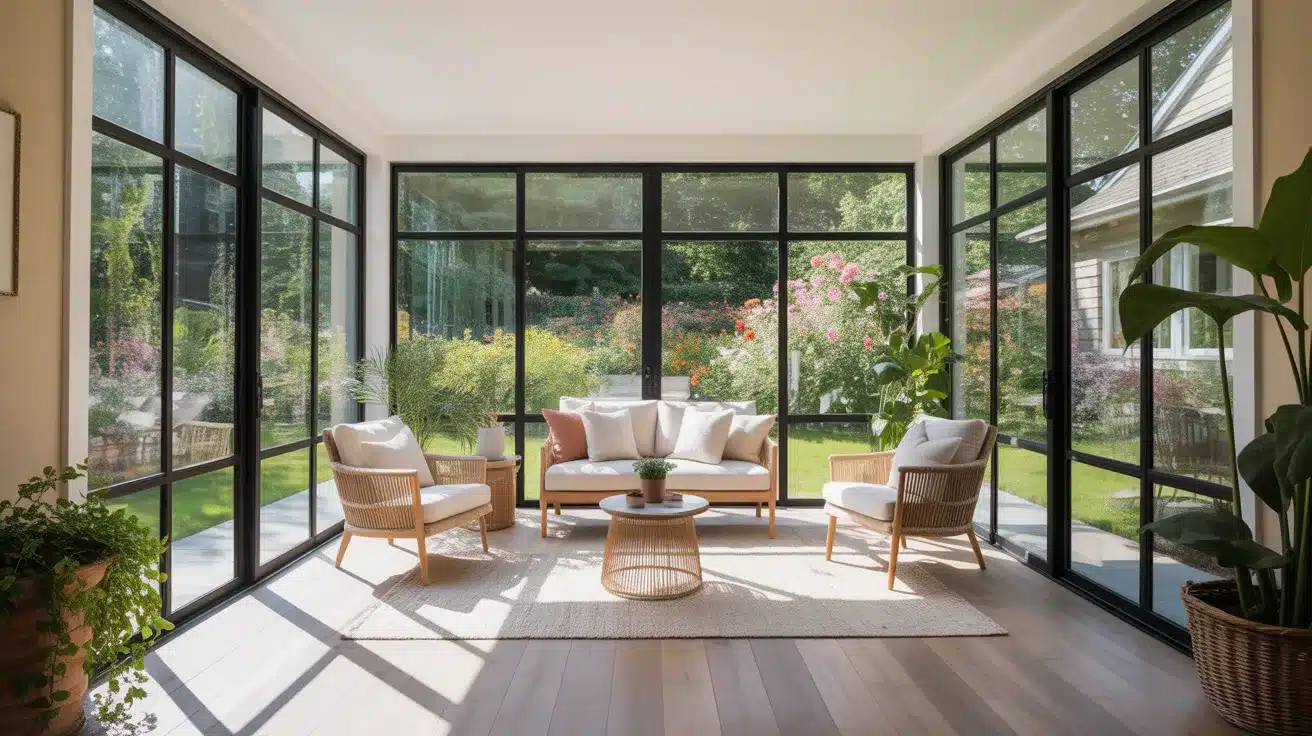
A -season room is a closed space attached to your home that you can use in spring, summer, and fall. It usually has large windows or screens that let in fresh air and natural light while keeping out bugs and rain.
This type of room is not insulated and does not connect to your home’s heating or cooling system. Because of that, it can feel too cold in winter and too warm during peak summer days. Still, it works well when the weather is mild.
Most people build it on an existing porch, deck, or patio to add extra living space without the high cost of a full home addition. It gives you a simple way to sit, relax, or spend time with family while staying protected from outdoor elements.
You may also see it called a three-season sunroom, porch enclosure, or seasonal room. All refer to the same basic structure: glass or vinyl windows, a roof, and a frame, but no HVAC connection and minimal insulation.
From what I have seen in real setups, people tend to use this space the most during mild weather. Comfort plays a big role in how often it gets used.
Cost of a 3 Season Room
You need a clear price idea before planning anything. Costs vary based on size, materials, and labor, so understanding each part helps you avoid budget surprises.
1. Average Cost Range
A 3-season room usually costs between $8,000 and $50,000 based on build type and finish level. Basic screen or vinyl panel setups stay closer to the lower end, while glass-enclosed rooms with custom framing, upgraded windows, and contractor labor move toward the higher range.
In many real quotes, most homeowners land between $15,000 and $30,000 for a standard mid-size room with decent materials. If you choose premium windows, insulated flooring, or a custom roofline, the total can rise quickly. This range gives you a realistic starting point before you compare designs, materials, or contractor bids.
2. Cost By Size
Room size plays a direct role in how much you spend. Here is a realistic cost range by size based on current contractor data:
| Size | Estimated Cost Range | Best For |
|---|---|---|
| 8 x 8 ft | $5,000 – $15,000 | Small reading nook or transition space |
| 10 x 10 ft | $8,000 – $23,000 | Small seating setups |
| 12 x 12 ft | $12,000 – $28,000 | Seating plus a dining table |
| 14 x 14 ft | $15,000 – $45,000 | Comfortable multi-use space |
| 16 x 20 ft+ | $25,000 – $60,000+ | Full living or entertaining room |
As size increases, costs rise due to added framing, roofing, flooring, and installation time. Choosing the right size early helps you balance comfort and budget without needing costly changes later.
3. Cost Per Square Foot
The average cost per square foot ranges from $80 to $200, depending on how the room is built. Prefab systems made from aluminum or vinyl usually fall between $80 and $130 per square foot, making them a budget-friendly option.
Custom-built rooms with wood framing, better windows, and upgraded finishes often range from $150 to $200 or more. This pricing model helps you compare contractor quotes more accurately. Instead of focusing only on total cost, you can see how much you are paying for each part of the build and adjust your choices accordingly.
4. What Affects the Cost
The final price depends on several key decisions. Frame material has a major impact, with wood costing more upfront and requiring maintenance over time, while aluminum and vinyl offer lower upkeep. Window choice also changes pricing. Single-pane glass costs less, while double-pane or upgraded systems increase comfort but raise the total.
Labor rates vary based on location and can shift your budget significantly. In some areas, labor alone can add 20 to 40 percent to the total cost. Site preparation also matters, especially if your existing structure needs reinforcement before installation begins.
Roof design is another cost variable that often gets underestimated. A simple shed roof is the most affordable option. A gable or hip roof that matches your home’s existing roofline will cost 20 to 30 percent more but looks significantly better and is more resistant to water pooling and debris buildup over time.
5. Hidden Costs Most People Miss
Many budgets fail because extra costs are not planned early. Permits are often required and can vary by location. Electrical work adds cost if you install lighting, fans, or outlets. Flooring upgrades may also be needed if your current surface is not suitable for daily use.
Furniture and setup costs can easily add another 10 to 20 percent to your total budget, especially if you choose durable outdoor materials. Smaller items like shades, screens, and weather protection features also increase the final cost over time. Planning for these early helps you avoid unexpected expenses later.
Is a 3 Season Room Worth the Cost?
A 3-season room can be worth the cost if it matches how you plan to use your space. It gives you an extra living area at a lower price than a full home addition. Many people use it for relaxing, dining, or spending time with family while staying protected from bugs and light weather.
From a resale perspective, most homeowners recover 50 to 65 percent of the build cost, and homes with 3-season rooms tend to receive more buyer interest in moderate climates. One real-world detail worth knowing: rooms built with proper permits and quality materials return significantly more at resale than unpermitted or budget builds
However, it is not ideal if you need year-round use. Cold winters and very hot summers can limit how often you use the room. If you want a simple space for mild weather, it works well. If you need full comfort in all seasons, you may need a different option.
3 Season Room vs. Other Options
A 3-season room, often called a 3 season sunroom, sits between a screened porch and a fully insulated room
You may feel confused choosing between similar options. A quick comparison helps you see the cost, comfort, and usage differences side by side.
| Feature | 3 Season Room | 4 Season Room | Screened Porch | Sunroom |
|---|---|---|---|---|
| Usage | Spring to fall | Year-round | Mostly warm weather | Varies (often similar to 3 seasons) |
| Insulation | No | Yes | No | Sometimes |
| Cost | Medium | High | Low | Medium to high |
| Temperature Control | Limited | Full heating/cooling | None | Limited to moderate |
| Protection | Full (glass + screens) | Full | Partial (screens only) | Full |
| Best For | Extra space at a lower cost | Full living space | Budget outdoor feel | Bright indoor space |
One practical tip worth knowing: if you’re considering a 3-season room but think you might want year-round use later, ask your contractor during the build to frame the walls for future insulation and rough in electrical for a mini-split. Doing that upfront adds little to the initial cost and can save thousands on a future conversion.
Each option serves a different need. Your choice depends on budget, climate, and how often you plan to use the space.
Practical Design Ideas for Your 3-Season Room
You want a setup that feels useful every day. Focus on layout, placement, and materials that handle weather and regular use without extra effort.
1. Cozy Reading Nook
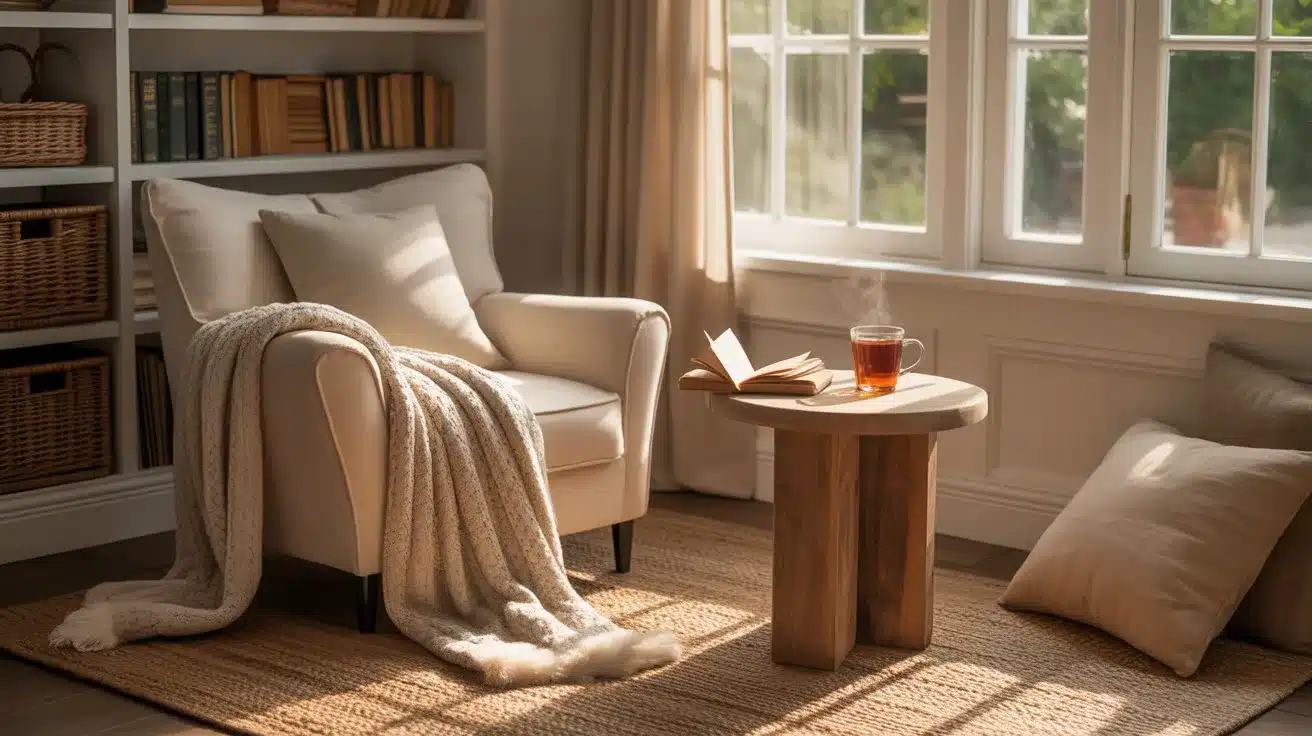
Transform a corner into a cozy reading nook with a comfortable chair, soft lighting, and a small side table. Add shelves or baskets for books and blankets. Keep the space simple yet inviting by using soft textiles like throw blankets and pillows.
A small rug can define the area, making it the perfect spot to relax and enjoy your favorite book. Natural light can improve the peaceful atmosphere, creating a cozy retreat during mild weather.
2. Multi-Purpose Seating Area
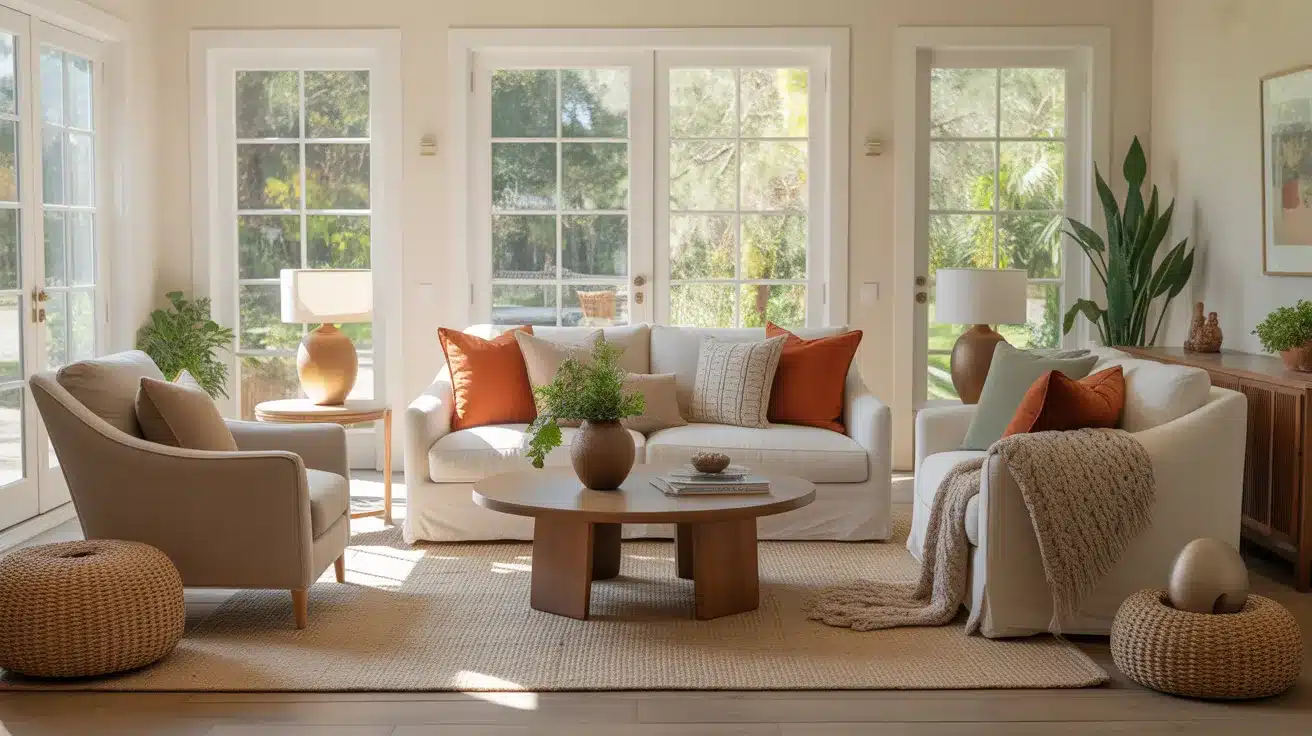
Create a versatile seating area with a sofa, armchairs, and a coffee table. This layout works well for both relaxing and entertaining. Arrange the furniture in a way that allows easy movement and conversation.
A mix of cushions and throws can add comfort and style. Keep the space clutter-free by using hidden storage in tables or benches. This flexible setup allows you to adapt the space for lounging, reading, or hosting small gatherings with friends and family.
3. Indoor/Outdoor Dining Area
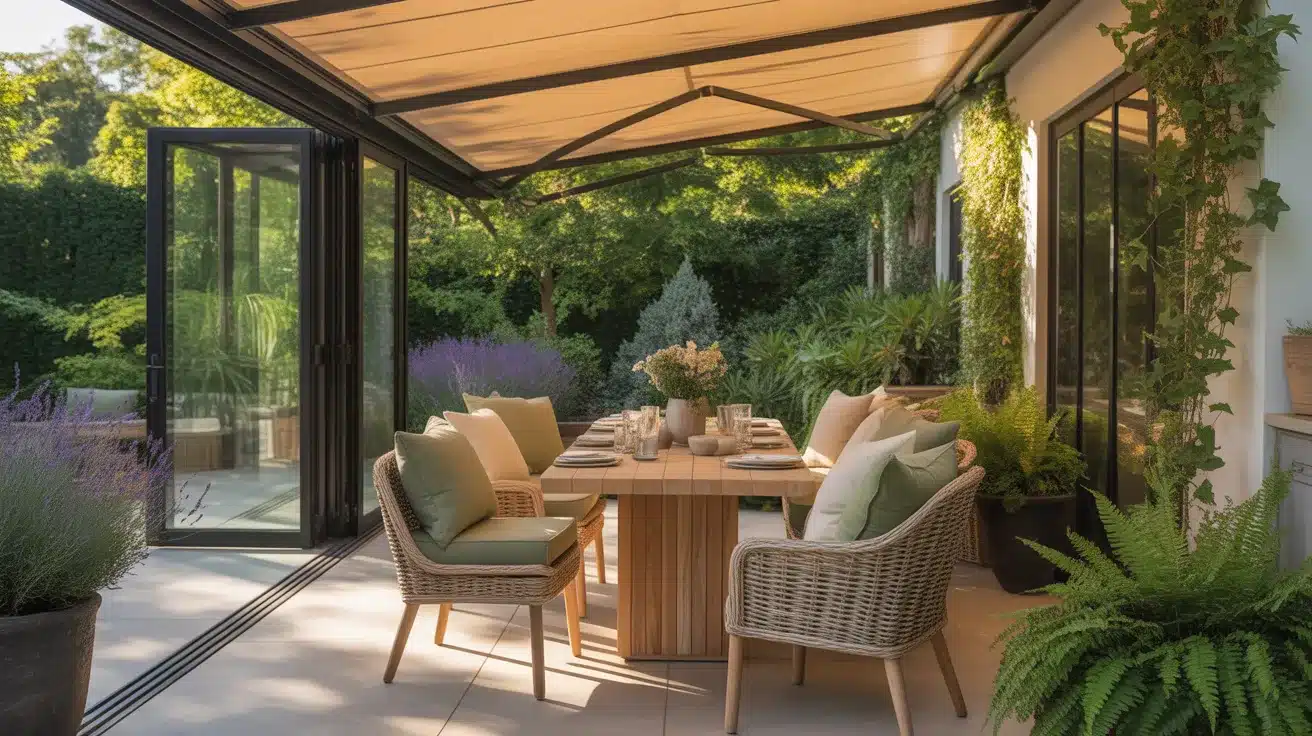
Design an indoor/outdoor dining area that blends seamlessly with your backyard or garden. Choose a compact dining table and comfortable chairs that can withstand weather changes. Use retractable or removable shades to adjust light and protect from rain.
Decorate with plants or flowers that complement the outdoor view. This setup provides a perfect spot for meals or casual gatherings, enjoying both indoor comfort and the feeling of being outdoors in the pleasant seasons.
4. Flowing Lounge with Natural Elements
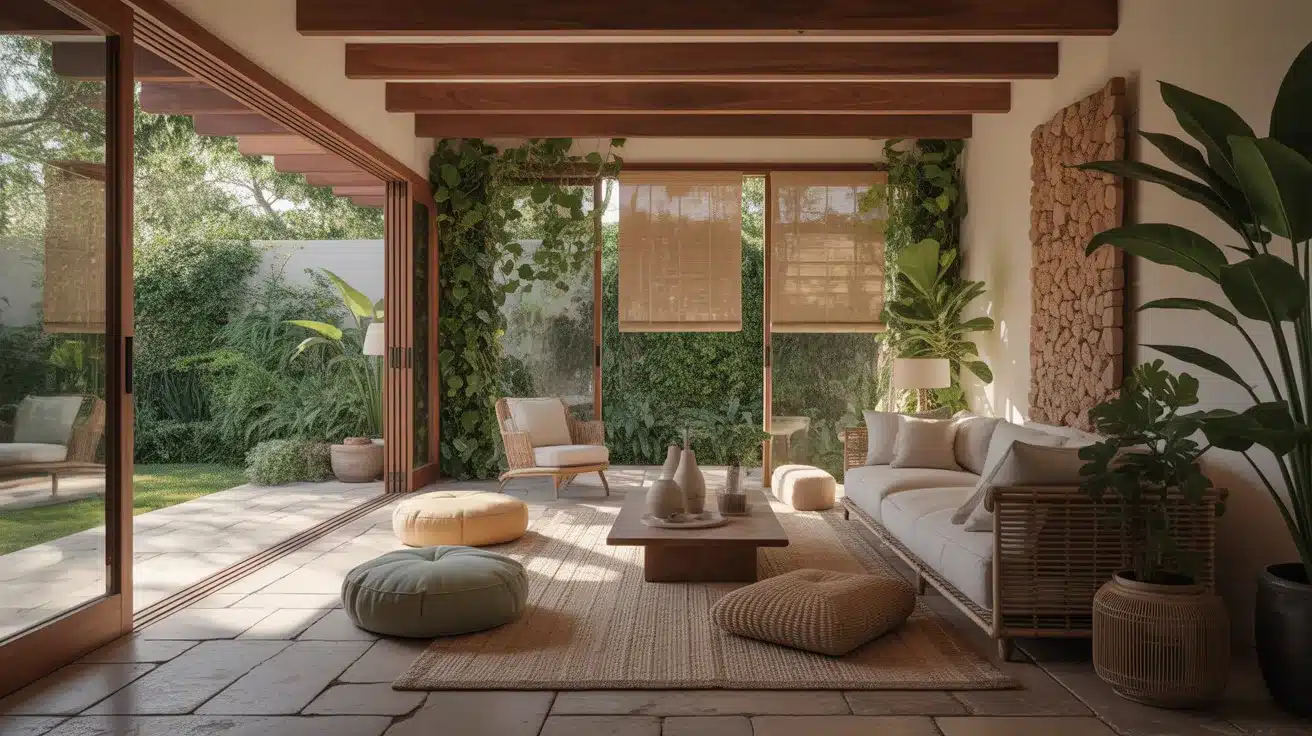
Incorporate natural materials like wood, stone, and woven furniture for a tranquil lounge area. Place plants and greenery around the room to connect with the outdoors. A combination of floor cushions and a low-profile table creates an inviting, relaxed vibe.
Include large windows or glass doors that open directly to your garden, enhancing the indoor-outdoor flow. The natural elements and open layout bring a sense of calm, making the space perfect for unwinding or enjoying nature’s beauty.
Another way to make the room feel more cohesive is to repeat similar textures inside and outside the space. Wood, rattan, linen, brick, and textured wall finishes can all help the room feel warmer and more in tune with the surrounding garden. For example, cultured stone for indoor and outdoor spaces can be used on an accent wall, fireplace surround, or garden-facing feature to create a smooth transition between the three-season room and the rest of the home.
These choices can also make the space feel more finished without taking away from its relaxed, open feel. When materials are chosen with both comfort and durability in mind, the room becomes easier to enjoy throughout different seasons.
How to Build or Convert One
You can either upgrade an existing space or start fresh. Follow these steps to plan, build, and finish your 3-season room properly.
- Check your existing space: Look at your porch, deck, or patio to see if it can support a closed structure. Decks must typically support 50 to 60 lbs per square foot. If yours is more than 10 to 15 years old or shows any signs of soft wood or rot, get a structural inspection before anything else.
- Plan the size and layout: Decide how much space you need and how you will use it daily.
- Choose materials: Pick frame type, windows, and flooring based on budget and weather conditions. Prefab aluminum or vinyl kits are roughly half the cost of stick-built wood-frame construction and are faster to install.
- Get permits if needed: Most municipalities require a building permit for this type of structure. Contact your local building department before construction starts. Skipping this step can cause issues at resale and may require expensive corrective work.
- Build the structure: Install framing, windows, and roof carefully to ensure stability and safety.
- Add finishing touches: Set up flooring, lighting, and furniture to make the space ready for use.
Pros and Cons
You should weigh both sides before deciding. This helps you understand what you gain and what limitations you may face over time. These make a 3-season room a popular choice for many homeowners looking for extra space without high costs.
| Pros | Cons |
|---|---|
| Lower cost than full addition | Not usable year-round |
| Extra usable space | Temperature control issues |
| Outdoor feel with protection | Maintenance over time |
| Faster build timeline than a full room addition | Does not count as official square footage for appraisal |
| Can increase buyer interest in moderate climates | May feel underused in extreme climates |
| Can be upgraded to a 4-season room with proper planning | Limited comfort during very hot or very cold weather |
This can affect long-term use, so it’s important to match your expectations with what this type of space can offer.
Furniture and Setup Tips
The right setup makes your space easier to use daily. Focus on comfort, durability, and flexibility so the room stays useful in different weather.
- Choose furniture that handles moisture and sunlight, so it lasts longer without damage or frequent replacement.
- Use surfaces that wipe clean quickly, saving time and keeping the space neat with minimal effort.
- Arrange furniture so you can move things easily and adjust the space for relaxing, dining, or small gatherings.
- Add simple storage like benches or shelves to keep items organized and reduce clutter in your space.
- Avoid upholstered cushions without UV-resistant or outdoor-rated fabric. Even indirect sun exposure fades standard indoor fabric within one season in most climates
Does a 3 Season Room Add Value to Your Home?
A 3-season room can add value to your home, but the impact depends on how well it is built and how useful it feels.
If the space is designed properly, matches the style of your home, and feels like a natural extension, it can make your property more appealing to buyers. Many people like the idea of extra living space without the cost of a full addition.
According to contractor and real estate data, most homeowners recover 50 to 65 percent of the build cost at resale when the room is properly permitted and built to a quality standard.
Homes with 3-season rooms tend to receive more buyer showings and sell faster in markets where outdoor living is valued. The best return happens in moderate climates where the room can be used eight to ten months per year. However, it does not always increase value as much as a fully insulated room.
One detail worth knowing: a 3-season room does not typically add to your home’s appraised square footage the way a fully conditioned room addition does. That distinction matters if you are comparing it to a 4-season build purely on resale math.
Poor construction or low-quality materials can also hurt resale value. If you focus on good design, durability, and comfort, the room can still make your home stand out and feel more functional.
Common Pitfalls to Avoid
These pitfalls can reduce comfort and increase costs. Paying attention early helps you avoid problems that are hard to fix later.
- Ignoring the sun’s direction can make the room too hot during the day, reducing comfort and limiting how often you use the space.
- Without proper airflow, the room can feel stuffy in summer, making it uncomfortable and harder to enjoy for longer periods.
- Cheap materials may wear out quickly, leading to repairs and higher long-term costs than expected.
- Missing permits can cause legal issues, fines, or delays, especially if you plan to sell your home later.
- Choosing a contractor based on the lowest bid without checking for licensing, insurance, and references is one of the most common ways projects go wrong. Always ask for proof of insurance and at least two references from comparable sunroom projects.
- Building without thinking about a future upgrade path. If there’s any chance you’ll want year-round use, tell your contractor before construction starts so walls and electrical can be framed with conversion in mind.
Summing Up
A 3 season room can give you extra space without the high cost of a full home addition, but only if you plan it the right way. You’ve now seen how costs change based on size, materials, and setup, along with the hidden expenses that often get missed.
I always find that the best results come from keeping things simple and focusing on real use. If the space fits your needs and your climate, it can work well for everyday use.
Take what you’ve learned here and look at your own space and budget. If it feels like a good fit, start planning step by step and build something you’ll actually use.
If you’re still unsure, check out more guides or share your questions so you can move forward with confidence.