
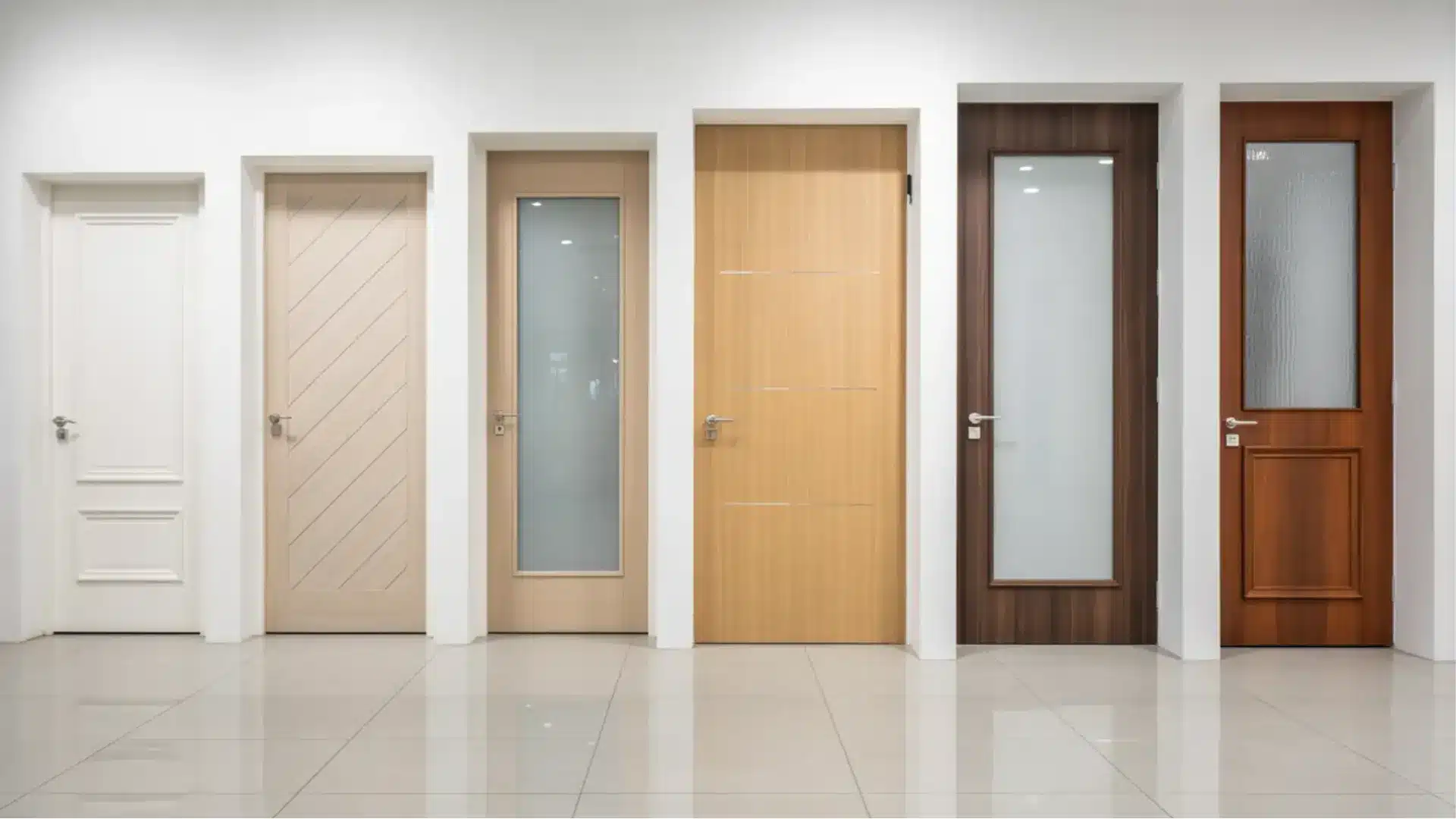
The wrong door height can make a perfectly renovated room feel completely off, and most people cannot explain why. I have seen it happen, and it is one of those things you cannot unsee once you notice it.
The average door height is one of those details that quietly shape how a space looks and feels. Builders and contractors think about it constantly, but as a homeowner, it is easy to overlook.
Knowing what the standard is helps you make better decisions if you are buying, building, or upgrading. Door height affects how a room looks, feels, and functions more than you would expect.
The Role of Door Height in Home Design
Door height plays a bigger role in how a room feels than most people realize. A taller door instantly makes a space feel more open and airy.
In living rooms, it draws the eye upward and adds a sense of grandeur without overdoing it. Bedrooms feel more relaxed and spacious with doors that match the room’s ceiling height.
Bathrooms benefit from taller doors too, especially in smaller spaces where every visual trick counts. If you are renovating, door height is worth planning early.
Changing doors after the fact can be costly and disruptive. Getting it right the first time makes the whole project smoother and the end result more cohesive.
What is the Standard Height of a Door?
If you have ever walked through a door without thinking twice, it was probably a standard height. In American homes, the most common door height is 80 inches, which works out to 6 feet 8 inches.
That measurement has been the go-to for decades, and most builders still follow it today. Entry doors sometimes run a little taller to make a stronger first impression. Interior doors and closet doors tend to stick closer to the standard.
Custom-built homes are a different story. Homeowners can request any height they want, but it will cost more. Knowing the standard helps you make smarter choices when buying, building, or renovating.
Common Door Heights in Different Types of Homes
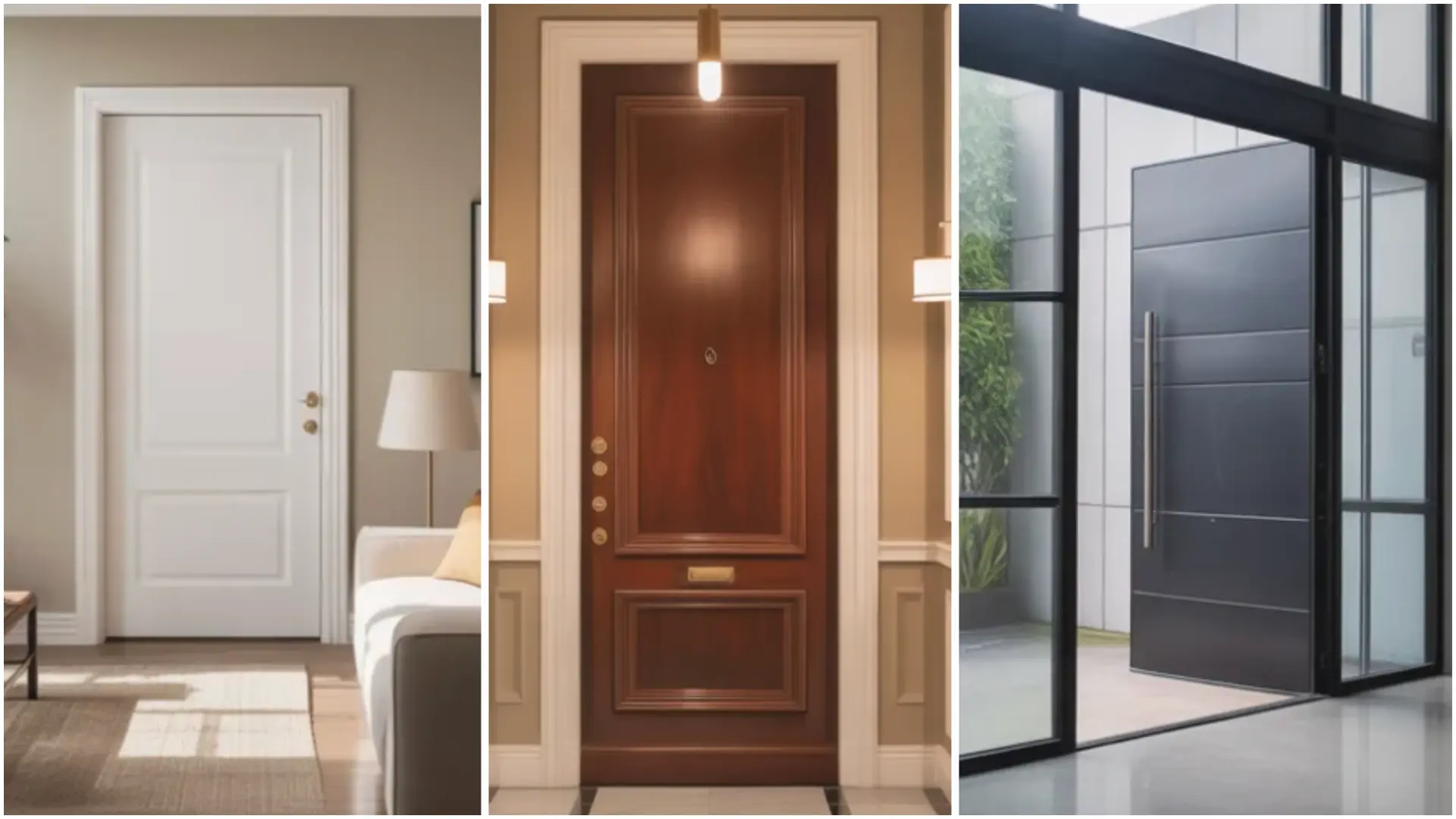
A lot of people ask how tall the doors are in different types of homes, and the answer is not as straightforward as you might expect. I have looked into this more than most, and the variation is genuinely surprising. Here is a look at how different homes approach door height:
1. Standard Homes
Most standard homes, like single-family homes, apartments, and condos, follow the same basic rule. The standard door height of 80 inches is used almost everywhere because it is practical, cost-effective, and meets building codes.
Builders default to this size because it works for most people without any extra thought. If you live in a typical home, there is a good chance every interior door is exactly 80 inches tall. Here is a quick look at the standard measurements you can expect:
- Interior doors: 80 inches tall and 28 to 32 inches wide.
- Exterior doors: 80 inches tall and 36 inches wide.
- Closet doors: 78 inches tall and 24 to 30 inches wide.
2. Historic Homes
Older historic homes often exceed the standard 80 inches. Doors in these properties can reach 84, 96, or even 108 inches, reflecting the architectural style of the eras in which they were built.
These taller doors were not just for looks; they also accommodated the higher ceilings common in older construction. Walking through one of these doors gives you an immediate sense of the home’s history and character. Here is what door measurements typically look like in historic homes:
- Interior doors: 84 to 96 inches tall and 32 to 36 inches wide.
- Exterior doors: 96 to 108 inches tall and 36 to 42 inches wide.
- Passage doors: 84 to 90 inches tall and 36 to 42 inches wide.
3. Custom Homes
Custom-built homes give homeowners full control over door height from the very start. If you want 84-inch doors throughout or a dramatic 10-foot entry door, the choice is entirely yours.
Taller doors in custom homes are often chosen to complement high ceilings and open layouts. It costs more than going standard, but the visual payoff and personal touch are usually well worth it. Here is a look at the typical door measurements found in custom builds:
- Interior doors: 84 to 96 inches tall and 32 to 36 inches wide.
- Exterior and entry doors: 96 to 120 inches tall and 36 to 42 inches wide.
- Sliding and barn doors: 84 to 108 inches tall and 36 to 72 inches wide.
What Affects Door Height?
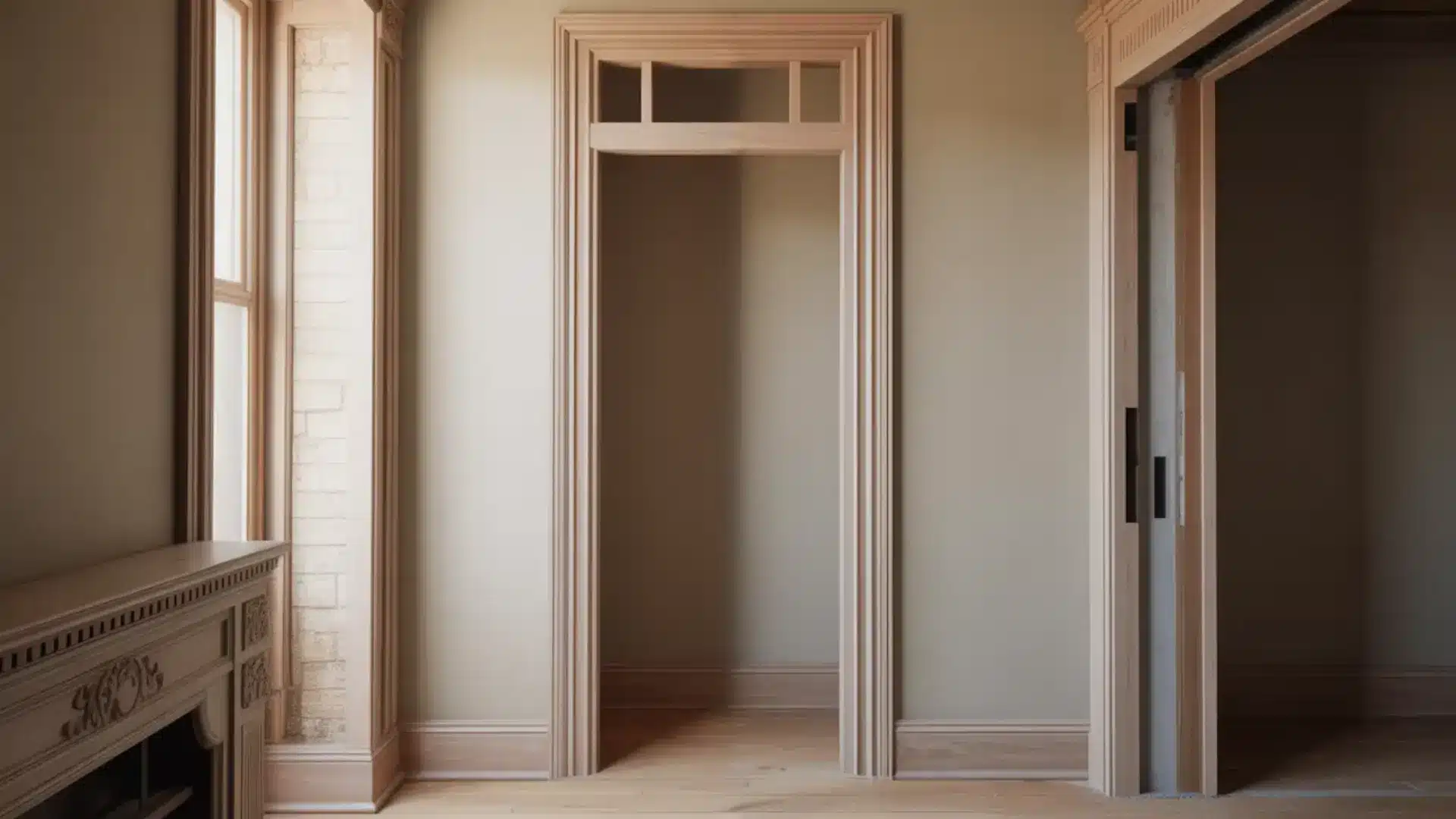
Door height is rarely a one-size-fits-all measurement; several structural and regional factors come into play. Before choosing or replacing a door, it helps to understand what actually determines the height you need:
- Ceiling Height: Taller ceilings typically call for taller doors to maintain visual balance and proper proportion.
- Home Age: Older homes often feature shorter doors (commonly 6’6″), while newer construction defaults to 6’8″ or taller.
- Door Frame and Trim: The surrounding frame and trim add to the overall height, meaning the rough opening must account for more than just the door slab.
- Architectural Style: Grand or formal entryways often feature taller doors, driven purely by aesthetic and design intent.
- Local Building Codes: Regional construction norms and code requirements can also dictate minimum and standard door height specifications.
Getting these measurements right from the start is something I wish more people prioritized; it saves time, money, and a poor fit later.
How to Measure Door Height for Your Renovation Project
Trust me, getting door measurements wrong is one of the costliest mistakes you can make in a renovation. Before you grab that tape measure, here is exactly what you need to do:
- Step 1: Measure the rough opening height from the subfloor to the top of the opening, not the finished floor.
- Step 2: Use a reliable tape measure and a level to ensure your measurements are straight and consistent.
- Step 3: Measure at least three points, left, center, and right, to account for any unevenness in the opening.
- Step 4: Subtract for clearances, factor in the door frame, threshold, and a small gap at the bottom.
- Step 5: Double-check every measurement before ordering or purchasing, as door returns and exchanges can be costly.
Follow these steps carefully, and you will avoid the most common measuring mistakes. A few extra minutes here can save you hours of rework and unnecessary expenses.
When a Standard Door Height Is Simply Not Enough?
Standard door heights work well for most homes, but they are not the only option. Sometimes a space calls for something different, and that is completely okay.
Taller doors work beautifully in rooms with high ceilings, open floor plans, or when you simply want a more dramatic look. Accessibility is another big reason people go custom.
Wider and taller doors make a real difference for wheelchair users or anyone with mobility needs. The main thing to keep in mind is cost.
Custom doors are significantly more expensive than standard ones. You will also need a contractor to modify the frame, which adds to the overall budget. But when done right, the result speaks for itself.
That’s a Wrap
By now, you have a solid understanding of the average door height across different homes and spaces. And honestly, I think it is one of those details more homeowners should pay attention to.
It is not just a number. It is a decision that affects your home’s design, comfort, and value. If you stick with standard or go custom, the key is making an informed choice that works for your space.
A door that fits right looks right and functions right. Do not leave it as an afterthought in your next renovation. Got a question about door heights in your home? Drop it in the comments below!