

Starting out in your own kitchen might spark a real love for making meals. Yet moving from there to running a food company takes way more than tasty dishes. Getting organized matters, along with smarter ways of working, plus tools built for heavy use – like those found in restaurant kitchens. Shifting gears like this isn’t simply tossing bigger batches together – it’s building speed, steady results, clean habits, and room to grow.
Home cooking shifts toward pro kitchens when skills grow beyond the basics. Yet stepping up means more than just better recipes. Practice builds confidence, which helps some move forward. Others learn by doing things differently each time. Mistakes happen often before patterns start making sense. Tools change, routines adapt, space gets reorganized slowly.
Understanding the Shift from Home Kitchen to Professional Setup
Out here, thinking shifts fast when swapping home stoves for industrial spaces. Cooking by feel gives way to timed, repeatable routines. Menu ideas need tighter structure, backed by smooth movement through tasks. Commercial Kitchen Equipment choices? They’ve got to keep pace – built strong, tested tough, ready every single day.
What keeps professional kitchens running safely? Rules around hygiene, how ingredients are kept, plus cooking practices stick to set guidelines. Equipment built just for eateries steps in right here. Without it, meeting those rules gets tricky.
Scaling Recipes for Large Production
Scaling meals beyond the household hits snags fast. What bakes just right for four people often falls apart when you’re feeding a crowd.
Every dish turns out identical when recipes stay fixed across uses. What matters most is weighing each item without guesswork. Timing shifts happen only after careful checks. Uniform taste comes from strict adherence in busy settings.
Out there in busy kitchens, heavy-duty gear like big mixers, machines that chop fast, along with wide pots makes the job smoother. Because of these items, meals come out just alike every time, even when making huge amounts. When a restaurant skips proper tools, trying to make larger batches often ends up uneven.
Importance of Workflow and Kitchen Layout
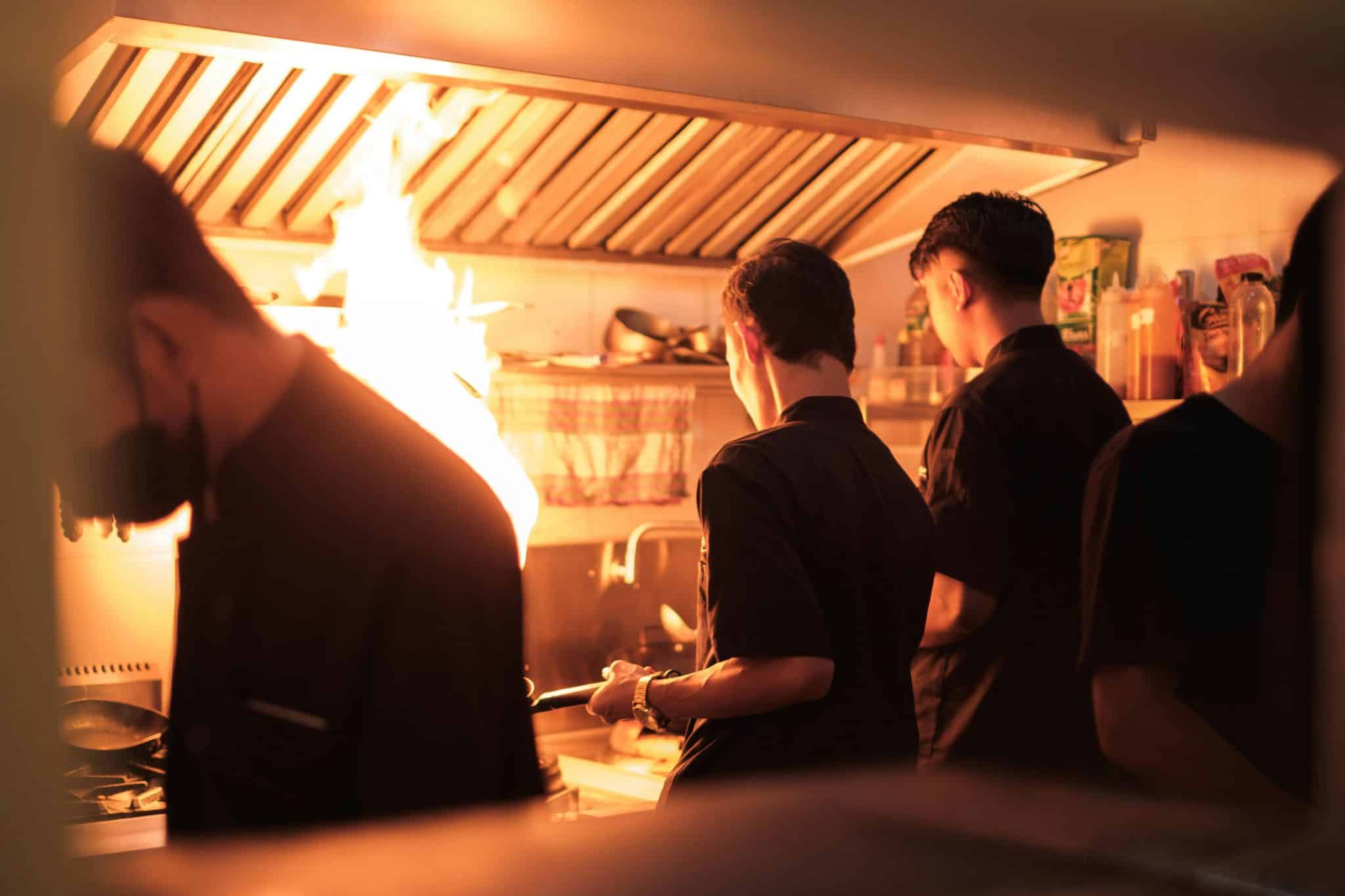
Every inch matters when arranging a kitchen. At home, areas tend to be small, yet used in relaxed ways. Professional setups map out each step ahead of time.
Starting off, spaces are set aside for prepping, heating food, arranging dishes, then washing up. Because everything has its spot, mix-ups happen less often, which also means fewer slips or burns along the way.
Out here in the real kitchen world, smart gear placement makes tasks move faster. Picture cold storage sitting just steps from where meals get built – less walking, more doing.
The Maintaining Quality and Consistency
What makes pro kitchens different? It is how things stay the same. Each time someone orders and they get that familiar flavor. The look on the plate never changes either.
Few things matter more than gear that worksof the same way every single time. When routines follow a clear pattern and machines keep up without failing no matter if they run nonstop or just now and then.
One key piece of the puzzle? Staff training. Each person on the team needs a clear grasp of how dishes come together, step by step. When kitchen tools work reliably, mistakes happen less often.
The Food Safety and the Hygiene Standards
What happens behind the scenes in a restaurant kitchen often comes down to one thing – staying safe. At home, people might skip steps, yet that freedom disappears once you step into a paid setup. Following the law isn’t optional when meals go out every hour. Rules tighten because mistakes can spread fast here.
Freshness holds up better when spaces stay clean, cool spots keep food safe. Machines built for heavy work – like freezers that never quit, sinks blasting hot water – make the difference here. Cold air moves right, surfaces get scrubbed down, problems avoid showing up at all.
A fresh start means cleaner kitchens when tools meet health standards. Because safety grows where proper gear operates, fewer risks show up later.
Cost Management and Investment in Equipment
Bigger operations mean thinking ahead about money. When you pick the right cooking tools for your business, costs add up – still, it’s what keeps things running well later on.
Fewer repairs happen when strong, smart tools are picked for food service work. Smooth days come from gear that keeps going, never quitting mid-task.
Messy storage? That gets fixed fast when cooks count every item twice daily. Machines hum at full power only because someone planned each move around saving time instead of wasting it.
Adapting to Customer Demand
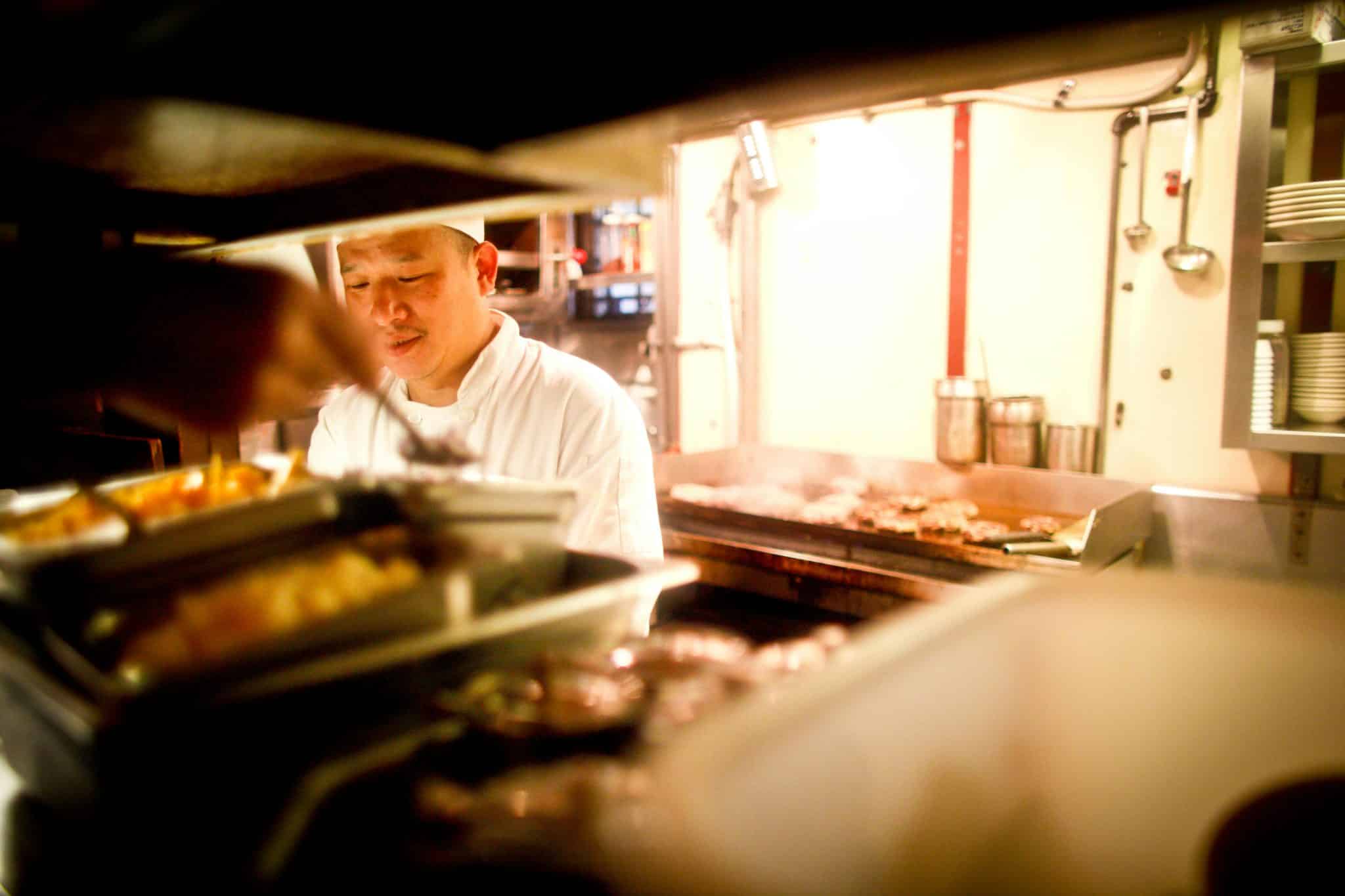
A home kitchen moves to the rhythm of taste alone. Yet behind Equipment for Restaurant doors, what people order shapes every choice made.
A menu works best when it fits what people want, yet still makes sense to cook in big batches. Creativity matters, though getting things done fast can’t be ignored.
Starting fast doesn’t mean skipping new ideas – kitchen tools today keep pace without slowing creativity down. When tastes shift, the right gear changes smoothly along, staying useful even as menus evolve.
The Technology and Automation in Modern Kitchens
Out in the open now, tech shapes how modern kitchens are run each day. Because of automated systems, tasks move faster without extra effort. With digital gear in place, cooking spaces handle more work smoothly.
Fresh numbers show ovens now listen before they heat. Machines take turns instead of guessing, leaving people time to focus elsewhere.
Conclusion
Moving from your kitchen at home into a pro setup changes everything. Suddenly, how you think matters just as much as what you cook. New gear becomes necessary, not optional. Efficiency takes center stage when speed counts. Consistency stops being a goal – it is expected.
Starting strong means having gear that holds up when things get busy. What matters most? Machines built tough enough to handle constant use without failing. Picture this: ovens firing nonstop, fridges running day and night – only solid units survive that grind. When everything works smoothly, meals come out right every single time. Consistency shows up not by accident, but because tools deliver the same performance shift after shift. It’s not just about speed; it’s how well each piece supports repeatable results. Success grows quietly behind the scenes where durable setups run without drama.
A dream of cooking can become real when someone learns what a busy kitchen needs. With careful steps forward, passion finds its place behind the stove. When preparation meets purpose, a career begins without noise or show.