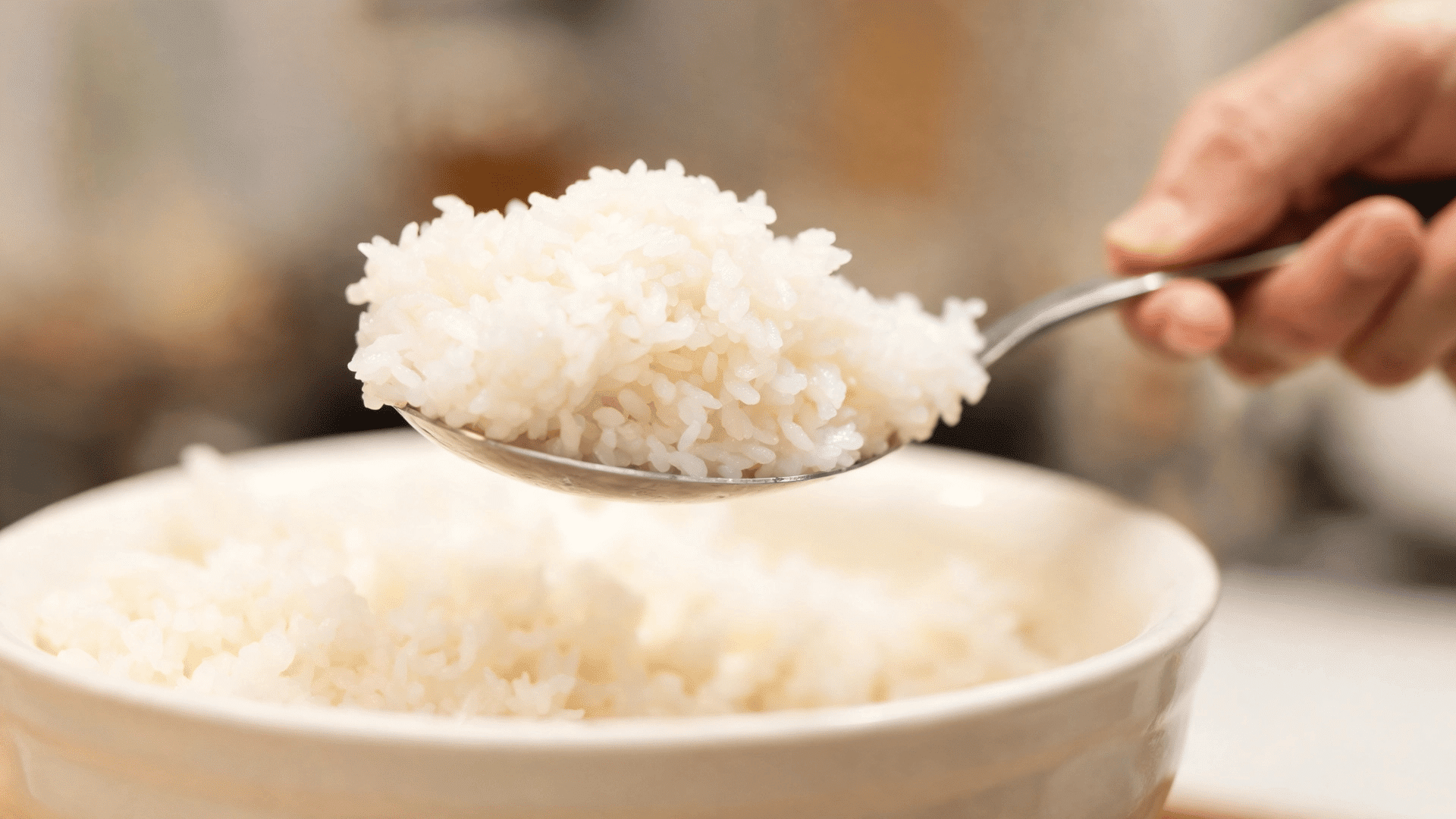

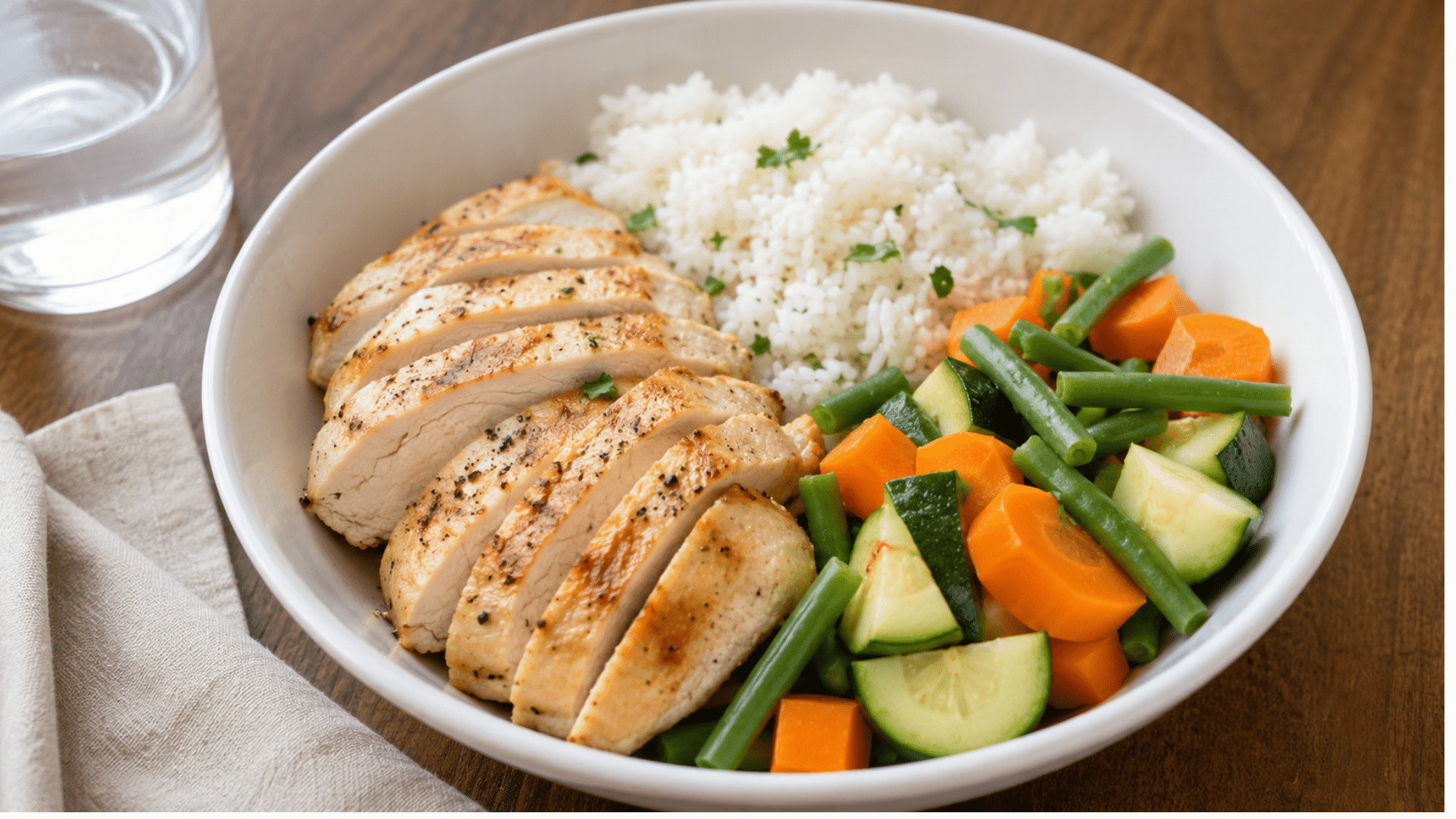
Stomach ulcers can make everyday meals harder than they should be.
I’ve found that keeping food simple and choosing ingredients that are gentle on the stomach can make eating feel much less stressful.
A balanced meal plan can take some of the guesswork out of deciding what to eat each day.
You’ll also find practical food choices and everyday eating tips to support your recovery.
Remember that while healthy eating may help reduce discomfort, it works best alongside the treatment your doctor recommends.
What to Eat on an Ulcer Diet?
Eat soft, low-fat foods that are easy to digest, including lean proteins, whole grains, non-acidic fruits, and cooked vegetables. These foods are less likely to irritate the stomach and can help reduce ulcer-related discomfort.
Choose oatmeal, bananas, rice, skinless chicken, fish, eggs, tofu, mashed potatoes, applesauce, pears, melon, and steamed vegetables. Plain yogurt with live cultures may also be suitable if dairy is well tolerated.
Prepare meals by baking, steaming, boiling, or poaching instead of frying. Eating smaller meals throughout the day may also help keep the stomach more comfortable.
Diet supports symptom management but should be combined with medical treatment when needed.
Foods to Avoid With Stomach Ulcers
Some foods and drinks can irritate the stomach lining or increase acid production, making ulcer symptoms worse. Avoiding common triggers may help reduce discomfort while the ulcer heals.
- Spicy Foods
- Fried Foods
- Citrus Fruits
- Tomato Products
- Alcohol
- Coffee and Caffeinated Drinks
- Chocolate
- Pepper and Strong Seasonings
- Cured and processed meats
- Pickled vegetables and refined grains
7-Day Meal Plan for Ulcers
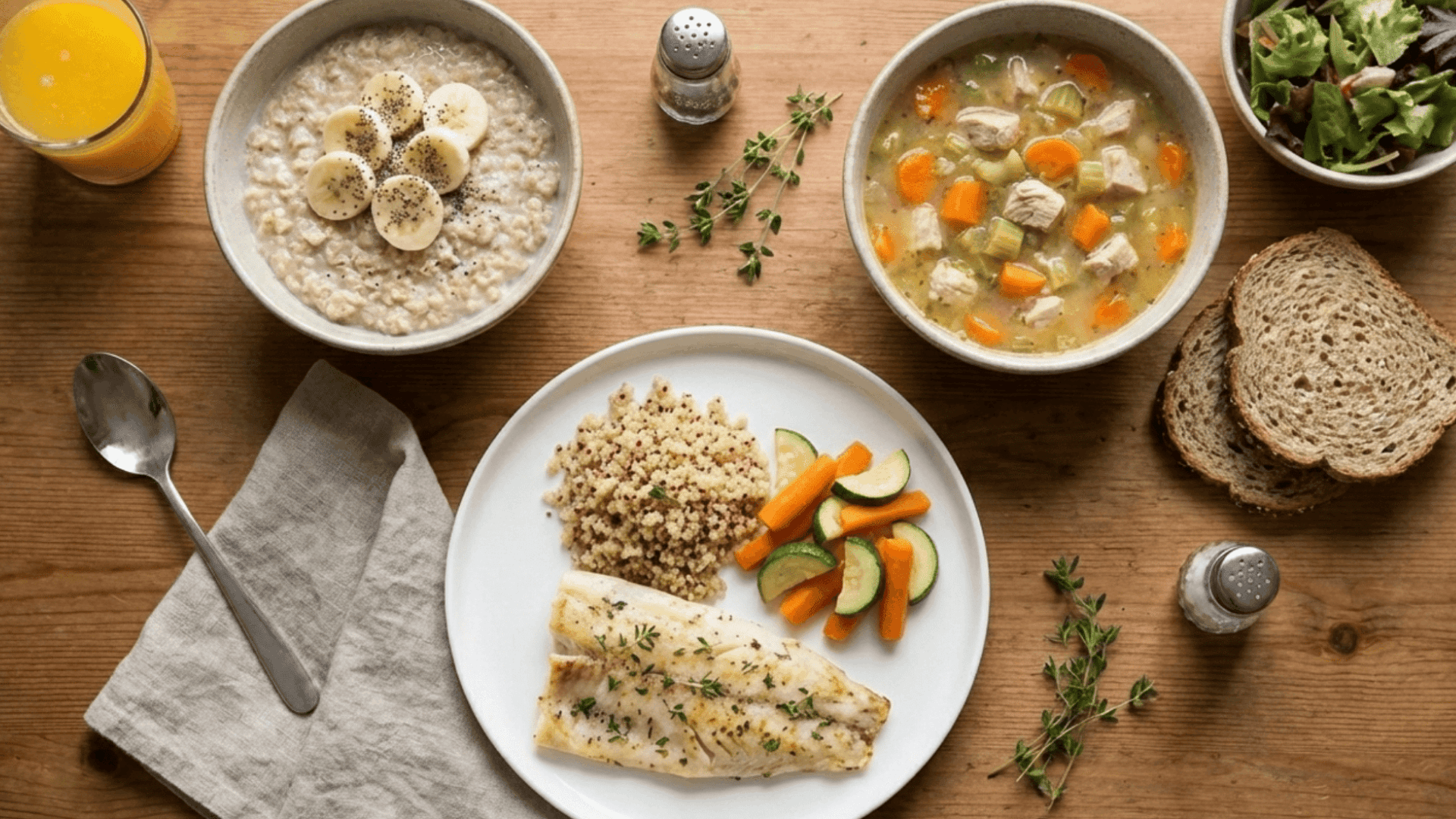
Each day combines balanced meals with gentle ingredients that provide protein, fiber, and nutrients while avoiding common triggers. Adjust portion sizes based on your appetite, and eat smaller meals throughout the day if that feels more comfortable.
Day 1: Soft, Simple, and Easy to Start
Soft foods are often the easiest choice when ulcer symptoms are bothering you. This menu combines oatmeal, lean protein, rice, and cooked vegetables that are gentle on the stomach while still providing balanced nutrition.
The meals are simple to prepare and avoid ingredients that commonly trigger irritation.
| Meal | Foods |
|---|---|
| Breakfast | Oatmeal with banana and a small drizzle of honey |
| Lunch | Chicken and rice soup with soft whole-grain bread |
| Snack | Applesauce or a ripe pear |
| Dinner | Baked white fish with rice and steamed carrots |
| Dessert | Plain yogurt, if tolerated |
Day 2: Light Meals With Steady Protein
Lean protein can help create satisfying meals without adding excess fat or heavy ingredients.
Eggs, turkey, and baked chicken pair well with soft grains and cooked vegetables, making each meal filling while remaining easy to digest. Mild seasoning helps keep the menu stomach-friendly.
| Meal | Foods |
|---|---|
| Breakfast | Scrambled eggs with soft whole-grain toast |
| Lunch | Turkey sandwich with lettuce and cucumber on soft bread |
| Snack | Banana or plain crackers |
| Dinner | Baked chicken with mashed potatoes and steamed green beans |
| Dessert | Baked pear with a little cinnamon |
Day 3: Gentle Fiber and Warm Meals
Warm meals and soft grains can feel more comfortable than heavily processed or fried foods.
This menu includes cooked vegetables, rice, and lean protein while introducing lentils as an optional source of fiber. If beans cause bloating, a simple chicken soup makes an easy substitute.
| Meal | Foods |
|---|---|
| Breakfast | Cream of wheat with banana slices |
| Lunch | Mild lentil soup or chicken soup with whole-grain crackers |
| Snack | Melon or plain yogurt |
| Dinner | Tofu with rice and cooked zucchini |
| Dessert | Applesauce |
Day 4: Soft Foods With More Variety
Adding different protein sources keeps meals interesting without making them harder to tolerate.
Yogurt, tuna, and turkey provide variety, while mashed potatoes, rice, and cooked carrots help maintain a balanced plate. Plain foods with mild flavors remain the best choice for an irritated stomach
| Meal | Foods |
|---|---|
| Breakfast | Plain yogurt with melon or scrambled eggs with toast |
| Lunch | Tuna with rice or soft greens and mild dressing |
| Snack | Cottage cheese or a ripe pear |
| Dinner | Turkey patties with mashed potatoes and cooked carrots |
| Dessert | Plain yogurt with honey |
Day 5: Easy Prep-Ahead Meals
Preparing meals in advance makes it easier to stick with an ulcer-friendly eating plan throughout the week.
Simple combinations of lean protein, cooked vegetables, and soft grains can be stored and reheated without losing their nutritional value.
Keeping ready-to-eat meals on hand may also reduce the temptation to choose foods that trigger discomfort.
| Meal | Foods |
|---|---|
| Breakfast | Oatmeal with banana or yogurt with melon |
| Lunch | Chicken rice bowl or mild chicken soup with soft bread |
| Snack | Cucumber slices, crackers, or yogurt |
| Dinner | Baked white fish with sweet potato and cooked vegetables |
| Dessert | Melon or applesauce |
Day 6: Low-Effort Meals That Still Feel Filling
Simple recipes can still provide balanced nutrition when they include lean protein, cooked vegetables, and easy-to-digest carbohydrates.
Mild herbs add flavor without relying on spicy seasonings, while soft textures help keep meals comfortable to eat. These options work well on busy days with minimal cooking.
| Meal | Foods |
|---|---|
| Breakfast | Toast with egg or oatmeal with banana |
| Lunch | Simple chicken noodle soup with soft bread |
| Snack | Cottage cheese with pear or plain crackers |
| Dinner | Tofu or lean chicken with baked potato and sautéed zucchini |
| Dessert | Light yogurt, if tolerated |
Day 7: Easy Meals You Can Repeat
An ulcer-friendly eating pattern is often easier to maintain when meals are practical and familiar.
Lean proteins, cooked vegetables, soft fruits, and whole grains make up the same bland diet foods used for nausea and post-surgery recovery, and they can be mixed and matched well beyond this meal plan
Repeating these meal ideas may help support long-term stomach comfort.
Disclaimer: This meal plan is for general educational purposes and is not a substitute for medical advice, diagnosis, or treatment. If you have a stomach ulcer or ongoing digestive symptoms, follow the treatment plan recommended by your doctor and ask about any dietary changes.
| Meal | Foods |
|---|---|
| Breakfast | Eggs with melon or oatmeal with banana |
| Lunch | Mild turkey wrap or rice bowl with chicken and cooked vegetables |
| Snack | Applesauce, crackers, or a ripe pear |
| Dinner | Baked fish with rice and steamed vegetables |
| Dessert | Plain yogurt or baked apple |
Best Drinks to Include During the Ulcers’ Meal Plan
Choosing gentle, non-acidic drinks can help keep you hydrated without irritating an ulcer. Plain beverages with little or no added sugar, caffeine, or carbonation are generally the most stomach-friendly options.
| Drink | Why It’s a Good Choice | Notes |
|---|---|---|
| Water | Keeps the body hydrated without irritating the stomach. | Sip throughout the day instead of drinking large amounts at once. |
| Low-Fat Milk* | Provides protein and calcium and may feel soothing for some people. | Best consumed in moderation, as large amounts may increase stomach acid in some individuals. |
| Herbal Tea (Caffeine-Free) | Chamomile or ginger tea may be gentle on the stomach. | Avoid peppermint tea if it worsens symptoms. |
| Coconut Water | Helps with hydration and contains natural electrolytes. | Choose unsweetened varieties without added flavors. |
| Low-Acid Smoothies | Made with banana, oats, and low-fat yogurt for extra nutrients. | Avoid citrus fruits and large amounts of added sugar. |
| Diluted Apple Juice | Lower in acidity than many fruit juices when diluted with water. | Drink small portions and stop if it causes discomfort. |
| Warm Water | Easy on the stomach and supports hydration. | A good option between meals if plain cold water feels uncomfortable. |
*Milk may temporarily relieve discomfort for some people but is not considered a treatment for ulcers. Individual tolerance varies.
Can Certain Foods Help Ulcers Heal?
Yes, some foods may support ulcer healing by reducing irritation and providing nutrients needed for recovery. However, no single food can heal an ulcer on its own or replace medical treatment.
Foods such as oatmeal, bananas, cooked vegetables, lean chicken, fish, yogurt with live cultures, and high-fiber whole grains are generally well tolerated and can be part of an ulcer-friendly diet.
Probiotic foods may also support gut health during treatment for H. pylori, the bacterial infection behind many ulcers and the focus of a 7-day H. pylori diet menu built around similarly gentle foods.
If certain foods worsen symptoms, avoid them even if they are considered healthy.
Following prescribed medications along with a balanced diet offers the best chance for ulcer healing.
Simple Meal Prep Tips for the Week
A little preparation at the start of the week can make it easier to follow an ulcer-friendly meal plan. These simple habits save time and help you keep gentle, ready-to-eat meals on hand.
- Prepare a large batch of rice, oatmeal, or mashed potatoes and divide it into portions for quick meals throughout the week.
- Bake or poach several chicken breasts at once, then slice or shred them for easy lunches and dinners.
- Wash and cut melon, pears, or other non-acidic fruits so they’re ready to eat whenever you need a snack.
- Cook a batch of stomach-friendly vegetables and store them in individual containers for easy meal assembly.
- Keep plain crackers, applesauce, and plain yogurt (if tolerated) available for days when cooking feels like too much
When to See a Doctor for an Ulcer?
See a doctor if ulcer symptoms last longer than a few days, keep returning, or become more severe. Immediate medical care is needed for symptoms such as vomiting blood, black or tarry stools, severe abdominal pain, or dizziness.
While an ulcer-friendly meal plan may help reduce discomfort, it cannot treat the underlying cause of an ulcer.
Many stomach ulcers are linked to Helicobacter pylori infection or long-term use of nonsteroidal anti-inflammatory drugs (NSAIDs), which often require prescription treatment.
A healthcare provider can confirm the diagnosis and recommend appropriate medications, including antibiotics or acid-reducing medicines if needed.
Early treatment lowers the risk of complications such as bleeding, perforation, or blockage and supports proper healing.
Don’t ignore symptoms that continue despite making dietary changes. Persistent stomach pain or recurring discomfort should always be assessed by a healthcare professional.
Frequently Asked Questions
Can I follow this ulcer meal plan if I am vegetarian?
Yes, but lean on gentle protein sources like tofu, soft-cooked lentils, cottage cheese, or yogurt if you tolerate it. If beans cause bloating, use smaller portions or reach for tofu more often.
Can children follow a 7-day meal plan for ulcers?
Children shouldn’t start a new ulcer meal plan without medical guidance. Their calorie and nutrient needs are different from an adult’s, and stomach pain in a child should always be checked by a healthcare provider.
Are gluten-free foods okay for ulcers?
Yes, as long as they’re gentle and not heavily fried, spicy, or acidic. Rice, potatoes, oats labeled gluten-free, and quinoa are all solid options.
Can I eat cold foods with an ulcer?
Cold foods are fine if they feel comfortable to you. Some people prefer cool yogurt, smoothies, or melon, while others feel better with warm meals like soup or oatmeal. It comes down to personal tolerance.
Is it okay to eat before bed with an ulcer?
A small, gentle snack may help some people, but a heavy meal right before bed can make discomfort worse. If your stomach feels empty at night, something light like crackers or applesauce is a safer choice than a full meal.
Wrapping Up
Changing the way you eat doesn’t have to happen all at once. Even finding a few meals that sit well with your stomach can make planning the rest of the week much easier.
I hope this meal plan gives you ideas you can mix, match, and come back to whenever you need them.
Having a few simple meal options ready can make busy days or symptom flare-ups a little easier to manage. There’s no perfect meal plan that works for everyone, so don’t be afraid to adjust these ideas based on what feels right for you.
If you’ve found an ulcer-friendly meal or snack that’s worked well for you, share it in the comments below.