
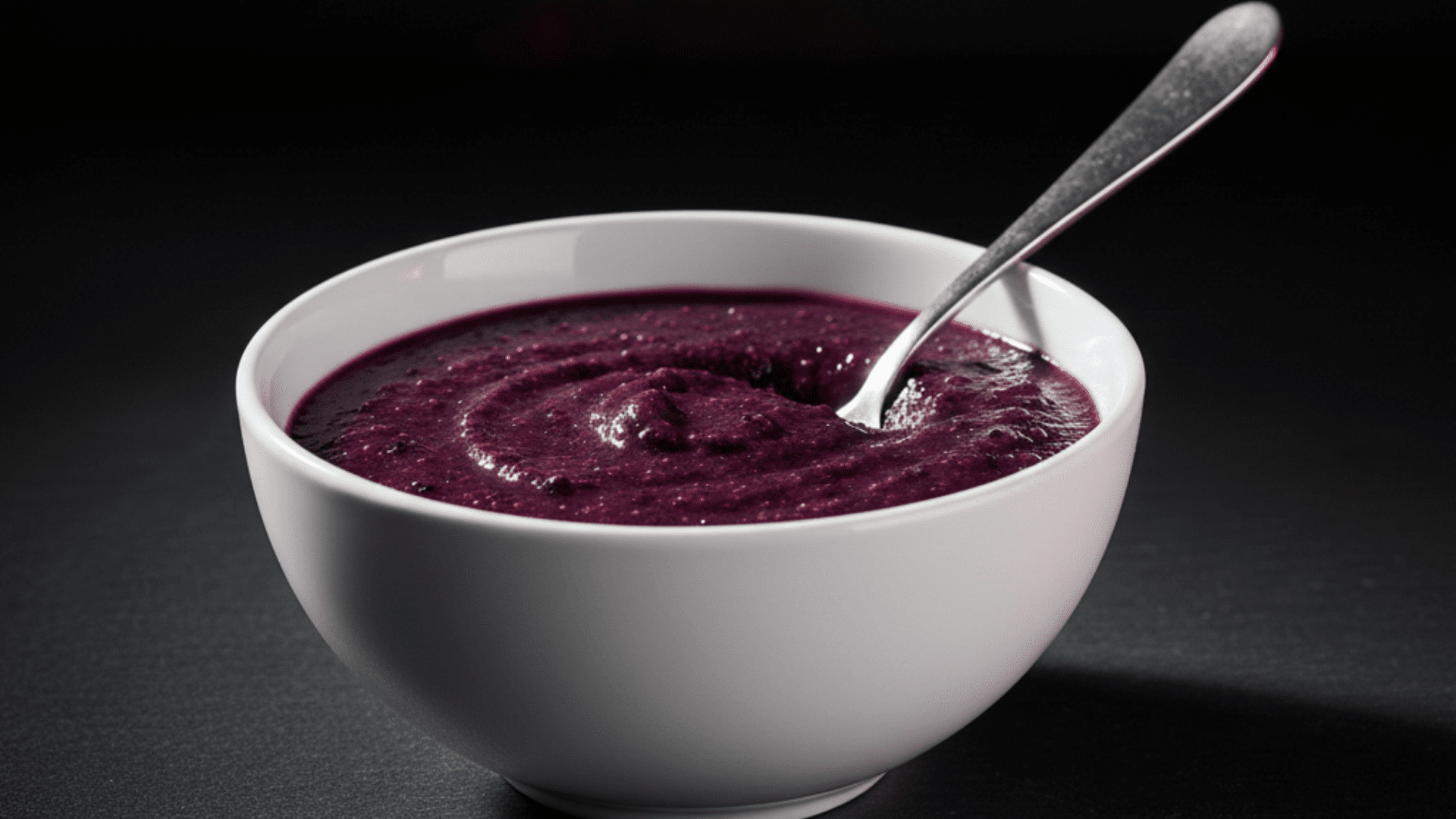
Making your own blueberry puree is a game-changer in the kitchen. It’s incredibly versatile, and you can use it in everything from smoothies and desserts to baby food or as a topping.
But if you’re like me, you probably want a version that’s both simple and healthy, especially one that doesn’t rely on added sugar.
You may be wondering how to get the right consistency, how long to cook the berries, or what the best uses are. I’ve got you covered.
I’ll take you through a foolproof recipe for homemade blueberry puree, including tips for making it sugar-free. I’ll also share how to store it, plus all the creative ways you can use it in your kitchen.
What is Blueberry Puree?
Blueberry puree is a smooth, natural mixture made from fresh or frozen blueberries. Unlike jam, it doesn’t contain added sugar or pectin, giving it a simpler, more versatile flavor.
Nutritionally, blueberry puree is packed with vitamins C and K, fiber, and antioxidants.
A 1/4-cup serving typically provides around 30 calories, 7 grams of carbs, and 2 grams of fiber.
It’s a low-calorie, healthy option for naturally sweetening and adding flavor to many dishes, all while keeping things simple and wholesome.
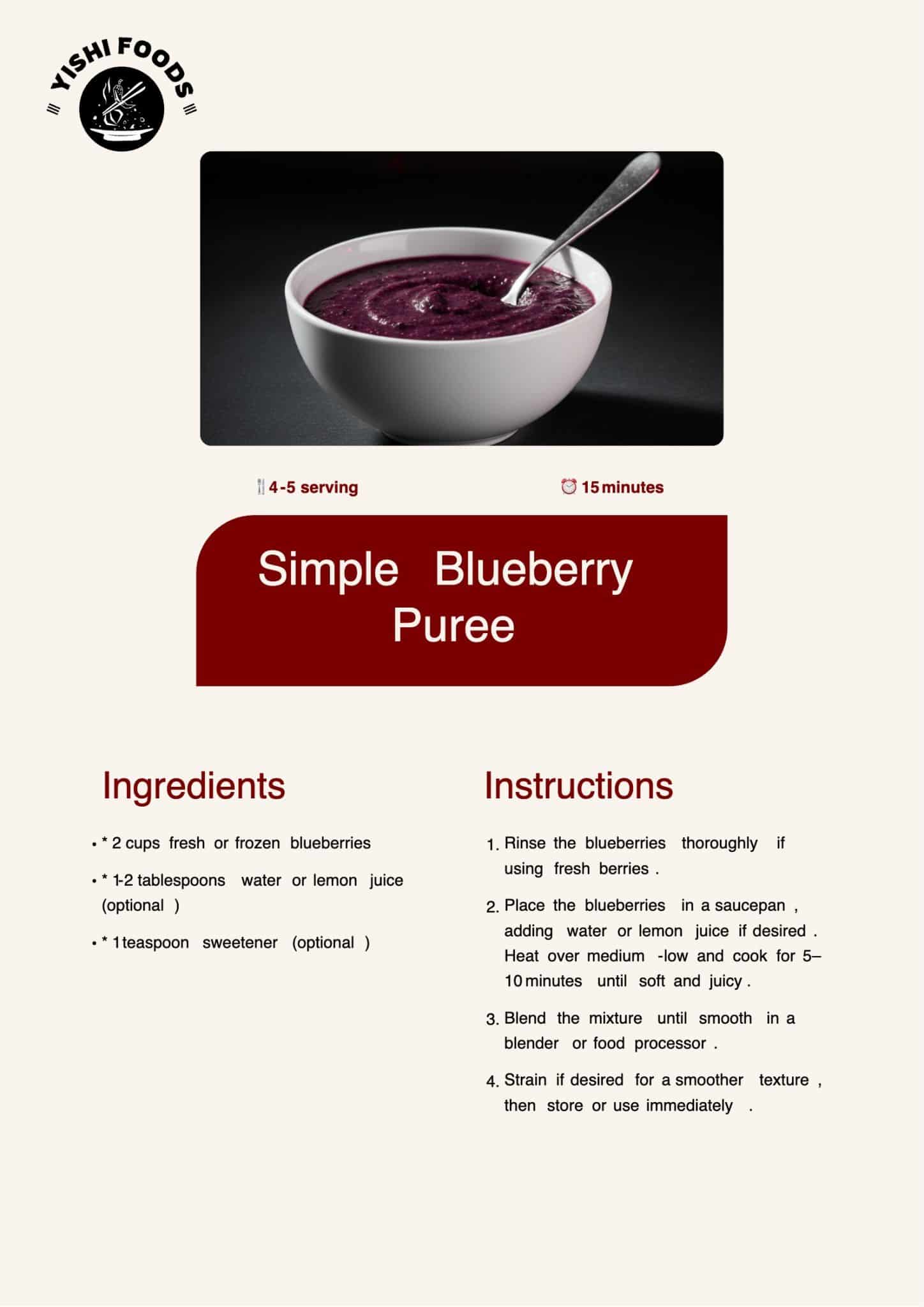
Blueberry Puree Recipe
Making blueberry puree is a quick and easy way to add natural sweetness and flavor to your dishes. Whether you use it for smoothies, desserts, or baby food, it’s a versatile ingredient that’s both healthy and delicious.
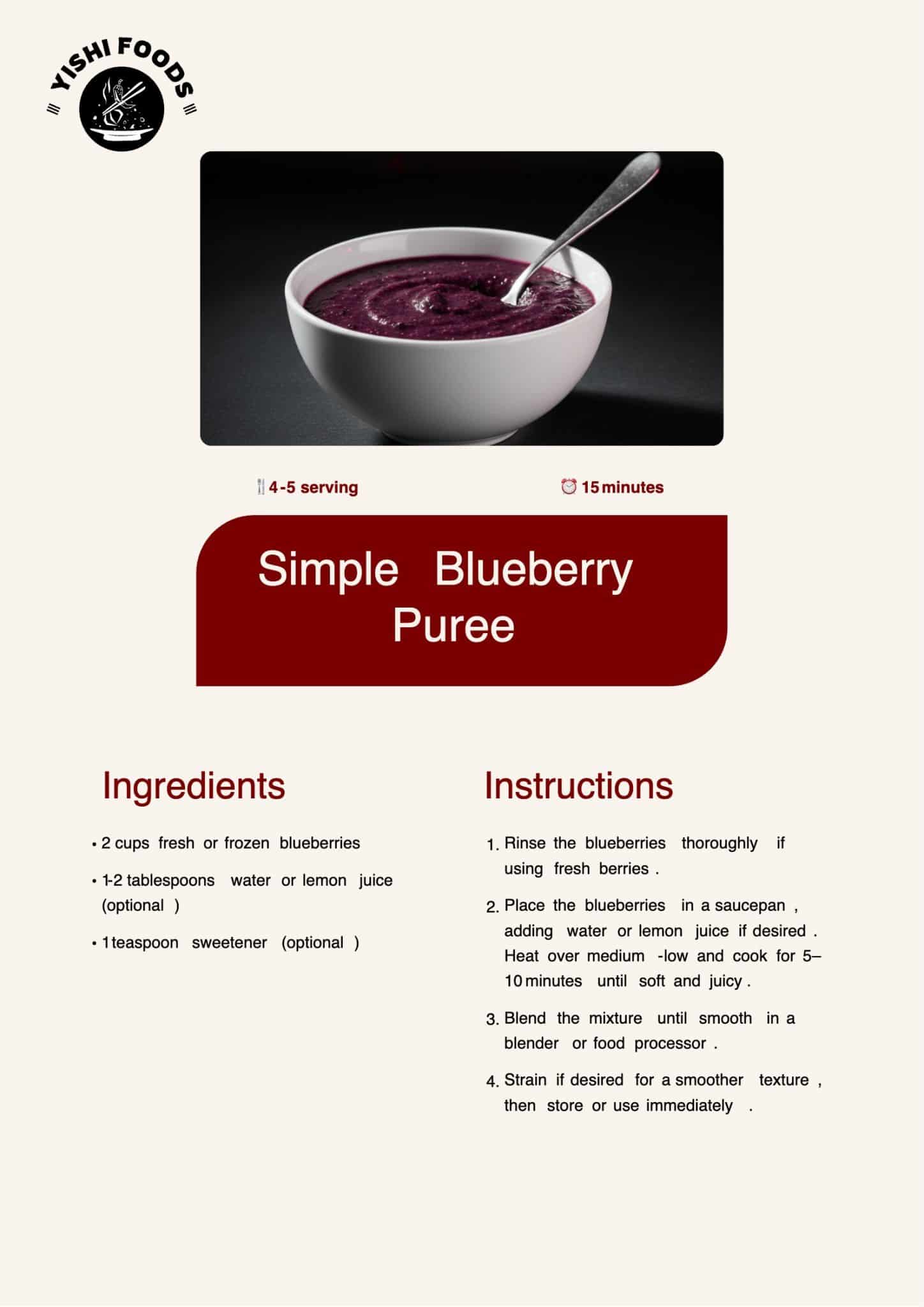
Servings: 4-5 servings
Total Time: 15 mins
Ingredients:
- Fresh or frozen blueberries
- Water or lemon juice (optional)
- Sweetener (optional)
Step 1: Rinse the Blueberries
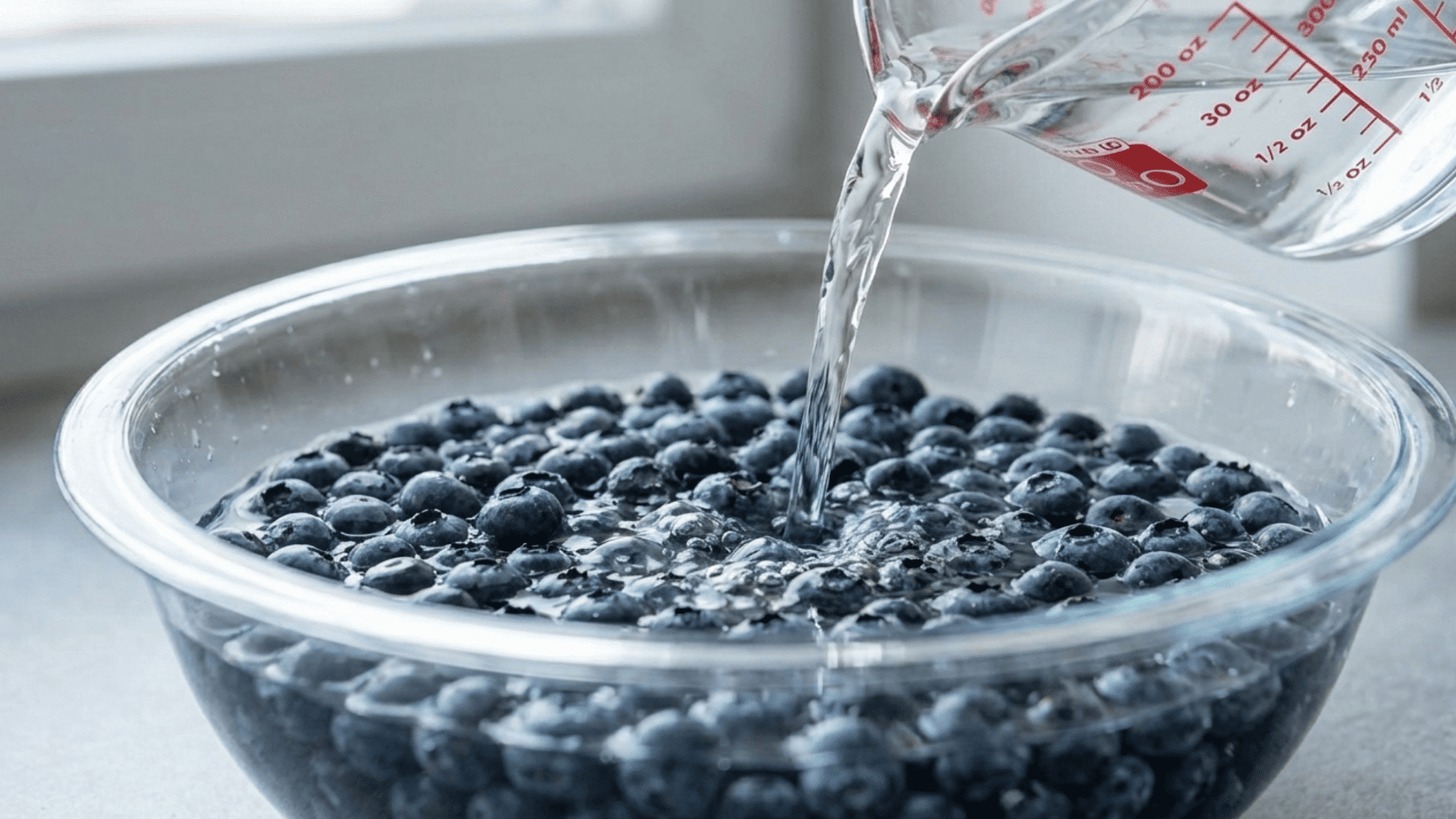
Start by washing the blueberries thoroughly if you’re using fresh ones. This step ensures any dirt, pesticides, or residual packaging materials are removed, leaving you with clean fruit to work with.
If you’re using frozen blueberries, there’s no need to rinse them, as they’re typically pre-washed. Simply measure out the desired amount.
Step 2: Cook the Blueberries for Blueberry Puree
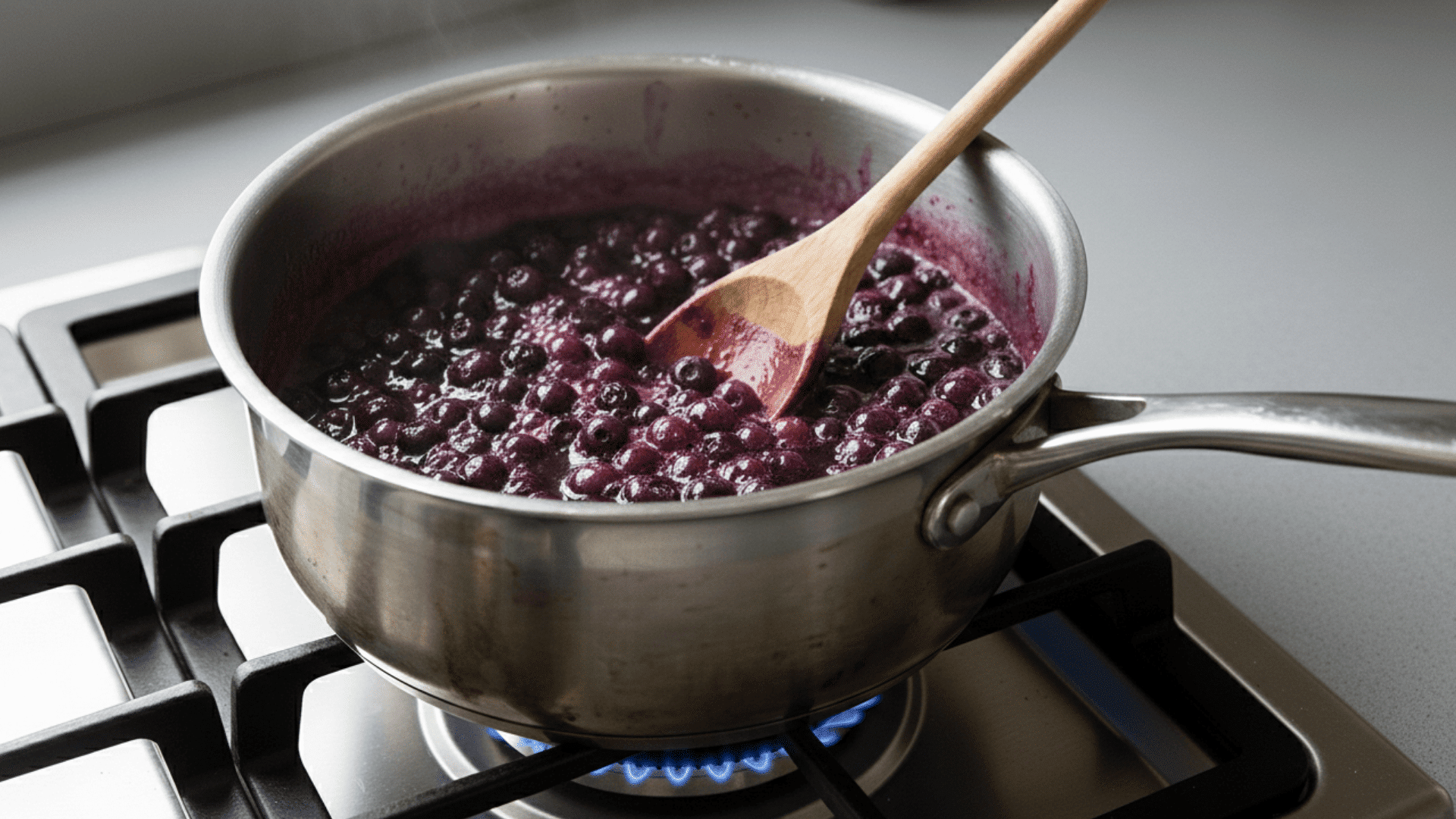
Place the blueberries in a saucepan and add a small amount of water or lemon juice, if desired. Heat over medium-low, stirring occasionally. Let them simmer for 5–10 minutes until they soften and release their natural juices.
The cooking process helps break down the berries, making them easier to blend into a smooth, velvety puree. You can adjust the heat to avoid burning or sticking.
Step 3: Blend Until Smooth for Blueberry Puree
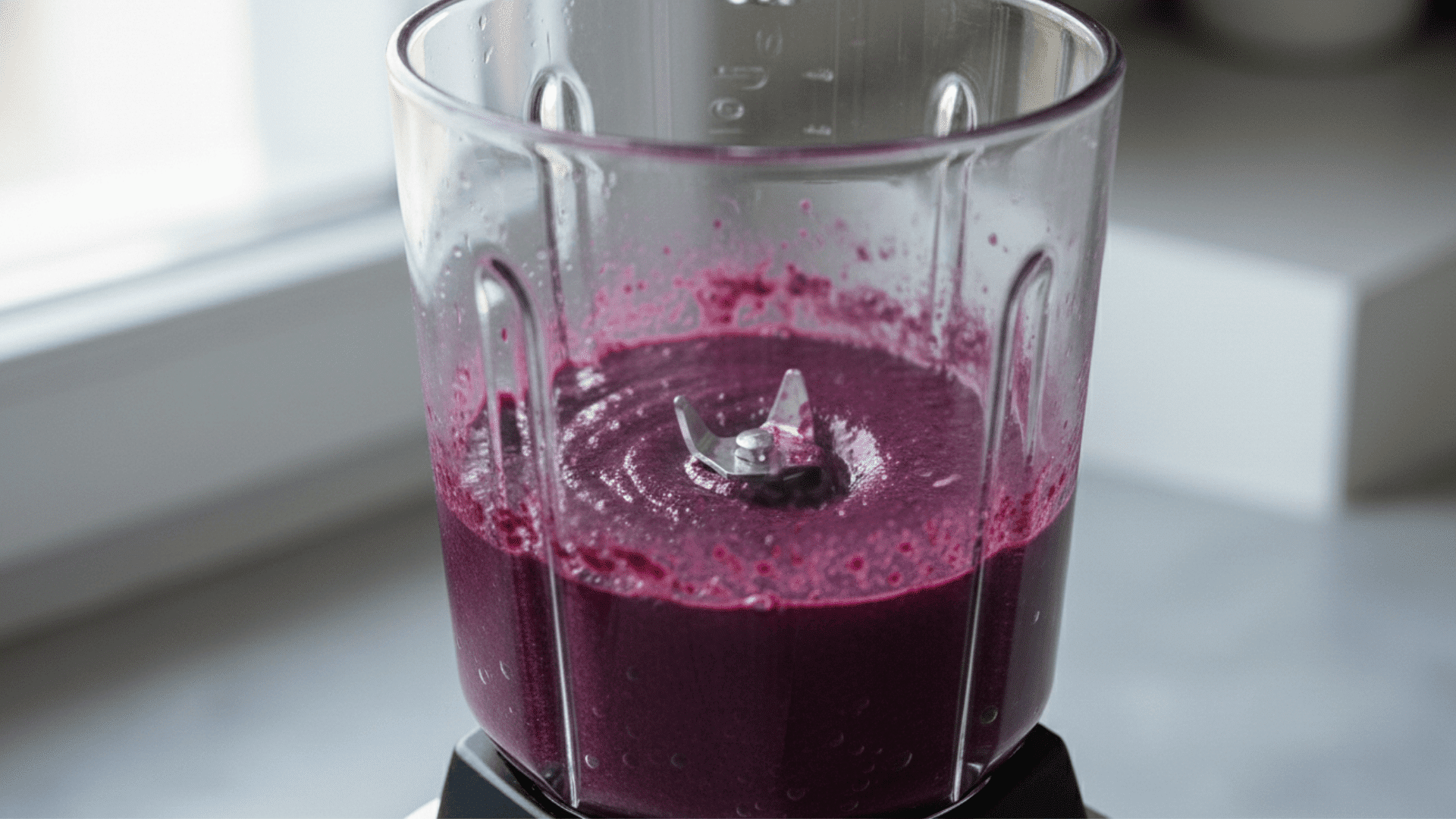
Once the berries are soft and juicy, transfer them to a blender or food processor. Blend the mixture on high speed for a few seconds until smooth.
Depending on your preference, you can blend for a longer period to achieve a completely silky texture. For thicker purees, blend less, and for thinner ones, blend more. The smoother, the better!
Step 4: Strain if Needed
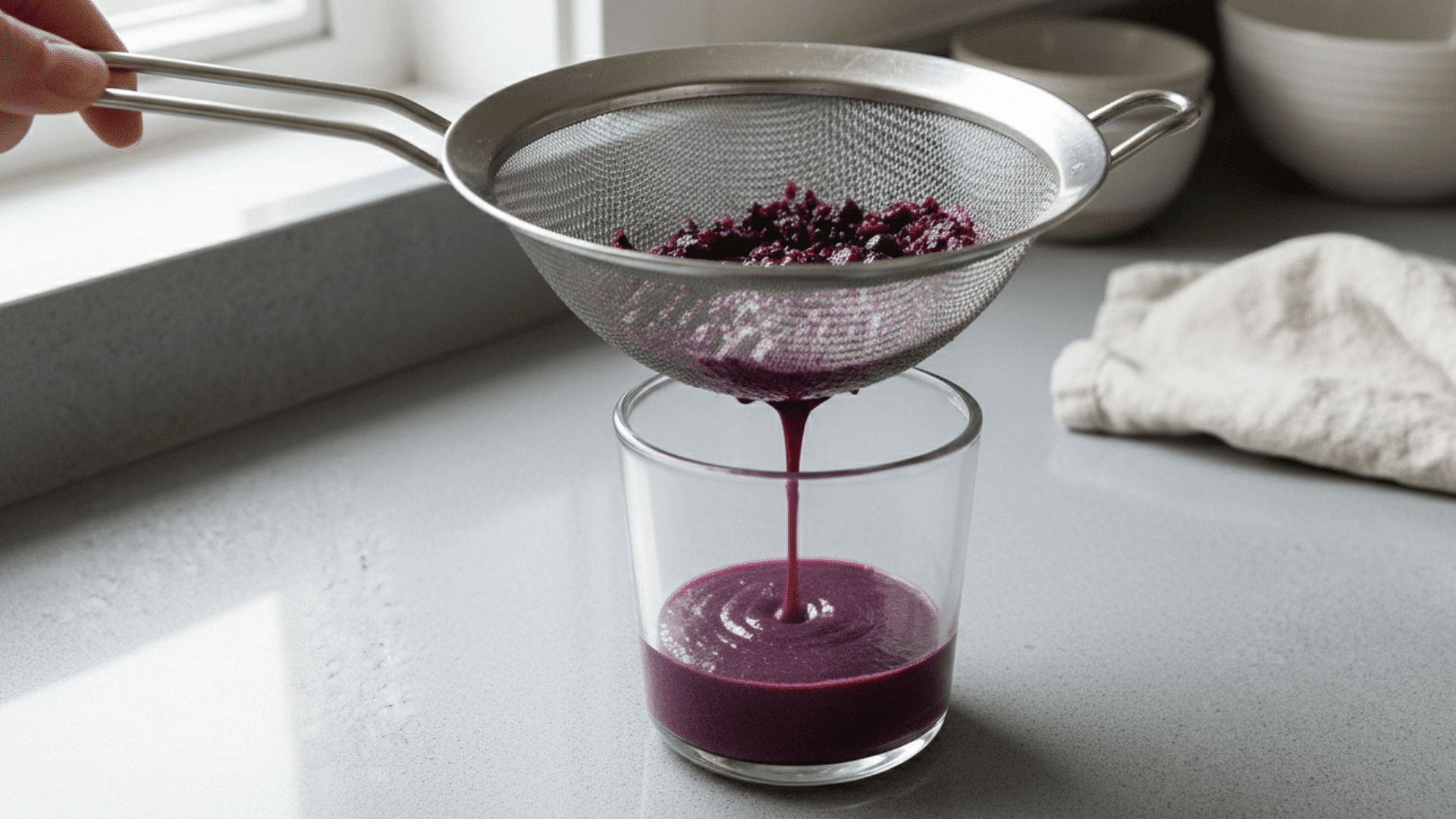
If you prefer a smoother texture without any pulp or seeds, pour the puree through a fine mesh sieve. Use the back of a spoon to gently press the mixture, ensuring all the juice is extracted.
This step is optional, but it results in a cleaner, more refined puree, especially if you’re planning to use it for baby food or delicate desserts where smoothness is key.
Creative Ways to Use Blueberry Puree in Your Recipes
Blueberry puree is a versatile ingredient that can add both flavor and color to all kinds of dishes. Here are some great ways to use it:
- For Baby Food: Blueberry puree is perfect for little ones. Its smooth texture and natural sweetness make it a great choice for baby food.
- In Baked Goods: Add blueberry puree to muffins, pancakes, or cakes for a fresh, fruity twist. It gives your baked goods a delicious burst of flavor.
- In Drinks: Use blueberry puree in smoothies, lemonade, or mocktails. It brings a refreshing pop of flavor that’s perfect for any drink.
- As a Topping: Blueberry puree is a great topping for yogurt, oatmeal, or cheesecake. It adds a natural sweetness and vibrant color to your desserts.
How to Store and Freeze Blueberry Puree
To store blueberry puree, keep it in an airtight container in the fridge for up to 3-4 days. This will help maintain its freshness and flavor. For longer storage, freezing is a great option.
Pour the puree into freezer-safe containers or ice cube trays, then cover tightly to prevent freezer burn.
When using ice cube trays, freeze the puree in individual cubes for easy portioning. Once frozen, transfer the cubes to a resealable bag or container.
Frozen blueberry puree can last for up to 3 months. Simply thaw in the fridge or microwave when ready to use. This method keeps your puree fresh and ready for any recipe, with minimal waste and maximum convenience.
Common Problems and Easy Fixes for Blueberry Puree
Making blueberry puree is simple, but sometimes it doesn’t turn out as expected. Below are common problems and easy fixes to help you achieve the perfect puree every time.
| Problem | Fix |
|---|---|
| Too thick | Add water or more lemon juice |
| Too thin | Simmer longer to reduce the liquid |
| Bitter taste | Add ripe berries or a pinch of sweetener |
| Grainy texture | Strain the puree through a fine mesh sieve |
With these fixes, your blueberry puree will always be just right, whether for smoothies, baking, or as a topping.
Summing Up
Making blueberry puree is a quick and easy way to add a burst of flavor to your recipes. Whether you use fresh or frozen blueberries, the process is simple, and the results are always satisfying.
As I’ve shared, you can make it with or without added sugar, and there are plenty of ways to use it, smoothies, desserts, baby food, or as a topping for your favorite dishes.
By following the steps and tips provided, you’ll achieve the perfect consistency and flavor every time. Plus, with easy storage and freezing options, you can have fresh blueberry puree ready whenever you need it.
I hope this guide helps you create the best puree for all your cooking needs. Feel free to comment below with any questions or share your own tips!