
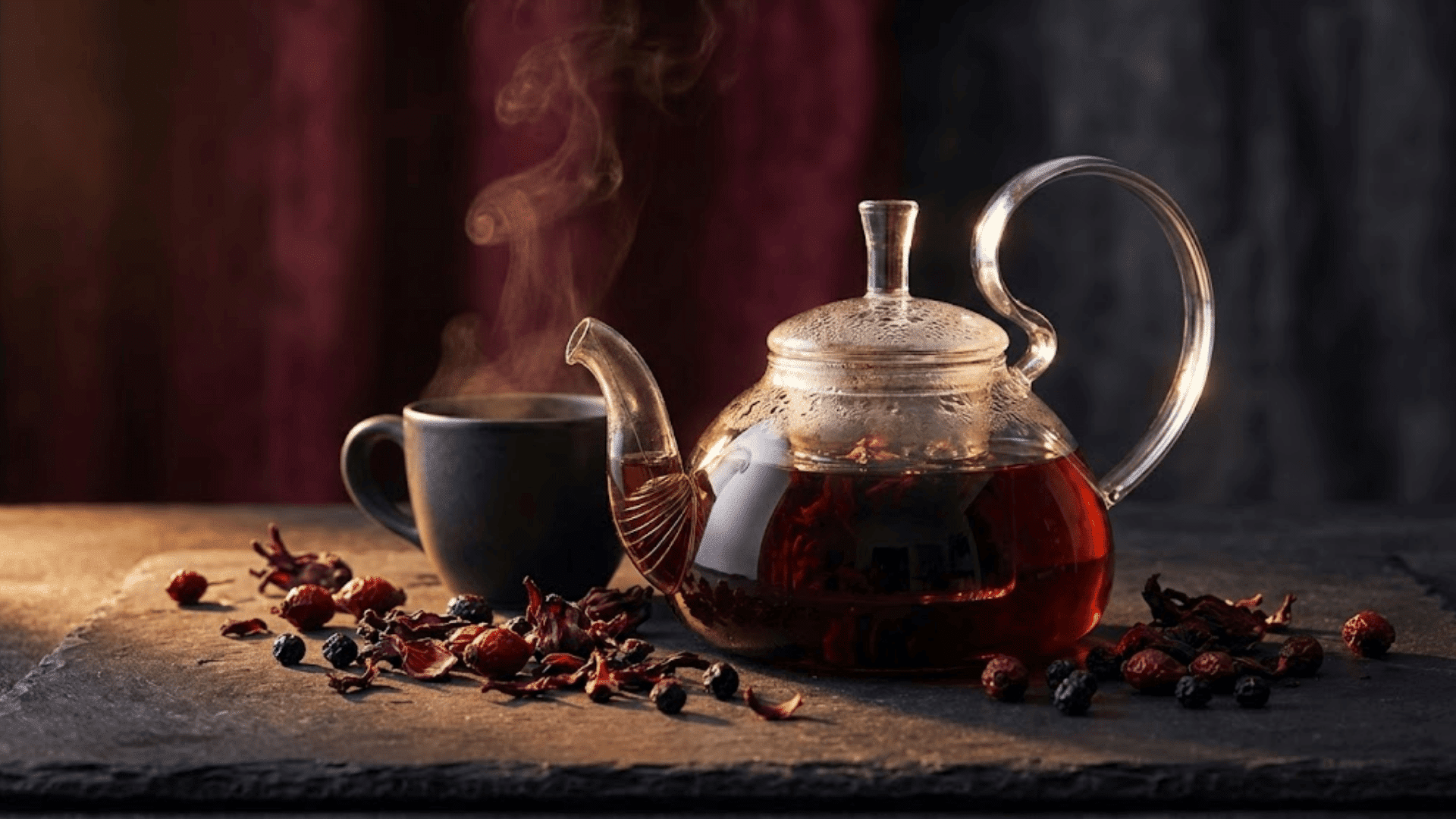
If you’re like me, you probably reach for a warm cup of tea when plain water starts to feel a bit boring.
But that big question pops up fast: Does herbal tea dehydrate you or actually help you stay hydrated? It can be confusing, especially with all the talk about caffeine and bathroom breaks.
In this blog, I’ll break things down in simple terms so you don’t have to guess. You’ll learn how hydration works in your body, which teas are truly hydrating, how much tea is safe to drink, and easy ways to use tea to meet your daily fluid needs.
By the end, you’ll feel more confident about what’s in your cup and how it affects your hydration.
How Hydration Works in the Body?
Hydration is all about balance. The body loses water through breathing, sweating, and going to the bathroom. That water has to be replaced through food and drinks.
Most adults need about 9 to 13 cups of fluid each day, depending on age, activity level, and climate.
The good news is that almost all drinks made mostly of water help with hydration, including herbal tea.
Key things to know:
- Hydration depends on how much fluid you take in, not just how often you use the bathroom.
- A drink that’s 95% water, like herbal tea, gives the body plenty of fluid.
- A small boost in bathroom trips doesn’t mean the body is losing more water than it gets.
Does Herbal Tea Dehydrate You and What Caffeine Does
Some teas contain caffeine, and caffeine can act as a mild diuretic. A diuretic is something that makes the body produce more urine. That’s why many people think tea might dry them out.
But here’s the important part: Caffeine only has a strong diuretic effect at very high amounts, usually around 300–500 mg in one day. Most teas have way less than that.
| Type of Tea | Approx. Caffeine per Cup | Hydration Effect |
|---|---|---|
| Black Tea | 40–70 mg | Hydrating in normal amounts |
| Green Tea | 20–45 mg | Hydrating in normal amounts |
| White Tea | 15–30 mg | Hydrating in normal amounts |
| Oolong Tea | 30–50 mg | Hydrating in normal amounts |
| Herbal Tea | 0 mg (usually caffeine-free) | Fully hydrating |
The body would need a lot of caffeine to lose more water than it takes in. Most people never reach that level with tea.
Does Herbal Tea Count as Water?
Yes, herbal tea does count as water when thinking about daily hydration. Most herbal blends are made of about 95% water, so they help keep fluid levels healthy.
A warm cup of herbal tea gives the body water in a soothing, comforting way, which can be easier to drink than plain water for some people.
It also comes in many flavors without needing added sugar, so it feels more enjoyable to sip throughout the day.
On top of that, some herbal teas include small amounts of minerals like potassium and magnesium, which help the body manage fluids and stay balanced.
Choosing the Right Tea for Hydration
Here’s a clearer way to see the difference between herbal tea, regular tea, and hybrid teas. This chart shows how they compare for caffeine and hydration.
| Type of Tea | What It’s Made From | Caffeine Level | Hydration Effect | Best Time to Drink |
|---|---|---|---|---|
| Herbal Tea | Flowers, herbs, roots, fruits (chamomile, peppermint, rooibos) | Usually 0 mg | Fully hydrating; great for boosting fluid intake | Evening or before bed |
| Regular Tea | Tea leaves from Camellia sinensis (black, green, white, oolong) | Small to moderate caffeine | Still hydrating in normal amounts | Morning or early afternoon |
| Hybrid / Blended Tea | Mix of herbal ingredients plus caffeinated herbs (yerba mate, guayusa, yaupon) | Around 60–80 mg per cup | Mostly hydrating; many cups in a row may boost fluid loss a little | Morning or mid-day, when caffeine is welcome |
This comparison makes it easier to pick the kind of tea that fits both hydration goals and caffeine comfort level.
Why Some People Feel Dry After Drinking Tea
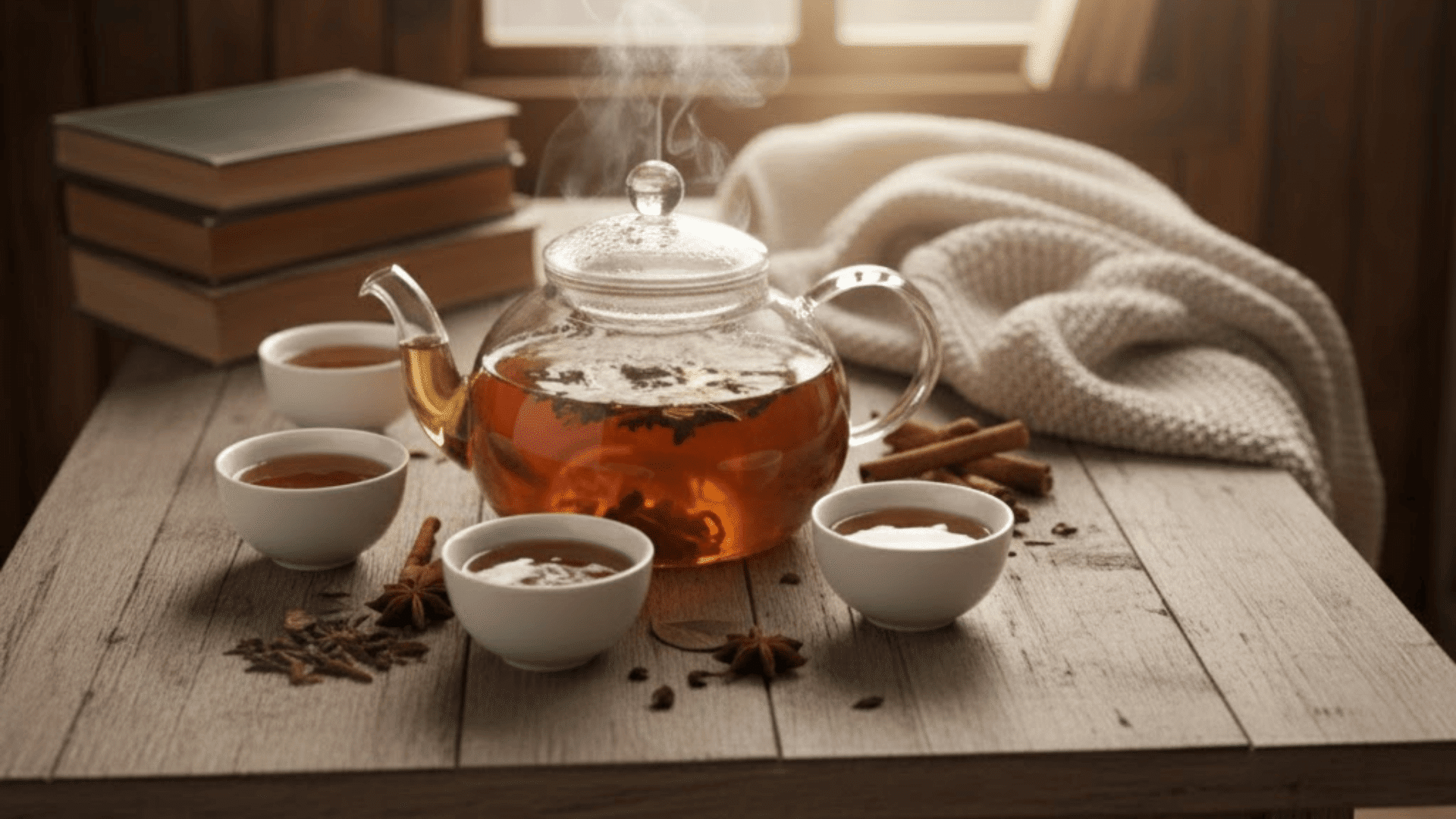
Even though tea hydrates the body, a few things can make your mouth feel dry or make you feel thirsty afterward:
- The tea was very hot, which warms the body and may lead to mild sweating.
- The tea had sweeteners or sugar, which can leave a sticky or dry feeling in the mouth.
- Some herbs, like dandelion or hibiscus, may have a gentle diuretic effect.
- The body may have been slightly dehydrated before drinking the tea.
These feelings do not mean actual dehydration.
How Much Tea is Too Much?
Most adults can enjoy several cups of tea each day without any problem. The main thing to watch is caffeine, not herbal ingredients.
- Herbal tea: safe for most people to drink throughout the day
- Caffeinated tea: 3–6 cups per day is usually fine
- Very large amounts (8+ cups in a short time) may increase bathroom trips but rarely cause dehydration
Since herbal tea has almost no caffeine, it’s one of the easiest drinks to add to a hydration routine.
Tips to Stay Hydrated Using Tea
Staying hydrated doesn’t have to be hard. Try building these simple tea habits into your daily routine:
- Sip herbal tea between meals: This helps keep your fluid levels steady throughout the day.
- Choose caffeine-free teas in the evening: They’re gentle on your system and support better sleep.
- Add fruit slices, mint, or lemon: These give your tea natural flavor without added sugar.
- Mix water and herbal tea during the day: Switching between both makes it easier to drink more fluids.
- Keep a favorite mug nearby: Seeing it often is a visual reminder to drink and stay hydrated.
With a few small changes like these, tea can become a simple, cozy way to support your daily hydration.
Final Thoughts
We’ve covered a lot, so I hope you feel clearer now about your tea habits and hydration. You’ve seen how the body uses fluids, how caffeine works, and why most teas made with water still support your daily needs.
So, does herbal tea dehydrate you? For most people, herbal blends made with hot water are actually an easy way to stay on top of fluid intake, especially when plain water feels a bit dull.
Now it’s your turn to notice how your body feels, sip what works for you, and keep your routine simple.
If you found this helpful, I’d love for you to check out my other blogs for ideas, honest guidance, and a little extra motivation.