
Eating should feel simple, but acid reflux can turn meals into a daily challenge. I used to think skipping foods was the only answer, until structure made things easier.
A 7-day acid reflux meal plan helps remove guesswork by setting steady meals, calmer food choices, and better timing, especially when you understand basics like the best bread for GERD and how simple grains affect digestion.
You may notice symptoms after late dinners, large portions, or certain ingredients, which can make eating feel stressful. That is where a clear plan can help restore some control.
This approach focuses on gentle meals, repeatable routines, and flexibility when something does not sit well. With the right setup, meals can feel more manageable again, and this 7-day acid reflux meal plan shows how to start.
| ℹ️ Health Note: This article is for general information and isn’t medical advice. Needs vary by person; if you’re pregnant, nursing, managing a condition, or sensitive to certain foods, check with a healthcare provider before making significant diet changes. |
Who is the Best Fit for This 7-Day Acid Reflux Meal Plan
This meal plan suits people dealing with mild to moderate acid reflux who want a clear structure without strict limits. It works well if symptoms tend to flare after large meals, late dinners, or high-fat foods.
The plan fits into home cooking routines and relies on common, easy-to-prepare ingredients.
It may help if heartburn shows up several times a week but is not constant throughout the day. This approach also suits anyone wanting to test food tolerance in a short, controlled way.
Adjustments may be needed for severe symptoms, pregnancy, recent digestive surgery, or other medical conditions.
A healthcare professional should always evaluate any ongoing discomfort, difficulty swallowing, or chest pain before relying on dietary changes alone.
Best Foods to Eat During an Acid Reflux Meal Plan
The best foods for reflux are usually simple, low-fat, and easy to build into repeat meals. This list can help you shop smarter before starting the plan.
| Food Type | Better Choices | Why It Helps |
|---|---|---|
| Grains | Oatmeal, brown rice, quinoa, whole-grain toast | These add fiber and make meals filling without heavy fat. |
| Protein | Chicken, turkey, fish, tofu, eggs | Lean protein helps keep meals balanced without making digestion feel too heavy. |
| Fruits | Banana, melon, apple, pear, papaya | These are lower-acid fruit options for many people. |
| Vegetables | Carrots, green beans, zucchini, spinach | Cooked vegetables are often easier to tolerate than raw, spicy, or acidic sides. |
| Dairy | Low-fat yogurt, low-fat cottage cheese | These may work for some people when portions stay moderate. |
| Fats | Small amounts of olive oil, nut butter, avocado | Healthy fats can fit in, but large portions may still feel heavy. |
A reflux-friendly meal does not need to be plain. It just needs the right base, mild seasoning, and a portion size that does not create pressure after eating. Cleveland Clinic notes that leaner meats, fiber-rich vegetables, non-citrus fruits, and whole grains tend to sit more comfortably for people managing reflux than fried, fatty, or heavily acidic options.
If dairy feels like a gamble, it helps to know what actually makes yogurt good for acid reflux, since the fat content and added sugar in a given tub matter more than whether dairy is on the menu at all.
Your 7-Day Meal Plan for Acid Reflux
This section shares a complete seven-day meal plan with clear structure, gentle foods, and flexible options to support daily symptom control.
How to Use This Plan
Follow this plan with three steady meals and one or two snacks each day to avoid large gaps or heavy portions. Portions can be adjusted based on hunger, energy needs, and post-meal comfort.
Try to finish the last meal at least three hours before lying down to reduce nighttime symptoms. If any food causes discomfort, use a similar swap instead of forcing it.
Meals are meant to feel repeatable, simple, and realistic for daily routines. Cooking methods should stay basic, such as baking, grilling, or steaming, to keep meals easier to digest throughout the week.
Day 1
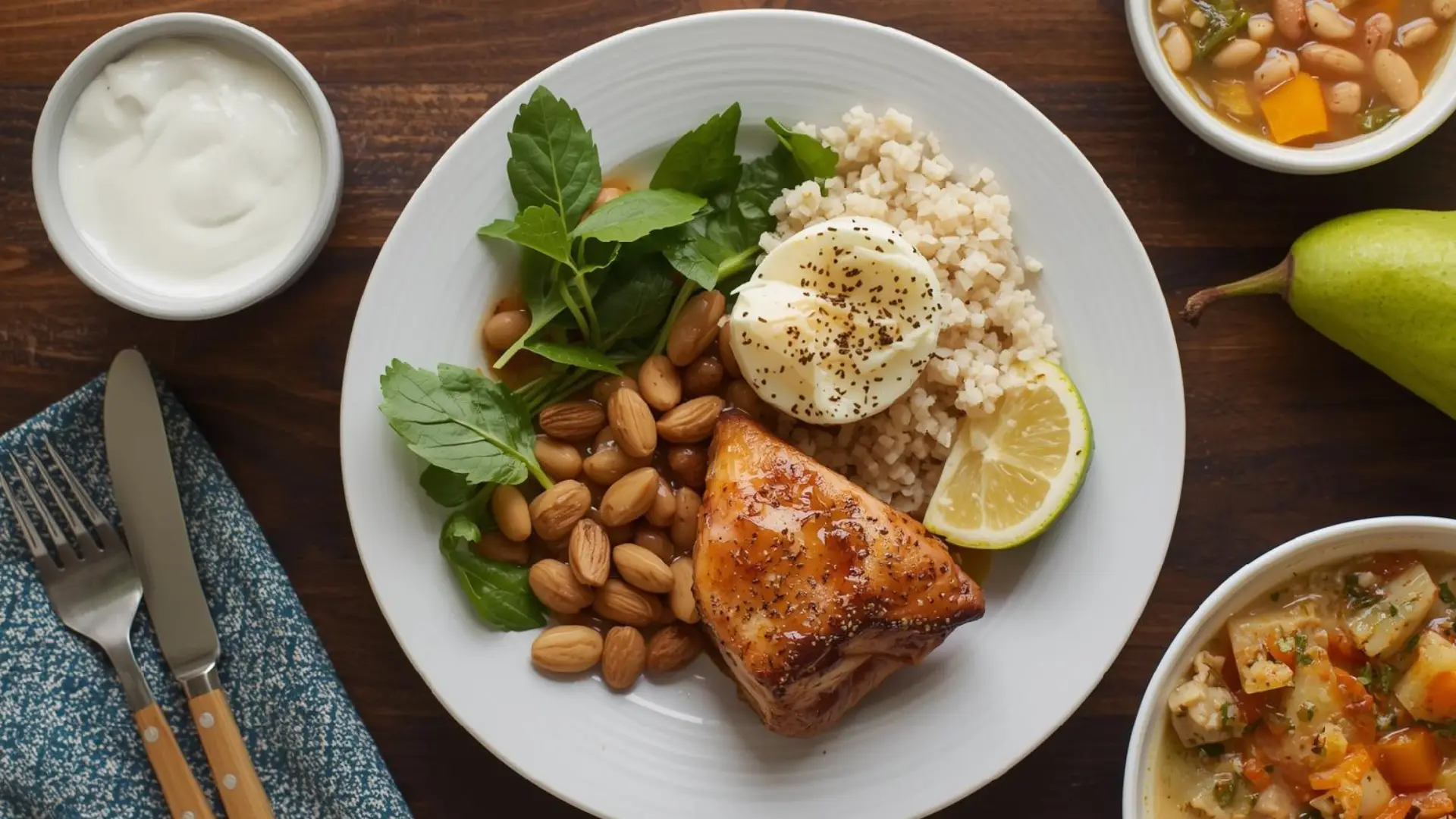
This day introduces a gentle start with simple, easy-to-digest meals that help establish a steady eating pattern. The focus is on mild flavors, balanced portions, and avoiding heavy or greasy foods. It encourages mindful eating habits and sets the tone for consistency throughout the week while helping your body adjust comfortably.
- Breakfast: Oatmeal with banana, or a spinach egg dish with melon
- Lunch: Chicken and vegetable soup, or bean toast with yogurt
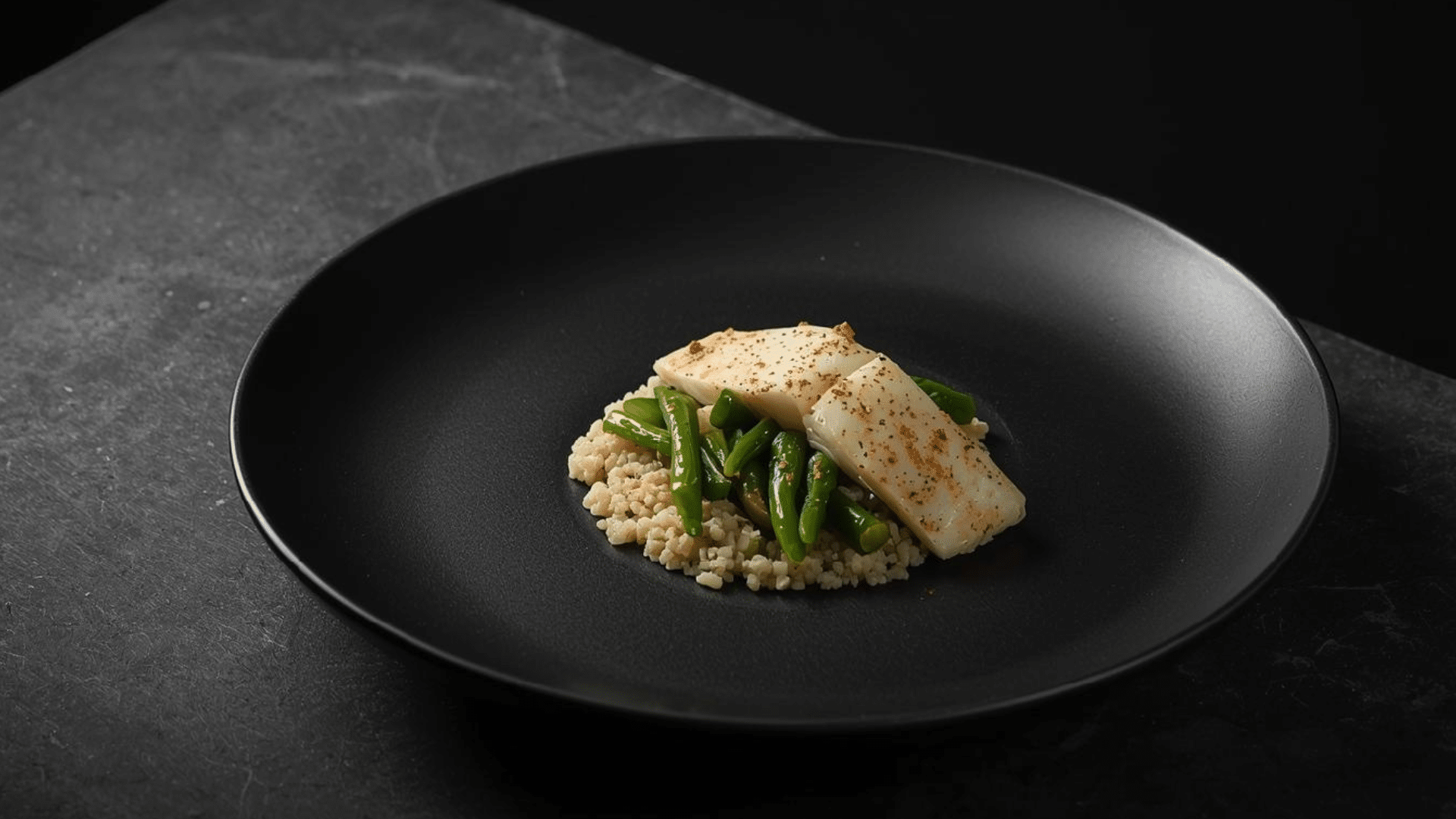
- Dinner: Baked fish with quinoa and cooked vegetables
- Snacks: Pear, almonds, or yogurt
- Dessert: Yogurt with honey
Day focus: Eat slowly, keep portions moderate, and avoid heavy seasoning. Day 1 sets a steady rhythm for the rest of the week.
Day 2
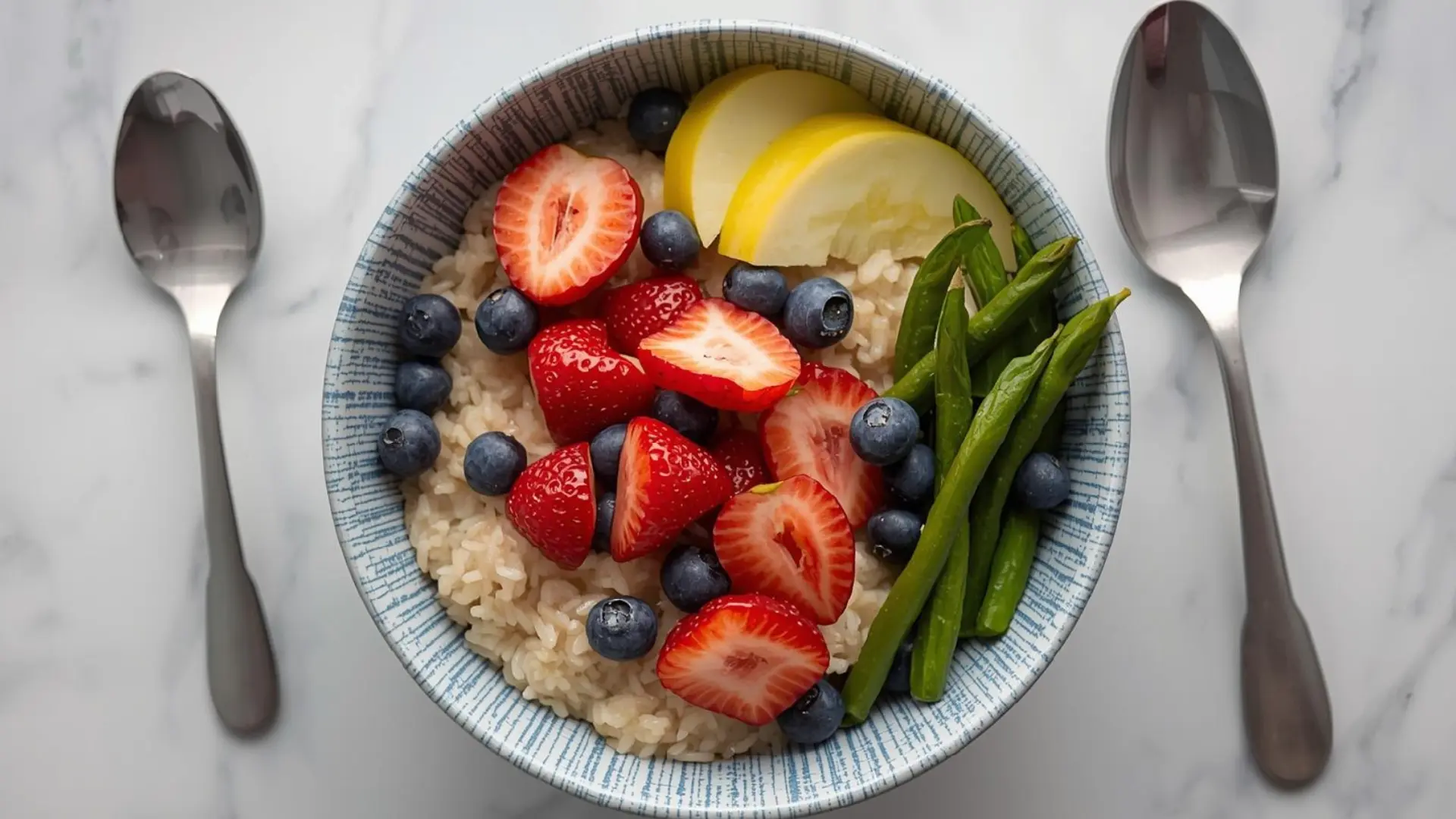
Day 2 builds on consistency by keeping meals predictable and easy on digestion. It emphasizes spacing fluids between meals and maintaining balanced portions to reduce bloating or discomfort. The goal is to support steady energy levels while continuing to reinforce habits that promote digestive ease and overall comfort.
- Breakfast: Oatmeal with berries, or yogurt with melon
- Lunch: Broth-based soup with bread, or a turkey wrap with mild fillings
- Dinner: Baked chicken with rice and green beans
- Snacks: Apple slices, edamame, or yogurt
- Dessert: Baked fruit or plain yogurt
Day focus: Keep meals predictable and space fluids between meals. This can help reduce fullness and midday discomfort.
Day 3

This day introduces slightly more variety while still maintaining gentle, low-acid meal choices. It encourages careful portion control and lighter sauces to prevent irritation. The aim is to expand food options gradually while staying mindful of how different foods affect digestion and overall comfort throughout the day.
- Breakfast: Low-acid smoothie, or eggs with toast
- Lunch: Soup with whole-grain bread, or a grain bowl with vegetables
- Dinner: Pasta with mild cheese sauce and greens, or shrimp with quinoa
- Snacks: Cheese with crackers, or fruit
- Dessert: Baked fruit with cinnamon
Day focus: Keep sauces light and portions steady. If you are unsure whether pasta works for acid reflux, choose smaller shapes and avoid tomato-based sauces.
Day 4
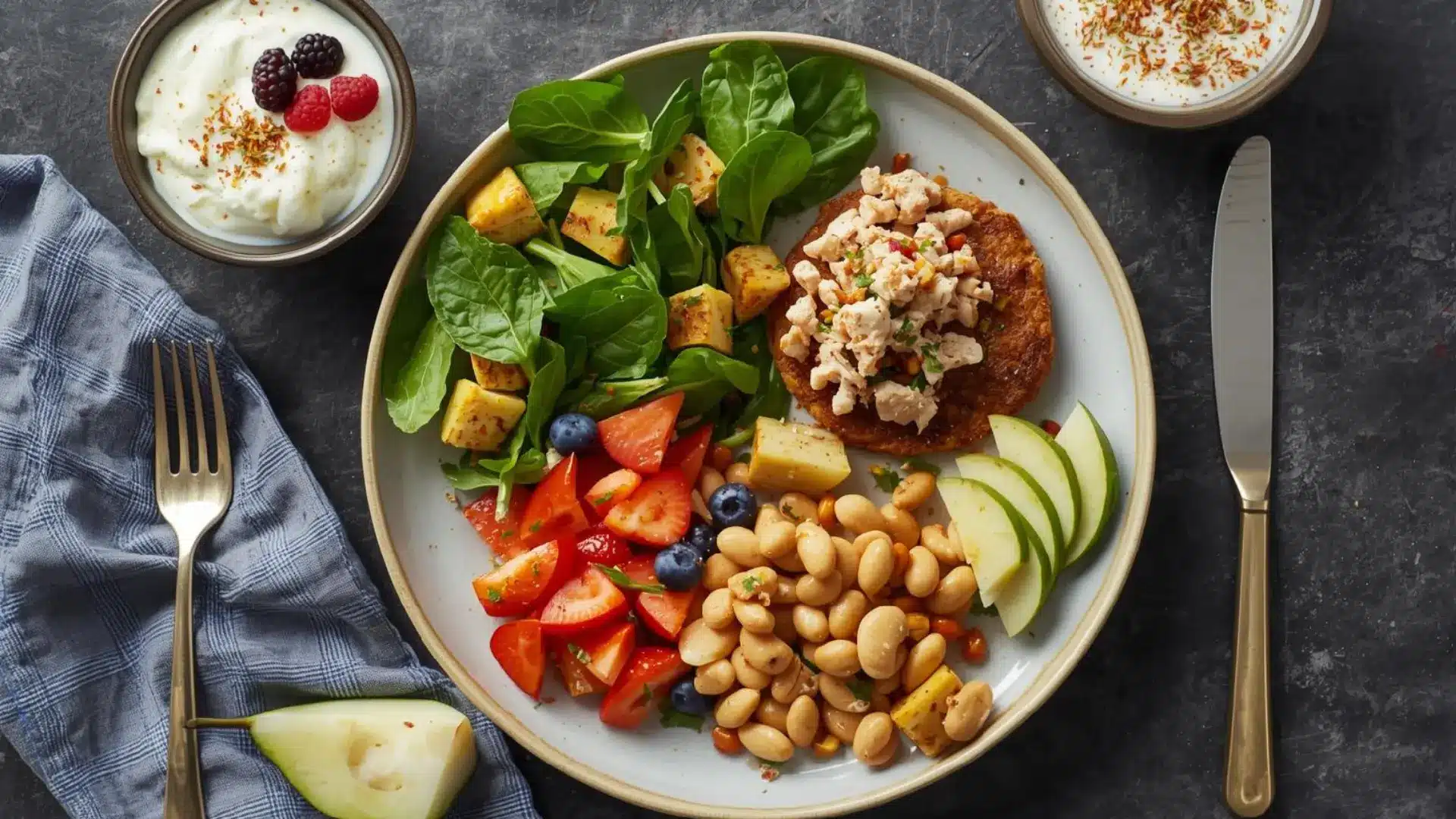
Day 4 focuses on maintaining balance while paying closer attention to meal timing, especially in the evening. Lighter dinners and earlier eating times can help reduce nighttime discomfort. Meals remain simple and nourishing, supporting digestion while encouraging awareness of how timing impacts overall well-being.
- Breakfast: Yogurt with berries, or a spinach egg meal
- Lunch: Tuna over greens, or leftover soup with fruit
- Dinner: Turkey patties with potatoes, or a bean taco with mild toppings
- Snacks: Cottage cheese, or a pear
- Dessert: Low-acid yogurt or soft fruit
Day focus: Pay closer attention to evening meal timing. An earlier, lighter dinner may help reduce overnight discomfort.
Day 5
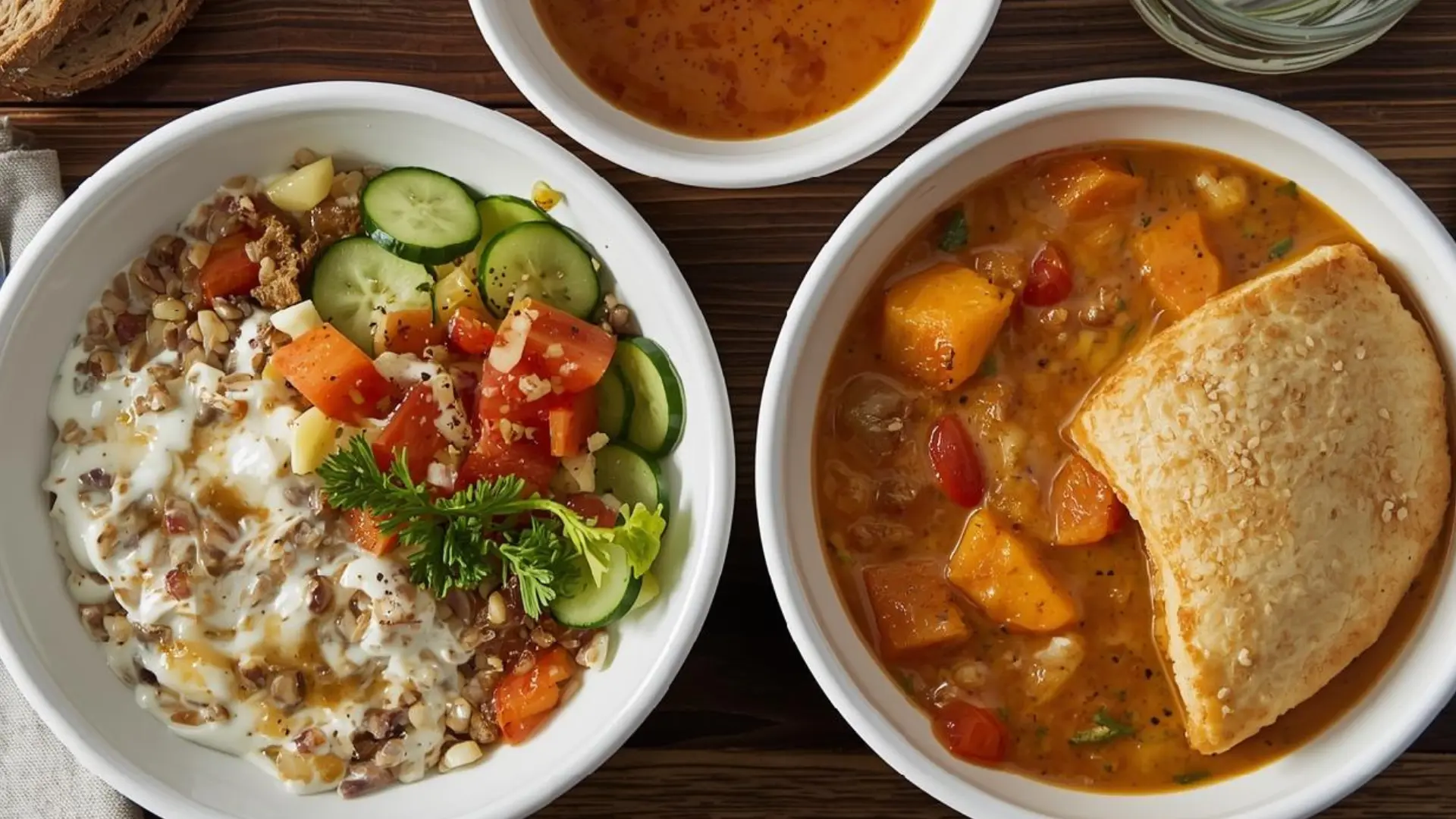
This day emphasizes repetition of meals that feel comfortable and well-tolerated. Familiar foods can help identify patterns and reduce uncertainty around digestion. The goal is to reinforce positive eating habits while maintaining variety within a safe range of ingredients that support consistent comfort.
- Breakfast: Oatmeal with fruit, or yogurt mixed with oats
- Lunch: Chicken and grain salad, or soup with bread
- Dinner: Baked white fish with sweet potatoes and cooked vegetables
- Snacks: Cucumber slices, or yogurt
- Dessert: Fruit or yogurt
Day focus: Repeat meals that feel comfortable. Familiar foods can make it easier to spot what helps and what causes symptoms.
Day 6
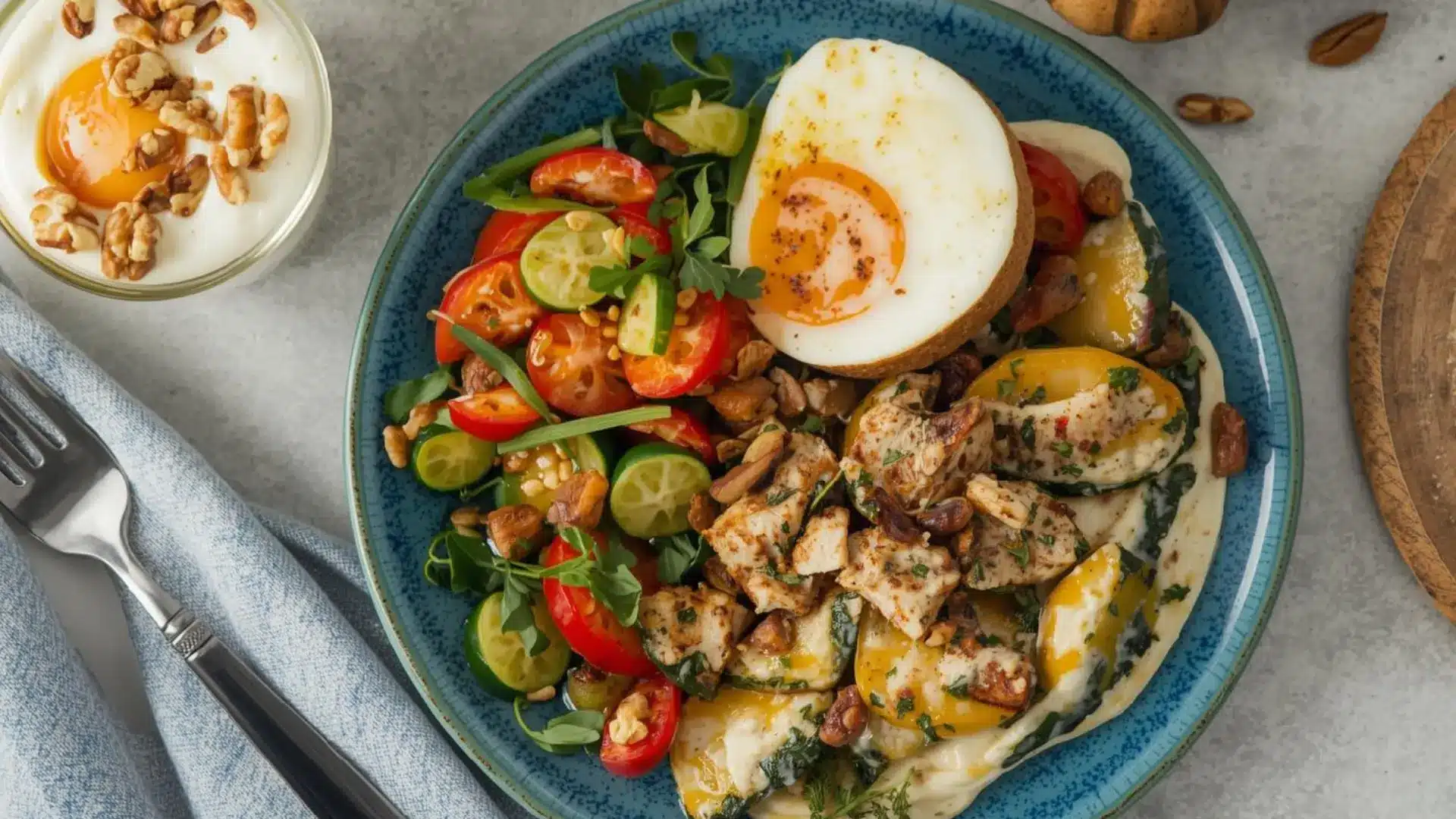
Day 6 encourages continued awareness of posture and portion sizes, especially after meals. Staying upright and avoiding heavy late meals can support digestion and reduce discomfort. This day helps fine-tune habits developed earlier in the week while maintaining a balanced and gentle approach to food choices.
- Breakfast: Yogurt with nuts, or toast with egg
- Lunch: Vegetable wrap, or soup with a mild salad
- Dinner: Pork or tofu with potatoes and cooked vegetables
- Snacks: Fruit with nuts, or hummus with vegetables
- Dessert: Light yogurt or soft fruit
Day focus: Stay upright after meals and avoid large portions late in the day. Symptoms may be easier to notice by this point.
Day 7
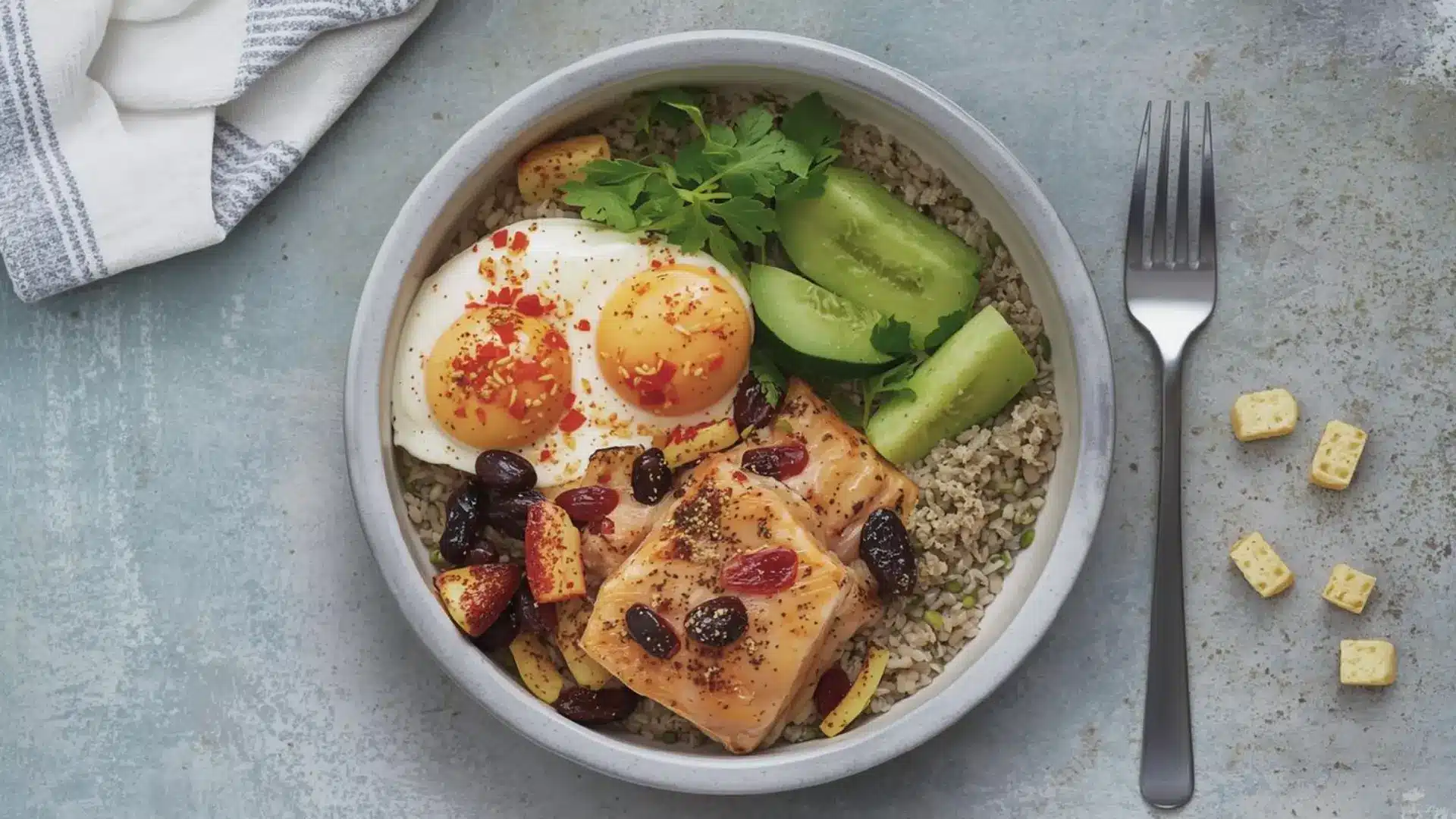
The final day focuses on reflection and personalization. It encourages reviewing which meals felt best and identifying any triggers. By this point, patterns should be clearer, allowing for adjustments moving forward. The goal is to build a sustainable routine based on comfort, balance, and individual response to foods.
- Breakfast: Eggs with melon, or chia-style pudding with fruit
- Lunch: Grain bowl with beans, or a wrap with mild fillings
- Dinner: Baked fish with rice and cooked vegetables
- Snacks: Edamame, or fruit with crackers
- Dessert: Plain or lightly sweetened yogurt
Day focus: Review what worked best during the week. Keep the meals that felt good and swap anything that caused discomfort.
7-Day Meal Plan At a Glance
Use this seven-day table as a simple reference for daily meals. Portions can be adjusted, and swaps may be used if symptoms appear.
| Day | Breakfast | Lunch | Dinner | Snacks | Dessert |
|---|---|---|---|---|---|
| Day 1 | Oatmeal with banana | Chicken soup with bread | Baked fish with quinoa and vegetables | Pear, almonds | Yogurt with honey |
| Day 2 | Yogurt with melon | Turkey wrap with cucumber | Baked chicken with rice and green beans | Apple slices | Baked fruit |
| Day 3 | Eggs with toast | Soup with whole-grain bread | Pasta with mild cheese sauce and greens | Crackers, fruit | Cinnamon apple |
| Day 4 | Yogurt with berries | Tuna over greens | Turkey patties with potatoes | Cottage cheese | Yogurt |
| Day 5 | Oatmeal with berries | Chicken grain salad | White fish with sweet potatoes | Cucumber slices | Fruit |
| Day 6 | Toast with egg | Veggie wrap | Pork or tofu with vegetables | Nuts, fruit | Yogurt |
| Day 7 | Eggs with melon | Bean and grain bowl | Baked fish with rice and vegetables | Edamame | Light yogurt |
Repeat meals that feel comfortable, note any foods that cause discomfort, and use this plan as a base for future weeks if symptoms improve.
How This 7 Day Plan Helps Reduce Acid Reflux
This section explains why certain food choices and eating habits are used and how they may support better digestion and fewer reflux flare-ups over time.
Food Patterns This Plan Focuses On
This plan centers on foods that tend to sit more comfortably in the stomach and reduce excess pressure. Higher-fiber foods help manage hunger, which lowers the risk of overeating.
Lean protein options keep meals filling without adding heavy fat. Low-acid and mild foods are used to reduce irritation in the throat and chest.
Meals are balanced with simple grains, cooked vegetables, and gentle fruits, which can support steadier digestion and reduce sudden spikes in symptoms during the day. Mayo Clinic points out that a restrictive, all-or-nothing diet usually is not necessary to control GERD symptoms, which is part of why this plan leans on swaps and moderation rather than a long list of banned foods.
Eating Habits Built Into the Plan
Beyond food choices, daily habits play a major role in symptom control. Meals are spaced evenly to avoid long gaps that lead to overeating. Portions stay moderate to reduce stomach pressure after eating.
Late-night meals are avoided to limit nighttime symptoms. Cooking methods stay simple, using baking, grilling, or steaming instead of frying. Mild herbs replace heavy sauces or spices, helping meals stay easier to tolerate while still feeling satisfying and complete.
How Fast You May Notice Changes
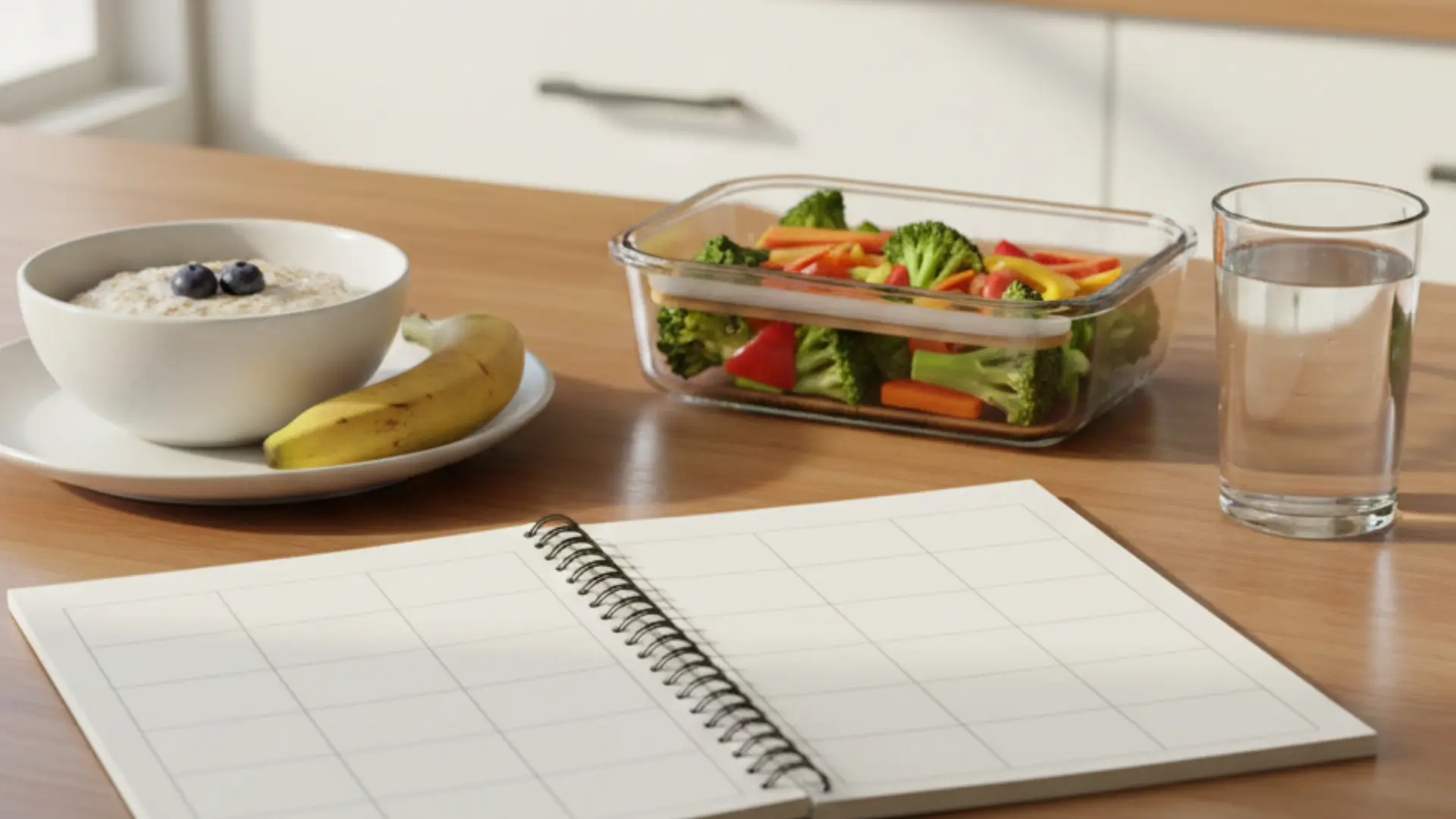
Changes from a structured acid reflux meal plan often happen gradually rather than all at once.
During the first 1 to 2 days, some people notice less fullness, pressure, or discomfort after meals, especially when portions remain moderate.
By days three to four, symptoms between meals may feel less intense, and nighttime discomfort may ease if late eating is avoided.
Toward the end of the week, patterns often become clearer, making it easier to spot foods or habits that trigger symptoms. Results vary based on digestion, stress levels, meal timing, and food tolerance.
Some days may feel better than others, which is normal. Keeping meals consistent and tracking symptoms can help make sense of these changes. If symptoms persist, worsen, or interfere with daily life, seeking medical advice is important.
Trigger Food Swaps (Use This If Something Bothers You)
Some foods cause symptoms even when meals look balanced. Swaps help keep meals comfortable without skipping food. Changes work best when done one item at a time.
Common food swaps to try
- Tomato-based sauces to olive oil with herbs or mild yogurt sauce
- Citrus fruit to banana, melon, or pear
- Fried foods to baked, grilled, or steamed options
- Spicy seasoning to mild herbs like parsley, dill, or basil
- Chocolate desserts to yogurt with honey or baked fruit
- High-fat meats to chicken breast, fish, beans, or tofu
Test swaps earlier in the day when symptoms are easier to track, keep portions moderate when trying something new, and note reactions over the next 24 hours before making another change.
How to Personalize the Plan for Different Diet Needs
A reflux meal plan works better when it fits real life. These simple swaps help you adjust the plan without losing the main structure.
For Vegetarian Meals
Use tofu, eggs, low-fat yogurt, cottage cheese, lentils, beans, quinoa, and nut butter in small portions. Keep seasonings mild and avoid spicy sauces. If beans cause bloating, choose tofu, eggs, or yogurt more often until symptoms feel more settled.
For Gluten-Free Eating
Use brown rice, quinoa, potatoes, sweet potatoes, rice cakes, certified gluten-free oats, and gluten-free wraps. Avoid assuming every “healthy” bread is safe for gluten-free eating. Check labels and keep meals simple while testing tolerance.
When Dairy Feels Uncomfortable
Try oat milk, almond milk, dairy-free yogurt, or smoothies made with banana and non-dairy milk. Skip high-fat dairy, cream, and rich cheese sauces. If yogurt feels soothing, keep the portion small and choose plain, low-sugar options.
For Higher Protein Needs
Add chicken, fish, turkey, tofu, eggs, or cottage cheese to meals without making the plate too large. Spread protein across the day instead of saving most of it for dinner. This can help meals feel filling without creating extra pressure at night.
Personal swaps should be made one at a time. That makes it easier to see what helps and what causes symptoms.
What to Eat on a Bad Reflux Day
Some days, symptoms feel stronger even when meals are usually well tolerated. A bad reflux day calls for a simpler approach that gives the digestive system a break, similar in spirit to the bland diet foods people often lean on during any short bout of stomach upset.
The goal is to lower irritation, avoid pressure in the stomach, and keep meals easy to handle. Choose soft, low-fat foods and spread intake across small portions rather than full plates.
Warm, plain meals often feel better than cold or heavy foods. Focus on calm eating, slow pacing, and upright posture after meals.
A gentle day may include oatmeal or plain toast for breakfast, followed by broth-based soup, rice, or potatoes later on. Bananas, melon, or cooked apples can work as fruit options.
Yogurt may feel soothing for some people. Skip coffee, rich sauces, fried foods, and strong seasonings, even if they are sometimes tolerated. Once symptoms settle, regular meals can slowly return.
Eating Habits That Matter as Much as Food

Daily eating habits affect reflux symptoms just as strongly as food choices, especially meal timing, posture, portion size, and pacing.
Before Meals
What happens before eating can shape how the body handles food. Large snacks close to meals can increase stomach pressure once eating begins. Leaving space between snacks and meals helps digestion start smoothly.
Staying upright before meals also matters, since slouching or lying down can slow stomach emptying. A calm start sets better conditions for digestion and reduces early discomfort once eating begins.
During Meals
Eating speed and portion size strongly influence symptoms. Eating slowly allows the stomach to process food without sudden overload. Overeating stretches the stomach, which can push contents upward and trigger discomfort.
Limiting drinks during meals helps prevent excess volume from building too quickly. Smaller sips taken between meals often feel easier than large glasses during eating.
After Meals
Post-meal behavior plays a major role in symptom control. Remaining upright for at least 30 to 60 minutes allows gravity to support digestion. Lying down or bending soon after eating can force stomach contents upward.
Light walking or sitting upright can help food move forward naturally and reduce pressure in the chest or throat during digestion.
Before Bed
Evening habits often affect nighttime symptoms. Finishing food intake three to four hours before bed allows the stomach time to empty. This reduces the chance of discomfort while lying down.
Raising the head of the bed can help keep stomach contents from moving upward during sleep. Late snacks and heavy meals are best avoided when symptoms tend to appear overnight.
Meal Prep Tips to Make the Week Easier
Planning ahead reduces daily cooking stress and helps keep meals consistent, simple, and easier to manage during busy or low-energy days.
- Prepare one large pot of soup to cover several lunches or dinners during the week.
- Cook grains like rice or quinoa in advance and store portions in the fridge.
- Roast mixed vegetables on a single tray for use across multiple meals.
- Wash, cut, and store fruits early for quick snacks.
- Portion nuts, yogurt, and hummus ahead to avoid overeating.
- Keep backup meals ready for days when cooking feels difficult.
GERD-Friendly Eating When You Are Not Cooking
Eating away from home can feel challenging when acid reflux is a concern, but simple choices can still help manage symptoms. Focus on meals that are baked, grilled, or steamed rather than fried.
Plain proteins, cooked vegetables, rice, and potatoes often work better than heavily seasoned or rich dishes. Ask for sauces and dressings on the side so portions stay controlled.
Avoid large meals and consider sharing or saving part for later. Eating slowly and staying upright after meals remain important even when dining out.
For quick service options, oatmeal, plain sandwiches, grilled items, or soup can be easier to tolerate. Skipping late-night meals and choosing water or mild tea instead of carbonated drinks may also reduce discomfort, and if you are wondering whether your usual order is a problem, it helps to know whether coffee is bad for acid reflux for your particular body before cutting it out completely.
Planning ahead and keeping portions moderate can make eating out feel more manageable.
Common Mistakes to Avoid During the 7-Day Plan
These mistakes can make reflux harder to manage, even when meals look gentle. Watch for the small habits that affect comfort, timing, portions, and triggers.
- Eating too much or too late: A large dinner can stretch the stomach and make reflux more likely, especially near bedtime. Keep dinner smaller, eat earlier, and avoid lying down soon after meals.
- Using too much fat or oil: Olive oil, nut butter, and other healthy fats can still feel heavy in large amounts. Use small portions instead of adding them freely.
- Forgetting drink triggers: Coffee, soda, citrus juice, and alcohol may cause symptoms for some people. A meal may be gentle, but the drink beside it can still lead to discomfort.
- Missing hidden triggers in sauces: Seasoning blends, dips, dressings, and sauces can contain chili, vinegar, garlic, or strong pepper. Keep sauces mild and serve them on the side.
- Changing too much at once: Cutting many foods at the same time makes it hard to know what helped. Change one or two things first, then track symptoms for a few days.
- Skipping meals and overeating later: Long gaps can lead to larger meals later in the day. A simple breakfast, like oatmeal or toast with egg, can help keep portions steadier.
Small fixes can make the plan easier to follow. When food choices, portions, drinks, and timing work together, the week feels more controlled and steady.
Frequently Asked Questions
Can acid reflux affect appetite?
Yes, acid reflux can make eating feel uncomfortable, which may lower appetite for some people. Smaller meals, softer foods, and calm eating times may help. If appetite drops often or weight changes without trying, speak with a healthcare professional.
Is fasting safe with acid reflux?
Fasting may bother some people because an empty stomach can still produce acid. Long gaps may also lead to overeating later. If fasting worsens burning, nausea, or burping, smaller steady meals may work better.
Can probiotics help acid reflux?
Probiotics may support gut health, but they are not a guaranteed acid reflux fix. Some people feel better, while others notice bloating. Choose simple foods first, then ask a healthcare professional before adding supplements.
Is alkaline water good for acid reflux?
Alkaline water may feel soothing for some people, but it should not replace medical care or a balanced diet. Regular water is still a safe daily choice. Track symptoms to see whether it helps personally.
Can kids follow an acid reflux meal plan?
Kids need enough calories, protein, and nutrients for growth, so adult meal plans should not be copied exactly. A pediatrician can help adjust reflux-friendly meals based on age, symptoms, weight, and food needs.
Are leftovers okay for acid reflux?
Yes, leftovers can work if they are mild, low-fat, and stored safely. Avoid reheating meals with spicy sauces, heavy oil, or tomato-based toppings. Keep portions moderate and eat earlier in the evening.
Can salt make acid reflux worse?
Salt alone is not a common trigger for everyone, but very salty packaged foods are often high in fat or additives. Chips, fast food, and processed meals may bother symptoms more than simple home-cooked meals.
Should calories be counted during this plan?
Calorie counting is not always needed. The main focus is meal timing, portion comfort, and trigger control. If weight loss, weight gain, or a medical condition is involved, a dietitian can give safer guidance.
Final Thoughts
Managing reflux often comes down to steady habits rather than perfect meals. This guide covered simple food choices, daily structure, meal timing, swaps, and backup options for harder days.
The goal is to make eating feel predictable and less stressful, while helping spot what supports better comfort.
A 7-day acid reflux meal plan can act as a short reset, giving space to notice patterns without cutting out everything at once. I find that small changes, repeated daily, matter more than strict rules.
What meal or habit do you plan to try first this week? If helpful, keep exploring related posts for more practical meal ideas and symptom support.