
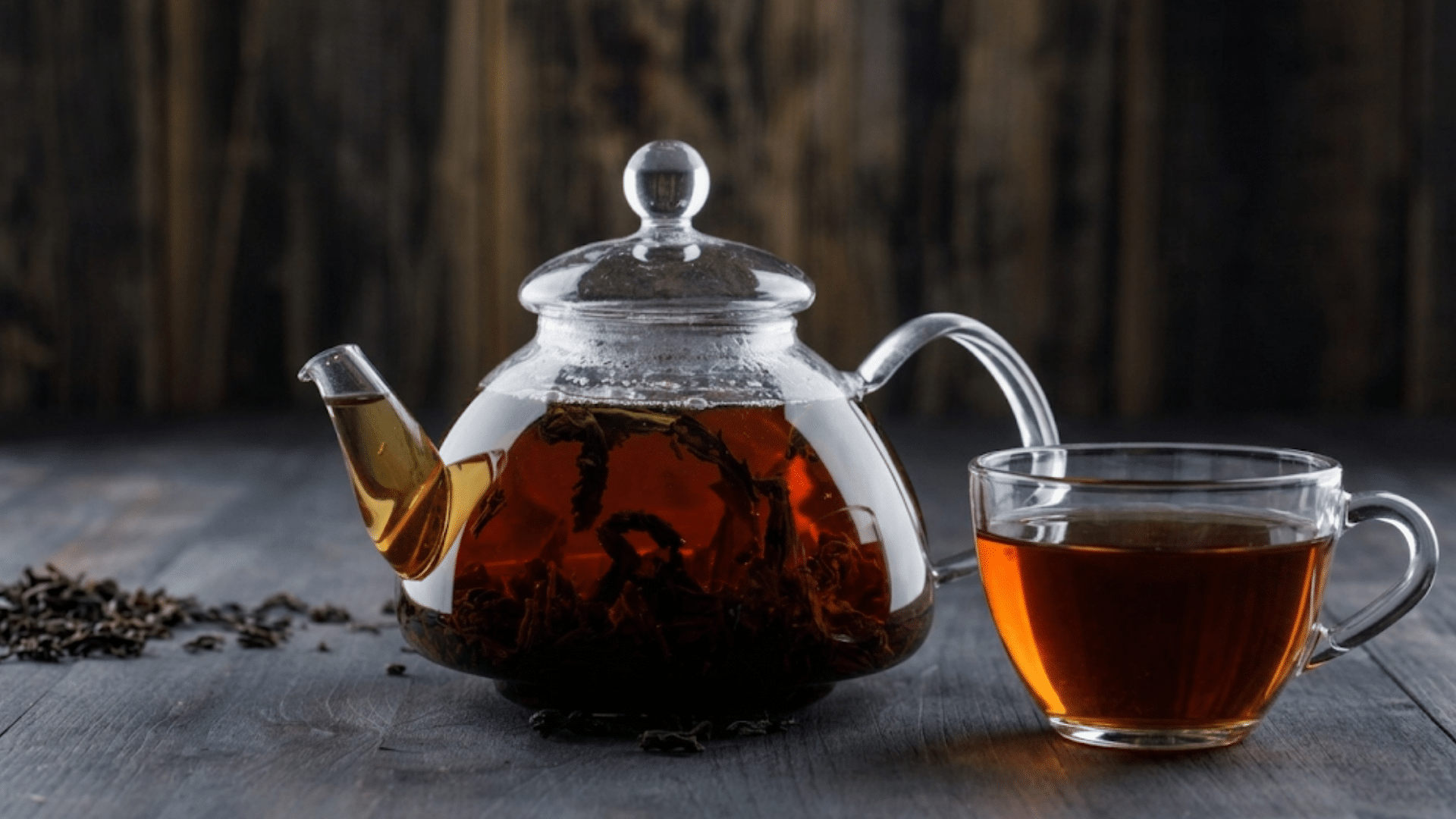
I used to think all black tea tasted the same until I paid closer attention to what was in my cup.
You may have noticed some teas feel strong and heavy, while others taste lighter and smoother. That difference usually comes down to black tea types, not how long you steep them.
When you understand where a tea comes from and how it is processed, picking the right one feels much easier. This guide breaks down flavors, strength levels, and common uses in a clear way.
By the end, you will have a better sense of which black tea types fit your taste and daily routine.
Where Does Black Tea Come From?
Black tea comes from the Camellia sinensis plant and is grown in tea-producing regions around the world. Its unique flavor depends on where it is grown and how the leaves are processed.
Although all true teas come from the same plant, black tea stands out because the leaves are fully oxidized after harvesting, a step that also explains why black tea generally carries more caffeine and a bolder taste than green tea. This process gives it its dark color, bold taste, and rich aroma.
Today, black tea is grown in many parts of the world, with India, China, Sri Lanka, Kenya, and Nepal among the leading producers.
Each growing region creates teas with unique flavors because of differences in climate, soil, altitude, and production methods.
Types of Black Tea You Should Know
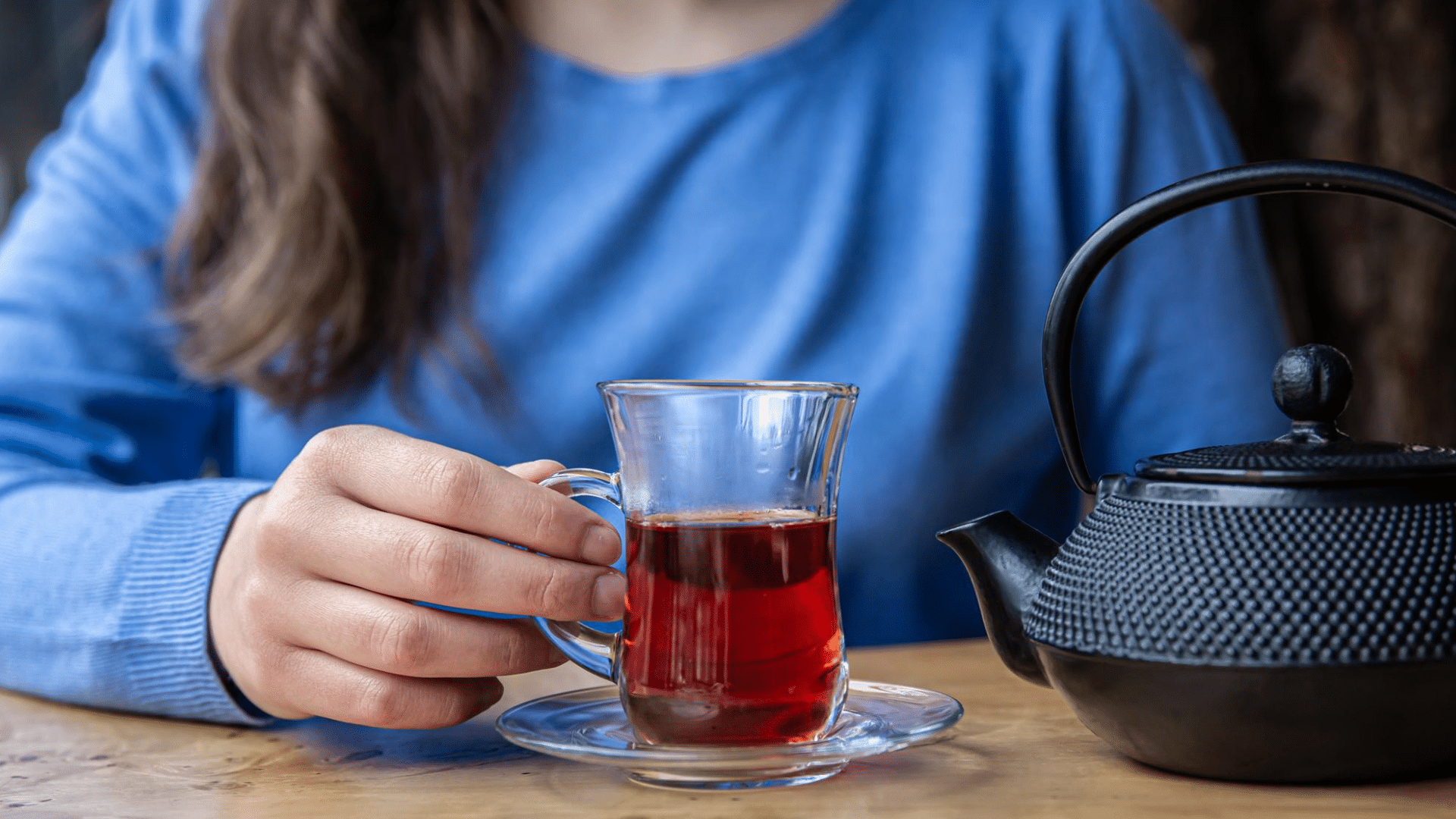
Black tea comes in a wide range of styles, each with its own flavor, aroma, and strength. Understanding these black tea types makes it easier to choose one that suits your taste and brewing preferences.
1. Assam Black Tea
Assam black tea is one of the boldest and most popular black teas in the world. Grown in northeastern India, it produces a rich, full-bodied cup that pairs exceptionally well with milk and sugar.
- Taste: Bold, malty, earthy, and brisk
- Strength: Strong and full-bodied
- Origin: Assam, India
- Best for: Breakfast tea, chai, and milk tea
2. Darjeeling Black Tea
Known as the “Champagne of Teas,” Darjeeling is prized for its delicate floral aroma and fruity muscatel notes. Its lighter body makes it an excellent choice for drinking plain without milk.
- Taste: Floral, fruity, and slightly muscatel
- Strength: Mild to medium
- Origin: Darjeeling, India
- Best for: Afternoon tea and plain sipping
3. Ceylon Black Tea
Ceylon black tea comes from Sri Lanka and is known for its bright, crisp flavor. Different growing regions produce teas with everything from refreshing citrus notes to rich bold flavours.
- Taste: Bright, citrusy, and crisp
- Strength: Medium
- Origin: Sri Lanka
- Best for: Hot tea, iced tea, and blends
4. English Breakfast Tea
English Breakfast is a classic blend known for its smooth yet bold flavor. Made primarily with Assam, Ceylon, and Kenyan teas, it’s a reliable choice for starting the day and tastes especially good with milk.
- Taste: Bold, smooth, and rounded
- Strength: Strong
- Origin: Blend of Assam, Ceylon, and Kenyan teas
- Best for: Morning tea and milk-based drinks
5. Earl Grey Tea
Earl Grey is a flavored black tea infused with bergamot oil, giving it a refreshing citrus aroma. It offers a balanced cup that’s fragrant enough to enjoy on its own yet smooth enough for everyday drinking.
- Taste: Citrusy, fragrant, and slightly bitter
- Strength: Medium
- Origin: Black tea flavored with bergamot oil
- Best for: Afternoon tea and plain sipping
6. Keemun Black Tea
Keemun is a premium Chinese black tea appreciated for its smooth finish and subtle sweetness. Its gentle smoky notes and low bitterness make it an excellent option for those who enjoy delicate flavors.
- Taste: Smooth, mildly sweet, with light smoky notes
- Strength: Medium
- Origin: Anhui, China
- Best for: Plain sipping and traditional tea service
7. Yunnan Black Tea
Yunnan black tea is made from large leaves and golden tips that create a naturally sweet, rich cup. It delivers earthy depth with cocoa-like notes while remaining smooth from the first sip to the last.
- Taste: Sweet, earthy, with cocoa notes
- Strength: Medium to strong
- Origin: Yunnan, China
- Best for: Specialty brewing and plain tea
8. Lapsang Souchong
Lapsang Souchong is famous for its unmistakable smoky flavor, created by drying the leaves over pinewood fires. It’s a distinctive tea that appeals to those who enjoy bold, campfire-like aromas.
- Taste: Smoky, woody, and bold
- Strength: Strong
- Origin: Fujian, China
- Best for: Plain sipping and cooking infusions
9. Nilgiri Black Tea
Grown in the Blue Mountains of southern India, Nilgiri black tea has a clean, bright taste that stays smooth even after cooling. Its balanced flavor makes it a favorite for iced tea and blended teas.
- Taste: Clean, mild, and slightly floral
- Strength: Medium
- Origin: Nilgiri Hills, India
- Best for: Iced tea and blends
10. Scottish Breakfast Tea
Scottish Breakfast tea is crafted for those who prefer a particularly strong morning brew. Its rich body and bold flavor hold up exceptionally well when served with milk.
- Taste: Bold, malty, and heavy
- Strength: Very strong
- Origin: Assam-based breakfast blend
- Best for: Morning tea with milk
11. Irish Breakfast Tea
Irish Breakfast tea is another robust breakfast blend, usually made with a high proportion of Assam tea. It brews into a dark, satisfying cup that’s ideal for everyday mornings.
- Taste: Brisk, malty, and robust
- Strength: Strong
- Origin: Assam-heavy blend
- Best for: Daily morning tea
12. Golden Monkey Black Tea
Golden Monkey is a premium Chinese black tea made from young leaves and golden tips the polyphenols responsible for its smoothness are the same compounds behind black tea’s use in skin-care toners and masks. It is naturally smooth with gentle sweetness and subtle cocoa notes, making it enjoyable without milk.
- Taste: Sweet, smooth, with cocoa hints
- Strength: Medium
- Origin: Fujian, China
- Best for: Plain sipping and specialty teas
13. Dian Hong
Dian Hong is a renowned Yunnan black tea recognized for its golden buds and naturally sweet profile. It offers a rich yet mellow cup with earthy complexity and very little bitterness.
- Taste: Sweet, earthy, and warm
- Strength: Medium
- Origin: Yunnan, China
- Best for: Small-batch brewing and plain tea
14. Russian Caravan Tea
Russian Caravan is a traditional blend of Chinese black teas that combines smooth flavors with a light smoky finish. It offers a balanced profile that’s less intense than heavily smoked teas.
- Taste: Smooth, lightly smoky, and balanced
- Strength: Medium
- Origin: Blend of Chinese black teas
- Best for: Plain sipping
15. Kenyan Black Tea
Kenyan black tea is known for its bold color, brisk taste, and strong body. Its strength makes it a popular ingredient in commercial tea bags and breakfast blends.
- Taste: Bright, brisk, and slightly bitter
- Strength: Strong
- Origin: Kenya
- Best for: Tea bags, blends, and milk tea
16. Nepal Black Tea
Nepal black tea is grown in the Himalayan foothills and shares some similarities with Darjeeling. It produces a light, floral cup with a smooth finish that’s best enjoyed on its own.
- Taste: Light, floral, and clean
- Strength: Medium
- Origin: Nepal
- Best for: Plain sipping and light brewing
17. Sikkim Black Tea
Produced in one of India’s smallest tea-growing regions, Sikkim black tea is appreciated for its smooth texture and naturally balanced flavor. It offers a gentle cup without overwhelming bitterness.
- Taste: Smooth, mild, and slightly sweet
- Strength: Medium
- Origin: Sikkim, India
- Best for: Plain tea
18. Turkish Black Tea
Turkish black tea is a staple of daily life in Turkey and is traditionally served strong in small glasses. Its clean, robust flavor is usually enjoyed without milk, though sugar is commonly added.
- Taste: Strong, clean, and slightly bitter
- Strength: Strong
- Origin: Turkey
- Best for: Everyday tea drinking
19. Georgian Black Tea
Georgian black tea offers a mild, earthy flavor with a smooth finish. It’s a good option for those who enjoy subtle black teas that are easy to drink throughout the day.
- Taste: Mild and earthy
- Strength: Medium
- Origin: Georgia
- Best for: Plain sipping
20. Rize Black Tea
Rize black tea comes from Turkey’s Black Sea region and is known for its brisk, clean flavor. It is traditionally brewed strong and served hot without milk.
- Taste: Brisk, clean, and slightly sharp
- Strength: Medium to strong
- Origin: Rize, Turkey
- Best for: Daily tea
21. Chinese Black Tea (Hong Cha)
Hong Cha refers to the broad category of Chinese black teas, which are generally smoother and naturally sweeter than many breakfast blends. They are typically enjoyed plain to appreciate their delicate flavor.
- Taste: Smooth and mildly sweet
- Strength: Medium
- Origin: China
- Best for: Plain sipping
22. Smoky Black Tea
Smoky black tea is made using traditional smoke-drying techniques that create a bold, lingering aroma. Its distinctive flavor also makes it a unique ingredient in certain recipes.
- Taste: Smoky and bold
- Strength: Strong
- Origin: China
- Best for: Plain tea and cooking
23. Himalayan Black Tea
Himalayan black tea is grown in cool mountain climates, producing a soft, balanced flavor with delicate floral notes. It’s an excellent choice for those who enjoy lighter black teas without milk.
- Taste: Light, clean, and slightly floral
- Strength: Medium
- Origin: Himalayan mountain regions
- Best for: Plain sipping and light brewing
Understanding Black Tea Leaf Grades
Black tea grades describe the size of the processed leaves, not the tea’s overall quality. Leaf size mainly affects how quickly the tea brews and how strong the finished cup becomes.
- Orange Pekoe (OP): Whole leaves that brew slowly and produce a smoother, milder cup.
- Broken Orange Pekoe (BOP): Smaller leaves that steep faster and create a stronger brew.
- Fannings: Small leaf pieces that brew quickly and are commonly used in tea bags.
- Dust: The finest tea particles, producing the fastest and strongest infusion.
Leaf grade indicates brewing characteristics, not quality. A well-crafted BOP tea can easily outperform a poorly processed whole-leaf tea
Caffeine Levels in Different Black Tea Types
While all black teas naturally contain caffeine, the amount can vary depending on the tea variety, leaf grade, and brewing time. In general, breakfast blends and Assam teas contain more caffeine, while lighter varieties tend to have slightly less.
| Black Tea Type | Approx. Caffeine (8 oz Cup) | Caffeine Level |
|---|---|---|
| Assam | 50–90 mg | High |
| Scottish Breakfast | 50–80 mg | High |
| Irish Breakfast | 45–80 mg | High |
| English Breakfast | 40–70 mg | Medium–High |
| Kenyan | 40–70 mg | Medium–High |
| Earl Grey | 40–70 mg | Medium |
| Ceylon | 40–70 mg | Medium |
| Yunnan (Dian Hong) | 35–60 mg | Medium |
| Keemun | 30–50 mg | Medium |
| Darjeeling | 30–50 mg | Low–Medium |
| Nilgiri | 30–50 mg | Low–Medium |
| Nepal | 25–45 mg | Low–Medium |
Note: Caffeine content varies based on the amount of tea used, leaf size, and steeping time.
How to Brew Black Tea?
Brewing black tea correctly brings out its full flavor without making it bitter. Follow these simple steps for a balanced and enjoyable cup.
- Heat fresh water to 200–212°F (93–100°C).
- Add 1 teaspoon of loose-leaf tea or 1 tea bag per 8-ounce cup.
- Pour the hot water over the tea leaves.
- Steep for 3–5 minutes, depending on how strong you like it, though a shorter steep with the same leaves works well if you’re brewing for iced tea instead of a hot cup.
- Remove the tea leaves or tea bag to prevent bitterness.
- Enjoy it plain or add milk, lemon, honey, or sugar to taste.
Conclusion
After trying different black tea types myself, I realized there is far more variety than I ever expected.
Every black tea offers something unique depending on your taste, caffeine preference, and brewing style.
My advice is to start with one or two varieties that match your preferences, then slowly branch out and discover new favorites along the way. Tea is a personal experience, and finding the one you truly enjoy is part of the fun.
What’s your favorite black tea type, or which one are you excited to try next? Share your thoughts and experiences in the comments below!
Frequently Asked Questions
Can Black Tea Go Bad?
Black tea does not spoil easily, but it gradually loses its flavor and aroma if stored improperly or kept for too long.
Can You Reuse Black Tea Leaves?
Yes, many loose-leaf black teas can be steeped two or three times, with each infusion producing a slightly different flavor.
Is Loose-Leaf Black Tea Better Than Tea Bags?
Loose-leaf black tea generally offers better flavor and aroma because it contains larger, higher-quality leaves than most tea bags.