
Tea is a daily favorite for many people, enjoyed as a refreshing drink, a morning boost, or a calming evening beverage.
But if you are paying attention to your calorie intake, you may wonder how many calories are in tea and what factors influence its nutritional value.
Plain brewed tea is naturally low in calories, but ingredients like sugar, milk, honey, and flavored syrups can significantly change the total amount.
This guide explores the calorie content of different tea varieties, their nutrition facts, and how common additions affect your drink.
Learn how to make smarter tea choices while enjoying your favorite flavors without overlooking their impact on your daily diet.
How Many Calories Are In Tea?
According to Healthline, plain brewed tea without sugar, milk, or sweeteners usually contains about 0–5 calories per 8-ounce cup because tea leaves provide very little energy.
Black tea, green tea, and herbal teas are naturally low-calorie options when consumed without additives.
However, adding ingredients like sugar, honey, cream, or milk can increase the calorie content significantly.
For example, sweetened tea or milk-based tea drinks may contain dozens or even hundreds of calories depending on the recipe and serving size. Choosing unsweetened tea keeps the calorie count minimal.
Calories In Different Types Of Tea
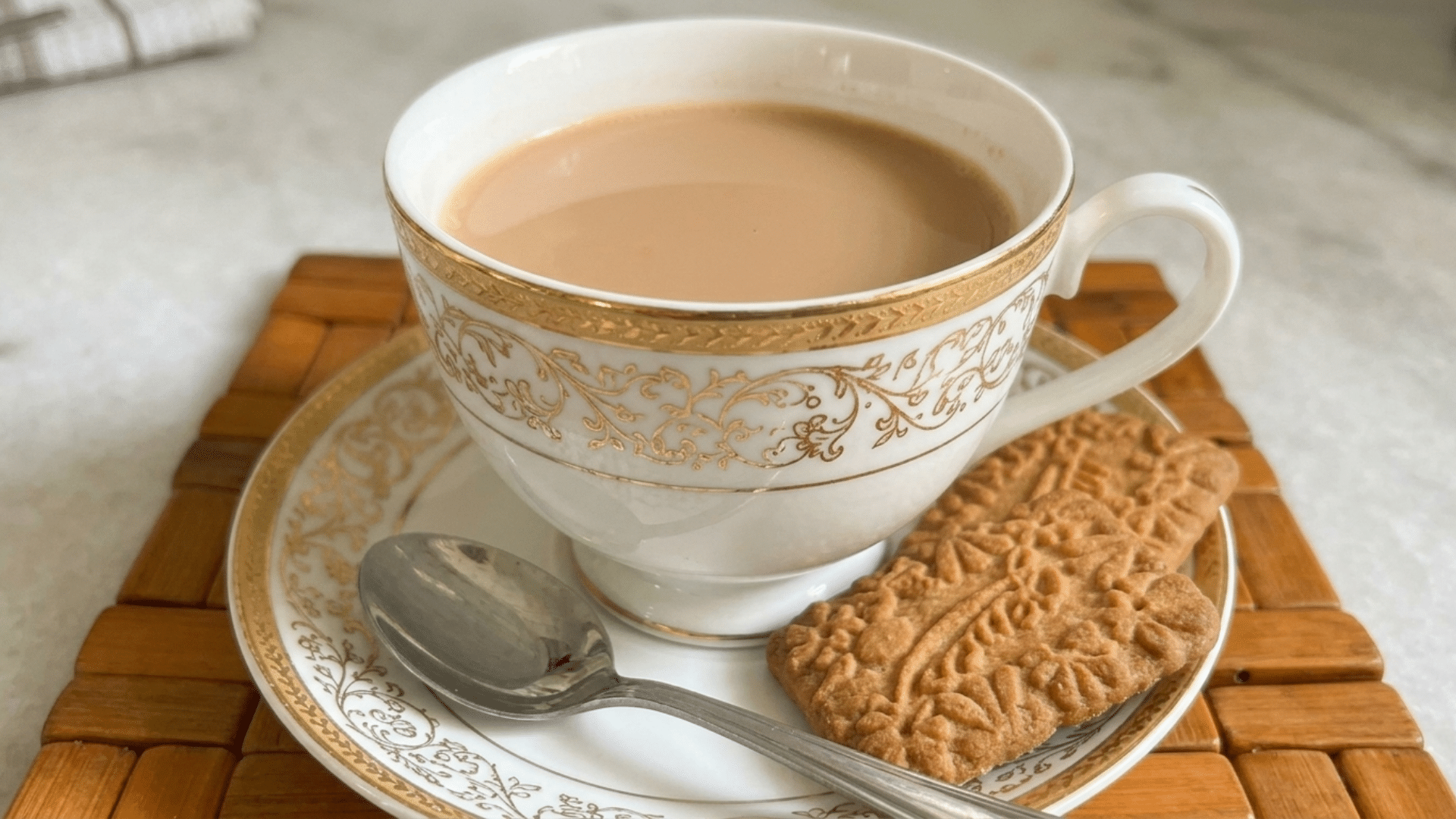
As per Nutracheck, tea calories can vary depending on the tea variety, preparation method, and ingredients added. While plain teas are naturally low in calories, additions can significantly change the nutritional value.
1. Black Tea
Black tea is a naturally low-calorie beverage when enjoyed without added ingredients.
An 8-ounce cup of plain black tea contains around 2 calories and provides very small amounts of carbohydrates, sugar, and fat.
The calorie content increases when ingredients like milk, cream, sugar, or flavored syrups are added.
Unsweetened black tea remains a simple choice for those who want a flavorful drink while keeping their calorie intake low.
2. Green Tea
Green tea is another low-calorie option, with an 8-ounce serving containing about 2 calories when consumed without sweeteners or additives.
It contains natural plant compounds from tea leaves but provides minimal energy. Adding honey, sugar, milk, or flavored ingredients can increase the total calorie amount.
Plain green tea is often preferred by people looking for a light beverage that offers taste without adding many calories to their daily intake.
3. Herbal Tea
Herbal teas such as chamomile, peppermint, ginger, and hibiscus tea are generally very low in calories when prepared without sweeteners.
Most unsweetened herbal teas contain around 0–5 calories per cup, depending on the ingredients used.
Since they are made from herbs, flowers, fruits, and spices rather than traditional tea leaves, their nutritional value can vary.
Adding honey, sugar, or milk can increase the calorie content and change the overall profile of the drink.
4. Chai Tea
Chai tea contains more calories than plain teas because it is commonly prepared with milk, spices, and sweeteners.
A traditional cup of chai may contain around 60–120 calories, depending on the amount of milk and sugar used.
Store-bought and café versions often contain more calories because they may include sweetened concentrates, whipped toppings, or flavored syrups.
Preparing chai at home allows better control over ingredients and overall calorie content.
5. Milk Tea
Milk tea has a higher calorie content compared with plain tea because of the addition of milk and sweeteners.
A typical serving may contain around 30–100 calories or more, depending on the milk type, quantity, and added sugar.
Whole milk and cream create a richer drink with more calories, while lighter milk options can reduce the amount.
Bubble milk tea varieties contain significantly more calories due to sugar, tapioca pearls, and additional toppings.
6. Sweet Tea
Sweet tea contains more calories than unsweetened varieties because of the sugar added during preparation.
A typical 16-ounce serving can contain around 100–150 calories, depending on the sweetness level and recipe.
Homemade sweet tea allows you to adjust the amount of sugar used, while bottled and restaurant versions may contain higher amounts.
Reducing sugar or choosing lightly sweetened options can help lower the overall calorie content while maintaining the refreshing taste.
7. Iced Tea
Iced tea can be a low-calorie beverage when made with brewed tea and no added sweeteners. An unsweetened 8-ounce serving typically contains around 0–5 calories.
However, many bottled and café-style iced teas include added sugar, fruit flavors, or syrups that increase the calorie amount.
Choosing unsweetened iced tea or checking nutrition labels can help you enjoy a refreshing drink while keeping additional calories from added ingredients under control.
8. Matcha Tea
Matcha tea contains slightly more calories than regular brewed tea because it uses finely ground tea leaves that are consumed completely.
A teaspoon of matcha powder usually adds around 5–10 calories before adding other ingredients.
Plain matcha remains a low-calorie drink, but matcha lattes can contain significantly more calories due to milk, sweeteners, and flavored syrups. The final calorie amount depends on the recipe and serving size.
What Adds Calories To Tea?
Tea itself is naturally low in calories, but added ingredients can quickly increase its calorie content. Sweeteners, dairy products, and toppings are the main factors that make tea more calorie-dense.
| Added Ingredient | Approximate Calories | Effect On Tea |
|---|---|---|
| Sugar (1 teaspoon) | 16 calories | Adds sweetness and increases calories quickly, especially when multiple teaspoons are used. |
| Honey (1 teaspoon) | 21 calories | A natural sweetener that still adds sugar and calories to tea. |
| Whole Milk (2 tablespoons) | 18–20 calories | Adds creaminess, fat, and extra calories to the drink. |
| Cream (1 tablespoon) | 50 calories | Increases calories due to its higher fat content. |
| Plant-Based Milk (2 tablespoons) | 5–15 calories | Calorie amounts vary based on the type and whether it is sweetened. |
| Flavored Syrups (1 tablespoon) | 50–60 calories | Adds concentrated sugar and extra calories to specialty teas. |
| Condensed Milk (2 tablespoons) | 120+ calories | Contains high amounts of sugar and milk solids, making tea much richer. |
| Tapioca Pearls (Bubble Tea) | 100–150+ calories | Adds significant calories because of its starch content. |
Lowest Calorie Tea Options
Choosing unsweetened tea is one of the easiest ways to enjoy a flavorful drink while keeping calories low. Most teas contain only a few calories, making them suitable options for people monitoring their intake.
| Tea Option | Approximate Calories (8 oz) | Why It Is Low In Calories |
|---|---|---|
| Green Tea | 2 calories | Green tea is naturally low in calories and contains no added sugar when served plain. |
| Black Tea | 2 calories | Plain black tea provides strong flavor with very little energy and no added calories. |
| Herbal Tea | 0–5 calories | Herbal teas made from herbs, flowers, and spices are naturally light when consumed without sweeteners. |
| White Tea | 2 calories | White tea has a delicate flavor and minimal calories when brewed without additions. |
| Oolong Tea | 2 calories | Unsweetened oolong tea offers a rich taste while keeping calorie content very low. |
| Peppermint Tea | 0–5 calories | Peppermint tea is naturally calorie-free when prepared without sugar, milk, or honey. |
| Chamomile Tea | 0–5 calories | Chamomile tea provides a calming beverage option with almost no calories in its plain form. |
| Unsweetened Iced Tea | 0–5 calories | Brewed iced tea without sugar or syrups remains a refreshing low-calorie choice. |
How To Make Tea Lower In Calories
Choosing simple ingredients and limiting high-calorie additions can make your favorite tea a lighter beverage option.
- Reduce Added Sugar
- Choose Unsweetened Tea
- Use Less Milk or Cream
- Try Natural Flavor Additions
- Avoid High-Calorie Toppings
- Prepare Tea at Home
Conclusion
Understanding how many calories are in tea can help you make informed choices while continuing to enjoy your favorite beverages.
Plain teas like green tea, black tea, and herbal tea are naturally low in calories, but additions such as sugar, milk, cream, and syrups can quickly increase their nutritional value.
Choosing unsweetened varieties, limiting high-calorie ingredients, and paying attention to serving sizes can help keep your tea lighter.
With the right preparation, tea can remain a flavorful and balanced part of your daily routine. Learn more about your tea choices and share your preferred low-calorie tea options with others.
Frequently Asked Questions
Is Tea Really 0 Calories?
Plain unsweetened tea is not always exactly 0 calories but usually contains about 0–5 calories per cup due to natural compounds from tea leaves.
How Many Calories Are in Tea with Milk?
A cup of tea with milk usually contains around 20–50 calories, depending on the amount and type of milk, plus any added sugar or sweeteners.
Is Tea Healthier than Coffee?
Tea and coffee can both be healthy choices. Tea often contains more antioxidants, while coffee usually provides more caffeine. The healthier option depends on preparation and personal preferences.