
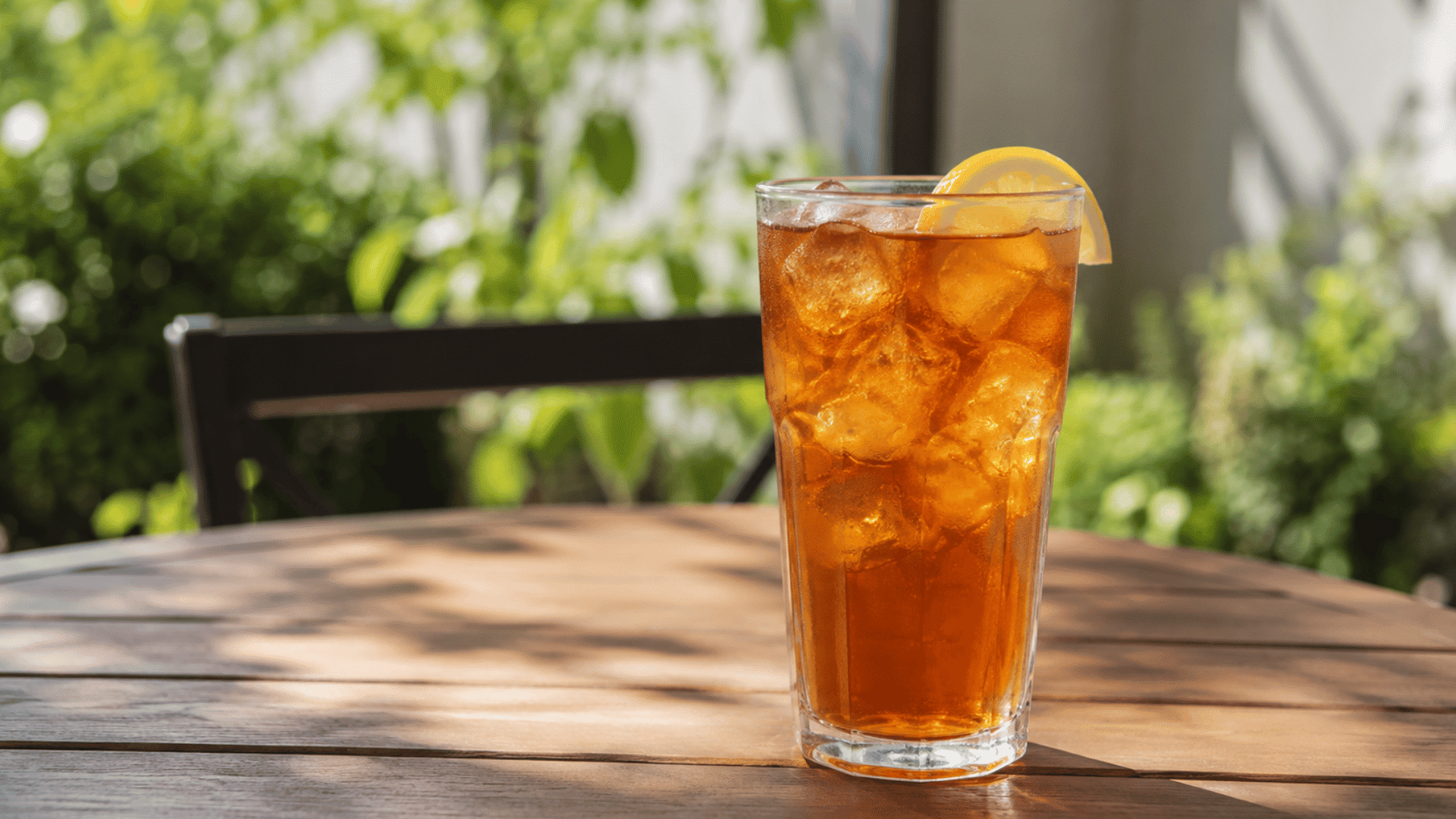
You reach for a glass of iced tea on a hot afternoon, expecting a light, refreshing pick-me-up. But how much caffeine are you actually drinking? The answer might surprise you.
Understanding iced tea caffeine content matters more than most people realize, since some varieties pack nearly as much caffeine as a cup of coffee, while others barely register at all.
It all comes down to the type of tea, how it’s brewed, and even the brand you choose.
If you’re trying to manage your energy levels, sleep better, or just curious what’s in your cup, this guide breaks it all down.
This article is for general information and isn’t medical advice. Needs vary by person, so if you’re pregnant, nursing, managing a condition, or sensitive to caffeine, check with a healthcare professional.
Quick Answer: How Much Caffeine Is in Iced Tea?
Iced tea typically contains 25 to 50 milligrams of caffeine per 8-ounce serving, about half the amount in a cup of coffee.
The exact amount depends on how strong it’s brewed, how long the tea steeps, and the brand you choose.
Bottled and fountain versions can also vary, so checking the label gives you the most accurate number.
A Glimpse at The Nutritional Value
For unsweetened, Per 8 fl oz / 240 ml :
| Nutrient | Approx. Amount (Per 8 fl oz) |
|---|---|
| Calories | 2 kcal |
| Carbohydrates | 0 g |
| Sugars | 0 g |
| Sodium | 7 mg |
| Caffeine | 20–70 mg* |
*Caffeine content varies depending on the tea type, brewing method, and brand.
Caffeine Content in Different Iced Teas
An 8-ounce glass of iced tea typically contains 20 to 60 mg of caffeine, depending on the type of tea used and how it is brewed.
- Black Iced Tea: 40–70 mg (High)
- Matcha Iced Tea: 60–80 mg (Very High)
- Oolong Iced Tea: 30–50 mg (Moderate)
- Green Iced Tea: 20–45 mg (Moderate)
- White Iced Tea: 15–30 mg (Low)
- Herbal Iced Tea: 0 mg (Caffeine-Free)
What Affects Iced Tea Caffeine Content?
Several factors determine the caffeine content of iced tea, including the type of tea leaves, brewing time, and water temperature.
Black tea typically contains more caffeine than green or white tea, while herbal teas are naturally caffeine-free.
The amount of tea leaves used and the strength of the brew also affect caffeine levels.
Although adding more ice dilutes the drink, it does not reduce the total amount of caffeine already present.
Note: A short steep (2–3 minutes) produces a milder tea with lower caffeine, while a long steep (5–7 minutes) creates a bolder flavor and extracts more caffeine.
Things I Look for When Choosing the Right Iced Tea
The best way to choose iced tea is to check the tea type, caffeine content, ingredients, and serving size instead of relying on the front label.
Black, green, white, herbal, and matcha teas all differ in flavor and caffeine, so the tea type matters.
It’s also helpful to check if the brand lists its caffeine content and to review the ingredients for artificial sweeteners or unnecessary additives.
Looking at the tea-to-sugar balance and serving size can give you a better idea of what you’re actually drinking.
Popular Iced Tea Brands and Their Caffeine Content
- Pure Leaf: ~63 mg (16.9 fl oz)
- Gold Peak Sweet Tea: ~44 mg (18.5 fl oz)
- Snapple Lemon Tea: ~37 mg (16 fl oz)
- Lipton Brisk: ~11 mg (12 fl oz)
- Arizona Green Tea: ~15 mg (8 fl oz)
- Milo’s Sweet Tea: ~38 mg (16 fl oz)
- Honest Tea: ~90 mg (16.9 fl oz)
Note: Manufacturers may change their recipes over time, so checking the nutrition label is the best way to know the caffeine content of a specific product.
Caffeine Free Alternatives to Iced Tea
If you’d rather skip the caffeine, these refreshing drinks offer similar flavors while keeping your beverage naturally caffeine-free.
-
Herbal Iced Tea: Caffeine-free herbal blends like chamomile, peppermint, rooibos, and hibiscus provide a refreshing alternative to traditional iced tea.
-
Fruit-Infused Water: Chilled water infused with fruits such as lemon, berries, orange, cucumber, or mint delivers fresh flavor without caffeine.
-
Cold-Brewed Herbals: Steeping herbs like lemongrass, ginger, lavender, or lemon balm in cold water creates a smooth, naturally caffeine-free drink.
For a deeper look at your options, here’s how to spot truly caffeine-free tea labels before you buy.
Conclusion
Not all iced tea contains the same amount of caffeine, and that’s what makes checking the details worthwhile.
I’ve found that paying attention to the tea type, brewing method, serving size, and brand makes it much easier to choose a drink that fits my day.
If I want an energy boost, I reach for black or matcha iced tea. When I’m cutting back, green, white, or herbal options are usually a better fit.
A quick look at the label can save a lot of guesswork. With the right choice, you can enjoy a refreshing glass of iced tea while staying within your preferred caffeine intake.
Frequently Asked Questions
Can You Reduce the Caffeine in Iced Tea?
Yes, you can reduce the caffeine in iced tea, although you can’t remove it completely unless you choose a decaffeinated or naturally caffeine-free option.
What Is the 2 Hour Coffee Rule?
The 2 hour coffee rule suggests waiting about two hours after waking before drinking coffee to align better with your body’s natural cortisol levels. Evidence is limited.
How Can You Flush Caffeine Out of Your System?
You can’t flush caffeine out quickly. Staying hydrated, eating balanced meals, exercising lightly, and giving your body time are the most effective ways to reduce its effects.
What’s the Healthiest Iced Tea to Drink?
Unsweetened green or black iced tea is generally the healthiest choice because it contains antioxidants and little to no added sugar or calories.
Is Iced Tea Healthier Than Coca-Cola?
Yes, unsweetened iced tea is usually healthier than Coca-Cola because it contains less sugar and fewer calories while providing beneficial antioxidants.
What Is the #1 Unhealthiest Soda?
No single soda is officially the unhealthiest, but large, sugar-sweetened soft drinks are among the least healthy due to their high sugar and calorie content.