


A well-planned artificial turf installation can transform an ordinary backyard into an attractive, functional outdoor space without the ongoing demands of natural grass maintenance.
However, removing existing grass, clearing debris, preparing the ground, and managing construction waste can make the renovation process more complicated than many homeowners anticipate.
Combining waste bin rentals with professional artificial turf installation helps homeowners manage these challenges while keeping their backyard renovation organized and efficient.
Whether you are creating a pet-friendly garden, an outdoor entertainment area, or a low-maintenance family backyard, coordinating landscaping and waste removal can save considerable time and effort.
Why Backyard Makeovers Require Proper Planning
Backyard renovations often involve more work than simply replacing an existing lawn with synthetic grass.
Old vegetation, damaged paving stones, unwanted garden features, compacted soil, and deteriorating landscaping materials may need removal before installation begins.
Without a proper waste management plan, these materials can accumulate around the property, restrict access, and delay construction.
For example, a homeowner replacing a large natural lawn might underestimate how much soil, grass, and organic debris the project generates.
Using waste bin rentals provides a designated disposal area, allowing landscaping professionals to concentrate on preparing the yard rather than repeatedly transporting debris.
Planning both services together creates a more manageable renovation schedule and reduces unnecessary disruptions.
How Artificial Grass Transforms Outdoor Spaces
Synthetic turf offers homeowners an alternative to traditional lawns that require regular watering, mowing, fertilizing, and seasonal maintenance.
Modern artificial grass products feature realistic blade textures, varying green tones, and durable backing materials designed for residential landscaping applications.
Homeowners can select different pile heights, fiber densities, and turf varieties depending on how they intend to use their outdoor spaces.
Creating a Low-Maintenance Backyard
Maintaining natural grass can become expensive and time-consuming, particularly in regions experiencing hot summers or limited rainfall.
Artificial lawns eliminate routine mowing and substantially reduce irrigation requirements, making outdoor maintenance easier for busy households.
Homeowners can spend more time enjoying their gardens instead of repairing bare patches, controlling weeds, or adjusting sprinkler systems.
Designing Pet-Friendly Outdoor Areas
Natural lawns frequently develop muddy patches, holes, and discoloration when pets use the same areas repeatedly.
Pet-friendly synthetic grass with appropriate drainage and infill materials provides a practical alternative for households with dogs.
Regular cleaning and rinsing help manage odors while maintaining a cleaner outdoor environment.
Improving Outdoor Entertainment Spaces
Artificial grass can complement patios, outdoor kitchens, seating areas, swimming pools, and decorative garden features.
A homeowner renovating a backyard for weekend gatherings might combine synthetic lawn surfaces with stepping stones, comfortable seating, and landscape lighting.
The result is an inviting outdoor area that requires less routine upkeep.
The Role of Waste Bin Rentals in Backyard Renovations
Waste disposal is an important part of landscaping projects, yet homeowners frequently overlook it when calculating renovation expenses.
Even relatively small backyard improvements can generate substantial quantities of unwanted materials.
A rental dumpster provides a convenient place to collect permitted waste throughout the project without cluttering driveways, walkways, or garden areas.
Managing Existing Landscaping Debris
Before laying synthetic grass, installers typically remove existing sod, weeds, roots, and portions of the underlying soil.
Depending on the property’s condition, preparation may also involve removing damaged edging, gravel, broken pavers, and outdated garden structures.
Having a suitable waste container available allows workers to dispose of approved materials immediately instead of creating temporary debris piles.
Homeowners should confirm whether the rental provider accepts soil, concrete, organic waste, and mixed construction debris, as disposal restrictions vary.
Reducing Multiple Disposal Trips
Transporting landscaping waste using a personal vehicle or small trailer can require several trips to a disposal facility.
These trips consume fuel, increase labor requirements, and interrupt the renovation schedule.
A appropriately sized rental bin allows waste to be collected in one location before scheduled pickup, reducing unnecessary transportation.
Maintaining a Cleaner Work Environment
Loose debris can create tripping hazards and restrict movement around an active landscaping project.
Keeping unwanted materials inside a designated container helps maintain clearer access routes for workers and equipment.
It also reduces the likelihood of waste spreading into neighboring properties or other finished areas of the backyard.
Understanding the Synthetic Turf Installation Process
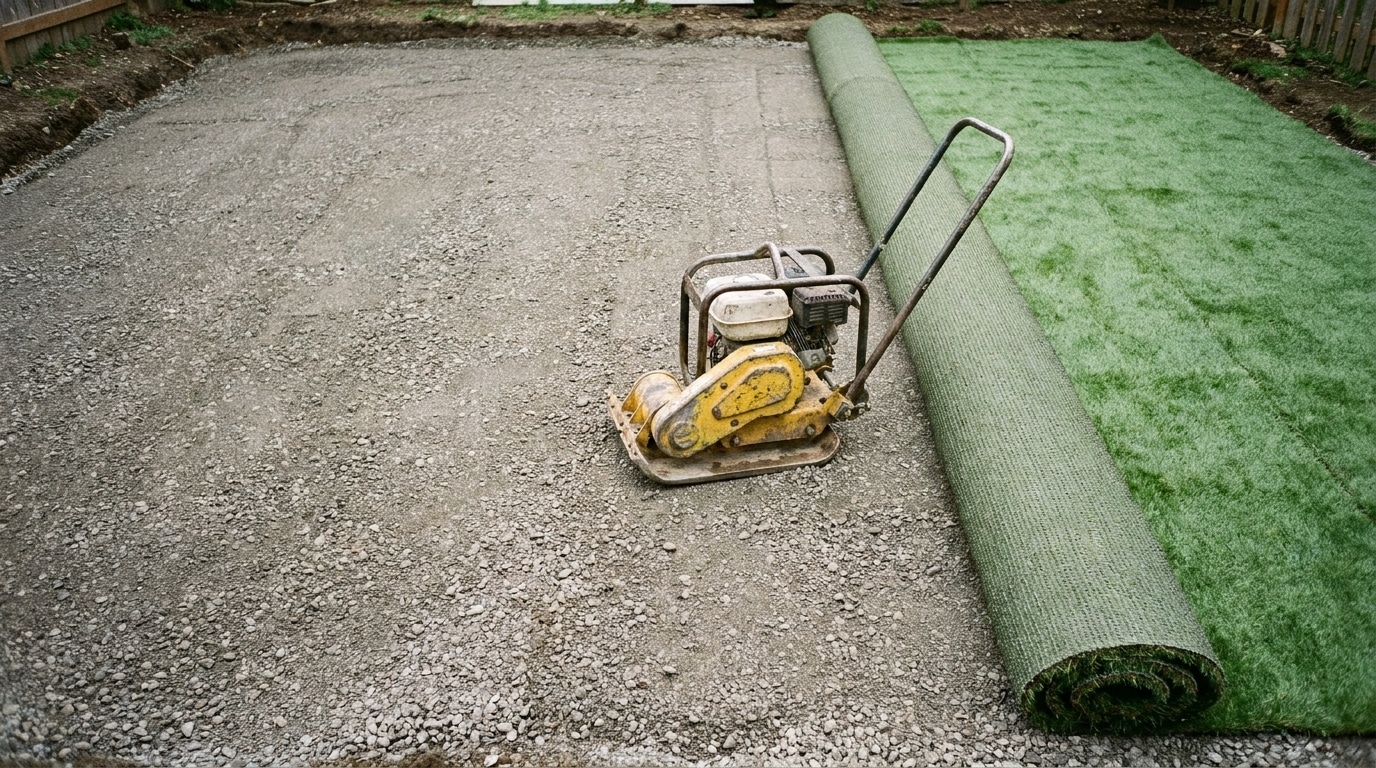
Installing artificial grass involves several preparation stages that influence the appearance, drainage, and durability of the finished lawn.
Skipping essential steps can lead to uneven surfaces, visible seams, drainage problems, and premature deterioration.
Removing Existing Grass and Preparing the Ground
The installation process generally begins with removing natural grass and excavating the required depth of soil.
Workers then evaluate the ground conditions, drainage patterns, and existing landscape features.
Waste bins are particularly useful during this stage because excavation can generate significant quantities of heavy material.
Installing and Compacting the Base
A properly prepared aggregate base provides a stable foundation beneath the synthetic lawn.
Crushed stone or other suitable base materials are spread, graded, and compacted to create an even surface that supports effective drainage.
The appropriate base depth depends on soil conditions, intended usage, and installation requirements.
Laying and Securing Synthetic Grass
Once the foundation is ready, turf rolls are positioned, trimmed, joined, and secured according to the project’s specifications.
Installers pay particular attention to blade direction, seam alignment, perimeter fastening, and transitions between different landscaping surfaces.
Suitable infill may then be distributed across the lawn to support the grass fibers and improve surface stability.
Choosing the Right Waste Bin for Your Landscaping Project
Selecting an appropriately sized dumpster helps homeowners avoid unnecessary rental expenses and unexpected disposal complications.
A small garden renovation may require only a compact waste container, while extensive excavation and hardscape removal may demand additional capacity.
Heavy materials such as soil and concrete often have specific weight restrictions, regardless of the container’s physical size.
Discussing the expected waste volume with both the landscaping contractor and rental provider helps determine the most suitable disposal arrangement.
Homeowners should also consider driveway accessibility, container placement, rental duration, and any applicable local permit requirements.
How Coordinating Both Services Saves Time and Money
Scheduling waste removal alongside synthetic grass installation can prevent unnecessary delays between different renovation stages.
For instance, arranging dumpster delivery before excavation begins allows contractors to remove unwanted materials without interrupting ground preparation.
Scheduling collection after the installation is complete provides additional time to dispose of approved turf offcuts, packaging, and remaining landscaping debris.
This coordinated approach can reduce labor interruptions, transportation costs, and unexpected cleanup expenses.
Homeowners also benefit from having a clearer understanding of the overall renovation budget before construction begins.
Maintaining Your Backyard After the Makeover
Although synthetic grass requires considerably less maintenance than natural lawns, occasional cleaning remains important.
Removing fallen leaves, brushing flattened grass fibers, and rinsing areas frequently used by pets can help preserve the lawn’s appearance.
Homeowners should periodically inspect drainage areas, turf seams, and perimeter edging for signs of damage or movement.
Keeping surrounding trees, garden beds, and decorative features well maintained also contributes to a cleaner outdoor environment.
Final Thoughts
A successful backyard makeover depends on more than selecting attractive landscaping materials.
Proper ground preparation, efficient waste management, quality synthetic grass, and careful installation all contribute to a functional and visually appealing outdoor space.
By coordinating synthetic turf services with waste bin rentals, homeowners can simplify renovation logistics, minimize unnecessary expenses, and maintain a cleaner property throughout construction.
With thoughtful planning and appropriate materials, an outdated backyard can become a comfortable, low-maintenance outdoor retreat that supports everyday living for years to come.