
Winter has a funny way of changing the rules. A crisp salad that sounded perfect in July can feel downright insulting when it is 25 degrees outside, while the couch suddenly develops a gravitational pull by 5 p.m. Staying healthy through the colder months does not require living on raw vegetables or forcing yourself through workouts you hate. A better approach combines satisfying seasonal food, regular movement, smart outdoor habits and enough rest to keep your energy from disappearing before dinner.
Make Winter Food Work Harder
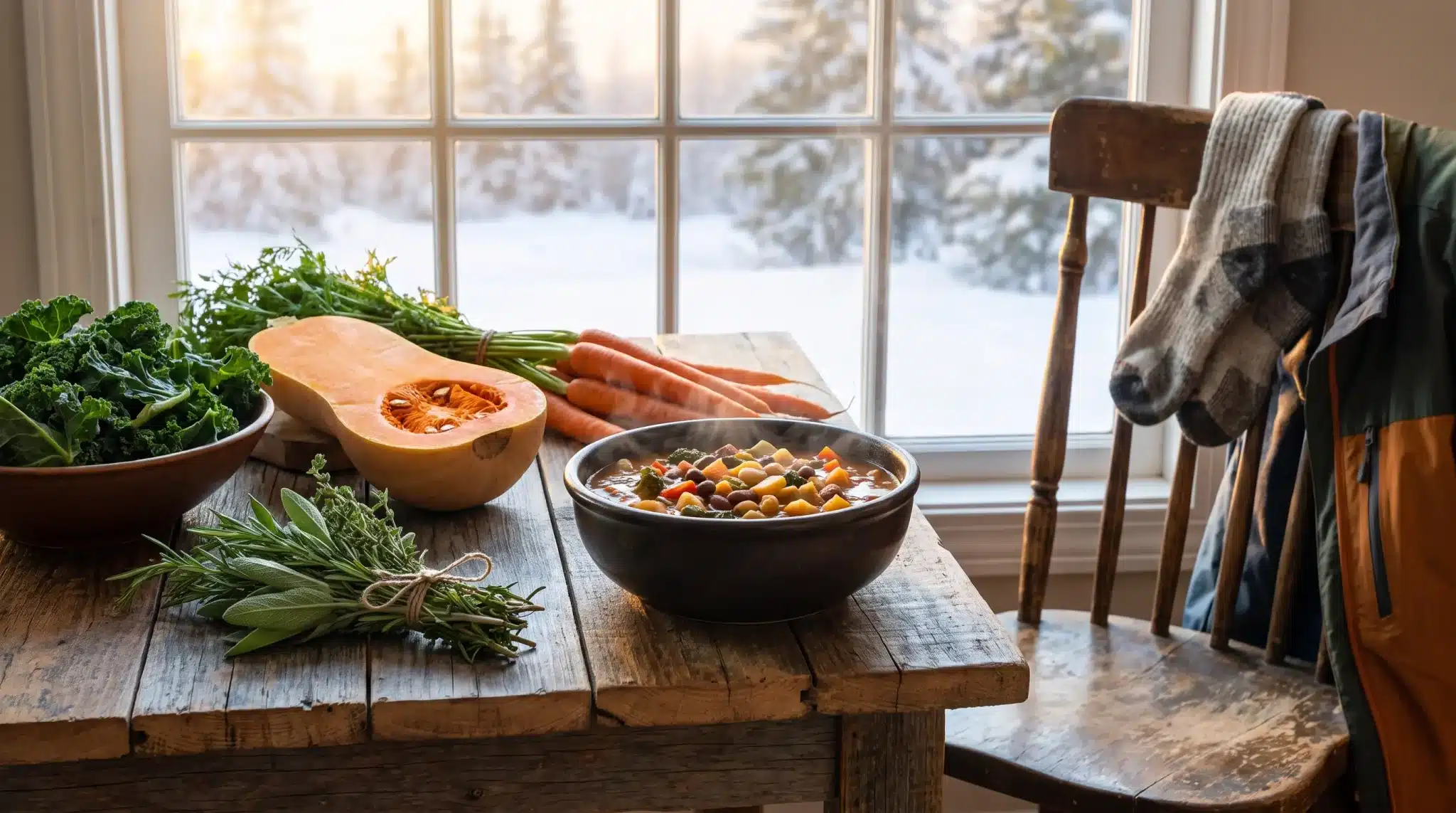
Cold weather practically begs for soups, stews, casseroles and other warm meals, and there is no reason to fight it. The trick is building those meals around ingredients that deliver plenty of nutrition along with the comfort. Beans, lentils, chicken, turkey, eggs, fish and lean cuts of meat provide protein, while potatoes, squash, carrots, cabbage and leafy greens bring fiber, vitamins and minerals to the table.
Winter is also a good time to rediscover the freezer aisle. Frozen berries, broccoli, spinach and other produce can make healthy eating easier when fresh options look tired or cost more than expected. Keep a few versatile staples around so dinner does not depend on motivation. A pot of chili, vegetable soup or chicken stew can cover several meals and often tastes even better the next day.
Support Your Metabolism Daily
Holiday meals and colder temperatures sometimes inspire people to jump into restrictive diets in January, but dramatic changes are rarely necessary. If your goal is to improve metabolic health, focus first on everyday behaviors you can actually maintain. Regular physical activity, adequate sleep, balanced meals and sufficient protein and fiber create a much stronger foundation than a week of green juice and regret.
Try pairing carbohydrates with protein, healthy fats or fiber instead of eating them alone. Oatmeal becomes more filling with nuts and berries. Toast works harder when topped with eggs or avocado. An apple paired with peanut butter makes a more substantial afternoon snack. These combinations can help meals feel satisfying and make it easier to avoid grazing simply because the kitchen is nearby.
Do not forget water, either. People may feel less thirsty during cold weather, particularly when they are not sweating through summer heat. Keep water nearby throughout the day, and count unsweetened tea or sparkling water toward your fluid intake if plain water loses its appeal.
Get Outside Without Freezing

Winter exercise does not have to mean spending an hour on a treadmill staring at a wall. Walking, hiking, skiing and running can all provide an excuse to get outside, but clothing can determine whether that excursion lasts 15 minutes or an entire afternoon. Start with breathable layers that help manage moisture, then adjust insulation according to the weather and your activity level.
Pay particular attention to your feet. Whether you are shopping for merino wool skiing socks, hiking socks, running socks, or anything else, merino wool is the way to go because the fiber helps manage moisture while providing useful insulation. Unlike cotton, which can hold moisture against the skin, wool is well suited to activities where your feet may alternate between sweating and getting cold.
Good footwear matters just as much. Choose shoes or boots appropriate for the terrain, check outdoor conditions before leaving and give yourself extra time when surfaces are icy. You do not earn bonus wellness points for slipping on a frozen sidewalk while trying to beat your personal best.
Build Better Indoor Habits
Some winter days simply are not made for outdoor exercise. Snow, ice, bitter temperatures and early darkness can interfere with even the best intentions, so create an indoor backup plan before you need one. Bodyweight exercises, yoga, stationary cycling, resistance training or a brisk session on the stairs can keep you moving without requiring a trip across town.
Your kitchen can support those indoor days, too. Stock easy snack options such as Greek yogurt, fruit, nuts, hummus, vegetables, popcorn and cheese so convenience does not automatically mean heavily processed food. Preparing a few ingredients in advance can also make weekday meals less annoying. Roast vegetables, cook a grain or prepare a protein on Sunday, and half the work is already finished when Wednesday evening rolls around.
Winter wellness also includes giving your mind a break. Get away from screens when possible, cook a meal you genuinely enjoy, read, listen to music or spend time with people who make the darker months feel less monotonous.
Protect Your Sleep and Energy
Shorter days can throw routines off surprisingly fast. Consistent sleep and wake times can help keep your schedule from drifting, even when darkness at 5 p.m. makes bedtime seem suspiciously close. Adults generally benefit from seven or more hours of sleep, although individual needs vary.
Morning daylight can also help reinforce the body’s sleep-wake rhythm. Open the curtains after waking, eat breakfast near a bright window or take a short morning walk when weather permits. Later in the day, consider limiting caffeine if it interferes with sleep and avoid turning late-night snacking into an automatic winter ritual.
Most importantly, give yourself a routine that leaves room for real life. Enjoy the pasta, bake the bread and have dessert when you want it. Wellness does not require treating every meal like a nutritional exam. Build most days around satisfying food, movement, hydration and sleep, and winter becomes much easier to navigate.
A healthier winter is rarely built through drastic resolutions. Consistent, practical habits can keep you fed, active and energized until warmer days return.