
Some coffee drinks become popular because they are familiar. Others grab attention because they sound almost unbelievable.
The first time I heard about egg coffee, I imagined something odd that I would never want to taste.
Then I learned there was much more to the story than the name suggests. Its growing popularity has made many people curious about why this unusual drink keeps appearing in cafés and across social media.
If you have been equally curious, keep reading because this unique coffee has a fascinating history and an unexpected twist waiting in every cup.
What Is Egg Coffee?
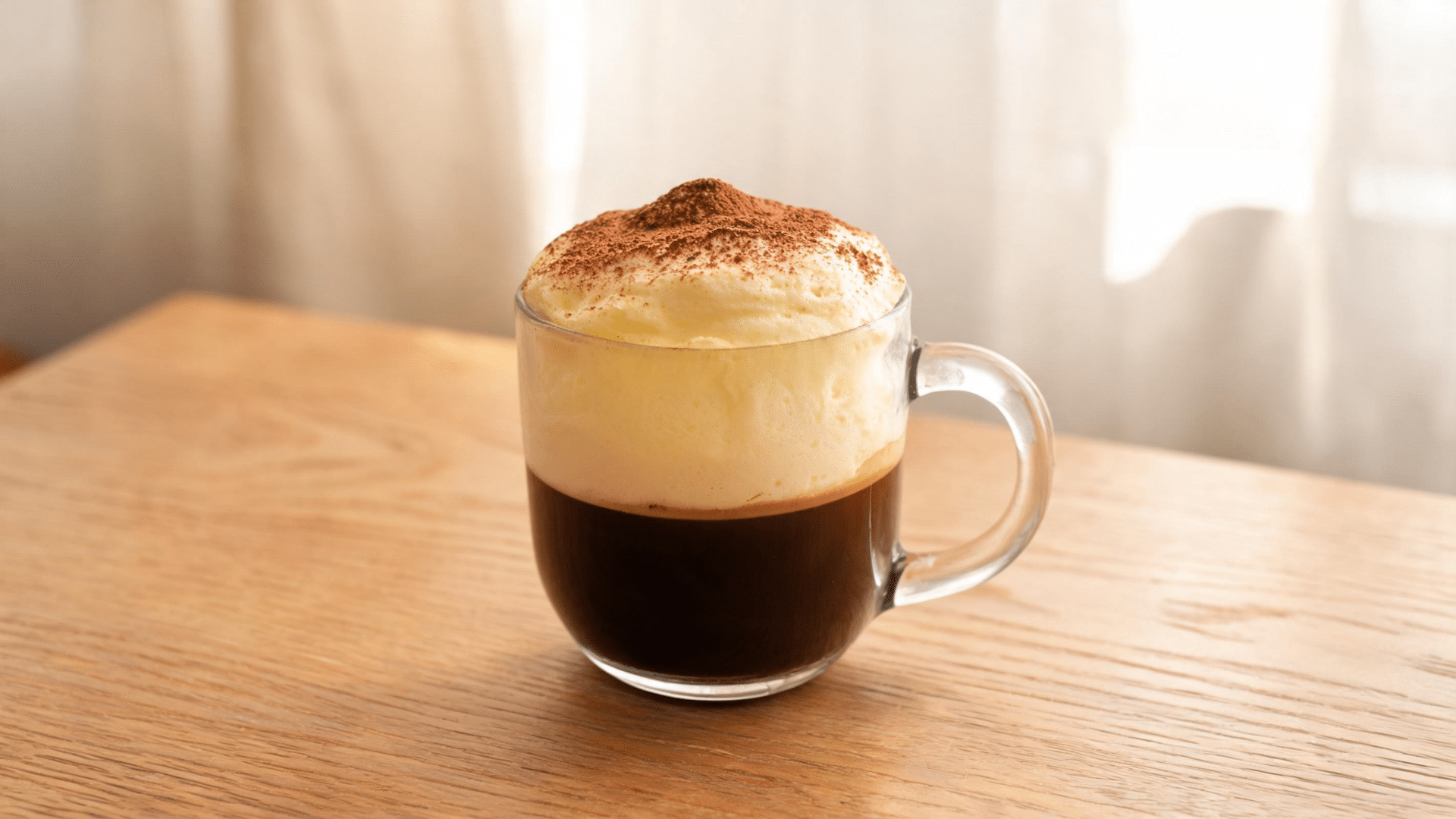
Egg coffee, known in Vietnamese as cà phê trứng, is a unique coffee drink topped with a whipped mixture of egg yolk, sugar, and sweetened condensed milk.
The creamy foam layer sits atop strong coffee, traditionally brewed with Vietnamese robusta beans using a small metal drip filter called a phin.
Despite its name, egg coffee does not taste like eggs. The yolk transforms into a smooth, custard-like cream with a rich texture often compared to tiramisu or a light mousse.
It can be enjoyed hot or served over ice, depending on preference.
Traditionally, the drink comes with a small spoon so the sweet foam can be enjoyed first before sipping the bold coffee underneath.
This combination creates a balance of sweetness, creaminess, and deep coffee flavor.
The Origin Story of Vietnamese Egg Coffee

Vietnamese egg coffee traces back to 1946 in Hanoi, during the Anti-French Resistance war, when milk shortages made traditional coffee preparation difficult.
At the Sofitel Legend Metropole Hotel, bartender Nguyen Van Giang faced milk shortages while maintaining coffee service during wartime conditions in Hanoi.
He whisked egg yolks with sugar into a thick, creamy mixture, creating a milk substitute that later became Vietnam’s iconic egg coffee.
The drink became so successful that Giang later opened Café Giảng in Hanoi’s Old Quarter, which is still run by his descendants.
The café remains a popular destination for coffee lovers and is known for preserving its original recipe.
While the exact preparation is kept private, the shop’s history and atmosphere have helped make Vietnamese egg coffee a cultural symbol and must-try experience in Vietnam.
How Is Vietnamese Egg Coffee Traditionally Made?
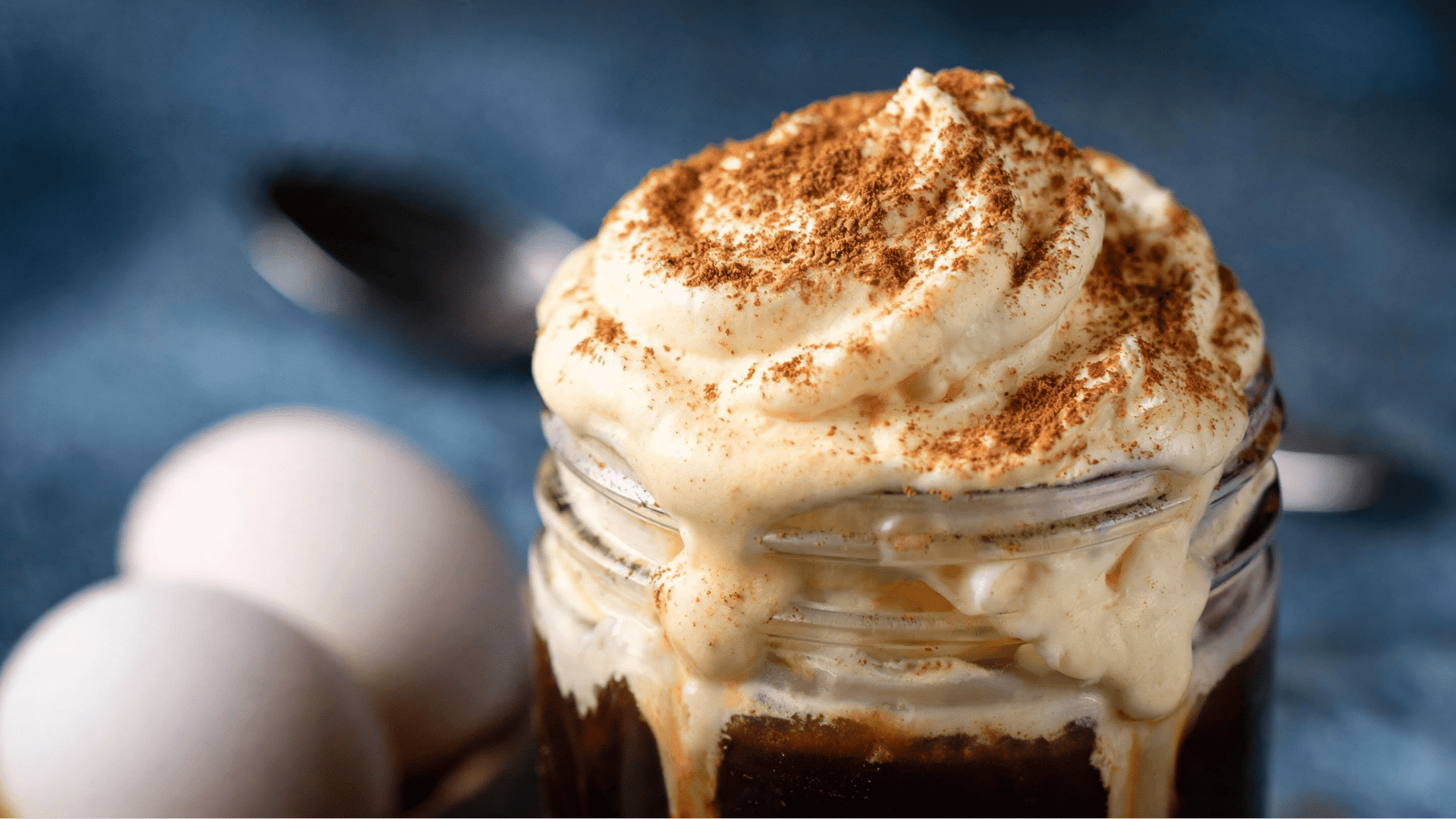
Vietnamese egg coffee follows a simple yet distinctive process in which strong coffee is balanced with a sweet, custard-like topping made from whipped egg yolks.
Brew the Coffee Base
Egg coffee starts with preparing a strong coffee foundation using robusta beans, which provide the bold flavor needed to balance the sweet topping.
Traditionally, the coffee is brewed through a Vietnamese phin filter placed directly over a small cup.
The slow drip process allows the flavors to develop gradually, creating a concentrated and aromatic coffee base that supports the rich egg cream added later.
Whip the Egg Mixture
The signature creamy layer begins with egg yolks combined with sugar and sweetened condensed milk.
Whisk these ingredients together by hand or using an electric mixer until the mixture becomes pale, thick, and airy.
Proper whipping is important because it transforms the yolks into a smooth, custard-like foam. This sweet topping gives egg coffee its unique texture and dessert-like character.
Combine the Coffee and Egg Layers
Once the coffee is brewed and the egg mixture reaches the right consistency, the layers are carefully combined.
The whipped egg cream is gently spooned or poured over the hot coffee, creating the drink’s recognizable golden, creamy top layer.
This contrast between the dark coffee underneath and the soft foam above creates the balanced flavor and appearance that makes Vietnamese egg coffee distinctive.
Add Finishing Touches
The final step involves adding optional toppings and serving the drink properly. Some versions include a light sprinkle of cocoa powder, cinnamon, or crushed Biscoff cookies to enhance the flavor.
Traditionally, the cup may be placed in a bowl of hot water to keep it warm while drinking.
This helps preserve the creamy texture and allows the flavors to blend smoothly as you enjoy each layer.
Egg coffee contains raw egg yolk, so pregnant individuals, young children, older adults, and anyone with an egg allergy or a compromised immune system should check with a doctor before trying it, or use pasteurized eggs as a safer substitute.
Why Is Robusta Coffee Used in Egg Coffee?
Robusta coffee is used in egg coffee because its strong, bold flavor can balance the rich, sweet egg foam layered on top.
Robusta beans are stronger, more bitter, and remain bold even with creamy ingredients.
The thick mixture of egg yolk, sugar, and sweetened condensed milk could overpower a lighter coffee, but Robusta’s powerful taste cuts through the sweetness and creates a more balanced drink.
This contrast between bold coffee and smooth foam gives egg coffee its signature layered flavor.
The choice of Robusta also connects the drink to Vietnam’s coffee culture, where Robusta beans have traditionally been more popular than lighter Arabica varieties.
What Are the Global Variations of Egg Coffee?
Egg coffee takes different forms around the world, with each culture adding its own ingredients and preparation methods to create unique flavors.
| Variation | Origin | Preparation Method | Taste Profile |
|---|---|---|---|
| Vietnamese Egg Coffee (Cà Phê Trứng) | Vietnam | Egg yolks are whipped with sugar and condensed milk into a creamy foam, then layered over strong coffee. | Rich, sweet, creamy, and dessert-like with a custard texture. |
| Norwegian/Swedish Egg Coffee | Scandinavia | A whole egg, sometimes including the shell, is mixed with coffee grounds before brewing to clarify the coffee. | Milder, smoother, and less bitter, without the sweet creamy texture. |
| Espresso Zabaglione | Italy | Egg yolks and sugar are whisked into a thick foam and combined with espresso. | Sweet, airy, and reminiscent of a light dessert, paired with bold espresso. |
| Café a la criolla | Cuba | Raw egg yolk, sugar, and white rum are blended into hot coffee. | Rich, sweet, and slightly boozy with a traditional Cuban twist. |
Why Egg Coffee Has Gone Viral Again?
Egg coffee has become popular far beyond Vietnam, thanks to social media platforms like TikTok and Instagram, where its thick, velvety foam and unique appearance regularly capture attention.
As more creators share their first reactions, curiosity about this unusual drink continues to grow.
At the same time, cafés around the world have introduced Vietnamese egg coffee to new audiences.
Places like Hanoi House in New York helped popularise it in the US, while cafés in cities such as London and Seoul now feature their own versions.
Its lasting appeal comes from the element of surprise. Many people expect an overpowering egg flavor but instead find a smooth, creamy drink with a rich coffee taste that feels more like a dessert than a traditional cup of coffee
Is Egg Coffee Healthy?
No, egg coffee is not considered a daily health drink, but it can offer some nutritional benefits when enjoyed occasionally.
The egg yolk provides protein and healthy fats, making it more nutrient-rich than plain black coffee. However, sweetened condensed milk and added sugar increase its calorie and sugar content significantly compared with a regular cup of coffee.
Black coffee on its own is already linked to lower mortality risk among long-term coffee drinkers, so the base underneath all that sweetness isn’t purely indulgent.
For those looking for a lighter option, versions made with less condensed milk or plant-based alternatives can reduce the sugar and richness, still offering the unique creamy experience of egg coffee.
Egg Coffee vs. Regular Coffee: What’s the Difference?
The difference between egg coffee and regular coffee goes beyond ingredients, with each drink offering a unique balance of flavor, richness, and enjoyment.
| Feature | Egg Coffee | Regular Coffee |
|---|---|---|
| Texture | Thick, creamy, and layered with a custard-like foam made from egg yolk, sugar, and condensed milk. | Thin and smooth, designed for quick sipping without a creamy topping. |
| Flavor | Sweet, rich, and dessert-like, with robusta coffee adding depth beneath the creamy foam. | More straightforward, with the natural bitterness and aroma of brewed coffee taking the lead. |
| Ingredients | Includes whipped egg yolk, sugar, condensed milk, and strong coffee. | Usually made with brewed coffee alone or with common additions like milk or sugar. |
| Serving Style | Often enjoyed slowly with a spoon, eating the foam before sipping the coffee underneath. | Typically served in a cup or mug and consumed as a regular beverage. |
| Calories | More calorie-dense due to the sweet, creamy egg topping, making it closer to a dessert. | Usually lower in calories, especially when served black. |
| Overall Experience | A rich, indulgent drink meant for a relaxed coffee moment. | A simple, refreshing drink often enjoyed for energy and convenience. |
Common Mistakes when Making Egg Coffee
Making egg coffee at home requires attention to small details, as a few common mistakes can affect its texture, flavor, and overall experience.
- Under-Whisking the Egg Mixture: Not whipping the egg yolks, sugar, and condensed milk enough can leave the topping thin, runny, and unable to create the signature creamy foam.
- Over-Whisking the Mixture: Whipping too much can make the mixture stiff and unpleasant, resulting in a grainy or almost scrambled consistency instead of smooth cream.
- Using Weak Coffee: A mild coffee base can easily be overwhelmed by the sweet egg foam, causing the drink to lose its rich coffee flavor.
- Adding Eggs at the Wrong Temperature: Extremely hot coffee or direct high heat can cause the yolk mixture to curdle instead of staying silky.
- Ignoring Mixing Control: Maintaining steady whisking and proper temperature helps create a smooth, tiramisu-like topping with the right texture.
Conclusion
Egg coffee may sound unusual at first, but that is exactly what makes it worth learning about. I think the story behind this drink is just as memorable as its rich, creamy flavor, showing how creativity can turn simple ingredients into something iconic.
If you want to taste an authentic cup in a Vietnamese café or try making it in your own kitchen, it is an experience that goes beyond an ordinary coffee break.
Every sip offers a balance of bold coffee and smooth sweetness that many people do not expect at first glance.
If you have already tried egg coffee or decide to make it, we would love to hear about your experience in the comments below.
Frequently Asked Questions
Can You Make Egg Coffee without Condensed Milk?
Yes, some recipes swap it for regular milk, honey, or plain sugar, giving a lighter, less sweet version of the classic foam.
What’s the Best Way to Drink Egg Coffee, Stirred or Layered?
Either works. Some sip through the layers slowly; others stir the foam and coffee together for a more blended, latte-like texture.
How Long Does Egg Coffee Foam Last Before It Separates?
It’s best enjoyed immediately. The whipped egg foam is freshest right after mixing and deflates within fifteen to twenty minutes.