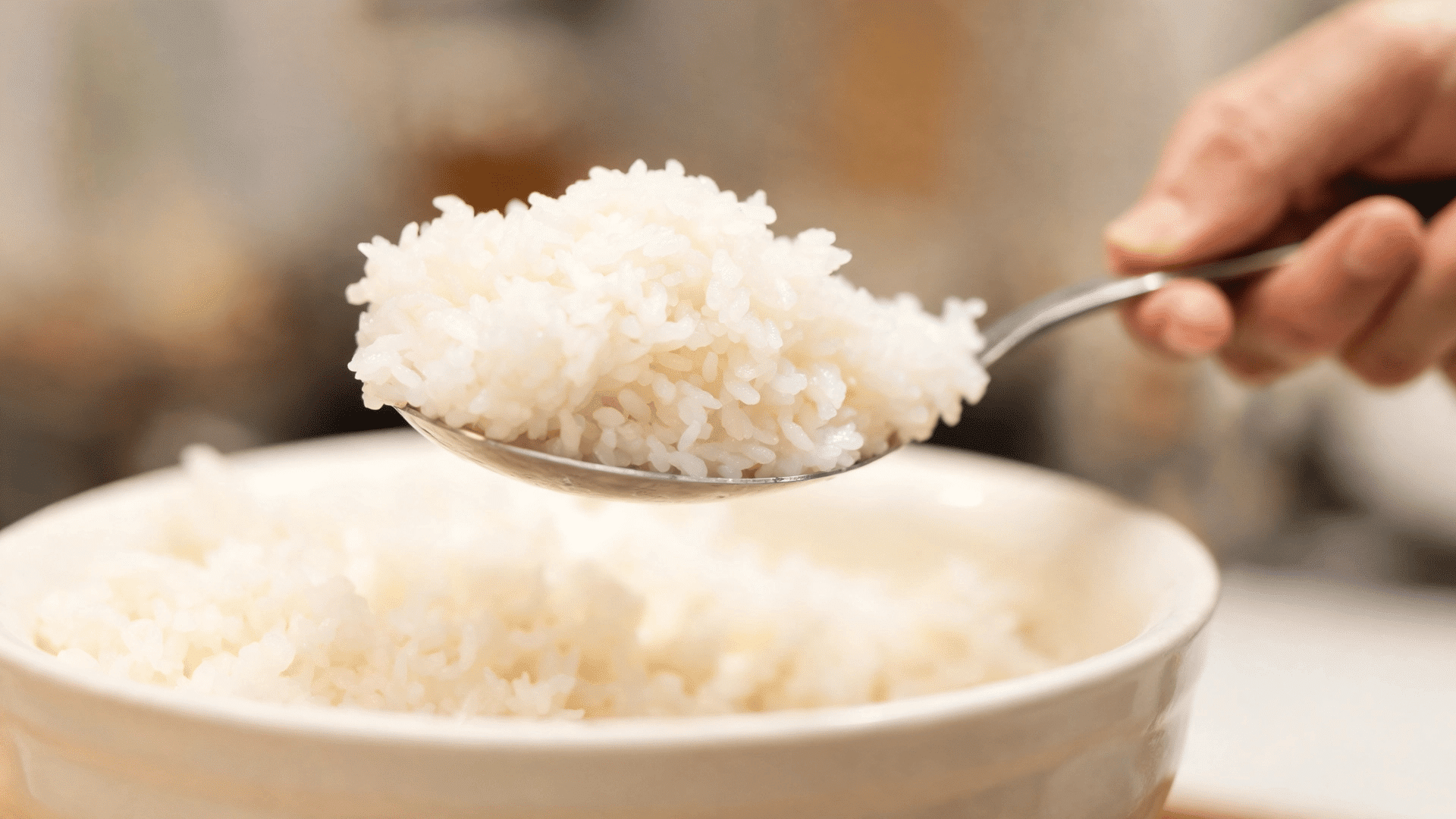


Have you ever finished a meal and then felt heartburn, a sour taste, or burning in your chest? Certain everyday foods can trigger acid reflux or worsen symptoms.
Knowing which foods to avoid with acid reflux can help you make better choices and reduce post-meal discomfort.
In this guide, you will find some common food triggers, drinks to limit, reflux-friendly foods, helpful eating habits, and signs that may require medical care.
You will also learn simple eating habits that may help prevent flare-ups.
If your symptoms happen often, it is best to speak with a doctor for proper advice.
Quick Answer: What Are the Foods to Avoid for Acid Reflux?
Foods to avoid for acid reflux include spicy foods, fatty meals, chocolate, caffeine, alcohol, acidic fruits, and carbonated drinks.
These foods can relax the lower esophageal sphincter or increase stomach acid, which may trigger symptoms like heartburn and discomfort.
Common triggers include tomatoes, citrus fruits, fried foods, peppermint, coffee, and full-fat dairy products.
Avoiding personal trigger foods and choosing smaller meals can help reduce reflux symptoms.
Not everyone reacts to the same foods, so keeping track of what you eat and how your body responds can help identify the best choices for your routine. Making simple food changes may support better digestion and comfort.
What Is Acid Reflux and Why Does Food Matter?
Acid reflux occurs when stomach acid flows back into the esophagus, causing symptoms such as heartburn, burping, a sour taste in the mouth, or chest discomfort.
When these symptoms occur frequently, the condition may be diagnosed as gastro-oesophageal reflux disease (GERD).
Certain foods can make reflux more likely by relaxing the lower oesophageal sphincter, slowing stomach emptying, or irritating the lining of the esophagus.
Eating large meals can also increase pressure inside the stomach, making acid more likely to move upward.
Research from the National Institute of Diabetes and Digestive and Kidney Diseases (NIDDK) states that dietary and lifestyle changes, including avoiding personal trigger foods, eating smaller meals, and not lying down soon after eating, may help manage acid reflux and GERD symptoms.
Since triggers vary, tracking symptoms and choosing balanced portions can help identify problem foods.
Common Foods to Avoid for Acid Reflux
Certain foods may worsen acid reflux by increasing discomfort. Learning which foods commonly cause symptoms can help make informed dietary choices.
1. Fried Foods
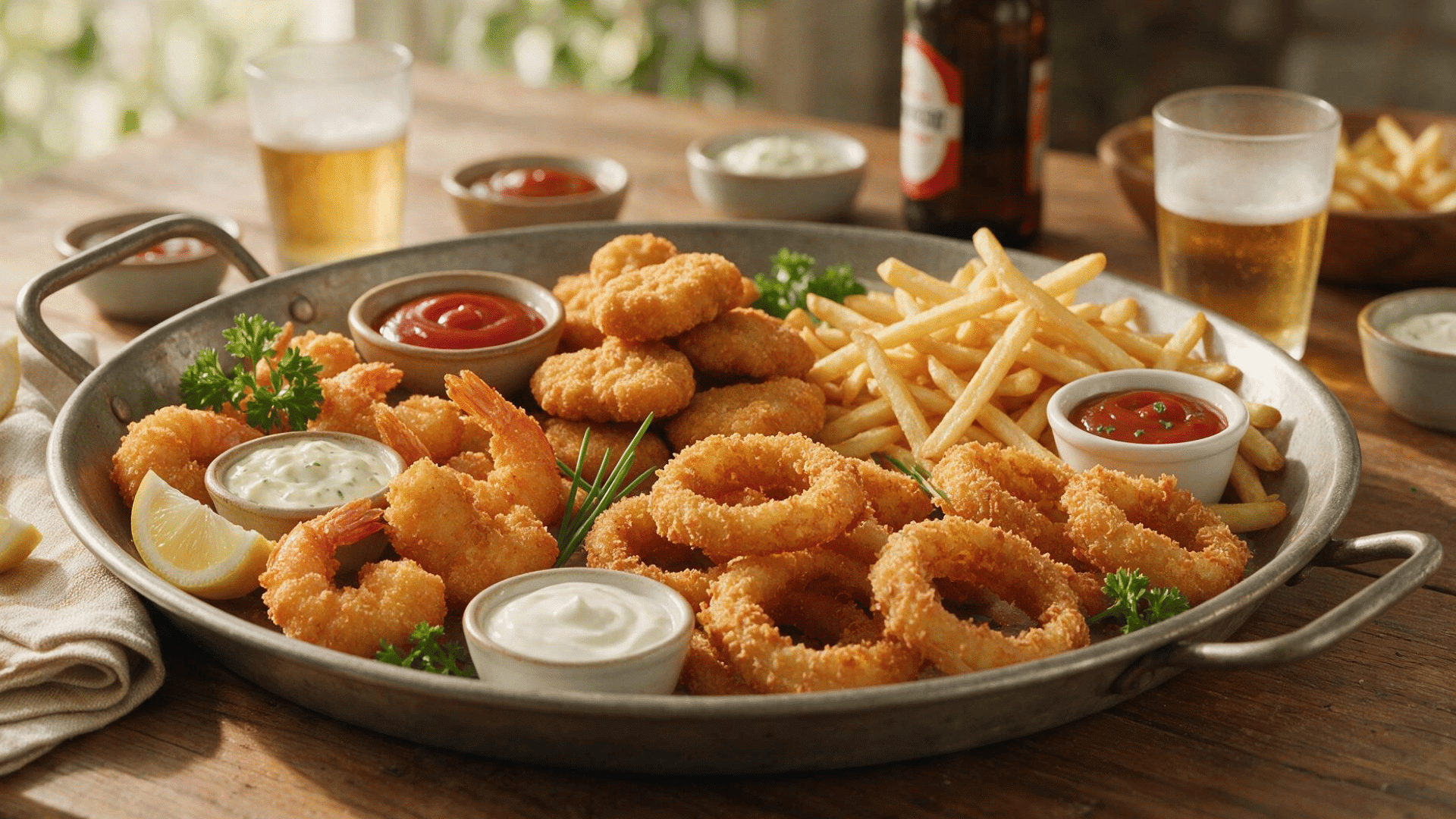
Fried foods are high in fat and among the most common triggers of acid reflux.
They take longer to leave the stomach, which may increase pressure and make it easier for stomach acid to flow into the esophagus.
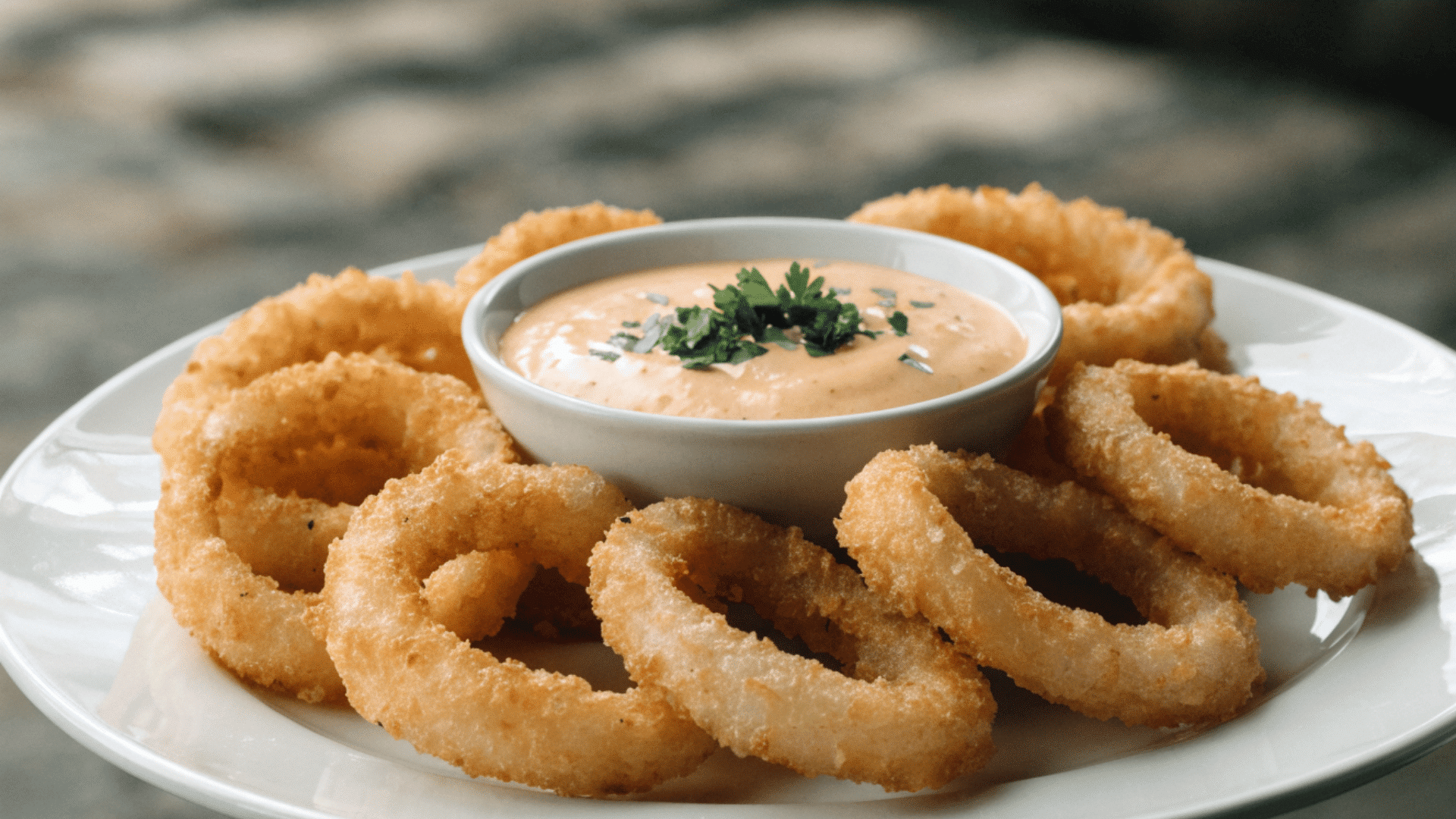
Foods such as French fries, fried chicken, onion rings, and fried appetizers may worsen symptoms in some people.
Choosing baked, grilled, or air-fried alternatives may help reduce heartburn.
If fried foods consistently trigger symptoms, limiting them is generally recommended.
2. Fatty Meats
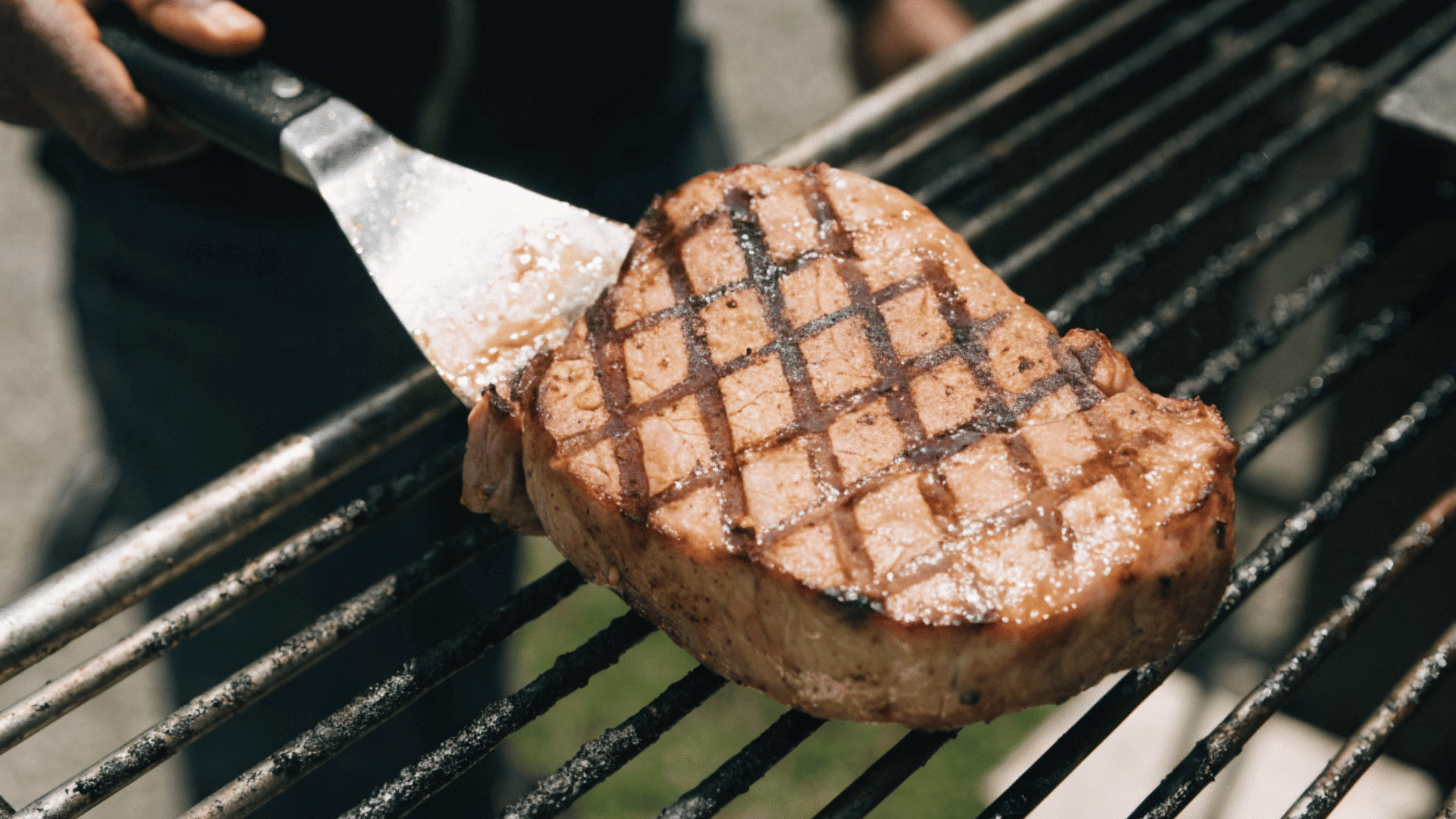
Fatty meats can slow digestion and increase the likelihood of acid reflux symptoms.
Bacon, sausage, ribs, burgers, and fatty cuts of beef are common examples. Eating large portions may also increase stomach pressure, making reflux more likely.
Replacing fatty meats with lean proteins such as skinless chicken, turkey, fish, tofu, or beans may help reduce symptoms.
Because individual triggers vary, pay attention to how different meats affect your digestive comfort after meals.
3. Spicy Foods
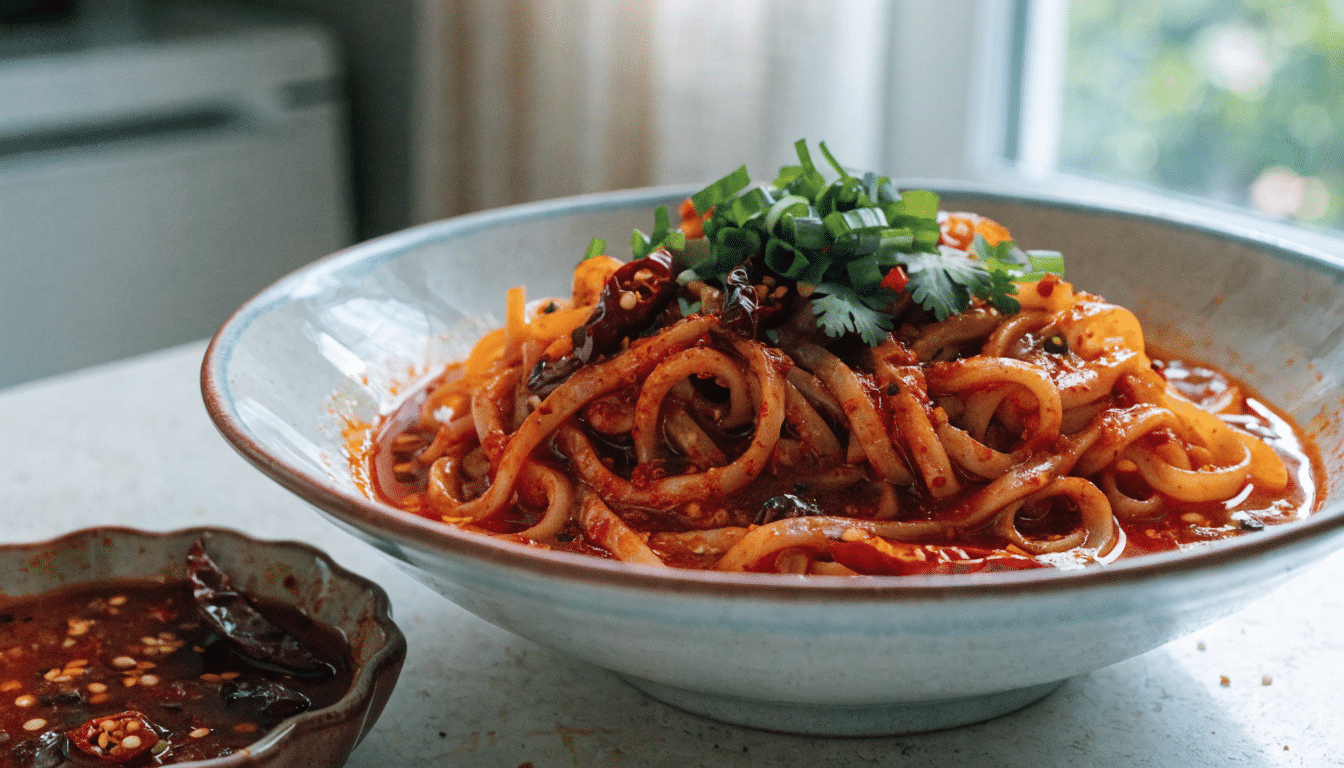
Spicy foods do not cause acid reflux, but they can worsen symptoms in people who are sensitive to them.
Ingredients such as chili peppers, cayenne pepper, hot sauce, and spicy seasonings may irritate the esophagus, making heartburn feel more intense.
Some people can eat spicy foods without problems, while others notice symptoms after only small amounts.
Keeping a food diary can help identify whether spicy meals are a personal trigger worth limiting or avoiding.
4. Citrus Fruits
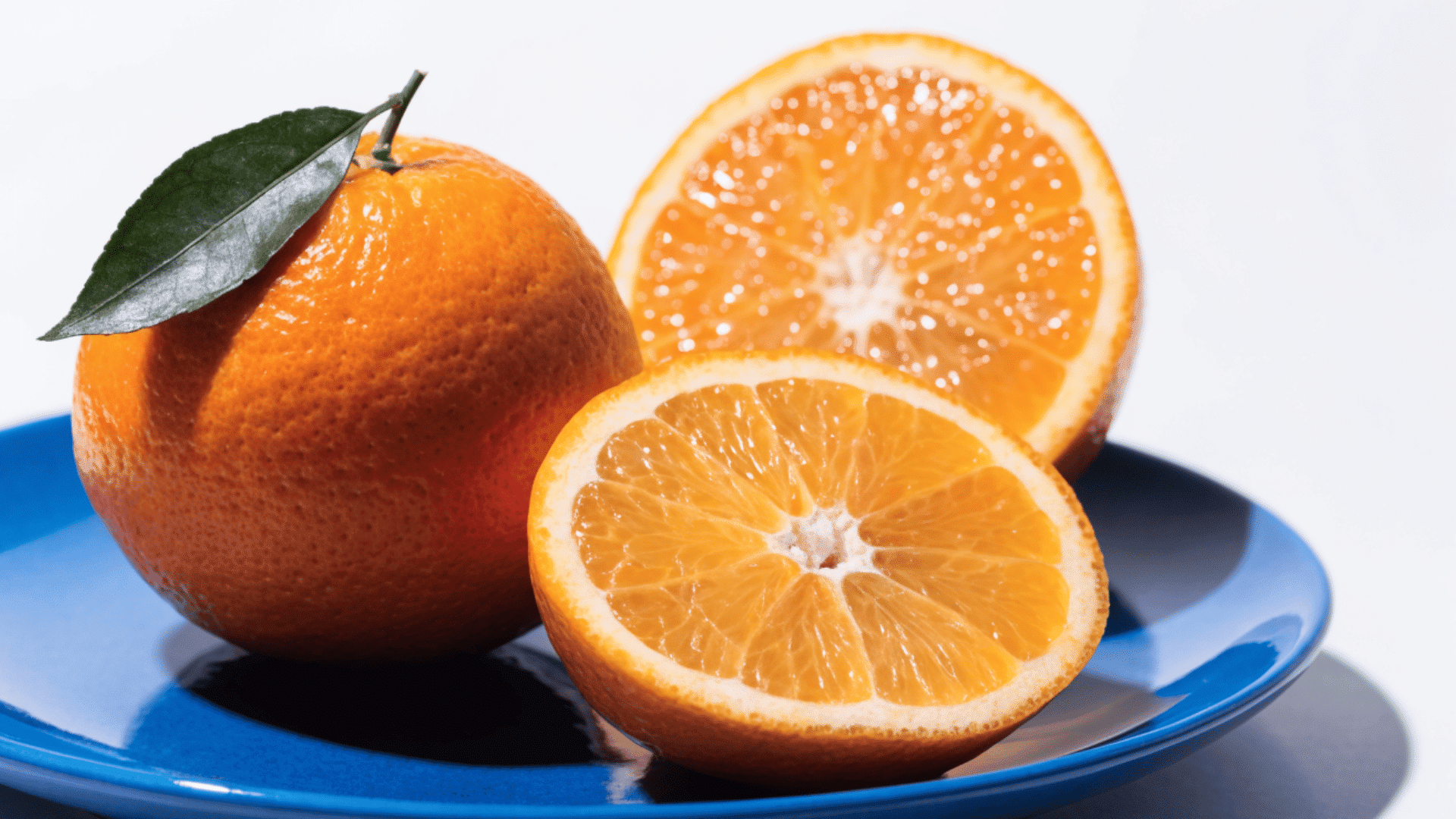
Citrus fruits are naturally acidic and may aggravate acid reflux symptoms in some people. Oranges, lemons, limes, and grapefruit, along with their juices, can irritate an already sensitive esophagus.
During a reflux flare-up, lower-acid fruits such as bananas, melons, or pears may be easier to tolerate.
Not everyone reacts to citrus the same way, so there is no need to avoid these fruits unless they consistently trigger heartburn or other reflux symptoms.
5. Tomatoes and Tomato-Based Foods
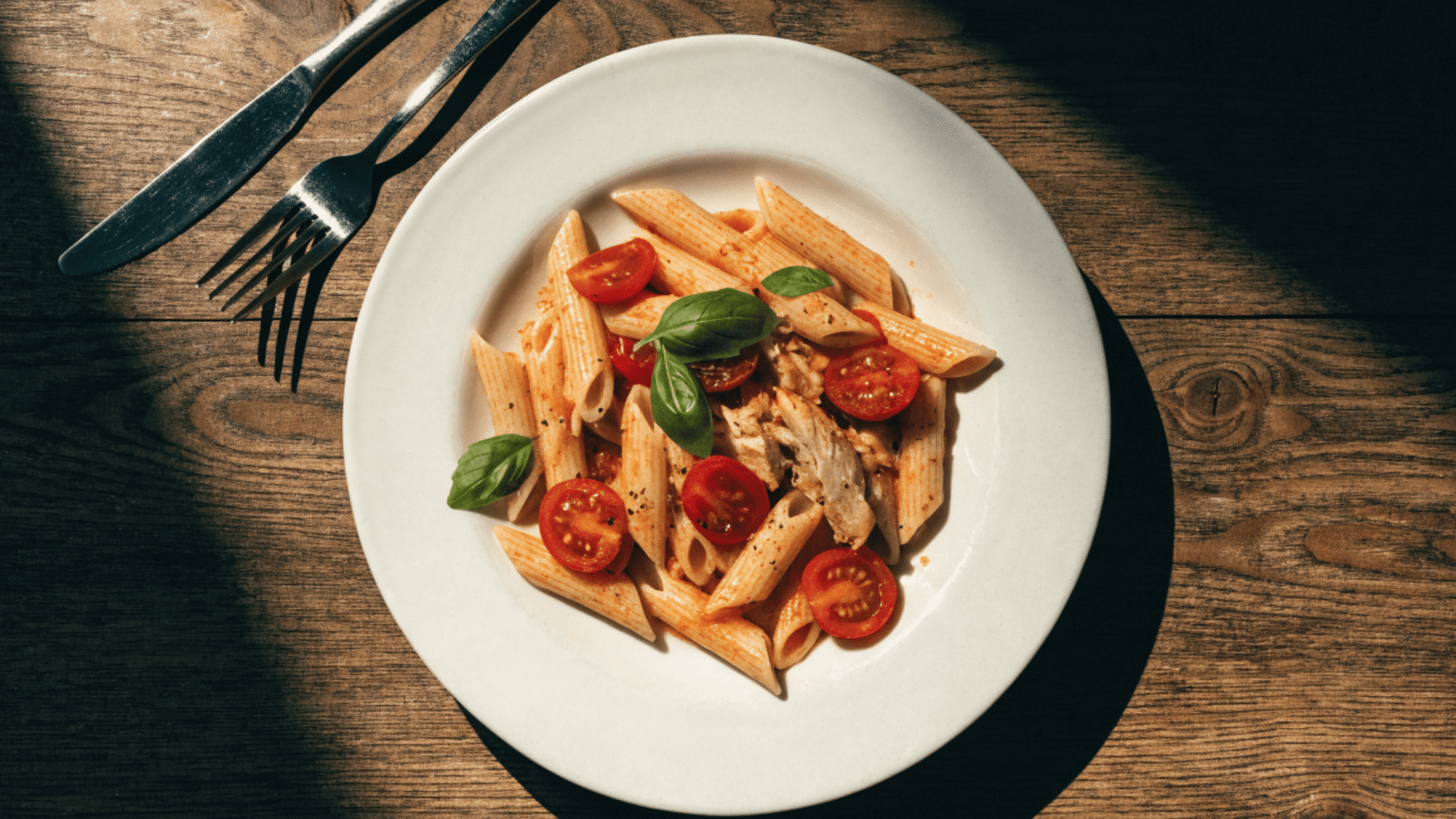
Tomatoes are another acidic food that may worsen acid reflux for some people. Fresh tomatoes, tomato sauce, ketchup, salsa, pizza sauce, and tomato soup are common sources.
Because tomatoes appear in many everyday meals, they can be an overlooked trigger.
If symptoms regularly occur after eating tomato-based foods, try reducing portions or choosing recipes made with less acidic ingredients.
Tracking meals and symptoms can help determine whether tomatoes contribute to reflux.
6. Chocolate

Chocolate contains fat and small amounts of caffeine, both of which may contribute to acid reflux in some people. It may also relax the lower esophageal sphincter, allowing stomach acid to move upward more easily.
Chocolate bars, cakes, cookies, brownies, and chocolate desserts can all trigger symptoms.
If heartburn frequently occurs after reducing portion sizes or limiting how often you eat, it may help manage reflux without eliminating it completely.
7. Onions
Onions may trigger acid reflux, especially when eaten raw.
They can increase stomach discomfort in some people and may contribute to post-meal heartburn.
Raw onions used in salads, sandwiches, burgers, and salsas are more likely to cause symptoms than cooked onions, although tolerance differs from person to person.
If onions regularly trigger reflux, try smaller portions or substitute herbs and milder vegetables for flavor while monitoring how your body responds.
8. Garlic

Garlic is a flavorful ingredient, but it may trigger acid reflux symptoms in some individuals, particularly when eaten raw or in large amounts.
It is commonly found in pasta sauces, marinades, dressings, and many restaurant dishes.
Cooked garlic may be easier to tolerate for some people than raw garlic.
If garlic consistently causes heartburn or digestive discomfort, reducing the amount used in meals may help while still allowing you to enjoy flavorful foods.
9. Peppermint
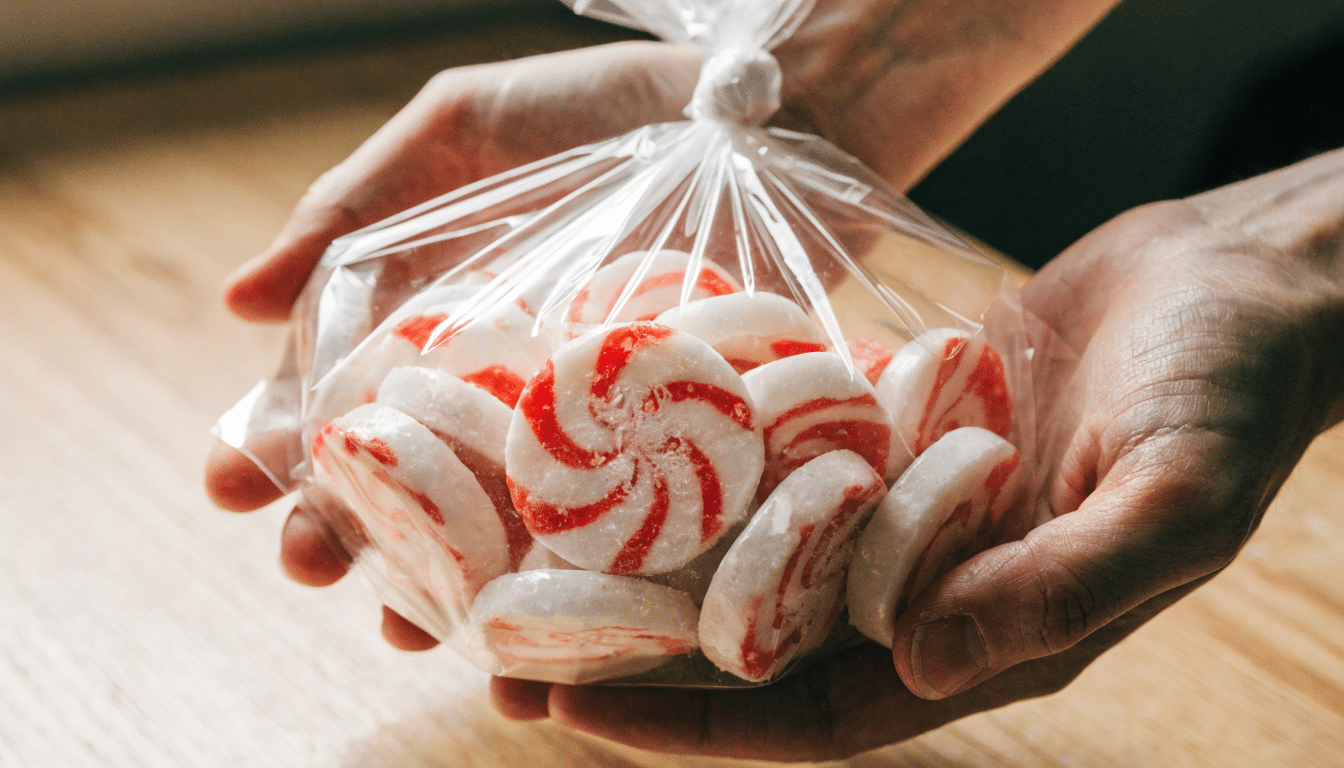
Peppermint is often used to soothe digestion, but it may worsen acid reflux in some people. It can relax the lower esophageal sphincter, making it easier for stomach acid to flow back into the esophagus.
Peppermint candies, chewing gum, peppermint tea, and mint-flavored desserts are common sources.
If symptoms occur after consuming peppermint, consider avoiding it and choosing other herbs or caffeine-free beverages that do not trigger reflux.
10. High-Fat Dairy Products
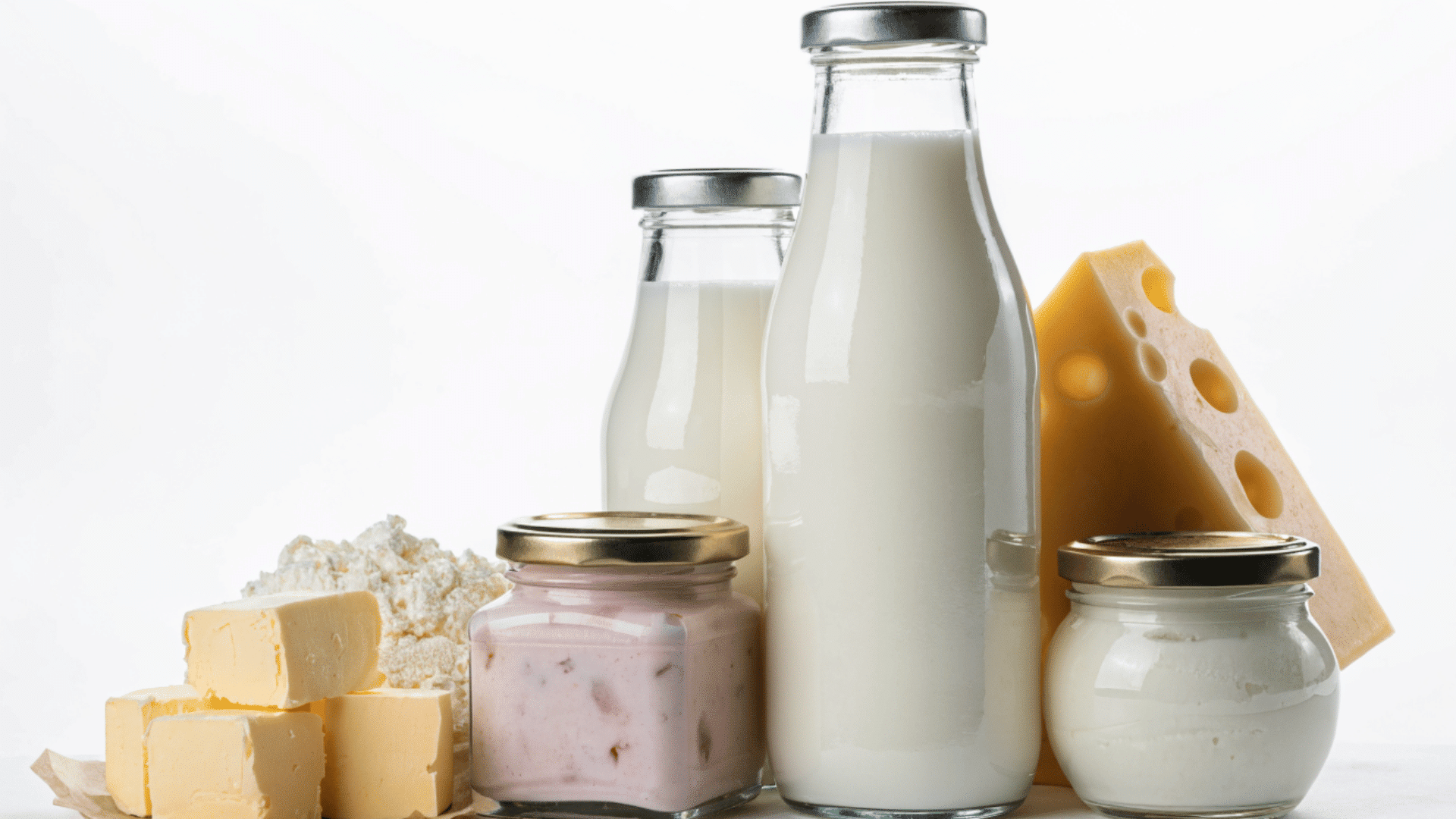
High-fat dairy products may increase acid reflux symptoms because they can slow stomach emptying.
Whole milk, butter, cream, full-fat cheese, ice cream, and full-fat yogurt are common examples. Some people tolerate dairy without problems, while others experience more frequent heartburn after eating dairy.
If dairy appears to be a trigger, switching to lower-fat options may help.
Speak with a healthcare professional before making significant dietary changes if symptoms are persistent.
11. Processed Meats

Processed meats are often high in fat, sodium, and preservatives, which may contribute to acid reflux symptoms in some people.
Hot dogs, pepperoni, salami, deli meats, and similar products are common examples.
They are also frequently eaten with other trigger foods, such as cheese, fried sides, or tomato-based sauces.
Choosing fresh, lean protein sources more often may help reduce reflux symptoms. A balanced eating pattern supports overall digestive health.
12. Fast Foods

Fast food often combines several common acid reflux triggers in a single meal, including fried foods, fatty meats, cheese, and rich sauces.
Burgers, pizza, fried chicken meals, tacos, and loaded sandwiches may increase the risk of heartburn, especially when eaten in large portions.
Preparing meals at home gives you more control over ingredients and cooking methods.
If acid reflux occurs frequently despite lifestyle changes, consult a healthcare professional for proper evaluation and treatment.
Drinks that Can Trigger Acid Reflux
Some beverages can trigger acid reflux by relaxing the lower esophageal sphincter, increasing stomach acid, or irritating the esophagus.
- Coffee: Regular and decaffeinated coffee may trigger reflux in some people because of their natural compounds and acidity.
- Tea and Other Caffeinated Drinks: Black tea, green tea, and other caffeinated beverages may worsen symptoms in sensitive individuals.
- Carbonated Beverages: Soda and sparkling drinks can increase stomach pressure, making acid reflux more likely.
- Citrus Fruit Juices: Orange, grapefruit, and lemon juices are acidic and may irritate the esophagus during a reflux flare-up.
- Alcohol: Beer, wine, and spirits may relax the lower esophageal sphincter and increase the risk of acid reflux.
- Energy Drinks: These often contain caffeine, carbonation, and other ingredients that may trigger reflux symptoms in some people.
How to Identify Your Personal Acid Reflux Triggers?
The best way to identify your personal acid reflux triggers is to monitor what you eat, when symptoms occur, and any lifestyle factors that may contribute to reflux.
Since trigger foods vary from person to person, keeping a food and symptom diary can help you spot patterns over time.
Record your meals, snacks, beverages, portion sizes, meal times, and any symptoms that develop afterward. Also note factors such as stress, exercise, medications, or eating close to bedtime, as these can also trigger reflux.
After a few weeks, review your notes to identify recurring patterns.
This approach helps you make targeted dietary and lifestyle changes instead of avoiding foods unnecessarily.
If symptoms continue or you cannot identify a clear trigger, consult a healthcare professional or registered dietitian for further evaluation.
Foods that May Help Reduce Acid Reflux Naturally
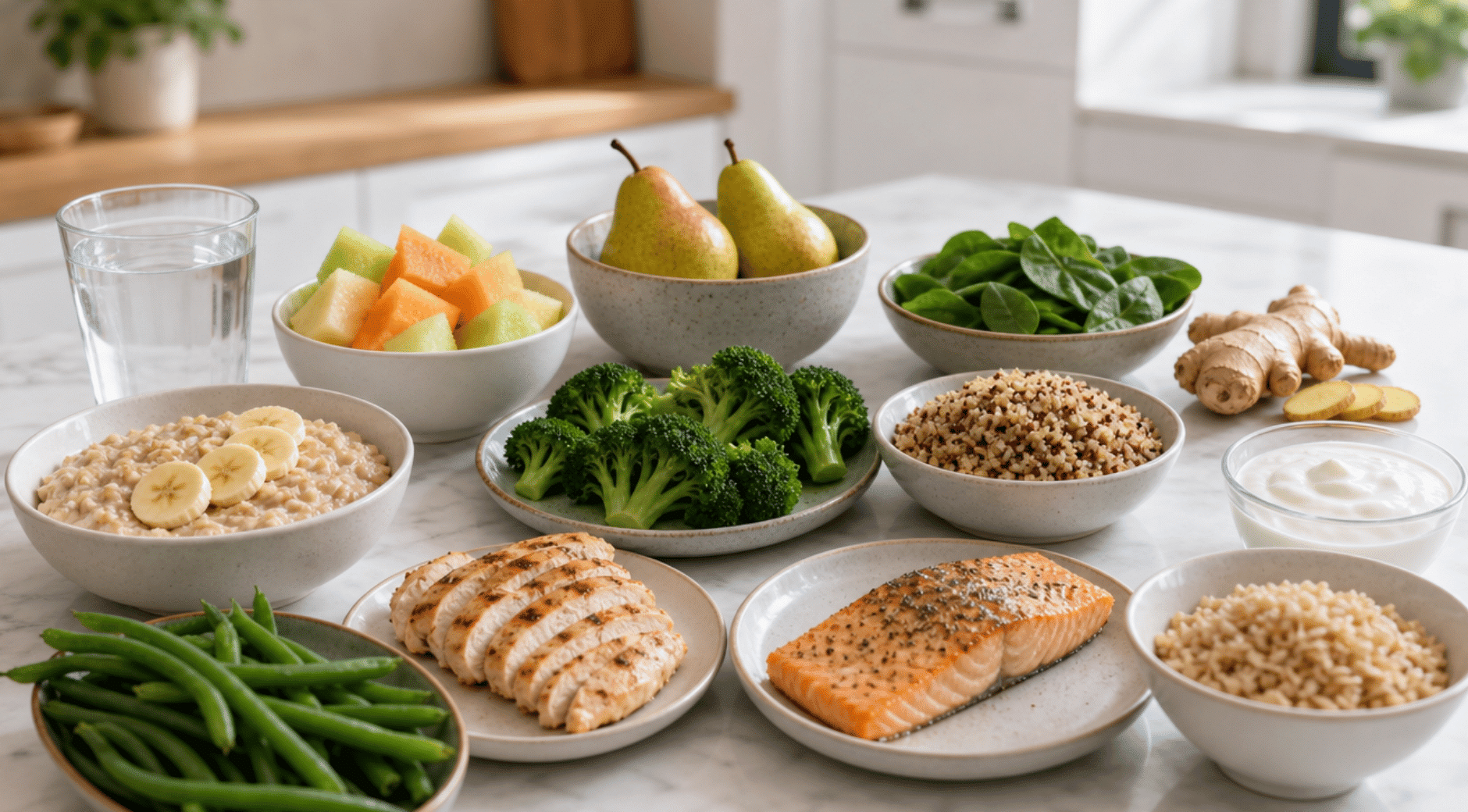
While no single food can cure acid reflux, some foods are less likely to trigger symptoms and may support better digestion.
1. Whole Grains
Whole grains such as oatmeal, brown rice, quinoa, and whole wheat bread are naturally high in fiber, which supports healthy digestion.
Unlike high-fat meals, these foods are less likely to trigger acid reflux in many people. Oatmeal is especially popular as a reflux-friendly breakfast because it is filling and gentle on the stomach.
If you eat a lot of sandwiches or toast, it’s worth knowing which breads are gentlest on reflux, since not all whole grains behave the same way.
Choosing whole grains over refined grains may also help you feel satisfied without increasing the risk of heartburn.
2. Non-Citrus Fruits
Non-citrus fruits are generally lower in acid than oranges, lemons, and grapefruit, making them a better choice for many people with acid reflux.
Bananas, melons, pears, and apples are commonly included in reflux-friendly diets because they are less likely to irritate the esophagus.
Individual tolerance varies, so it is helpful to notice which fruits work best for you and include them regularly as part of a balanced diet.
3. Green Vegetables
Green vegetables such as spinach, broccoli, kale, green beans, asparagus, and cucumbers are naturally low in fat and acid.
They provide vitamins, minerals, and fiber while being less likely to trigger acid reflux.
Adding more vegetables to your meals may also help replace higher-fat foods that commonly worsen symptoms.
Steaming, roasting, or lightly sautéing vegetables may be easier to digest than cooking them with rich sauces or heavy oils.
4. Lean Proteins
Lean proteins are often better tolerated than high-fat meats because they are easier to digest and contain less fat.
Good choices include skinless chicken, turkey, fish, tofu, beans, and lentils.
Baking, grilling, steaming, or roasting these foods instead of frying them may further reduce the chance of reflux.
A balanced meal that includes lean protein and vegetables is often a practical option for managing acid reflux symptoms.
5. Ginger
Ginger has long been used to support digestion and may help some people with mild digestive discomfort.
I’ve found fresh ginger stirred into soups, stir-fries, smoothies, or herbal tea works well in small amounts, and it’s an easy first swap to try.
Although many people tolerate ginger well, it is not a proven treatment for GERD, and large amounts may not suit everyone.
If symptoms continue despite dietary changes, speak with a healthcare professional for proper evaluation.
6. Low-Fat Dairy or Dairy Alternatives
Some people with acid reflux tolerate low-fat dairy products better than full-fat versions.
Options such as low-fat yogurt, skim milk, and reduced-fat cottage cheese may be easier on the stomach because they contain less fat.
If dairy triggers your symptoms or you are lactose intolerant, fortified plant-based alternatives such as oat or soy milk may be suitable choices.
Choose unsweetened varieties whenever possible and monitor your personal response to different products.
When Should You See a Doctor for Acid Reflux?
Occasional acid reflux is common, but persistent or severe symptoms can indicate GERD or another digestive condition that requires medical attention.
- Frequent Heartburn: Heartburn more than twice a week may be a sign of GERD and should be evaluated by a healthcare professional.
- Persistent Symptoms: Reflux that continues despite diet and lifestyle changes may require medication or further testing.
- Trouble Swallowing: Difficulty swallowing or food feeling stuck could indicate irritation or narrowing of the esophagus.
- Severe Chest Pain: Get emergency medical care immediately if chest pain occurs with shortness of breath, dizziness, or pain spreading to the arm or jaw.
- Weight Loss or Vomiting: Unexplained weight loss or persistent vomiting should be assessed by a healthcare provider.
- Signs of Bleeding: Vomiting blood or passing black, tarry stools requires immediate emergency medical attention.
Note: Occasional heartburn after a large or spicy meal is usually not a cause for concern. However, frequent symptoms or any warning signs should not be ignored, as early diagnosis and treatment can help prevent complications.
Eating Habits that Can Help Manage Acid Reflux
The way you eat can affect acid reflux. Habits can support symptom control, but they do not replace medical care for frequent or severe reflux.
| Eating Habit | How It May Help |
|---|---|
| Eat smaller meals | Smaller portions reduce pressure on the stomach, which may lower the chance of stomach acid moving back into the esophagus. |
| Eat slowly | Taking time to eat allows the stomach to process food more comfortably and may help prevent overeating, which can trigger reflux symptoms. |
| Chew food thoroughly | Chewing food well supports digestion and may make it easier for the stomach to break down meals before they move into the digestive tract. |
| Stay upright after eating | Remaining upright for two to three hours after meals may help prevent stomach contents from flowing back into the esophagus. |
| Eat meals at regular times | Following a consistent meal schedule may reduce extreme hunger, making it easier to avoid large meals that can worsen reflux. |
| Avoid late-night meals | Finishing meals at least two to three hours before bedtime may reduce the risk of acid reflux while lying down. |
Conclusion
Managing acid reflux often starts with making smarter food choices and adopting healthier eating habits. By knowing which foods and drinks commonly trigger symptoms, you may be able to choose more reflux-friendly options to reduce heartburn.
Also, by following simple meal habits, you can improve your daily comfort.
The best foods to avoid for acid reflux depend on common triggers and how your body responds.
If your symptoms continue despite these changes or become more frequent, speak with a healthcare professional for proper evaluation and treatment.
Taking action today can help you build a diet that better supports your digestive health.
Frequently Asked Questions
Is Yogurt Good for Acid Reflux?
Low-fat yogurt may be well tolerated by some people with acid reflux. Full-fat varieties can worsen symptoms in certain individuals, so tolerance should be monitored.
Is Peanut Butter Safe for Acid Reflux?
Peanut butter is not a common trigger, but its high fat content may worsen symptoms in some people. Smaller portions are generally better tolerated.
Can Acid Reflux Go Away on Its Own?
Occasional acid reflux may improve with lifestyle and dietary changes. Frequent or persistent symptoms should be evaluated by a healthcare professional to check for GERD.