
Choosing pasta often raises one common question: Does pasta contain fiber, or is it simply a source of carbohydrates? The answer is more encouraging than many people expect.
Not all pasta is created equal, but most varieties contain at least some dietary fiber, and certain types can contribute significantly to your daily intake.
As someone who enjoys helping readers make practical nutrition choices without unnecessary food restrictions, I believe understanding what is on your plate is more valuable than following trends.
It explains how much fiber different types of pasta contain, what refined pasta is, how cooking affects fiber, and how to choose the healthiest option for your meals.
Quick Answer: Does Pasta Have Fiber?
Yes, pasta does have fiber, but the amount depends on the type of pasta you choose.
Traditional white pasta contains a small amount of fiber because it is made from refined wheat flour, where much of the bran has been removed.
A typical serving of white pasta may provide around 1 to 3 grams of fiber, while whole-grain and legume-based varieties can offer 5 grams or more per serving.
How Much Fiber Is in Different Types of Pasta?
Not every box of pasta offers the same nutritional value. The ingredients used to make the pasta have the greatest influence on how much fiber it contains.
| Pasta Type | Fiber Per 2 oz Dry Serving | Main Ingredient | Fiber Level |
|---|---|---|---|
| Traditional White Pasta | 1–3 g | Refined wheat flour | Low |
| Whole-Wheat Pasta | 5–7 g | Whole durum wheat | High |
| Chickpea Pasta | 6–8 g | Chickpea flour | High |
| Lentil Pasta | 7–11 g | Lentil flour | High |
| Black Bean Pasta | 8–13 g | Black bean flour | Very High |
| Protein Pasta | 3–8 g | Wheat and legumes | Moderate to High |
| Vegetable Pasta | 2–5 g | Wheat with vegetables | Moderate |
| High-Fiber Pasta | 7–15 g | Added fiber or resistant starch | Very High |
What Impacts Pasta’s Fiber Content?
Several factors determine how much fiber pasta contains, even when two products look similar. Understanding these differences can help you choose options that better match your nutrition goals and daily fiber needs.
- Type of Flour: The flour used is one of the biggest factors affecting fiber content. Whole-grain and legume-based flours naturally contain more fiber than refined wheat flour.
- Grain Processing: The way grains are processed can change fiber levels. Removing the bran during milling reduces the amount of natural fiber, while less-processed grains retain more fiber.
- Added Ingredients: Some manufacturers add ingredients like oat fiber, wheat fiber, resistant starch, or inulin to increase fiber content without greatly changing the pasta’s taste or texture.
- Serving Size: Portion size affects the total fiber you consume. Larger servings provide more fiber but also increase calories and carbohydrate intake.
- Brand Differences: Fiber amounts can vary between brands because recipes and ingredients differ. Checking the Nutrition Facts label helps you compare products accurately.
What Is Refined Pasta and How Is It Made?
Refined pasta is made from refined wheat flour, in which the bran and germ are removed, leaving mostly the starchy part of the grain.
This process creates a smooth texture, lighter color, and longer shelf life.
To make refined pasta, manufacturers grind wheat into fine white flour, mix it with water and sometimes eggs, then knead the dough.
The dough is shaped into different pasta types, such as spaghetti or penne, before being dried and packaged.
While refined pasta cooks quickly and has a softer texture, it contains less fiber and fewer nutrients than whole-wheat pasta because parts of the grain are removed during processing.
Refined Pasta vs. Whole-Wheat Pasta
According to Harvard T.H. Chan School of Public Health, whole-wheat pasta contains more natural fiber because it is made from the entire grain, including the bran, germ, and endosperm, compared with refined pasta varieties.
| Feature | Refined Pasta | Whole-Wheat Pasta |
|---|---|---|
| Main Ingredient | Refined wheat flour | Whole durum wheat |
| Grain Parts Used | Endosperm only | Bran, germ, and endosperm |
| Fiber Content | Lower | Higher |
| Texture | Smooth and tender | Firmer and slightly chewy |
| Color | Light yellow | Brown or tan |
| Nutrient Profile | Often enriched | Naturally retains more nutrients |
| Satiety | Less filling | Usually more filling |
How to Choose a Higher Fiber Pasta?
Finding a healthier pasta option becomes easier when you know how to read the package information.
- Check the Fiber Content: Choose pasta that provides at least 3 grams of fiber per serving. Options with 5 grams or more are generally considered higher-fiber choices.
- Read the First Ingredient: Look for whole-food ingredients such as whole durum wheat, whole-wheat flour, chickpeas, lentils, or black beans listed first on the package.
- Compare Equal Serving Sizes: Compare nutrition labels using the same serving weight, such as 2 ounces (56 grams) dry, instead of different cup measurements.
- Consider Protein Content: Legume-based and protein-enriched pastas often provide extra protein along with fiber, helping create more satisfying meals.
- Look Beyond Package Claims: Words like “healthy,” “natural,” or “multigrain” do not always mean high fiber. Check the Nutrition Facts panel and ingredient list instead.
- Choose a Pasta You Enjoy: The best option is one that matches your taste preferences and works well with vegetables, lean protein, and other nutritious ingredients.
How to Add More Fiber to a Pasta Meal?
Even if your favorite pasta is made from refined wheat, you can still build a fiber-rich meal by pairing it with nutritious ingredients. Adding other high-fiber foods such as vegetables, beans, nuts, and seeds can help increase the overall fiber content of your pasta meal.
- Add More Vegetables
- Include Beans or Lentils
- Choose a Vegetable-Rich Sauce
- Top With Nuts or Seeds
- Serve With a Side Salad
- Mix Different Pasta Types
Conclusion
The type of pasta you choose can make a noticeable difference in its fiber content.
While traditional white pasta provides a modest amount of fiber, whole-wheat, chickpea, lentil, bean-based, and other high-fiber varieties offer much more.
Understanding what refined pasta is also makes it easier to compare products and read nutrition labels with confidence.
In my experience, the best approach isn’t to avoid pasta, but to choose options that align with your nutrition goals and pair them with vegetables, lean protein, and other wholesome ingredients.
Small changes can improve the overall quality of your meals without giving up foods you enjoy.
Frequently Asked Questions
Is High-Fiber Pasta Healthier than Regular Pasta?
Yes, high-fiber pasta is generally healthier than regular pasta because it provides more fiber, which supports better digestion, fullness, and blood sugar control.
Does Penne Pasta Have Fiber?
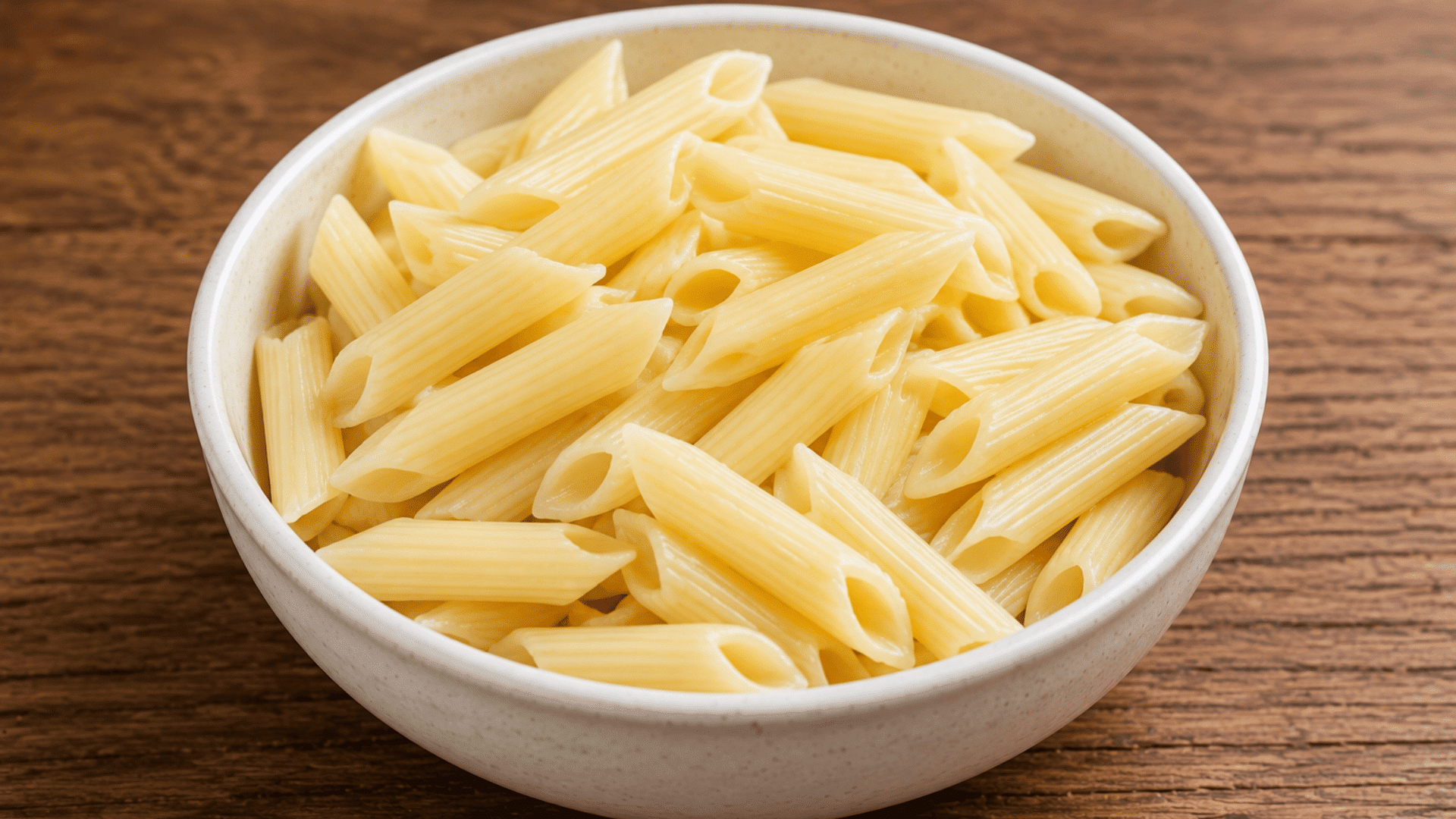
Yes. Penne contains fiber, but the amount depends on whether it is made from refined wheat, whole wheat, or legumes.
Does Protein Pasta Have More Fiber?
Many protein pastas also contain more fiber because they are made with chickpeas, lentils, peas, or other legumes. Always compare nutrition labels between brands.
Does Cooking Pasta Reduce Its Fiber?
No, cooking pasta does not significantly reduce its fiber content. Dietary fiber remains stable during normal boiling, so the total amount of fiber in your pasta stays nearly the same after cooking.