
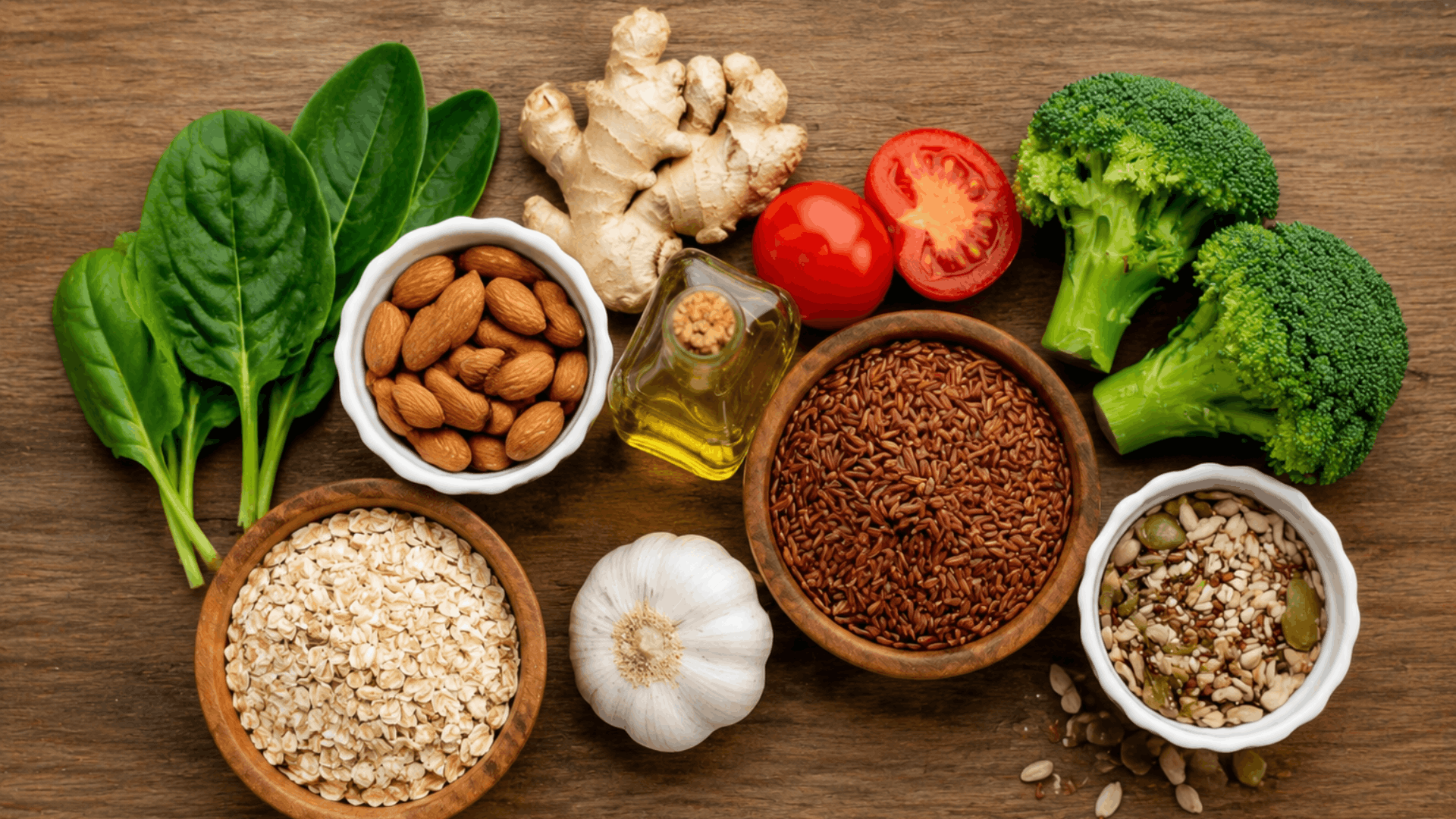
Eating gluten-free becomes much easier once you know which foods are naturally safe and which packaged products require a closer look.
Many everyday staples, including fruits, vegetables, meat, eggs, rice, and beans, are naturally gluten-free, while some processed foods may contain hidden sources of gluten.
Understanding the difference helps you shop with confidence and build balanced meals without unnecessary restrictions.
This article covers common gluten-free foods, snack ideas, foods to avoid, and practical tips for following a gluten-free diet safely.
What Is Gluten?
Gluten is a group of proteins naturally found in wheat, barley, and rye. It plays an important role in baking by helping dough stretch, trap air, and hold its shape, giving bread and other baked goods their soft, chewy texture.
Gluten is present in many everyday foods made from these grains, including bread, pasta, cereals, crackers, pastries, and baked goods.
It may also be added to processed foods such as soups, sauces, dressings, and seasoning blends to improve texture or stability. For most people, gluten is a normal part of a healthy diet.
However, knowing which foods contain gluten is helpful if you need to follow a gluten-free diet.
Understanding where gluten is commonly found makes it easier to choose suitable foods and avoid accidental exposure.
Who Should Follow a Gluten-Free Diet?
A gluten-free diet is necessary for some people but not everyone. Medical guidance can help determine whether avoiding gluten is appropriate.
- Celiac Disease: Gluten triggers an immune response that damages the small intestine. People with celiac disease must avoid gluten completely.
- Gluten Sensitivity: Some people notice early signs of gluten intolerance, like digestive symptoms, after eating gluten, and may benefit from avoiding it after medical evaluation.
- Wheat Allergy: A wheat allergy requires avoiding wheat and wheat-based foods. Treatment should follow advice from a healthcare professional.
- Certain Medical Conditions: Some health conditions may require a gluten-free diet. A doctor can determine whether it is appropriate.
- Medical Recommendation: Follow a gluten-free diet only if advised by your doctor or dietitian. They can help ensure your diet remains balanced.
- No Medical Need: Most healthy people can safely eat gluten-containing foods. Avoiding without a medical reason has no proven health benefit.
Popular Gluten-Free Foods
Many whole foods are naturally gluten-free and easy to include in everyday meals. Choosing fresh, minimally processed options is the safest approach.
1. Rice
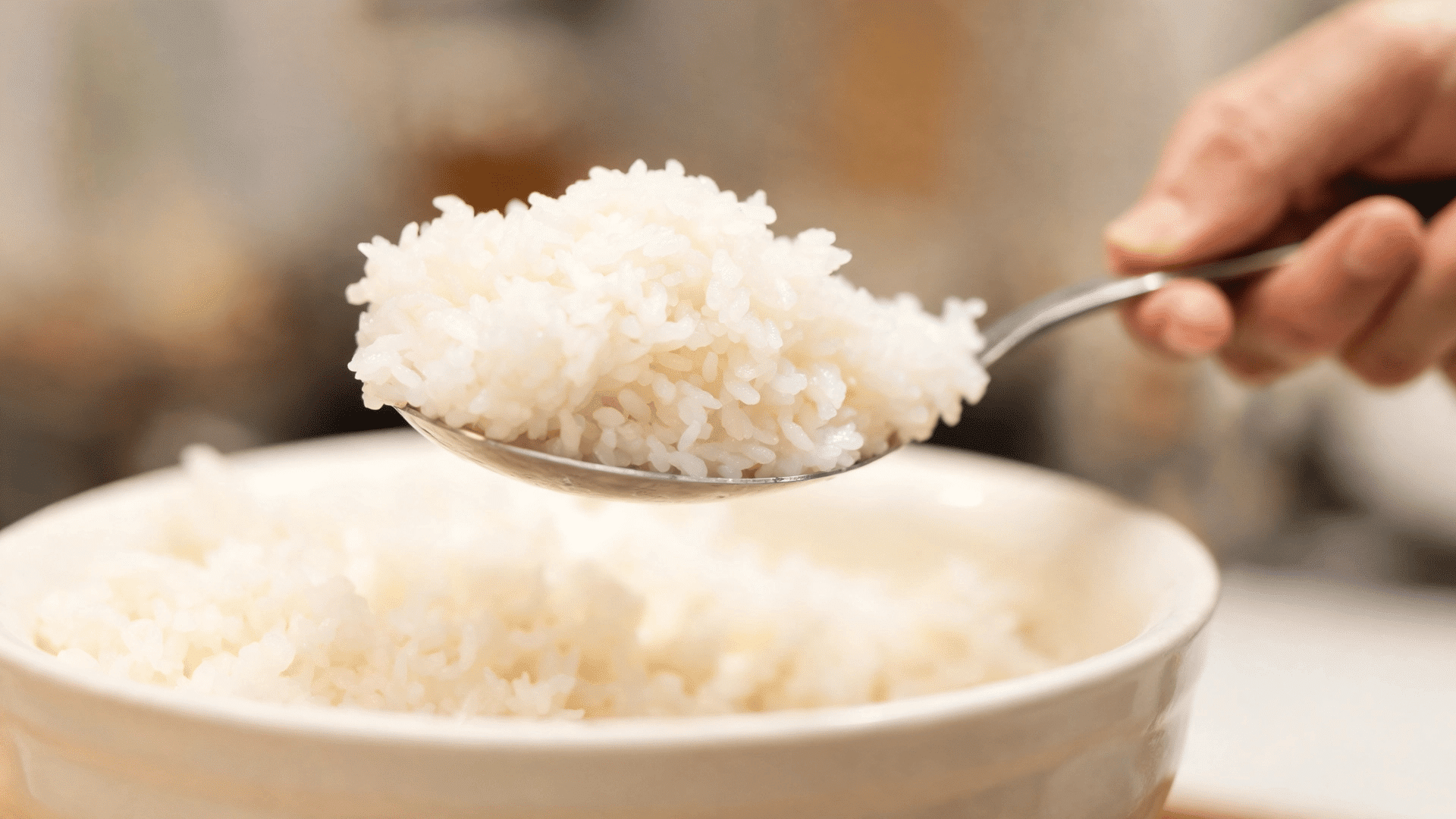
Rice is naturally gluten-free and one of the easiest grains to include in a gluten-free diet. White, brown, jasmine, basmati, and wild rice are all safe unless they contain added seasonings or sauces with gluten.
Rice works well as a side dish, in stir-fries, soups, casseroles, and grain bowls.
When buying packaged rice mixes or ready-to-eat rice, always check the ingredient list for wheat, barley, or rye.
Choosing plain rice helps reduce the risk of hidden gluten ingredients.
2. Potatoes
Potatoes are naturally gluten-free and can be prepared in many healthy ways, including baking, roasting, boiling, or mashing.
They provide carbohydrates, potassium, vitamin C, and fiber, especially when eaten with the skin.
Plain potatoes are safe for a gluten-free diet, but some frozen fries and seasoned potato products may contain wheat-based coatings or seasonings.
Always read the labels on processed potato products to ensure they are gluten-free.
3. Chicken Breast
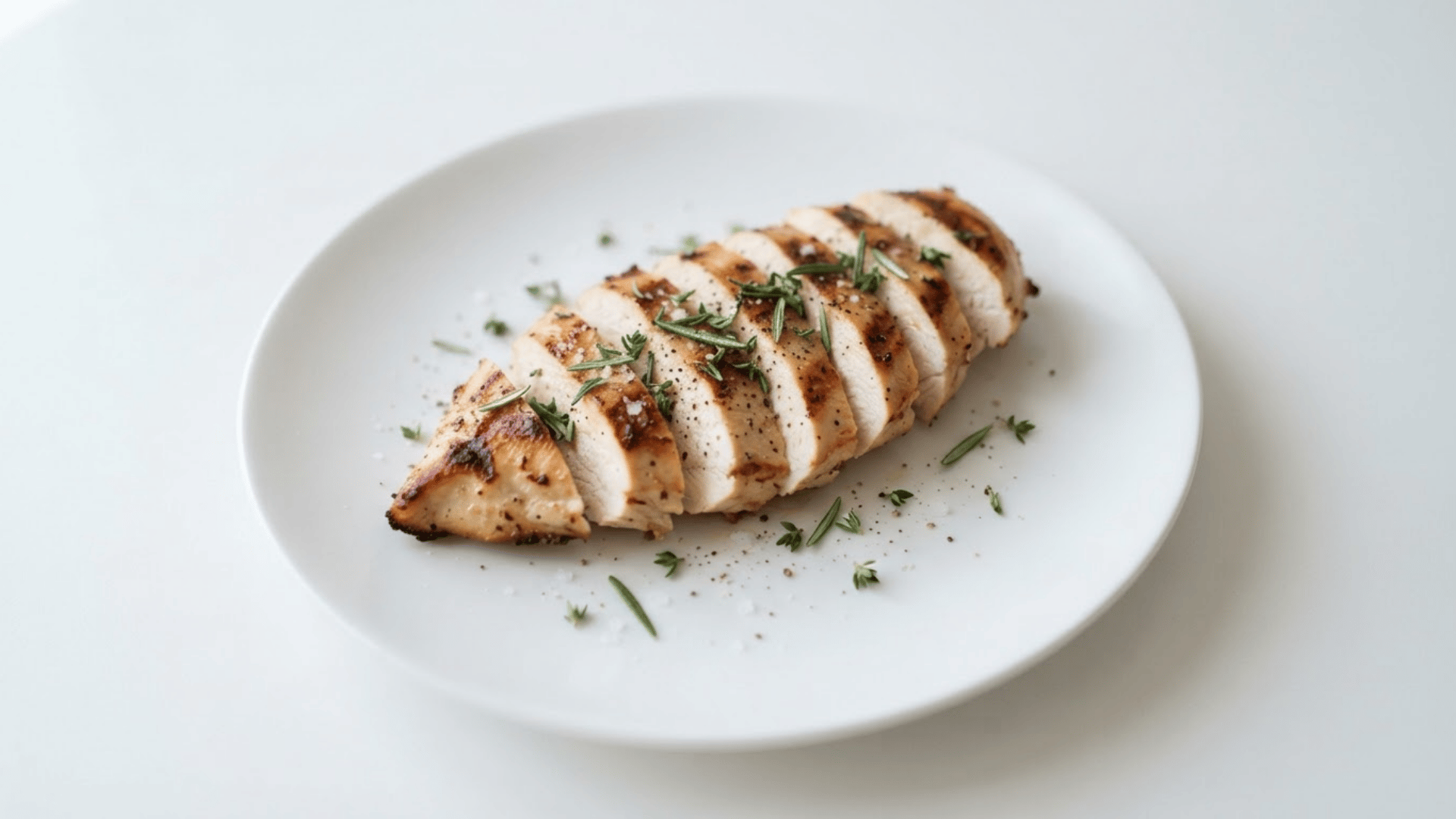
Fresh chicken breast is naturally gluten-free and an excellent source of lean protein.
It can be grilled, baked, or roasted, or used in soups, salads, and wraps, all made with gluten-free ingredients.
Be cautious with breaded chicken, marinated products, or pre-seasoned cuts because they may contain wheat flour or other gluten-containing ingredients.
Preparing fresh chicken at home with simple herbs, spices, and gluten-free seasonings is one of the safest ways to keep meals gluten-free.
4. Eggs
Eggs are naturally gluten-free and provide high-quality protein along with vitamins and minerals such as vitamin D, B12, and choline.
They can be boiled, scrambled, poached, or used in many gluten-free recipes.
Plain eggs do not contain gluten, but prepared egg dishes at restaurants may include ingredients such as pancake batter, flour-based sauces, or breadcrumbs.
When eating out, ask how egg dishes are prepared to avoid accidental gluten exposure.
5. Salmon
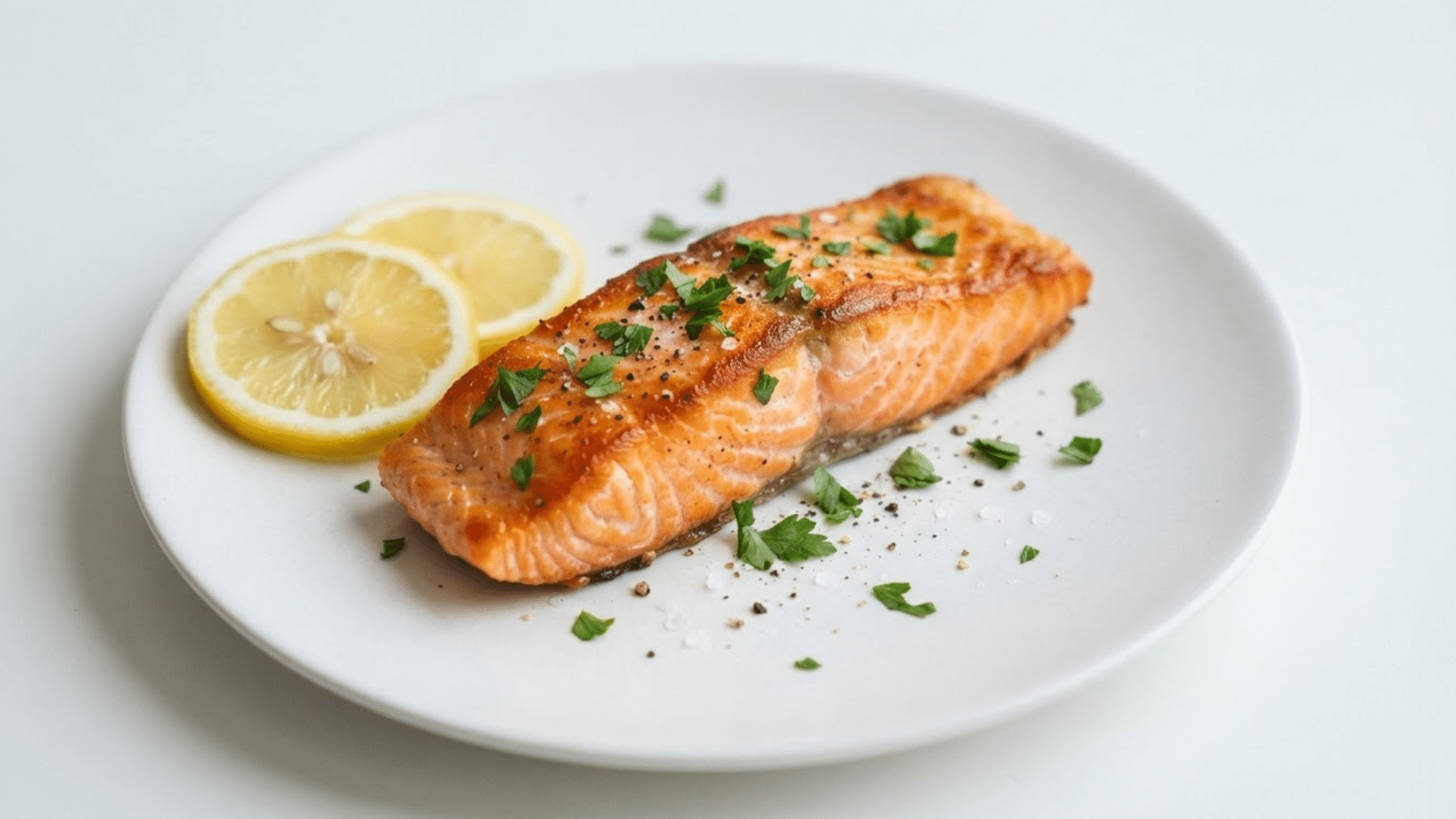
Salmon is naturally gluten-free and rich in protein and heart-healthy omega-3 fatty acids.
Fresh or frozen plain salmon can be baked, grilled, broiled, or air-fried as part of a balanced gluten-free meal.
Avoid breaded fish, flavored marinades, or prepared seafood products unless they are clearly labeled gluten-free.
Pairing salmon with vegetables and naturally gluten-free grains like rice or quinoa makes a nutritious meal suitable for most gluten-free eating plans.
6. Greek Yogurt
Plain Greek yogurt is naturally gluten-free and contains protein, calcium, and probiotics that support digestive health.
It can be enjoyed on its own or topped with fresh fruit, nuts, or certified gluten-free granola.
While plain varieties are usually safe, some flavored yogurts may include cookie pieces, cereal, or thickening ingredients that contain gluten.
Reading the ingredient label helps confirm the product is suitable for a gluten-free diet.
7. Quinoa
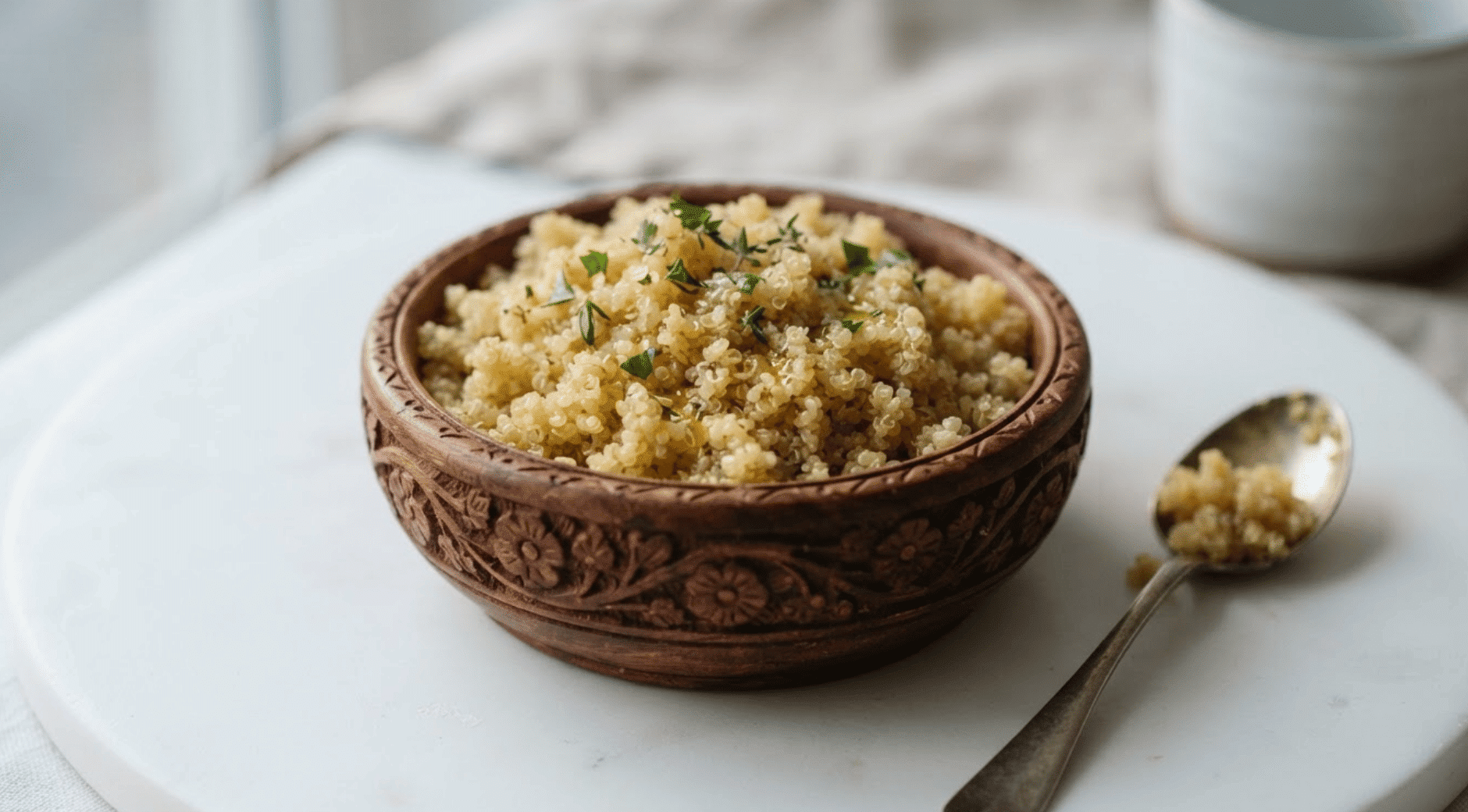
Quinoa is a naturally gluten-free seed that cooks like a grain and is valued for its protein, fiber, iron, and magnesium content.
It can be served as a side dish, added to salads, soups, or grain bowls, or used as a rice substitute.
Although quinoa itself does not contain gluten, cross-contact can occur during processing.
Choosing products labeled gluten-free provides extra assurance for people with celiac disease or gluten sensitivity.
8. Black Beans
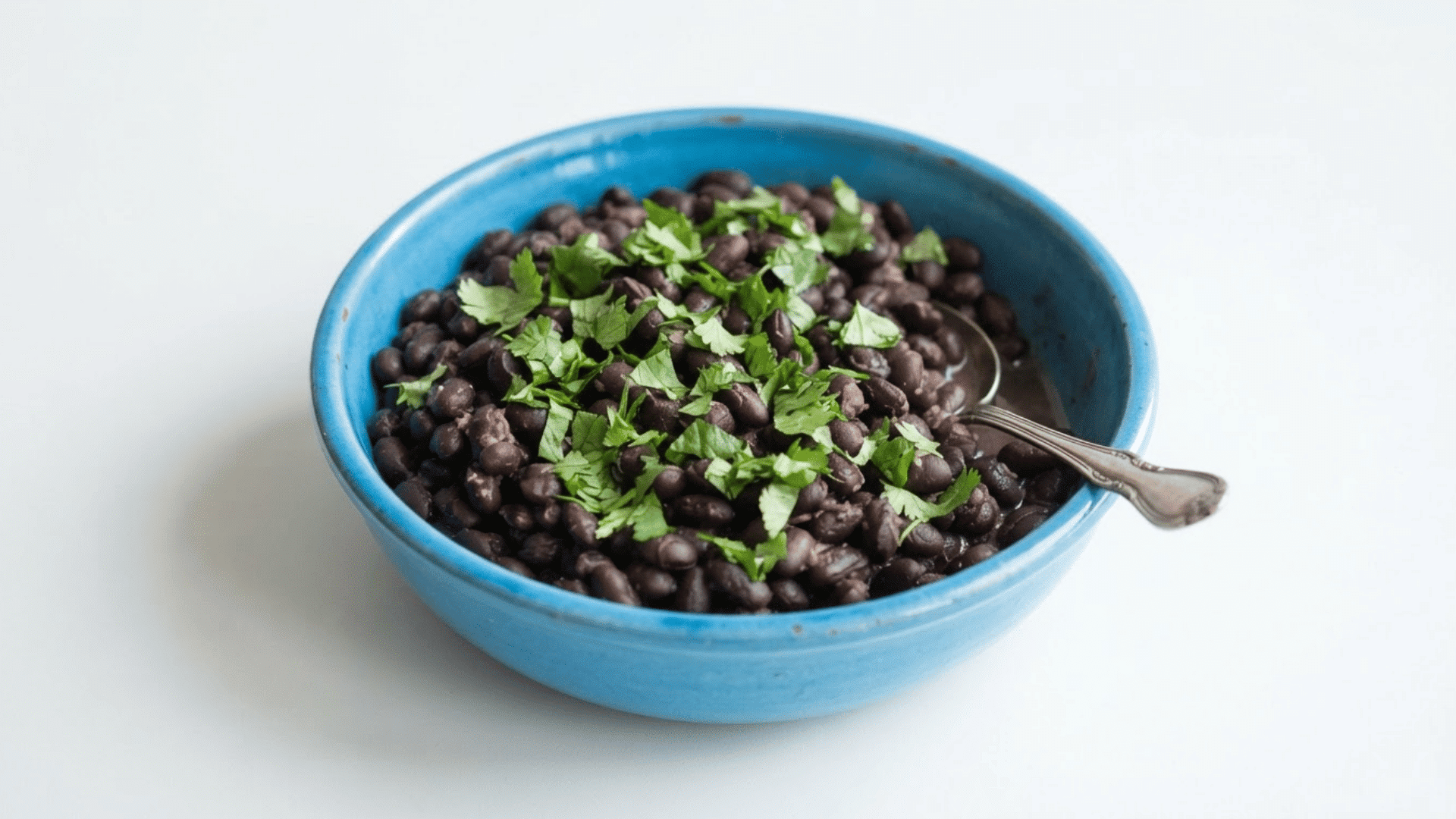
Black beans are naturally gluten-free and provide fiber, plant-based protein, folate, and iron.
They work well in tacos, salads, soups, chili, and rice dishes, making them a filling option for gluten-free meals.
Dried beans are naturally gluten-free, while canned beans are generally safe, though they should still be checked for added flavorings or sauces.
Rinsing canned beans before use also helps reduce excess sodium in many products.
9. Sweet Potatoes
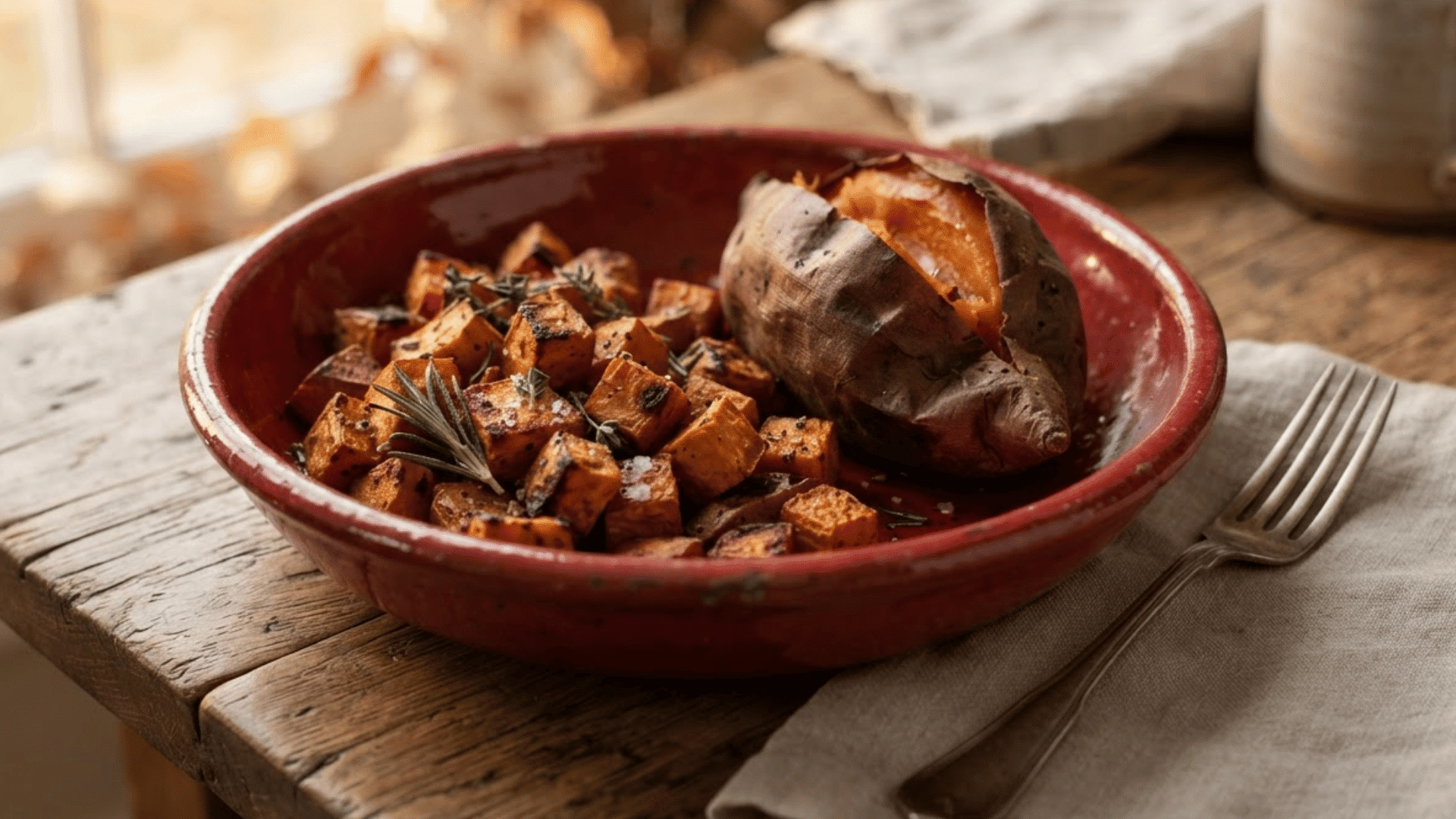
Sweet potatoes are naturally gluten-free and rich in fiber, vitamin A, vitamin C, and potassium.
They can be baked, roasted, mashed, or air-fried for both meals and snacks. Their natural sweetness makes them a versatile alternative to regular potatoes.
While fresh sweet potatoes are gluten-free, packaged fries or seasoned frozen products may include wheat-based coatings.
Reading ingredient labels helps ensure processed products remain safe for a gluten-free diet.
10. Apples
Apples are naturally gluten-free, widely available, and easy to include in a healthy eating plan.
They provide fiber, vitamin C, and antioxidants while making a convenient snack that requires little preparation.
Apples can be eaten fresh, sliced with peanut butter, mixed into salads, or baked into gluten-free desserts.
Whole apples are naturally gluten-free, but processed apple snacks or desserts should always be checked for ingredients that may contain gluten.
Gluten-Free Snacks You Can Enjoy
Gluten-free snacks can help keep you full between meals. Choose simple whole foods or products clearly labeled gluten-free.
11. Popcorn
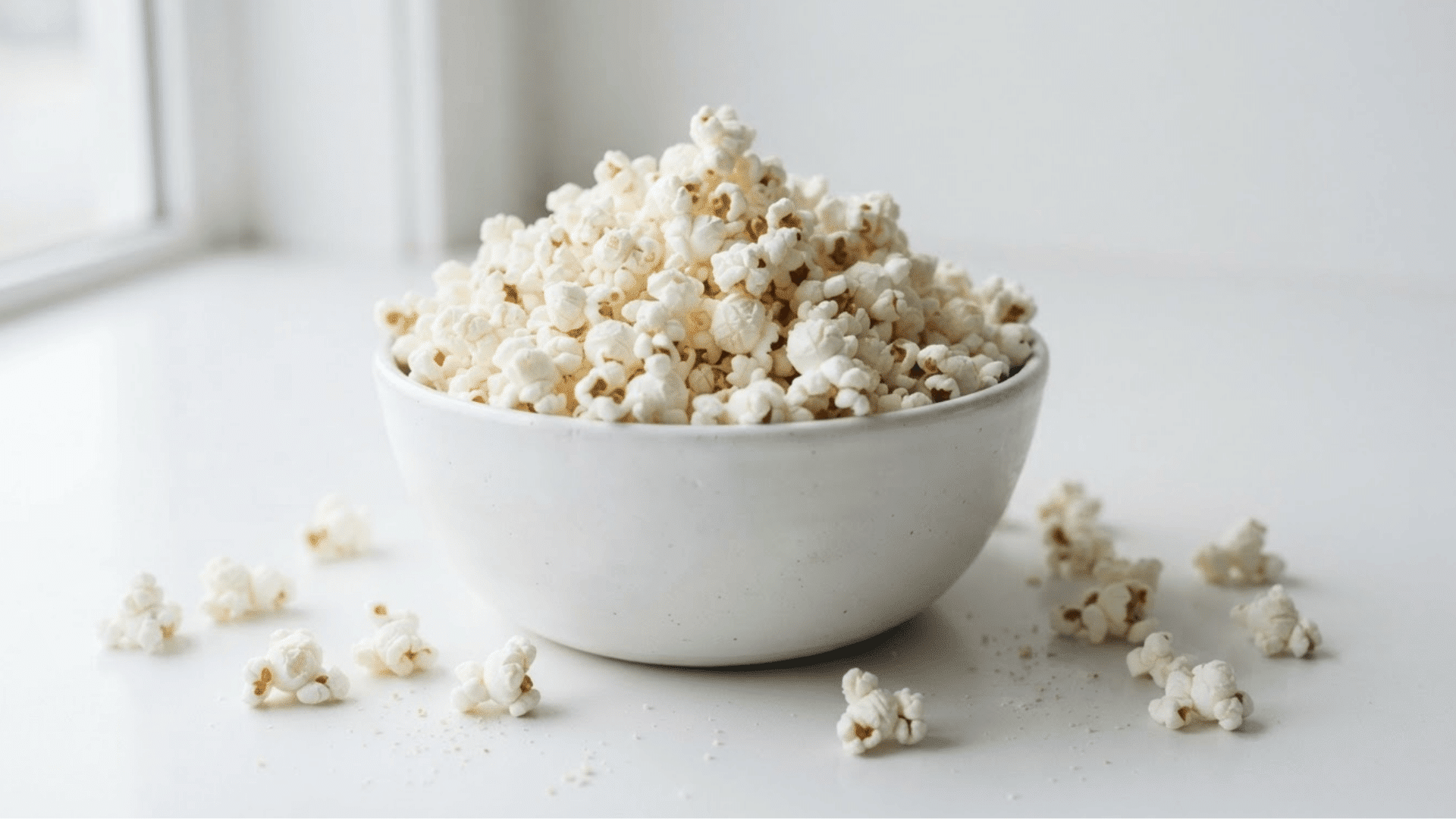
Plain popcorn is naturally gluten-free and makes a satisfying whole-grain snack.
Air-popped popcorn is the healthiest option because it contains fiber while being low in added fat and sugar.
You can season it with salt, herbs, nutritional yeast, or a little butter for extra flavor.
Some microwave popcorn and flavored varieties may contain gluten-containing seasonings, so always check the ingredient list or look for a gluten-free label.
12. Rice Cakes
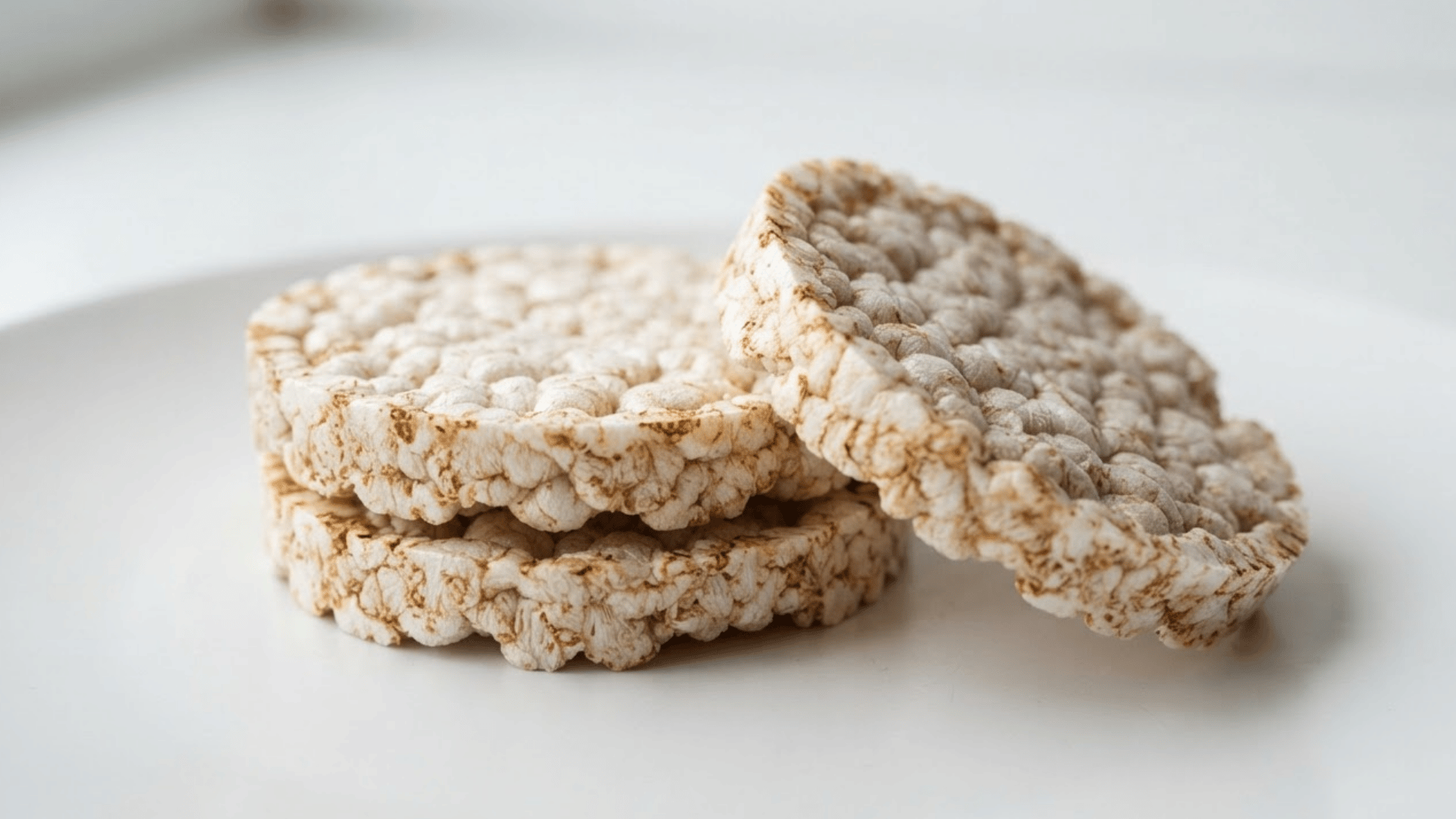
Rice cakes are a light, naturally gluten-free snack made primarily from puffed rice.
They are easy to customize with toppings such as peanut butter, almond butter, avocado, hummus, or fresh fruit.
Plain rice cakes are generally gluten-free, but flavored varieties may include seasonings or ingredients that contain gluten.
Choosing products labeled gluten-free helps reduce the risk of cross-contact during manufacturing, especially for people with celiac disease.
13. Mixed Nuts
Mixed nuts are naturally gluten-free and provide a combination of healthy fats, protein, fiber, vitamins, and minerals.
Almonds, walnuts, pistachios, pecans, and cashews make filling snacks that can help keep you satisfied between meals.
Plain or lightly salted nuts are usually the safest choice.
Some flavored or coated varieties may contain wheat-based seasonings or be processed to handle gluten, so it’s recommended to check the packaging.
14. Hummus with Baby Carrots or Celery
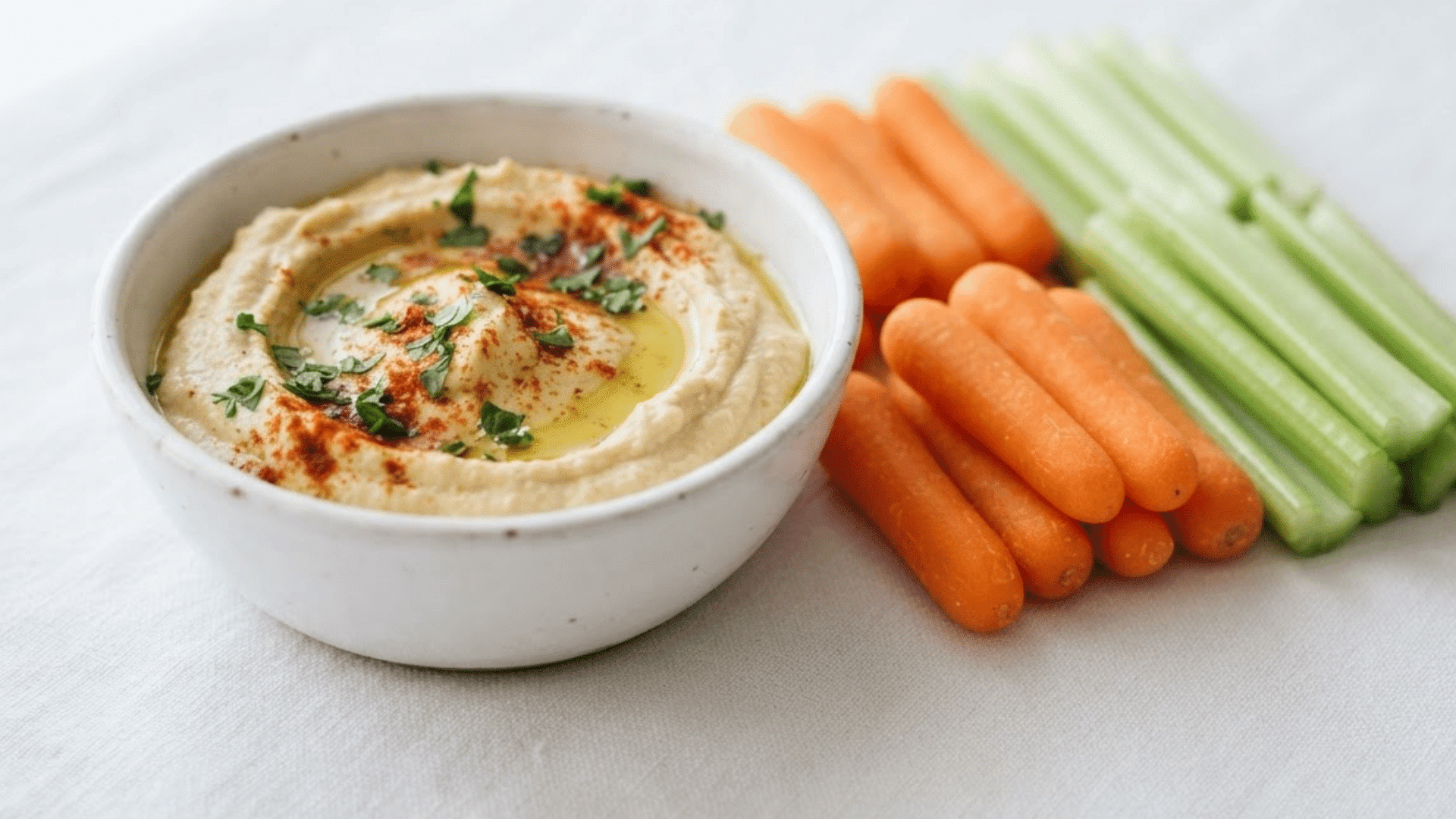
Hummus paired with fresh vegetables is a nutritious gluten-free snack that combines plant-based protein, fiber, and healthy fats.
Baby carrots and celery add crunch while providing vitamins and minerals without containing gluten.
Most traditional hummus recipes are naturally gluten-free, but flavored varieties or store-bought versions may contain added ingredients.
Reading the label and serving hummus with fresh vegetables instead of regular crackers helps keep this snack gluten-free.
15. Gluten-Free Granola Bars
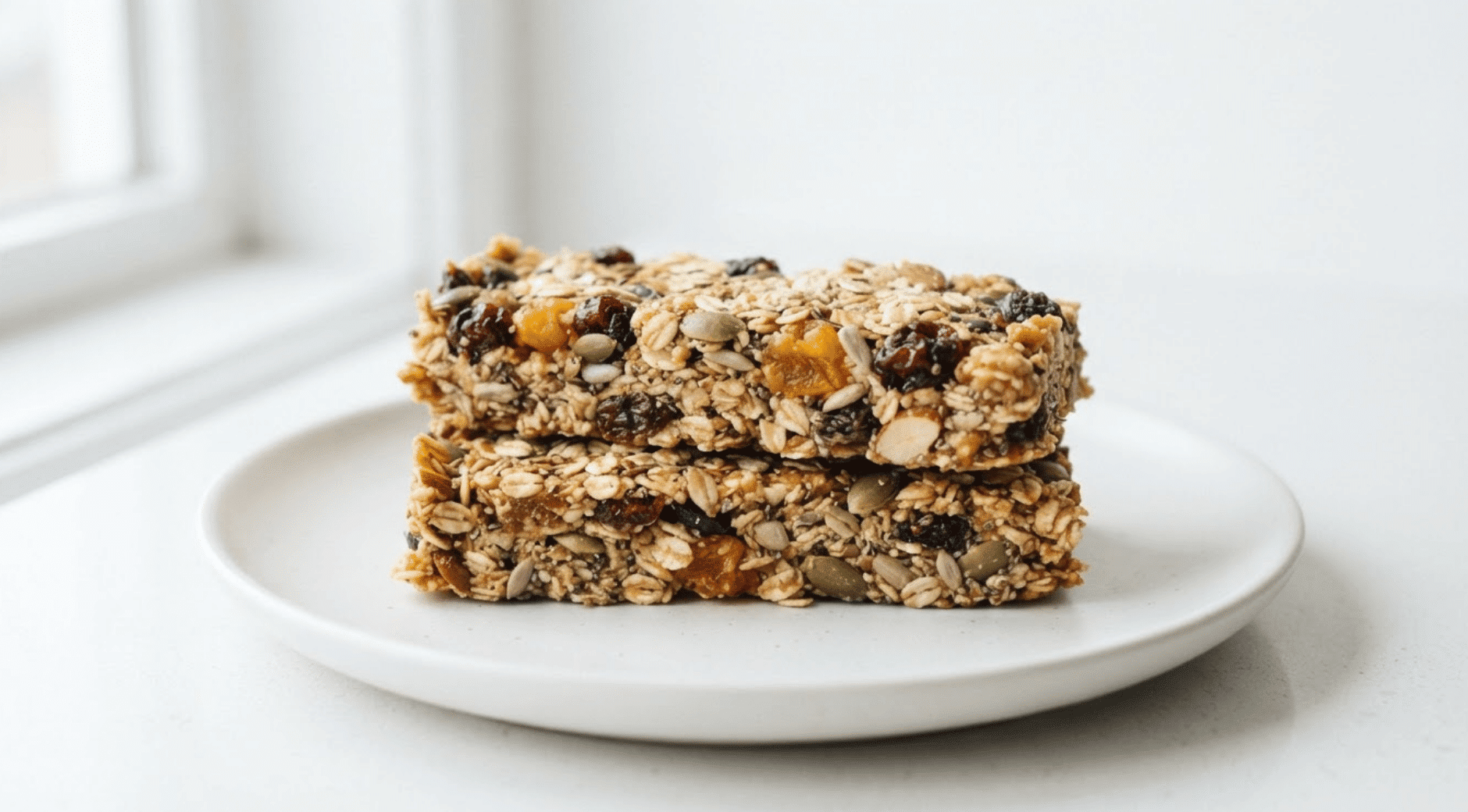
Gluten-free granola bars are a convenient snack for work, school, or travel.
They are often made with certified gluten-free oats, nuts, seeds, and dried fruit, providing a balance of carbohydrates and protein.
Since not all granola bars are gluten-free, it is important to choose products specifically labeled gluten-free.
Comparing nutrition labels can also help you find options with less added sugar and more fiber for a healthier snack.
Foods to Avoid on a Gluten-Free Diet
Gluten can also appear in processed foods and seasonings, so reading ingredient labels is an important part of following a gluten-free diet.
- Bread and Baked Goods: Most breads, bagels, cakes, cookies, muffins, and pastries are made with wheat flour and contain gluten.
- Pasta and Noodles: Traditional pasta, ramen, egg noodles, and many packaged noodle products are made from wheat unless labeled gluten-free.
- Breakfast Cereals: Many cereals contain wheat, barley, or malt. Choose cereals specifically labeled gluten-free.
- Beer and Malt-Based Drinks: Regular beer and beverages made with barley malt are not gluten-free. Look for gluten-free alternatives if needed.
- Processed Foods and Sauces: Soy sauce, gravies, marinades, soups, and seasoning mixes may contain wheat or other gluten-containing ingredients.
- Breaded and Fried Foods: Breaded meats, fried snacks, and foods in shared fryers may contain gluten or become contaminated through cross-contact.
What Does Certified Gluten-Free Mean?
A certified gluten-free label means a product has been verified by an independent certification program to meet standards that may be stricter than federal requirements.
However, certification is voluntary and is not required for a product to be labeled gluten-free.
According to the U.S. Food and Drug Administration, foods labeled “gluten-free” must contain less than 20 parts per million (ppm) of gluten, which is the standard considered safe for most people with celiac disease.
Naturally gluten-free foods, such as fresh fruits, vegetables, meat, eggs, and rice, may not carry a certification label but can still be safe choices. Always read ingredient labels when purchasing packaged foods.
How to Build Balanced Gluten-Free Meals?
A healthy gluten-free diet should include a variety of nutrient-rich foods. Balanced meals help support overall health.
- Include Lean Protein: Add foods like chicken, fish, eggs, beans, or Greek yogurt to help keep meals filling and nutritious.
- Choose Whole Grains: Include naturally gluten-free grains such as rice and quinoa to provide energy, fiber, and important nutrients.
- Eat Plenty of Vegetables: Fill your meals with a variety of colorful vegetables to increase fiber, vitamins, and minerals.
- Add Healthy Fats: Include foods like nuts, seeds, avocado, or olive oil to support heart health and keep meals satisfying.
- Include Fresh Fruit: Enjoy a variety of fruits each day for natural sweetness, fiber, antioxidants, and essential vitamins.
- Stay Hydrated: Drink enough water throughout the day to support digestion and overall health while following a gluten-free diet.
How to Follow a Gluten-Free Diet Safely?
Following a gluten-free diet safely involves more than simply avoiding bread and pasta.
Always read ingredient labels carefully and check for wheat, barley, rye, malt, or brewer’s yeast in packaged foods before buying them. Choose products that are clearly labeled gluten-free or carry a trusted certification whenever possible.
To reduce the risk of cross-contact, use separate utensils, cutting boards, and toasters for gluten-free foods at home. When dining out, let restaurant staff know you need a gluten-free meal and ask how it is prepared.
Building meals around naturally gluten-free foods such as fruits, vegetables, meat, eggs, rice, beans, and potatoes also makes gluten-free eating easier.
According to guidance published by the U.S. National Institutes of Health, safely following a gluten-free diet includes reading ingredient labels carefully, preventing cross-contact, and choosing gluten-free foods whenever possible.
Conclusion
Choosing gluten-free foods does not have to feel complicated. Once you know what to look for, shopping, meal planning, and everyday eating become much more straightforward.
Building a varied diet with wholesome ingredients can help you enjoy balanced meals while avoiding unnecessary confusion.
If you were thinking which foods and snacks fit a gluten-free lifestyle, you now have a practical starting point to make informed choices with confidence.
Bookmark this guide for your next grocery trip, and share it with family or friends who are beginning a gluten-free diet or looking for reliable food ideas.
Frequently Asked Questions
Can Medications Contain Gluten?
Yes, some medications and supplements may use gluten-containing ingredients. Check the product label or ask a pharmacist if the gluten content is unclear.
Can Gluten-Free Diets Help with Weight Loss?
Not necessarily. Gluten-free foods are not automatically lower in calories, fat, or sugar, so weight loss depends on overall eating habits and lifestyle.
Can Gluten-Free Foods Still Cause Symptoms?
Yes, symptoms can occur if foods become contaminated with gluten during preparation or contain hidden gluten ingredients.