

There is a particular kind of kitchen math that catches people off guard when they first start paying attention to it. The small jar of cumin from the grocery store costs four dollars and lasts maybe three weeks if the household cooks regularly. Multiply that across a dozen spices used with any frequency, and the monthly spend on spices alone becomes a number that most people have never actually calculated because it arrives in small increments spread across different shopping trips. Add it up, and it tends to be higher than expected.
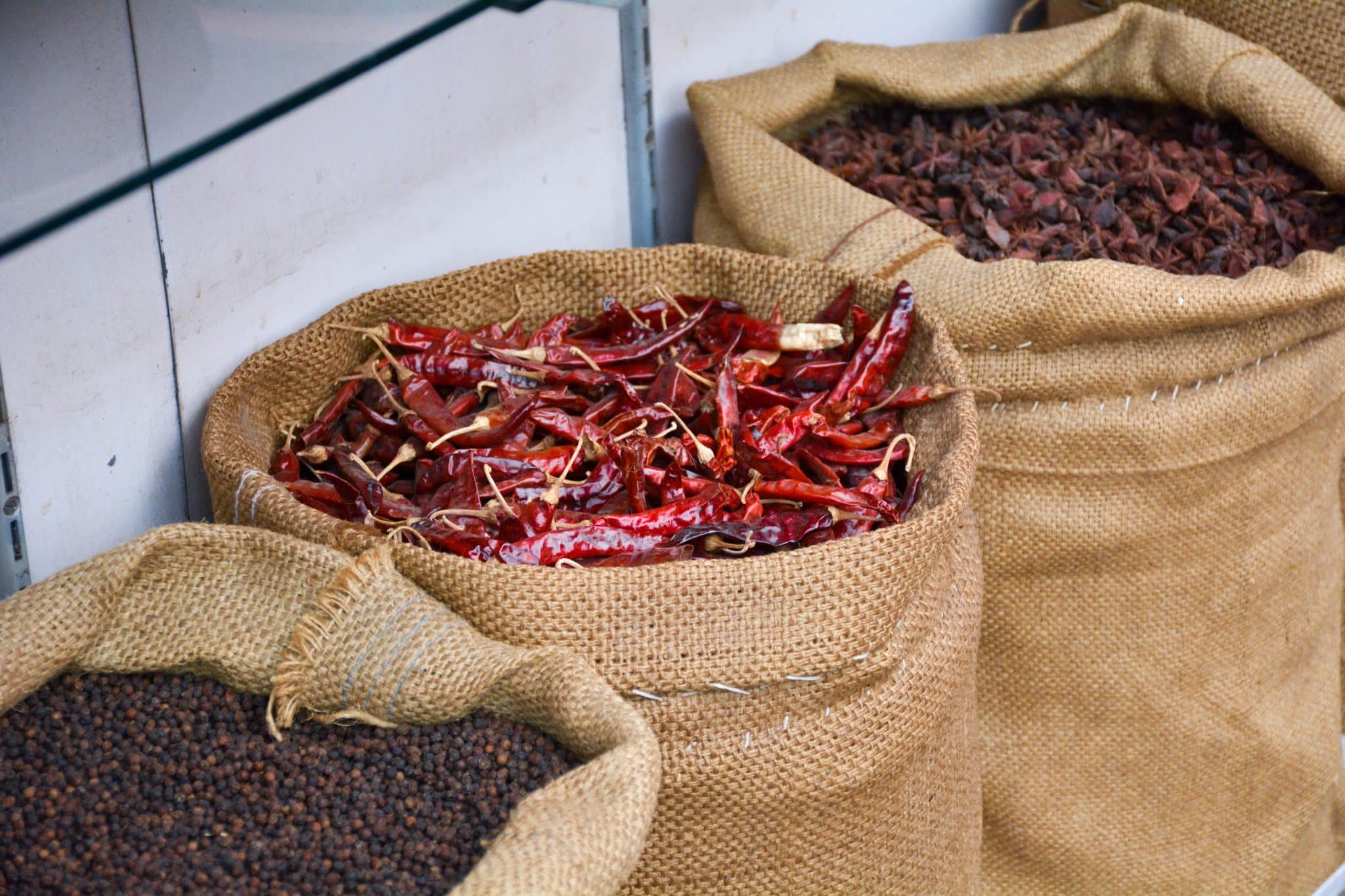
Bulk spice purchasing is the straightforward response to that math, but the cost argument is only one of several genuine reasons that commercial kitchens, food manufacturers, serious home cooks, and food businesses of all sizes end up moving toward buying spices in larger quantities. The others are worth understanding specifically because they compound in ways that make bulk purchasing significantly more advantageous than the price difference alone suggests.
1. The Cost Per Unit Drops Significantly
This is the obvious one, and it is real. The markup on retail-packaged spices covers packaging costs, shelf space, distribution to retail locations, and retail margin. None of those costs adds value to the spice itself. Buying in bulk removes several layers of that cost structure, and the saving passes through in the price per gram or per kilogram in ways that are meaningful across a year of purchases.
For commercial operations using spices at volume, this difference is the budget line item that makes bulk purchasing an operational requirement rather than a preference. For serious home cooks, the saving is real enough to fund the quality upgrade from standard retail spices to something better sourced for the same total spend.
2. Freshness Improves When Turnover Is High
The retail spice supply chain is not optimized for freshness. Spices move from processing through distribution to a retail warehouse and eventually to a shelf, where they may sit for months before being purchased. The total elapsed time between origin and the moment a consumer opens the jar can be substantial, and the flavour reflects it.
Bulk suppliers who specialize in spices and who move significant volume tend to have faster inventory turnover that keeps the product fresher across the supply chain. Product that is moving continuously through a supply channel has less opportunity to sit in warehouse conditions that degrade volatile oils and aromatic compounds than a product waiting on a retail shelf for an unknown period.
3. Quality Control Becomes Possible
When buying spices by the jar from rotating retail sources, quality control is essentially impossible. The product in one jar may have come from a different harvest or processing batch than the previous one, with no visibility into what changed or why flavour performance differs.
Bulk purchasing from consistent sources with documented lot traceability makes quality management a practical possibility. Certificates of analysis become accessible. Volatile oil content can be verified. The origin and processing information that determines actual quality is available for review rather than buried somewhere in a supply chain nobody has visibility into from the retail end.
4. Packaging Waste Reduces Substantially
Retail spice packaging is almost exclusively single-use plastic or glass that generates waste at a rate proportional to how frequently spices are purchased. A household or commercial operation going through significant quantities of spice generates a corresponding quantity of empty containers.
Bulk purchasing concentrates the same volume of product into substantially less packaging. The environmental arithmetic is simple, and the practical benefit of fewer containers to manage is real in any kitchen where storage and waste management are actual operational considerations rather than abstract concerns.
5. Storage Becomes More Organized and Efficient
Anyone who has managed a spice collection purchased in retail quantities knows the specific chaos that develops over time. Multiple partial jars of the same spice from different purchase occasions. Containers of different sizes and shapes that do not stack or organize efficiently. A spice rack that has expanded past its original capacity into overflow territory on surrounding shelves.
Bulk purchasing into uniform storage containers chosen specifically for the storage environment produces an organization that retail packaging never achieves. Uniform containers stack efficiently, label clearly, and allow genuine inventory management rather than the informal assessment of how much is left that characterizes retail spice management.
6. Consistency in Flavour and Cooking Results
For any operation where recipe consistency matters, whether a restaurant producing the same dish across service periods or a food manufacturer maintaining product specifications, flavour consistency between supply lots is an operational requirement.
Retail purchasing provides no meaningful consistency guarantee. Bulk purchasing from a reliable source with lot traceability and quality documentation provides a framework for managing consistency that retail channels structurally cannot. When a new lot differs meaningfully from the previous one, a bulk supplier relationship provides the context to understand why and address it.
7. Custom Blending Becomes Practical
Buying individual spice components in bulk makes custom blend development a realistic option for operations that need specific flavour profiles rather than whatever a commercial spice blend manufacturer has decided to produce.
Custom blending from bulk components gives complete control over the proportions of each ingredient, allows adjustment based on the quality of each component in a given supply lot, and eliminates the filler ingredients and anti-caking agents that commercial blended products sometimes include. For food manufacturers whose flavour profile is a competitive differentiator, this control is worth considerably more than the cost saving alone.
8. Supply Chain Reliability Improves
Retail spice availability is subject to the vagaries of retail inventory management, which means specific products are occasionally out of stock without warning and without any meaningful ability to predict when they will return. For operations that depend on specific spices for core menu items or product specifications, a retail stockout is an operational problem with no clean solution.
Bulk purchasing relationships with established suppliers provide supply chain reliability that retail channels do not. A bulk supplier with adequate inventory and a relationship with the customer has both the capacity and the motivation to maintain supply continuity in ways that a retail shelf cannot.
9. Time Savings Across the Year
Purchasing spices in bulk reduces the frequency of procurement. An operation that would otherwise be ordering or purchasing specific spices weekly or fortnightly reduces that to monthly or quarterly procurement cycles, freeing time and administrative attention for other operational priorities.
The cumulative time saving across a year of reduced procurement frequency is real in any operation where procurement takes meaningful staff time. Even in household contexts, fewer shopping trips for spice restocking represent a practical convenience that compounds across months.
10. Access to Better Sourcing Options
Retail spice purchasing constrains the buyer to whatever the retail channel stocks, which reflects decisions made by retail buyers about what sells rather than decisions made about what is best sourced. The best origins, the most carefully processed products, and the highest quality harvest lots from the most reputable growing regions are frequently not what ends up on retail shelves.
Bulk purchasing through a quality spice company with genuine sourcing relationships opens access to product quality that retail channels do not carry. The best turmeric from the most productive growing regions of India, the highest volatile oil content black pepper from carefully selected Malabar or Vietnamese sources, the most aromatic cumin from origins known for essential oil richness — these options exist in bulk supply channels that simply do not intersect with retail distribution.
Putting It Together
The case for bulk spice purchasing is not primarily about saving money, though that benefit is real. It is about the compound effect of better quality, better consistency, better traceability, better organization, and better supply reliability that bulk purchasing through the right source makes possible compared to indefinite retail purchasing.
Operations that make this shift tend not to go back, because the total benefit across quality, cost, and operational efficiency is clear enough once it has been experienced directly that the retail alternative stops looking like a reasonable option.