

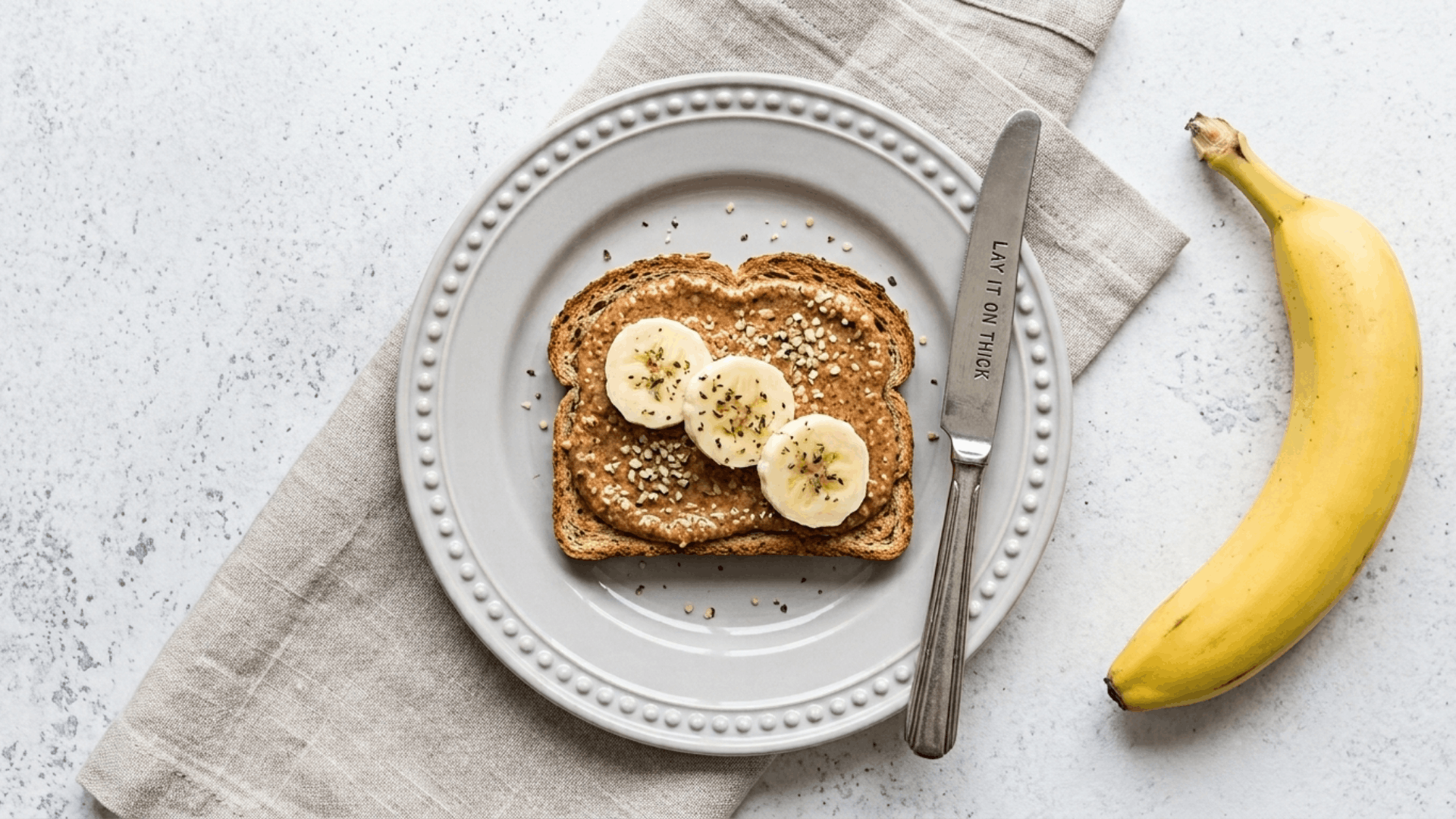
Almond butter may look like a simple spread, but its nutrition profile offers much more than just healthy fats.
Packed with protein, fiber, vitamin E, magnesium, and other important nutrients, it can support heart health, energy levels, fullness, and overall well-being when eaten in moderation.
However, calories, added sugar, sodium, and portion size can vary widely between brands, making the nutrition label worth a closer look.
Understanding almond butter nutrition helps you compare products and choose one that fits your health goals.
Keep reading to know about its calories, macronutrients, vitamins, minerals, benefits, possible risks, and simple tips for choosing the healthiest almond butter.
Understanding Almond Butter Nutrition Facts
Understanding almond butter nutrition facts starts with checking the serving size, which is usually two tablespoons.
A typical serving provides around 190 calories, 6 to 7 grams of protein, 16 to 18 grams of fat, and about 3 grams of fiber.
Most of the fat is unsaturated, which can support heart health when included in a balanced diet. Almond butter also supplies vitamin E, magnesium, calcium, potassium, and iron.
However, nutrition values can vary between brands, especially when products contain added sugar, salt, palm oil, or other ingredients.
Natural almond butter made mainly from almonds usually offers the simplest nutritional profile.
Reading the label carefully helps you compare calories, sodium, sugar, and ingredients before choosing the best option.
Almond Butter Nutrition Facts per 2 Tablespoons
The figures below reflect a standard two-tablespoon (32 g) serving of plain, unsweetened almond butter, based on USDA FoodData Central’s Foundation Foods entry for creamy almond butter.
Packaged products vary by brand, roasting method, and added ingredients, so always check your own label.
| Nutrient | Approximate Amount | Approximate % Daily Value |
|---|---|---|
| Calories | 190–200 kcal | N/A |
| Protein | 6–7 g | N/A |
| Total Fat | 16–18 g | 21–23% |
| Saturated Fat | 1–2 g | 5–10% |
| Monounsaturated Fat | 10–11 g | N/A |
| Polyunsaturated Fat | 3–4 g | N/A |
| Trans Fat | 0 g | N/A |
| Cholesterol | 0 mg | 0% |
| Total Carbohydrates | 6–7 g | 2% |
| Dietary Fiber | 3 g | ~11% |
| Total Sugars | 1–2 g | N/A |
| Added Sugars | 0 g* | 0% |
| Sodium | 0–80 mg | 0–3% |
| Vitamin E | ~6.5 mg | ~43% |
| Magnesium | ~90 mg | ~21% |
| Calcium | ~70 mg | ~5% |
| Iron | ~1.1 mg | ~6% |
*Applies to unsweetened, plain almond butter with no added sweeteners. Values are approximate and calculated against FDA Daily Values for a 2,000-calorie diet; exact amounts vary by brand. Source: USDA FoodData Central and the FDA Nutrition Facts Label guidance.
Almond Butter Nutrient Breakdown
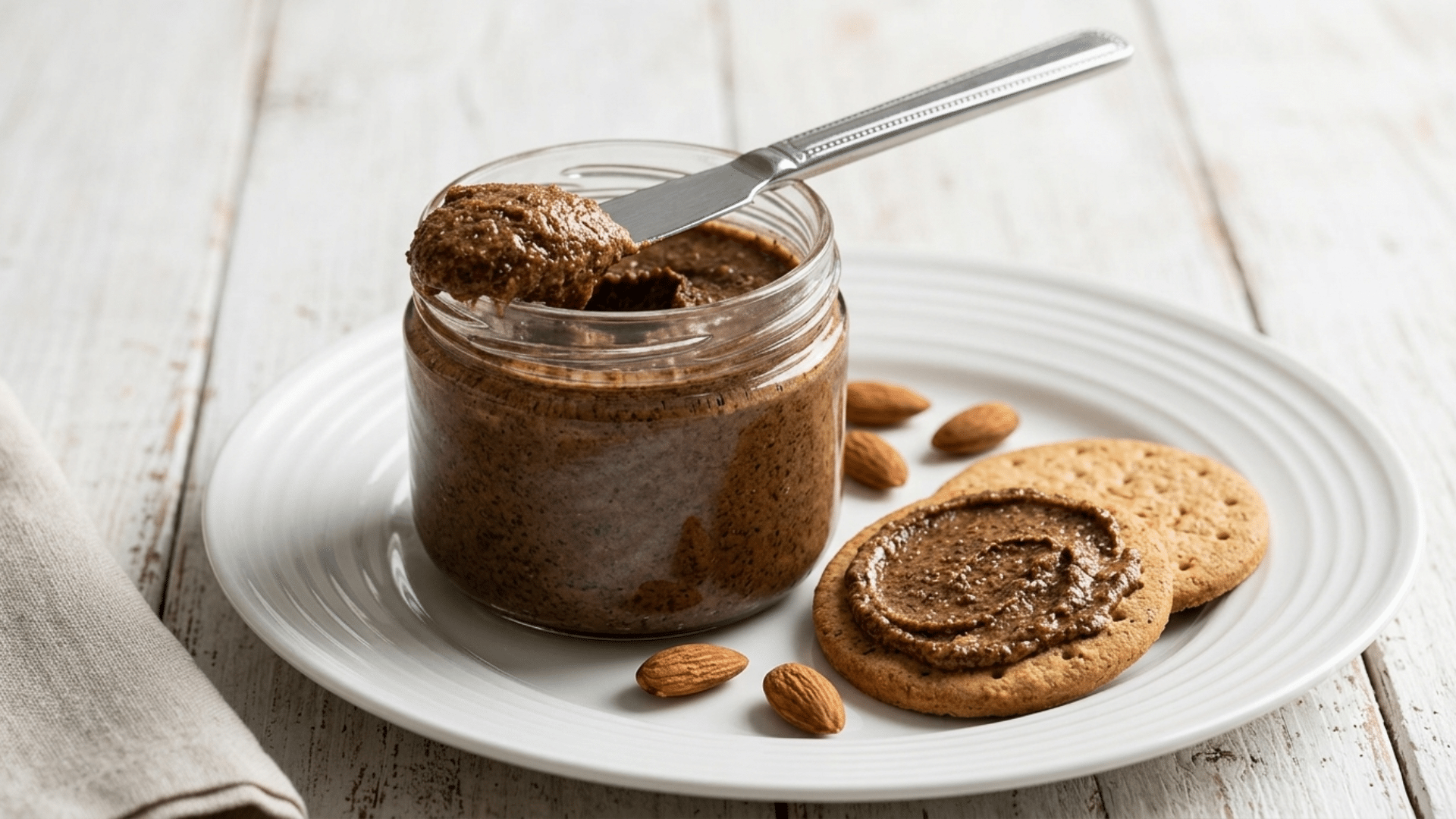
Almond butter contains a valuable mix of calories, healthy fats, protein, fiber, vitamins, and essential minerals. Here is a detailed breakdown of the key nutrients found in a standard two-tablespoon serving.
1. Calories in Almond Butter
A standard two-tablespoon serving of almond butter contains about 190 to 200 calories, making it an energy-dense food.
Most of these calories come from healthy fats, while smaller amounts come from protein and carbohydrates.
Because the calories can add up quickly, portion control is important, especially for people managing weight or daily energy intake.
Measuring the serving instead of eating directly from the jar can help you enjoy its nutrition without unintentionally consuming too many calories.
2. Protein in Almond Butter
Almond butter provides roughly 6 to 7 grams of protein per two-tablespoon serving. This plant-based protein supports muscle repair, tissue maintenance, and fullness between meals.
However, almond butter is not a complete protein because it lacks adequate amounts of all essential amino acids.
Pairing it with whole grains, dairy, soy, eggs, or legumes can create a more balanced protein intake. It works best as a supporting protein source rather than the main protein in a meal.
3. Total Fat in Almond Butter
A typical serving contains around 16 to 18 grams of total fat, most of which is monounsaturated and polyunsaturated fat.
These unsaturated fats may support heart health when they replace foods high in saturated fat.
Almond butter usually contains only a small amount of saturated fat and no trans fat unless extra ingredients are added.
Although these fats are nutritious, they are calorie-dense, so moderate portions are still important for maintaining balanced energy intake throughout the day.
4. Carbohydrates in Almond Butter
Almond butter contains about 6 to 7 grams of carbohydrates in a two-tablespoon serving. Its carbohydrate content is lower than that of many sweet spreads, making unsweetened varieties suitable for several eating patterns.
The carbohydrates come from natural almond components rather than refined flour or added sweeteners in plain products.
Flavored options may contain considerably more carbohydrates because of honey, cane sugar, chocolate, or syrups.
Checking total carbohydrates and the ingredient list helps identify products that better match personal nutrition goals.
5. Dietary Fiber in Almond Butter
Two tablespoons of almond butter generally provide around 3 grams of dietary fiber. Fiber supports healthy digestion, regular bowel movements, and longer-lasting fullness after meals or snacks.
It may also help slow the absorption of carbohydrates when almond butter is paired with fruit, toast, or oatmeal.
While almond butter contributes useful fiber, it should not replace vegetables, fruits, legumes, and whole grains.
Choosing minimally processed almond butter often preserves more of the naturally occurring fiber found in almonds.
6. Sugar Content in Almond Butter
Plain almond butter usually contains about 1 to 2 grams of naturally occurring sugar per serving.
Unsweetened products often have no added sugar, while flavored or commercial no-stir varieties may include cane sugar, honey, maple syrup, or other sweeteners.
Added sugar increases the calorie and carbohydrate content without providing the same nutritional value as whole almonds.
Reading the “added sugars” line on the nutrition label is the easiest way to compare products and choose a lower-sugar option.
7. Vitamin E in Almond Butter
Almond butter is especially rich in vitamin E, an antioxidant that helps protect cells from oxidative damage.
A two-tablespoon serving can provide a meaningful portion of the recommended daily intake, although the exact amount varies by brand and processing method.
Vitamin E also supports immune function and skin health as part of an overall balanced diet.
Because this vitamin is fat-soluble, the natural fats in almond butter help the body absorb it efficiently during digestion.
8. Minerals in Almond Butter
Almond butter supplies several important minerals, including magnesium, calcium, phosphorus, potassium, iron, copper, and manganese.
Magnesium supports muscle function, nerve activity, and energy production, while calcium and phosphorus contribute to strong bones and teeth.
Iron helps transport oxygen in the blood, and potassium supports fluid balance and normal muscle function.
The exact mineral amounts differ among brands, serving sizes, and processing methods. Almond butter can contribute to daily mineral needs but should remain part of a varied diet.
Key Health Benefits of Almond Butter
Almond butter offers more than just healthy fats. Its combination of protein, fiber, vitamins, minerals, and antioxidants can support several aspects of health when enjoyed as part of a balanced diet.
- High in Calories: About 190 to 200 calories in two tablespoons. Eating large portions regularly may contribute to excess calorie intake over time.
- Tree Nut Allergy Risk: People with a tree nut allergy should avoid almond butter completely. Check “may contain” statements, be cautious with shared grinders at grocery stores, and ask about cross-contact at bakeries and smoothie shops. Seek urgent care for symptoms of a serious allergic reaction.
- Added Sugar and Sodium: Some commercial varieties contain added sugar, salt, or oils, which can reduce their overall nutritional quality. Compare nutrition labels before buying.
- May Cause Digestive Discomfort: Eating too much at once may lead to bloating due to its high fat and fiber content. Individual tolerance varies.
- Oxalates and Kidney Stones: Almonds and almond products contain oxalates. This mainly concerns people with a history of calcium oxalate kidney stones, who should ask a doctor or registered dietitian whether they need to limit high-oxalate foods, per NIDDK guidance. People with chronic kidney disease may also need individualized limits on potassium, phosphorus, or sodium.
- Easy to Overeat: Its creamy texture makes almond butter easy to eat in large amounts. Measuring your serving instead of eating from the jar helps with portion control.
Almond Butter Nutrition Compared With Other Spreads
Almond butter shares many nutritional qualities with other nut and seed spreads, but differences in protein, fiber, fats, vitamins, and added sugar can affect which option suits your needs.
| Spread | Calories & Protein (Per 2 Tbsp) | Key Nutritional Strength | Best For |
|---|---|---|---|
| Almond Butter | 190–200 kcal, 6–7 g protein | Rich in vitamin E, magnesium, fiber, and heart-healthy fats | Balanced nutrition and heart health |
| Peanut Butter | 180–200 kcal, 7–8 g protein | Slightly higher protein and a good source of niacin | Higher protein at a lower cost |
| Cashew Butter | 180–190 kcal, 5–6 g protein | Good source of copper, magnesium, and healthy fats | Creamy texture and mineral intake |
| Sunflower Seed Butter | 190–210 kcal, 6–7 g protein | Nut-free and high in vitamin E | People with tree nut allergies |
| Tahini | 170–190 kcal, 5–6 g protein | Provides calcium, iron, and healthy sesame fats | Mediterranean-style meals and dressings |
| Hazelnut Butter | 180–200 kcal, 4–5 g protein | Contains vitamin E and monounsaturated fats | Mild, naturally sweet flavor |
| Soy Nut Butter | 180–200 kcal, 7–8 g protein | Nut-free with a good amount of plant protein | Nut-free, protein-rich alternative |
| Chocolate Hazelnut Spread | 190–210 kcal, 2–3 g protein | Sweet dessert-style spread | Occasional treat rather than everyday nutrition |
Is Almond Butter Good for Weight Loss or Weight Gain?
Almond butter can fit into either goal, depending on how it is used. Its protein, fiber, and fat may help you feel full longer, which can support a calorie-controlled eating pattern when it replaces a less satisfying snack rather than being added to your usual intake.
Because it is calorie-dense, at around 190 to 200 calories per two tablespoons, portion size still determines whether it helps or works against a weight-loss goal.
For weight gain or higher energy needs, such as active training periods, almond butter is an easy way to add calories and modest protein to smoothies, oatmeal, or toast. No single food causes weight loss or weight gain on its own.
Total daily calorie intake, overall diet quality, and individual energy needs determine the outcome; almond butter is one small part of that equation, not a solution in itself.
Almond Butter and Blood Sugar
Unsweetened almond butter is relatively low in carbohydrates and unlikely to cause a large blood sugar rise when eaten alone, since its fat, fiber, and protein slow digestion.
Individual glucose response still varies by serving size, the foods it is paired with, and personal health factors.
The American Diabetes Association emphasizes overall meal patterns, carbohydrate choices, and portion sizes rather than relying on any single food to control blood sugar, and almond butter fits that framework as one part of a balanced meal rather than a standalone fix.
Anyone managing diabetes should ask a doctor or registered dietitian how it fits their personal plan.
How to Read an Almond Butter Nutrition Label?
Choosing the healthiest almond butter starts with the ingredient list and Nutrition Facts panel, not the front-of-package claims. Use this checklist when comparing brands.
- Ingredients: Look for almonds or almonds and a small amount of salt as the only ingredients.
- Added sugars: Check for cane sugar, honey, or syrup on the ingredient list, and check the added sugars line on the label.
- Sodium: Compare sodium per serving if you are limiting salt intake.
- Added oils: Skip products with hydrogenated oils or excessive added oils; the natural oils in almonds are enough.
- Serving size: Compare calories, fat, and protein using the same serving size across brands.
- Organic labeling: Organic certification relates to farming standards, not nutrition. It does not automatically mean fewer calories, more protein, or no added sugar, so check the ingredient list regardless.
What Is a Reasonable Serving of Almond Butter?
A standard serving of almond butter is 2 tablespoons (32 grams), providing about 190 to 200 calories, while one tablespoon contains roughly 95 to 100 calories.
This is a standard labeled serving, not a universal daily prescription.
For most healthy adults, it fits well into a balanced diet when total calorie needs are considered.
People managing weight may choose a smaller serving, while athletes or those with higher energy needs may choose a slightly larger one.
Almond butter pairs best with nutrient-rich foods such as whole-grain toast, oatmeal, fruit, or yogurt, and measuring each serving rather than estimating helps you enjoy its benefits without exceeding your intended calorie intake.
Healthy Ways to Eat Almond Butter
Pairing almond butter with the right foods can match it to a specific goal rather than just adding it anywhere.
- Higher-Protein Breakfast: Combine almond butter with Greek yogurt and berries for more protein than almond butter and fruit alone.
- Fiber-Rich Snack: Spread on whole-grain toast or pair with apple slices for fiber, protein, and healthy fat together.
- Pre-Workout Snack: A small amount on toast or in oatmeal provides steady energy without the need for a heavy meal beforehand.
- Calorie-Dense Smoothie: Blend into a fruit or protein smoothie for extra calories and a creamier texture.
- Savory Dip or Sauce: Thin with a little water or lime juice for a quick dip for vegetables or a light sauce base.
How to Store Almond Butter After Opening?
Natural almond butter with no stabilizers often needs refrigeration after opening to slow oil rancidity, though some commercial varieties with added stabilizers can stay at room temperature.
Always follow the manufacturer’s label, since guidance varies by product.
Oil separation on top is completely normal in natural almond butter and simply means no stabilizers were added; stir it back in before each use.
Most jars stay good for one to three months after opening when refrigerated.
A sharp, bitter, or “paint-like” smell is a sign the oils have gone rancid, and the jar should be discarded rather than used.
Possible Risks and Drawbacks of Almond Butter
Almond butter is nutritious for most people, but it is not without potential drawbacks. Knowing these considerations can help you enjoy it safely and choose the right amount for your dietary needs.
- High in Calories: Almond butter is calorie-dense, with about 190-200 calories per 2 tablespoons. Eating large portions regularly may contribute to excess calorie intake over time.
- Tree Nut Allergy Risk: People with a tree nut allergy should avoid almond butter completely. Even small amounts can trigger serious allergic reactions in sensitive individuals.
- Added Sugar and Sodium: Some commercial varieties contain added sugar, salt, or oils that reduce their overall nutritional quality. Always compare nutrition labels before buying.
- May Cause Digestive Discomfort: Eating too much almond butter at once may lead to bloating or stomach discomfort due to its high fat and fiber content. Individual tolerance can vary.
- Contains Oxalates: Almonds naturally contain oxalates, which may be a concern for people prone to certain types of kidney stones.
- Easy to Overeat: Its creamy texture and rich flavor make almond butter easy to overeat. Measuring your serving instead of eating from the jar can help with portion control.
How Many Calories Are in Almond Butter?
A standard two-tablespoon serving of almond butter contains about 190 to 200 calories. Most of these calories come from unsaturated fats, while protein and carbohydrates provide smaller amounts.
One tablespoon usually contains around 95 to 100 calories, making portion size important for anyone tracking daily intake or managing weight.
Plain almond butter and natural varieties generally have similar calorie counts, but flavored varieties may have higher calorie counts due to added sugar, honey, chocolate, or oils.
Although almond butter is calorie-dense, it also provides protein, fiber, vitamin E, magnesium, and healthy fats that can support fullness and overall nutrition.
Measuring each serving can help you enjoy its benefits without consuming more calories than intended.
Almond Butter Myths vs Facts
Almond butter is surrounded by several nutrition myths that can make it difficult to separate facts from misconceptions. Understanding what the evidence actually says can help you make informed choices.
| Myth | Fact |
|---|---|
| Almond butter is fattening and should be avoided. | Almond butter is calorie-dense, but moderate portions can be part of a healthy diet because it provides unsaturated fats, protein, fiber, and essential nutrients. |
| All almond butter is equally healthy. | Nutrition varies by brand. Natural varieties made with only almonds are generally lower in added sugar, sodium, and unnecessary oils. |
| Almond butter is a high-protein food. | It provides about 6 to 7 grams of protein per two tablespoons, making it a good source of plant protein but not a replacement for higher-protein foods. |
| Natural almond butter is spoiled if the oil separates. | Oil separation is completely normal in natural almond butter because it contains no stabilizers. Simply stir it before using. |
| Almond butter helps with weight loss on its own. | No single food causes weight loss. Almond butter may support fullness, but overall calorie intake and a balanced diet are what matter most. |
| People with diabetes cannot eat almond butter. | Unsweetened almond butter can fit into many diabetes-friendly eating plans when eaten in appropriate portions and paired with nutrient-rich foods. |
| More almond butter means more health benefits. | Eating large amounts can add excess calories. Sticking to the recommended serving size helps balance nutrition and calorie intake. |
How to Choose the Healthiest Almond Butter?
Choosing the healthiest almond butter starts with looking beyond the front label and checking the ingredient list and Nutrition Facts.
- Choose Simple Ingredients: Look for almond butter made with only almonds or almonds and a small amount of salt. Fewer ingredients usually mean less processing and a cleaner nutrition profile.
- Avoid Added Sugar: Check the nutrition label for added sugars such as cane sugar, honey, or syrups. Unsweetened varieties are generally the healthier choice for everyday use.
- Compare Sodium Levels: Select products with little or no added salt, especially if limiting sodium intake. Lower-sodium options provide the same nutrients without unnecessary sodium.
- Skip Hydrogenated Oils: Avoid almond butter containing partially hydrogenated oils or excessive added fats. Natural almond oil is sufficient for a nutritious spread.
- Check the Serving Size: Compare calories, fat, and protein using the same serving size across all labels. This makes it easier to evaluate different brands fairly.
- Look for Minimal Processing: Natural almond butter may separate because it contains no stabilizers, and this is completely normal. A quick stir is all it takes before serving.
Conclusion
Almond butter can be a nutritious addition to a balanced diet, offering healthy fats, plant-based protein, fiber, vitamin E, magnesium, and other essential minerals.
Its high-calorie content means portion size still matters, and its exact nutritional profile depends heavily on the brand and ingredient list.
Choosing plain almond butter with minimal ingredients, no added sugar, and limited sodium helps maximize its nutritional value, whether you use it for breakfast, a snack, a smoothie, or a savory sauce.
Understanding almond butter nutrition facts makes it easier to compare products, manage daily intake, and choose options that align with your health goals.
Check the label, measure your serving, and let the ingredient list, not the front of the jar, make the final call.
Frequently Asked Questions
Is Almond Butter Actually Healthy?
Yes. Unsweetened almond butter is a nutritious source of healthy fats, protein, fiber, vitamin E, and magnesium when eaten in recommended portions as part of a balanced diet.
Is 2 Tablespoons of Almond Butter Too Much?
No. Two tablespoons is the standard serving size and fits well into most balanced diets when total daily calorie intake and nutrition needs are considered.
Which Nut Butter Is the Healthiest?
There is no single healthiest nut butter. Almond, peanut, and walnut butters are all nutritious, with the best choice depending on individual dietary needs, preferences, and health goals.
Does Almond Butter Spike Your Blood Sugar?
No. Unsweetened almond butter is low in sugar and rich in healthy fats, protein, and fiber, which may help slow blood sugar rises when eaten with carbohydrates.